The Witcher 3 producer says it's scary to work with another studio on the game's expansion: 'I also think twice about leaving my baby with someone'
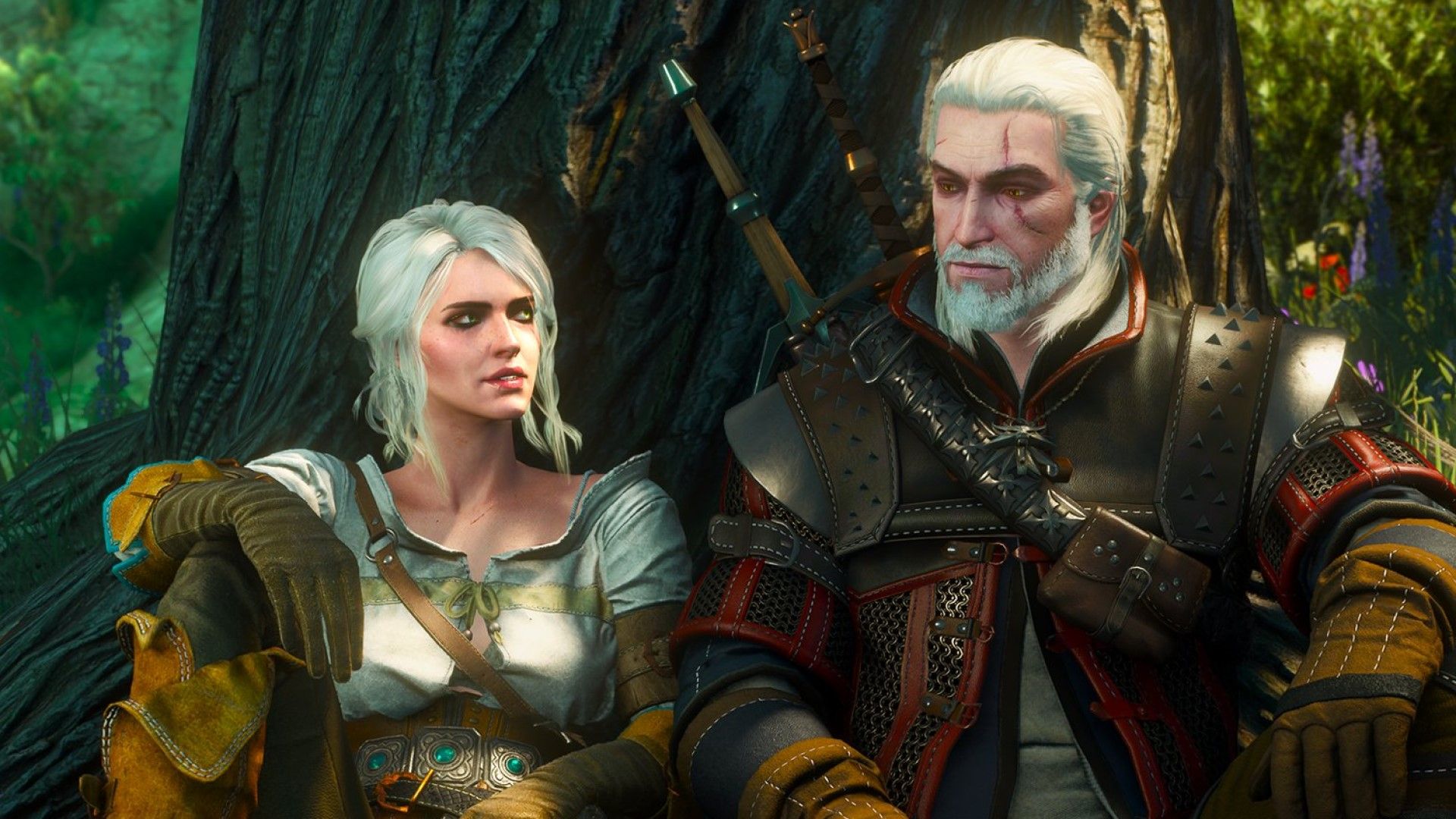
The Witcher 3 is getting an expansion, Songs of the Past, over a decade after its release—along with a pretty hefty remaster. And you might think hey, how is CD Projekt Red working on all of this and The Witcher 4 at the same time? The answer, like many studios, is that it's not doing it alone.
The studio's partnering up with Fool's Theory, a studio led by former CDPR folks, in a sort of cousinly collaboration. When speaking to PC Gamer's Joshua Wolens, Jakub Kutrzuba, an executive producer at CDPR, was asked if it was at all intimidating or scary to share The Witcher 3 with outside studios:
"Yes, yes it is, because we care very much about what we are doing here. Using this analogy of a baby? This is very correct. As a parent, I also think twice about leaving my baby with someone. But I know that there are people over there who are not me, who take the best care ever of them, and I think this is the case here. "
It helps that, as mentioned, Fool's Theory has former CDPR developers on its leadership (the studio was founded by Jakub Rokosz, a senior quest designer at the company). Kutrzuba says: "the fact that we have a really long history with many people from Fool's Theory … that helped a lot, because it's not like we needed to really understand the mindset and philosophy, make sure that we operate on the same level and we have the same aspirations.
"That was [already] clear, so that helped a lot. But it's never easy. Especially when we are thinking about collaborating on something where there is a lot of creative work, we are looking at these studios and the talent from the perspective of the narration. It's not an easy thing to tell a good story … but we would say this is what we want, right?"
In terms of searching for future partners for more projects—which'll be a necessity if they continue to broaden their scope—Kutrzuba says it's all a matter of making sure they've all got some basic assumptions down:
"There are studios over there like us who care about players, who care about what they are doing. It's not just a business for them. They want to do art. We want to do art, yeah? We consider games as art, and not everyone [does] over there.
"We know that having someone who operates in the same mindset is very helpful, because it helps us to be on the same page quicker. So we are also looking for some familiarity here and there, but I think that final part—and this can be maybe even the most important part—is the common understanding of quality.
"Because usually we are aiming very high, and it's so much easier to work with someone when you know that we have the same understanding of some abstract common words like what quality is, what high quality is, what CDPR quality is, what is a good story."
That understanding of story and art really is the main pillar, Kutrzuba insists: "If you don't have that, if you have a different understanding of the same terms, it creates a lot of tension during the development. So we are trying to make sure that before we start, we are partnering with people who understand these basic terms the same way as us."