Nintendo’s Biggest Franchise Since the Turn of the Century Made Its Debut 24 Years Ago And Reshaped Its Genre Forever
When it comes to making lasting, original franchises, Nintendo is one of the best, with the studio creating multiple series integral to gaming as a whole. Whether it’s Super Mario pioneering 2D side scrolling platformers or The Legend of Zelda establishing classic action-adventure tropes, Nintendo’s main franchises have created impactful legacies. One series in particular built a sub-genre all on its own, and one of the most popular avenues of gaming for any type of audience.
The development of home consoles was a big trend in gaming back around the late 90’s and early 2000’s, with titles like Xbox’s Halo: Combat Evolved making a huge push forward. Local play at home was becoming the ideal way to experience games, with family or friends sharing in co-op or competitive split-screen multiplayer elevating some titles depending on who you asked. Although single player games were still dominant during this time period, the rising emphasis on more relaxing simulations rather than intense FPS games or RPGs helped shape one of Nintendo’s best series.
Animal Crossing Released In 2002 Around North America To Establish Nintendo’s Cozy Game Franchise
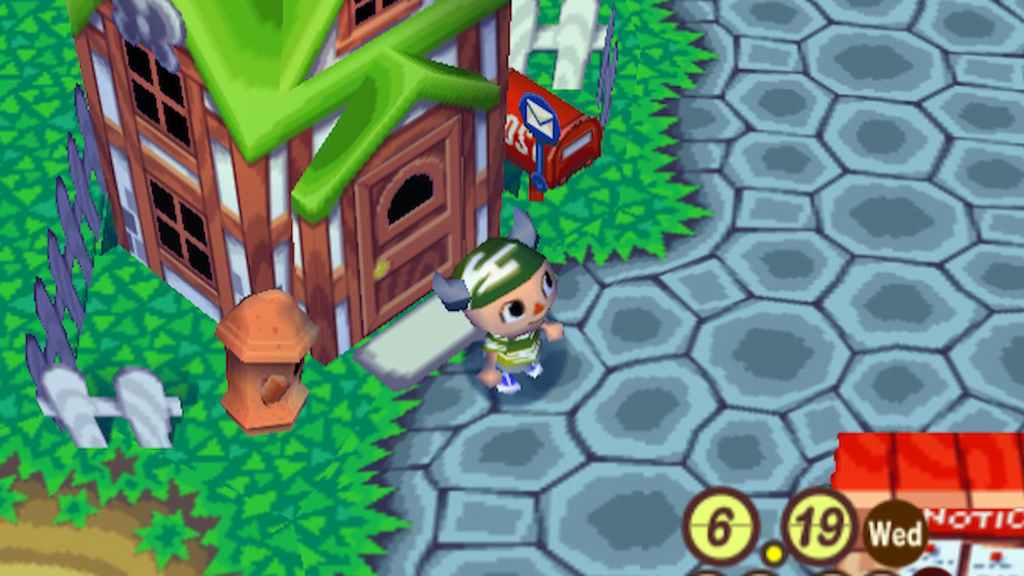
Released for the Nintendo GameCube in September 2002, the first Animal Crossing came to North America at this time to revolutionize cozy sims everywhere. In fact, this title can be considered the starting point on “cozy” games in general, inspiring others like Stardew Valley, Terraria, and even less comparable games like Subnautica and its sequel. Animal Crossing is undoubtedly one of Nintendo’s biggest franchises right now, with Animal Crossing: New Horizons coming out in 2020 and selling well over 50 million copies in its life cycle.
At the time, Animal Crossing was far different from other simulation games, as it emphasized customization and communication rather than using traditional RPG-like mechanics. Similar to The Sims that released in the year 2000, Animal Crossing allowed players to explore an island sandbox and build around it however they liked, with progression being tied more to personalized goals on top of some very broad objectives. There was no real “genre” for Animal Crossing when it came out, as its initial design was a big departure from initial testing.
At first, Animal Crossing was a game where players teamed up with animal companions to fight enemies and solve puzzles in dungeons, acting like The Legend of Zelda with more cartoonish elements. However, over time, Nintendo had to shift the game’s premise due to hardware delays and restrictions, so Animal Crossing was changed to promote communication and dropped combat entirely. The limitations of standard game cartridges meant that Animal Crossing worked better as a real-time game where players could interact with a community, changing a singular landscape rather than having to change it over and over for multiple dungeons.
Nintendo’s “Communication Game” Fostered Player Creativity Rather Than Enforcing Tense Decision Making
Nintendo struggled to define the first Animal Crossing for some time, even as it entered North America with significant appeal. For the most part, Animal Crossing was described as a “communication game,” with players being encouraged to interact with NPC villagers within the shared sandbox they played in. This extended to playing with other people in the same Village, helping it grow and change through community efforts. This would evolve into the extravagant islands and villages built masterfully by creative players in future Animal Crossing games.
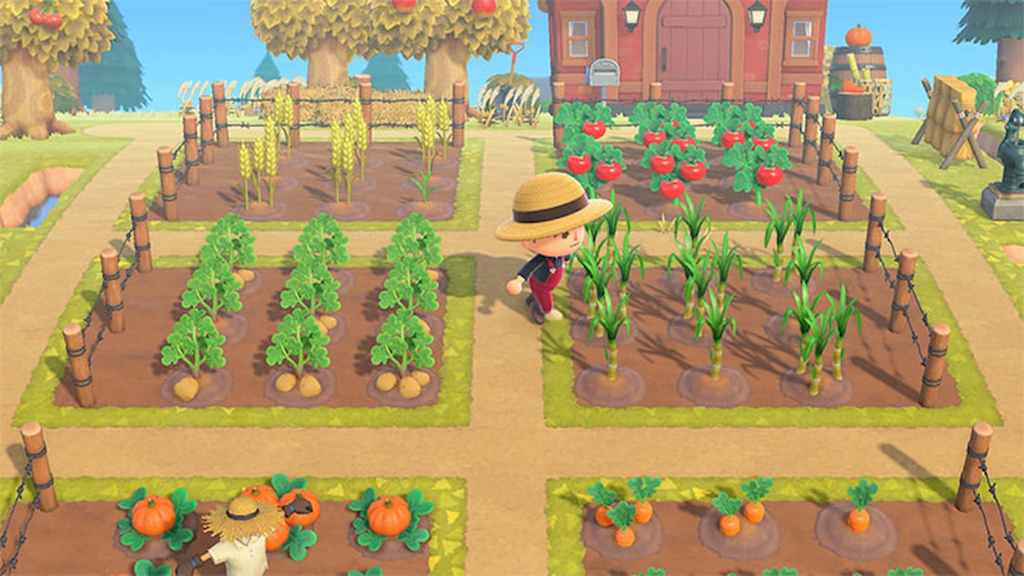
Writing messages to other players, talking to animals, and simply communicating with others was a big selling point of Animal Crossing. Players made their own goals, such as creating a functional farm, then communicated that effort to others to figure out how to accomplish that goal best. When done, players could show off the farm they made to others, and perhaps use its crops to progress forward or fuel some other self-driven mission of theirs. The open-ended nature of Animal Crossing‘s gameplay was quite inventive, with sandbox environments and social simulation at the forefront rather than RPG party building.
Animal Crossing Remains One Of Nintendo’s Best Selling IPs By Giving Players Even More Control Over Its Sandbox

Even compared to Super Mario, Metroid, The Legend of Zelda, or other Nintendo franchises, Animal Crossing remains one of the highest selling in the company’s library. The aforementioned success of Animal Crossing: New Horizons has seen that game continue to receive support even in 2026, a fact reflected in other cozy games that have seen the same popularity. Animal Crossing spawned many different open-ended sandboxes for players to personalize their own worlds, especially as the series built on and evolved from its original entry.
Animal Crossing got better by giving players more of a role in the sandbox community they were part of, going so far as to be a new mayor or island representative. This gave players more control over the Villagers that appeared in their sandboxes, letting them retain their favorite characters instead of them leaving suddenly as they did in the first Animal Crossing. Players were also given more ways to terraform the landscapes of their worlds, and given more complex crafting options so their self-imposed goals required more steps.
The heavier customization of later series games expanded what players could do, allowing them to sink more hours into a title’s sandbox. The meticulous design of some sandboxes have been truly impressive over the years, reflecting how invested players can get to make the perfect worlds reflective of their preferences. In that regard, Animal Crossing has some of the best player expression of any Nintendo franchise, easily keeping it relevant over twenty years since it released for wider audiences.