12 Essential Horror Movies To Watch From The 12 Greatest Horror Directors Of All Time
With the likes of Obsession and Backrooms sending shock waves through the film industry and breaking all kinds of records at the box office, the horror genre has arguably never been stronger this century than it is right now. But horror would not be what it is in contemporary cinema without the immense contributions of extraordinary filmmakers, who, over the course of the last century, have masterminded some of the greatest horror movies of all time.
The first horror movie in history is widely regarded to be The House of the Devil, a French silent film from director Georges Méliès which featured demons, ghosts, witches, and a haunted house released in 1896. The turn of the century saw trick films, short silent movies with innovative visual effects, and adaptations of classic Edgar Allen Poe stories dominate the horror genre, before a wave of German expressionist cinema gave rise to the likes of The Cabinet of Dr. Caligari and Nosferatu.
From there, the 1930s and 1940s were characterized by Universal Studios’ popular depictions of iconic creatures, such as Frankenstein's Monster and Dracula, while the 1950s capitalized on Cold War anxieties by embracing sci-fi horror. The 1960s and 1970s saw the horror genre shift into more psychological and occult territory, with the likes of Psycho and The Exorcist scaring audiences with more than just frightening visuals.
Then came the slasher booms of the 1970s and 1980s, after which meta-horror took over in the late 1990s in the form of Scream and J-horror surged, driven by hits such as Ring. Found footage and elevated horror featuring social allegories define much of the 2000s, which has seen horror movies like Get Out and Weapons earn coveted Academy Awards.
Throughout the history of horror, a select few filmmakers have stood apart from the rest as engineering a number of exquisitely crafted and enduringly influential fright fests. And among the illustrious filmographies of these filmmakers, there are a few films that stand out as the pinnacles of their work. With horror enjoying such a resurgence in recent years, now is the perfect time to look back at the long history of the horror genre, identify its greatest filmmakers, and pinpoint their most essential works.
Wes Craven - A Nightmare On Elm Street

Any conversation about legendary horror directors has to include at least a note of Wes Craven. The prolific guru of gore and sultan of shock directed key horror movies across three centuries and is responsible for kickstarting two of the most popular horror franchises of all time. From The Last House on the Left to The Hills Have Eyes to the Scream series and beyond, Craven’s contributions to horror are innumerable, but the most essential of his works has to be A Nightmare on Elm Street.
In 1984, Craven introduced the world to a new horror icon in the form of Freddy Krueger in a film that made the very act of sleeping at night or going for a nap something to fear. A clever premise about the blurry lines between dreams and reality allowed Craven to toy with audience perceptions and craft unforgettable nightmare sequences, while the juxtaposition of Freddy’s horrifying appearance and strangely hilarious behavior made for a deft, chilling blend of horror and humor.
With the exception of its admittedly silly final note, A Nightmare on Elm Street is a near-perfect and supremely polished horror movie, one that left an imprint on the horror genre.
John Carpenter - Halloween
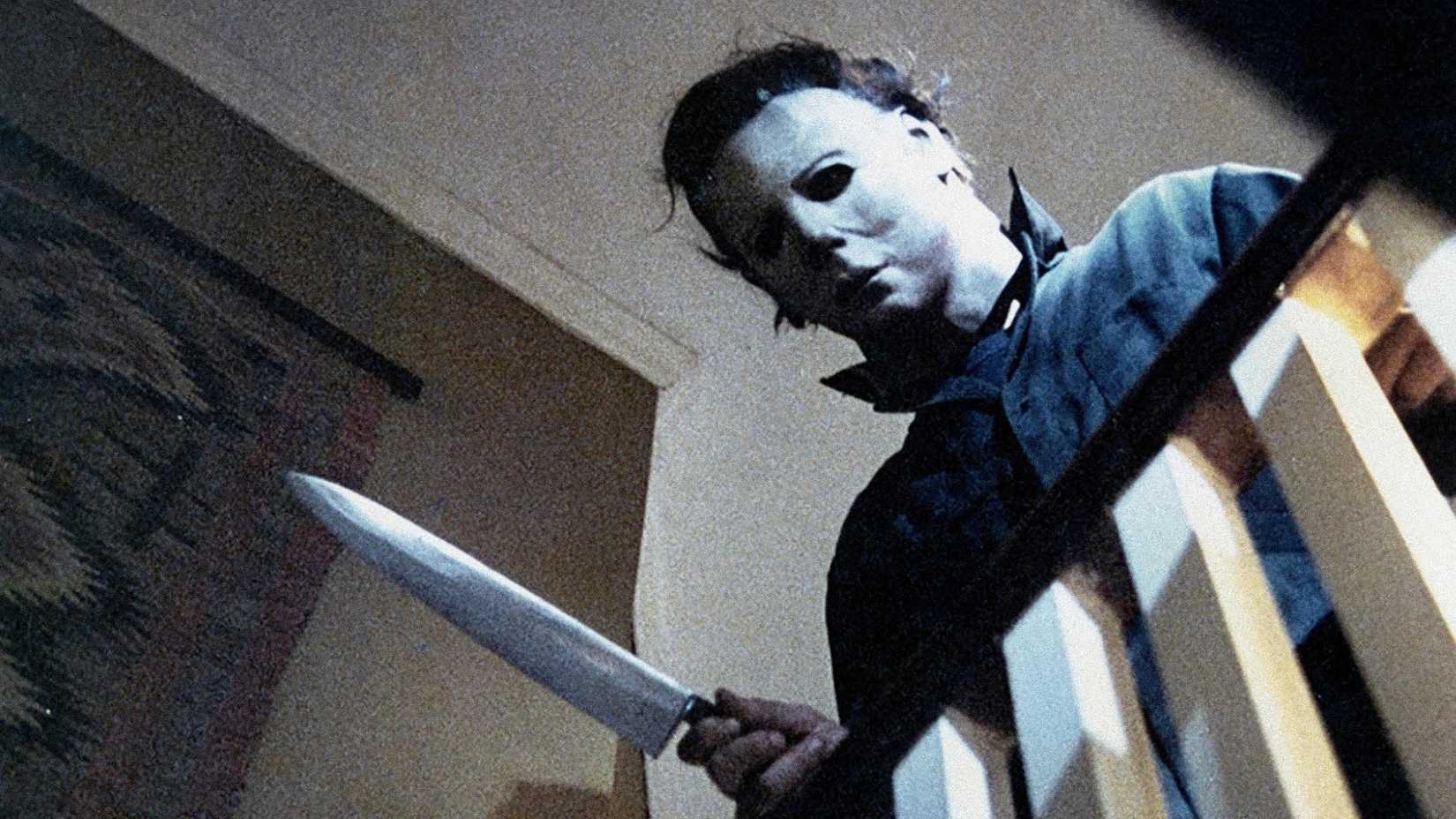
It is difficult to select the most essential horror movie amidst the filmography of John Carpenter, such is the quality and quantity of contributions the master of horror has overseen. But, even with the likes of The Thing and The Fog in his resume, no film of Carpenter’s matches the blissful simplicity and unbearable tension of 1978’s Halloween.
Halloween single-handedly gave rise to an entire sub-genre (i.e., slashers) that took over horror for years to come. Carpenter’s iconic score remains the greatest, goosebumps-inducing horror movie music of all time and is recognizable even to those who have never seen a Michael Myers film. Carpenter brings extraordinary skill and thought to every shot composition and camera movement - anything and everything on screen has a purpose and contributes to just how atmospheric his film is. Carpenter deconstructed the myth of suburban safety by letting a vicious icon of horror cinema loose on a town ignorant of the threat before them.
In turn, Carpenter turned mundane suburban neighborhoods into the place of nightmares, while also giving Jamie Lee Curtis the stage to create the most essential final girl in horror history.
David Cronenberg - The Fly
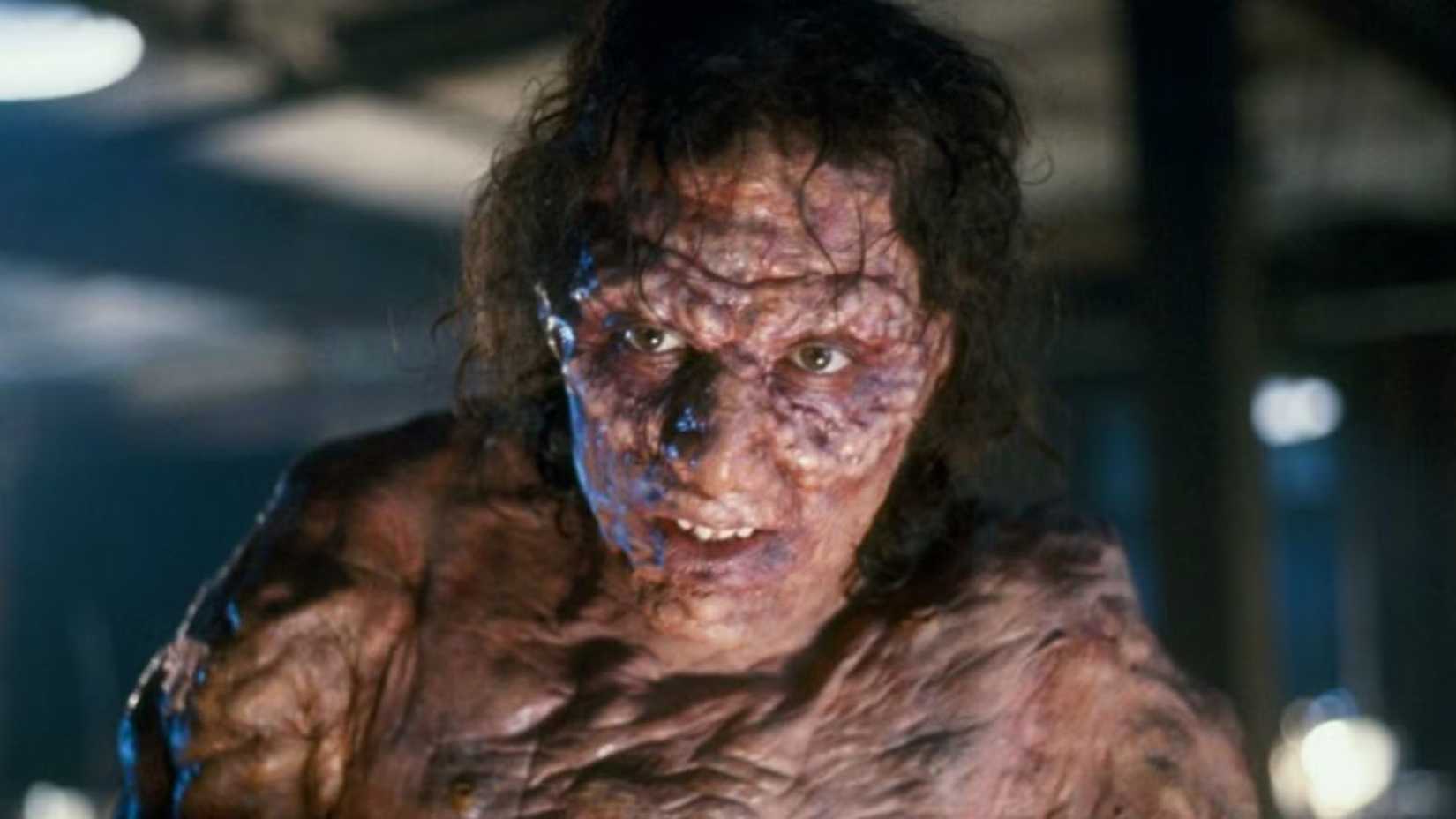
David Cronenberg is regarded as one of the founders of the body horror genre and is responsible for some of cinema’s most disturbing visuals over the past 50 years. The apex of Cronenberg’s career, however, comes in the form of The Fly, the Academy Award-winning 1986 sci-fi body horror movie.
Featuring a tagline (i.e., “Be afraid. Be very afraid”) that has since become a piece of pop culture unto itself, The Fly is a rare remake that surpasses its original in almost every way. Shocking with its inventive visuals, yet touching with the romance at the heart of its story, Cronenberg’s film fuses its scares and heart with commentary about disease, terminal conditions, aging, and AIDS, the latter of which was particularly resonant given the film’s release coming amidst the HIV/AIDs epidemic.
Far more than just a gross out horror movie, The Fly finds Jeff Goldblum delivering the finest performance of his career and body horror master Cronenberg crafting one of the 1980s’ defining films.
Dario Argento - Deep Red

Italian filmmaker Dario Argento rightfully earned the moniker ‘Master of the Thrill’ due to his contributions to the horror and giallo genres throughout the 1970s and 1980s. Few horror directors in history have directed, not one, but two classic horror trilogies, with Suspiria, the first installment of his ‘Three Monsters’ trilogy, widely regarded as one of the greatest Italian horror movies of all time. Despite his impressive work on that film, however, Argentino’s most resounding success is a defining entry of giallo cinema.
Deep Red smashes together Agatha Christie-esque whodunnit and prototype slasher with an intricately woven mystery and visceral, striking camerawork and visual compositions. The identity of the murder remains a mystery until the very end and the murders committed by the black leather glove-wearing killer are as graphic as they are inventive. Those unfamiliar with Argento’s work or giallo cinema will find the perfect entry point into both with Deep Red.
Alfred Hitchcock - Psycho

The Master of Suspense directed over 50 movies, many of which are considered some of the greatest of all time. Rebecca, Shadow of a Doubt, Lifeboat, Rear Window, The Birds, Vertigo, North by Northwest. The number of iconic films under Hitchcock’s belt are seemingly infinite, yet his work on 1960’s Psycho remains his finest achievement.
Simply put, Psycho is the kind of movie that needs to be seen to be believed. Its visuals, in particular the unforgettable shower scene, and Bernard Herrmann’s screeching score have become common knowledge, existing far beyond the reaches of cinema history.
Palpably tense in its atmosphere, shocking with twists in its first and third acts, and impressive with its performances, Psycho finds Hitchcock at his most nerve-racking and exciting, almost exclusively due to his expert framing and cultivation of effective tension.
George A. Romero - Night of the Living Dead
Regarded as the “father of the zombie film,” George A. Romero made a trio of zombie movies from 1968 to 1985 that are easily three of the best the subgenre horror has to offer. Other movies, such as Creepshow and The Crazies, in addition to his anthology series Tales from the Darkside, meant that Romero had a massive impact on the cultural image of horror movies and easily cemented his status as one of the genre’s finest contributors.
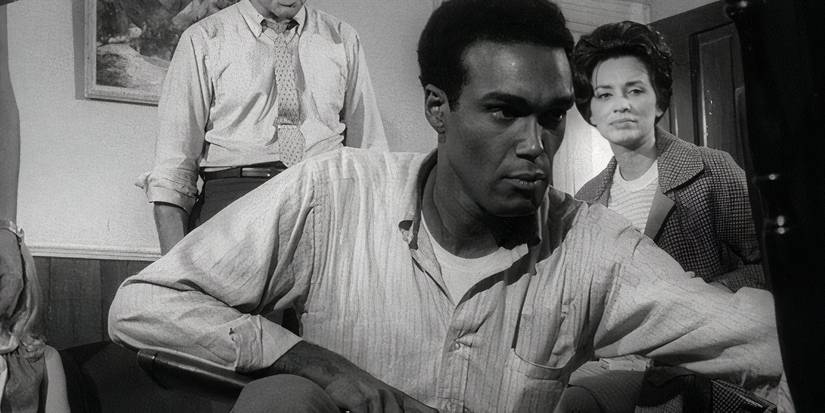
For as impressive as his works over the span of many decades were, Romero’s best and most essential film came at the very beginning of his career with Night of the Living Dead. The 1968 film laid the foundation for every zombie movie and television series to follow by providing the definitive take on the undead.
But it’s through its fusion of slow dread and subtle social commentary that makes Night of the Living Dead the masterpiece that it is. Casting Duane Jones, a Black actor, in the lead role was a game changer in movie history and amplified Romero’s exploration of the social and cultural changes in the U.S. during the 1960s.
Sam Raimi - Evil Dead 2

Sam Raimi is a name synonymous with horror classics, such is the remarkability of his contributions to the genre over the decades. Producing and/or directing some of the finest horror movies ever made, it is the sequel to Raimi’s first theatrically released feature film that best encapsulates why the filmmaker is as beloved as he is.
Raimi essentially remade The Evil Dead with Evil Dead 2, albeit with decidedly more imagination and kinetic visuals. If The Evil Dead is a horror movie, Evil Dead 2 is more of a horror-comedy, eliciting laughs and thrills from unabashedly wild and gory visuals.
With groundbreaking visual effects from beginning to end, Raimi showed that laugh-out-loud comedy and horror that makes you want to hide under your seat are not mutually exclusive.
Mario Bava - Black Sunday

Another Italian master of horror, Mario Bava, has to make this list for the integral role he played in the evolution of the horror genre across the 1960s and 1970s. Like Romero, Bava’s most essential piece came at the very beginning of his career.
Marking Bava’s directorial debut, Black Sunday features striking, almost hypnotic black-and-white visuals, extraordinarily atmospheric production design, and a superb dual performance from leading actress Barbara Steele. With the 1960 film, Bava created the quintessential piece of Italian gothic horror cinema and, despite being his first movie, surprised at just how confident and complex his camera movements were.
Guillermo del Toro - Pan's Labyrinth
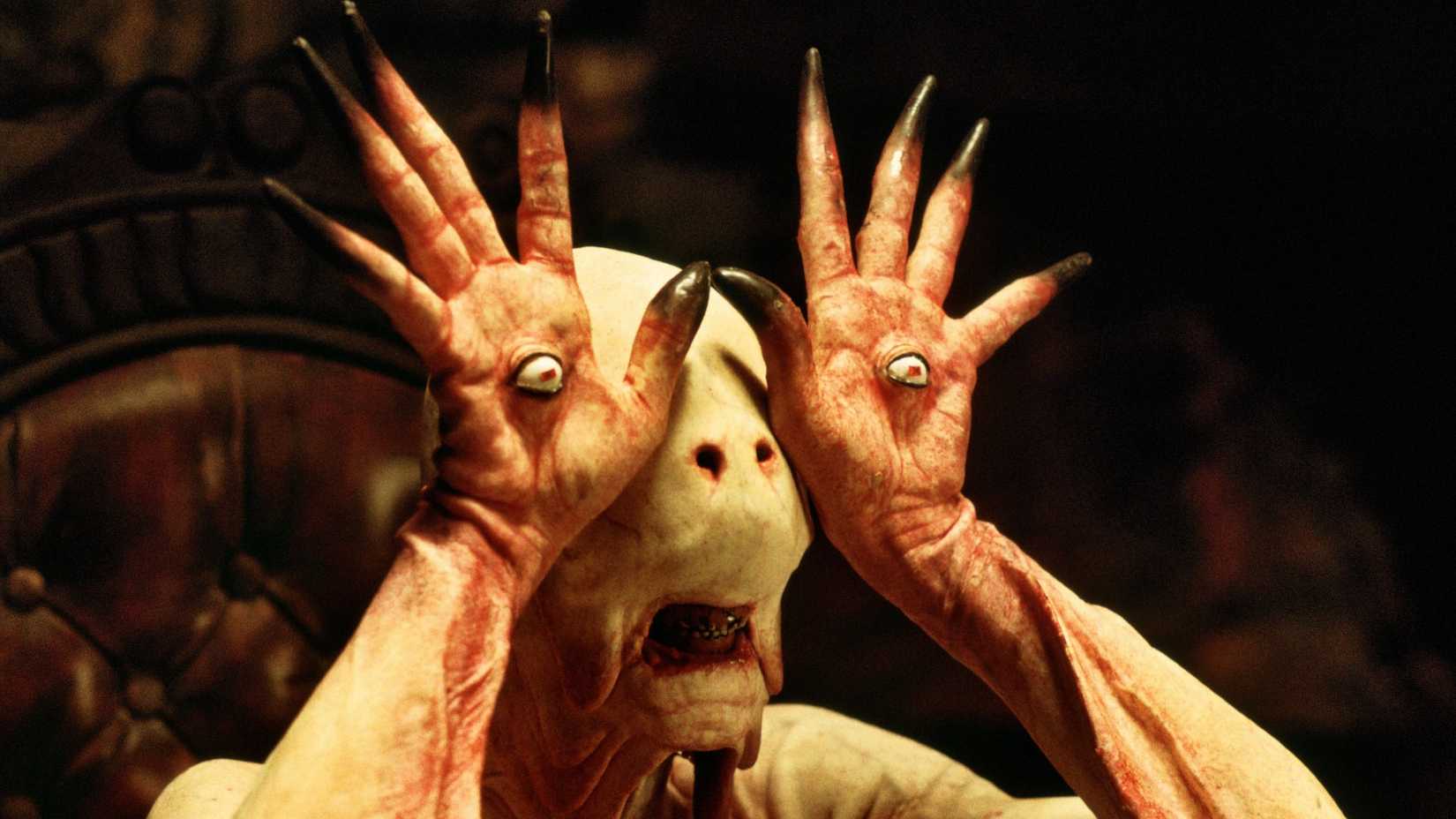
Guillermo del Toro is one of the greatest directors working today and, to date, each and every one of his films has its finger firmly on the pulse of the horror genre. Despite masterfully reimagining Mary Shelley’s Frankenstein last year, making the best ever Blade movie in Blade II, and beautifully fusing romance and horror together in The Shape of Water, del Toro’s essential movie has to be Pan’s Labyrinth.
del Toro’s 2006 film excels in finding horror through both its visuals and themes. The sadistic cruelty of human fascism goes hand-in-hand with a terrifying mythical underworld, featuring one of the horror genre’s most iconic visuals in the Pale Man. Exploring themes of power and obedience with nuance and empathy, del Toro intelligentlly wraps his movie on an ambiguous note that leaves the audience thinking, while populating his work with stunning practical effects that leave a lasting, disquieting impression.
Terence Fisher - Horror Of Dracula
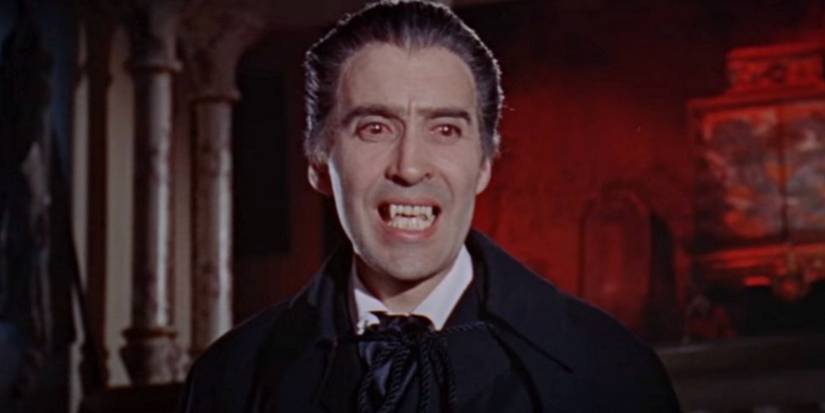
Terence Fisher revolutionized the horror genre in the 1950s and 1960s with his work for Hammer Films. Breathing new life into the likes of Frankenstein, The Mummy, and Dracula after the iconic portrayals in classic Universal Monster movies was no small feat but something the prominent English filmmaker excelled in, while simultaneously launching the careers of legendary actors Peter Cushing and Christopher Lee.
Horror of Dracula retells Bram Stoker’s iconic vampire story with vibrant Technicolor, dark sexuality, and imposing, animalistic titular performance from Christopher Lee. The juxtaposition between Lee’s brooding, silent monster and Peter Cushing’s articulate and cunning vampire hunter makes for a great clash, filled to the brim with rich red blood and beautifully atmospheric indoor sets.
Hammer Films had a massive impact on the horror genre, but there is arguably no film from either Hammer Film nor its hallmark director Terence Fisher that captures the brilliance of both than Horror of Dracula.
James Wan - Saw
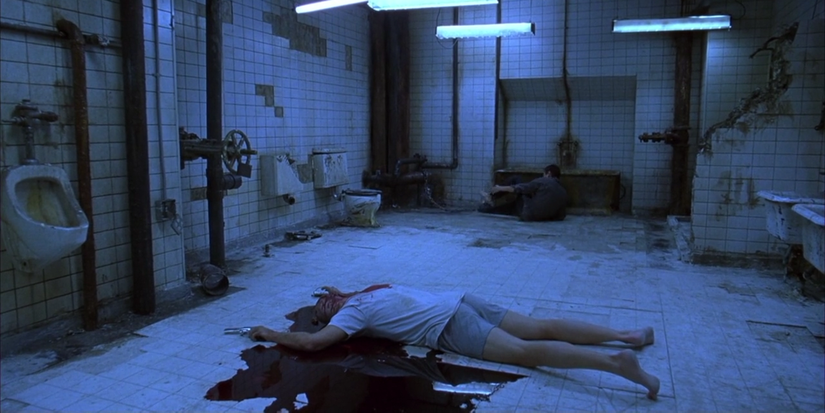
A modern master of horror, James Wan has had his hands on some of the century’s pieces of horror cinema, making it difficult to pinpoint his essential work. Yet, much like many of the other directors on this list, Wan’s finest horror movie arrived at the inception of his career with 2004’s Saw.
Featuring one of the greatest plot twists / reveals in horror movie history, Saw redefined horror in the early 2000s with an inventive premise, creative death traps, fascinating moral questions, and two new horror icons in the form of John “Jigsaw” Kramer and Billy the Puppet. Saw works as well as a mystery as it does as a horror movie and gave rise to one of the most successful franchises in horror history, a testament to the excellence of the series’ first installment.
James Whale - Bride Of Frankenstein

James Whale stands as one of the most influential horror directors of the early sound era, bringing a distinctive blend of gothic atmosphere, dark comedy, and genuine emotion to Universal’s growing collection of monster films. His work helped turn characters like Frankenstein’s Monster and the Invisible Man into some of cinema’s most enduring figures, while his expressive visual style and willingness to find humanity within his monsters gave his films a personality that many horror movies of the period lacked. Whale understood that horror could be both frightening and entertaining without sacrificing emotional depth, making his contributions to the genre just as important for their character and style as they were for their scares.
Bride of Frankenstein represents the height of Whale’s filmmaking, expanding upon the original Frankenstein with a more ambitious story and a greater emphasis on the Monster’s loneliness and desire for companionship. Boris Karloff’s sympathetic performance gives the character an unexpected emotional weight, while Elsa Lanchester’s unforgettable appearance as the Bride has become one of the defining images of classic horror cinema.
Combined with Whale’s elaborate laboratory sets, haunting black-and-white photography, and eccentric sense of humor, the film feels remarkably inventive even decades after its release. Frankenstein may have introduced Universal’s most famous monster, but Bride of Frankenstein is arguably the film that best captures James Whale’s unique vision and remains his most essential contribution to horror.