8 Greatest Movie Epics Of The 1960s (#1 Is A 7-Hour Masterpiece)
The 1960s were arguably the golden age of the cinematic epic. Studios poured enormous budgets into sprawling productions that transported audiences across deserts, battlefields, ancient civilizations, and entire continents. Long before franchises dominated multiplexes, filmmakers relied on massive practical sets, thousands of extras, and ambitious storytelling to create spectacles that simply couldn't be replicated on television.
A great movie epic isn't just about scale, though. The best films of the decade combined breathtaking visuals with memorable characters and stories that were still compelling even when running well over three hours. Whether adapting classic literature, dramatizing historical events, or reinventing genres like the Western, these movies proved that bigger could also mean better.
The decade produced some of Hollywood's most iconic achievements, from lavish historical dramas to groundbreaking war films and international masterpieces. Many of them remain influential today, inspiring directors ranging from Steven Spielberg to Christopher Nolan. Their imagery, performances, and storytelling techniques continue to be referenced decades later.
Ranking them is no easy task, especially because each approached the idea of an epic differently. Some relied on spectacle and pageantry, while others found grandeur in character-driven storytelling. Still, a handful stand above the rest, representing the absolute pinnacle of large-scale filmmaking from one of cinema's most ambitious eras.
Cleopatra (1963)

No movie better embodies the excess of 1960s Hollywood than Cleopatra. Directed by Joseph L. Mankiewicz and starring Elizabeth Taylor, Richard Burton, and Rex Harrison, Cleopatra became infamous for its enormous production costs, elaborate sets, and behind-the-scenes drama.
Cleopatra’s recreation of Ancient Egypt and Rome is still astonishing, particularly Cleopatra's grand entrance into Rome, one of the most extravagant sequences ever filmed. Taylor's performance gives the legendary queen a commanding presence, while Burton and Harrison bring gravitas to Mark Antony and Julius Caesar.
However, despite its visual splendor, Cleopatra struggles under its nearly four-hour runtime. The spectacle occasionally overshadows the storytelling, preventing it from reaching the emotional heights achieved by the films ranked above it. Nevertheless, Cleopatra is one of the decade’s greatest achievements.
Doctor Zhivago (1965)
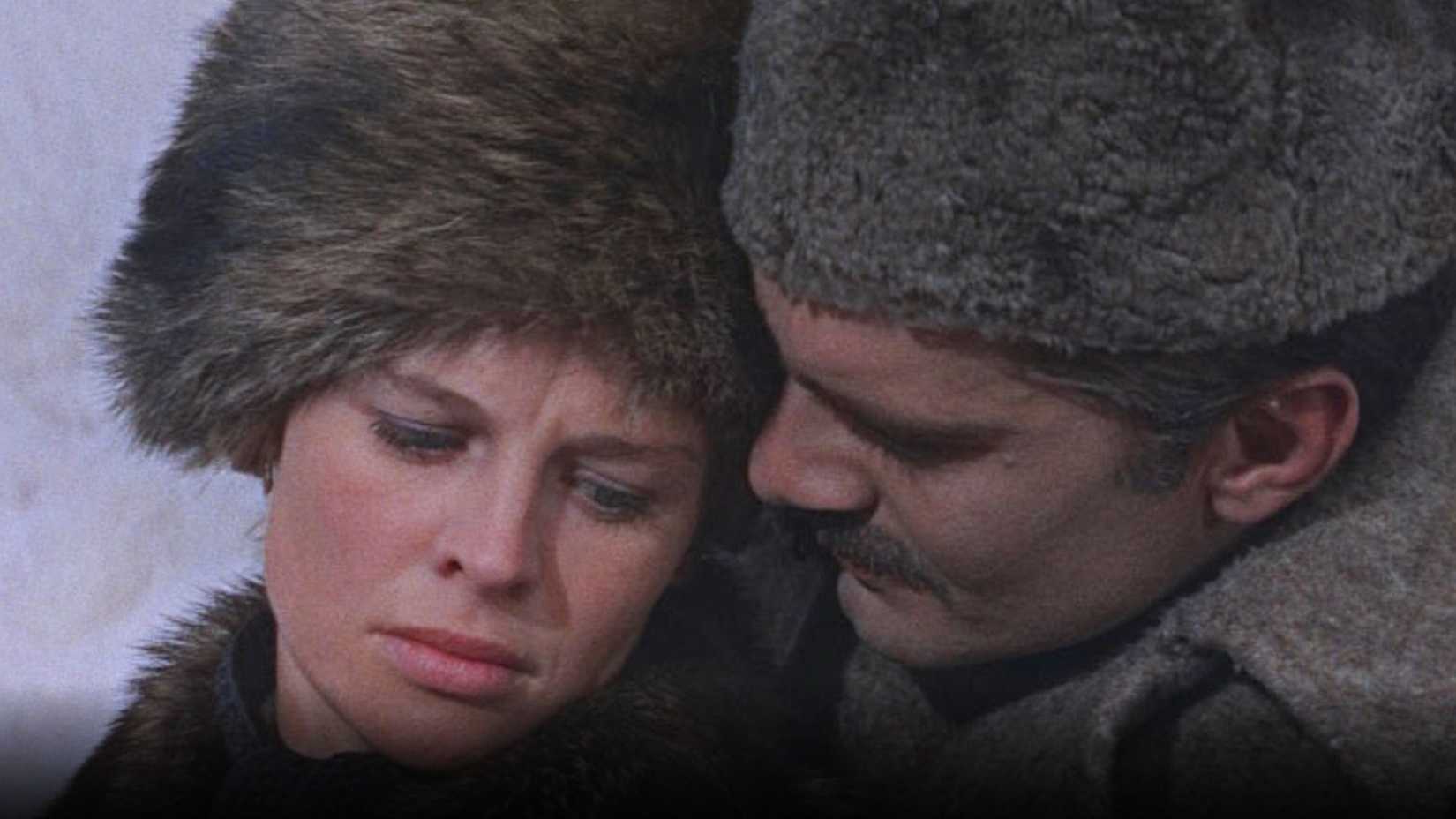
David Lean's Doctor Zhivago transformed Boris Pasternak's novel into a sweeping romantic epic set against the backdrop of the Russian Revolution. Omar Sharif stars as Yuri Zhivago, a poet and physician caught between political upheaval and his love for Lara, played by Julie Christie.
Doctor Zhivago’s snowy landscapes are among the most beautiful images ever captured on film. Maurice Jarre's "Lara's Theme" became one of cinema's most recognizable musical compositions, perfectly complementing the story's melancholy tone.
While the romance is incredibly compelling, the political and historical complexities of the era are sometimes simplified. Even so, Lean's mastery of scale and atmosphere makes Doctor Zhivago one of the defining epics of the 1960s, ultimately earning five Academy Awards.
Spartacus (1960)

Stanley Kubrick's Spartacus elevated the sword-and-sandal genre into something substantially more weighty. Kirk Douglas offers a career-defining performance as the rebellious gladiator who leads a massive slave uprising against the Roman Republic.
Spartacus features some of the most spectacular battle sequences of the genre, including the climactic confrontation between Spartacus' forces and the Roman legions. The famous "I'm Spartacus!" scene is still one of the most celebrated and memorable moments in movie history, referenced and parodied in everything from Lolita to The Life of Brian.
Spartacus’s combination of action, political themes, and emotional storytelling helped distinguish it from other historical epics. However, Kubrick's limited creative control and the occasionally conventional structure keep it just outside the upper tier of the decade's greatest achievements – though it still stands firmly among them.
The Great Escape (1963)

Based on a true story, The Great Escape transforms a World War II prison break into one of cinema's most entertaining epics. Directed by John Sturges, The Great Escape assembles an extraordinary ensemble cast that includes Steve McQueen, James Garner, Richard Attenborough, Charles Bronson, and Donald Pleasence.
The Great Escape excels because it balances large-scale storytelling with memorable individual characters. Every stage of the prisoners' elaborate escape plan is laid out, making it feel notably exciting and meaningful. McQueen's motorcycle chase has become one of the most iconic action sequences ever filmed, while the music is some of the most recognizable in movie history.
Unlike many war epics, The Great Escape focuses less on combat and more on ingenuity, resilience, and camaraderie. Its combination of suspense, humor, and emotion has ensured its enduring popularity all these years later.
Once Upon A Time In The West (1968)
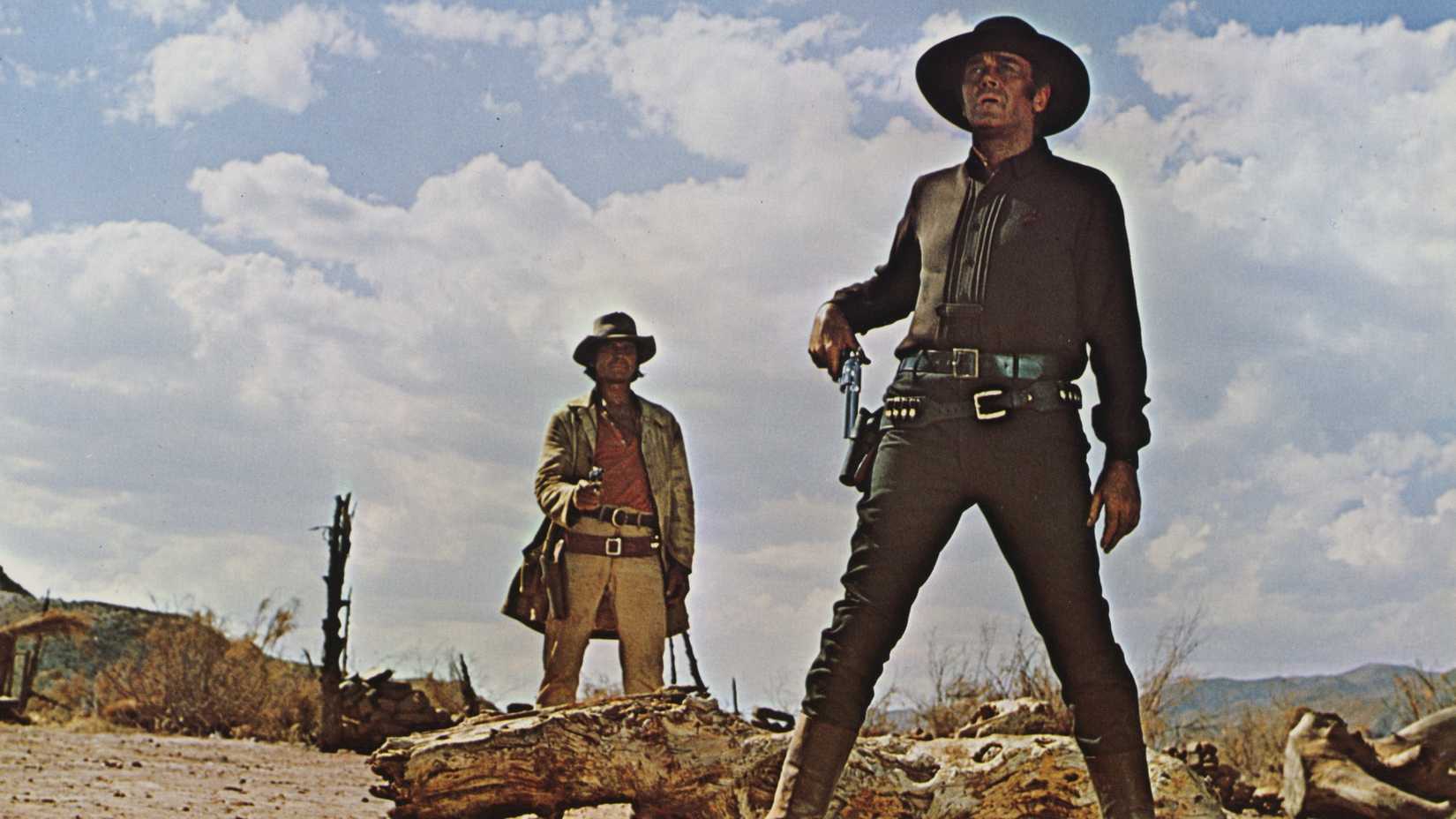
Sergio Leone's Once Upon a Time in the West redefined the Western epic. Set during the dying days of the American frontier, it stars Henry Fonda, Charles Bronson, Claudia Cardinale, and Jason Robards.
Leone transforms familiar Western imagery into operatic cinema, crafting what many consider one of the greatest spaghetti Westerns ever. Every close-up, every stare, and every gunfight feels monumental. Fonda's casting as the ruthless Frank was particularly inspired, subverting audience expectations by turning one of Hollywood's most beloved heroes into a truly despicable villain.
Amazingly, Universal Pictures cut Once Upon a Time in the West down to around 140 minutes before its US release and it subsequently flopped. However, the full-length version was released abroad to enormous success, prompting a re-evaluation in the US and a new edit to be released.
Lawrence Of Arabia (1962)

Many filmmakers consider Lawrence of Arabia the ultimate cinematic epic. David Lean's masterpiece chronicles the life of T.E. Lawrence, played by Peter O'Toole in a towering performance that instantly made him a star. The staggering desert photography, in particular, is still utterly breathtaking more than sixty years later.
Lean captures the vastness of the Arabian landscape with extraordinary precision, composing images that are still studied by filmmakers today. The famous match-cut transition alone is an absolute masterclass in visual storytelling and editing.
Yet Lawrence of Arabia is far more than just spectacular vistas, it is also buoyed by distinctive psychological complexity. Lawrence is presented as both hero and deeply flawed individual, making the story as fascinating emotionally as it is visually. Numerous acclaimed directors have cited it as greatly influencing their careers and style, including Martin Scorsese. Ridley Scott, and Steven Spielberg – who specified it as his favorite movie.
The Good, The Bad And The Ugly (1966)
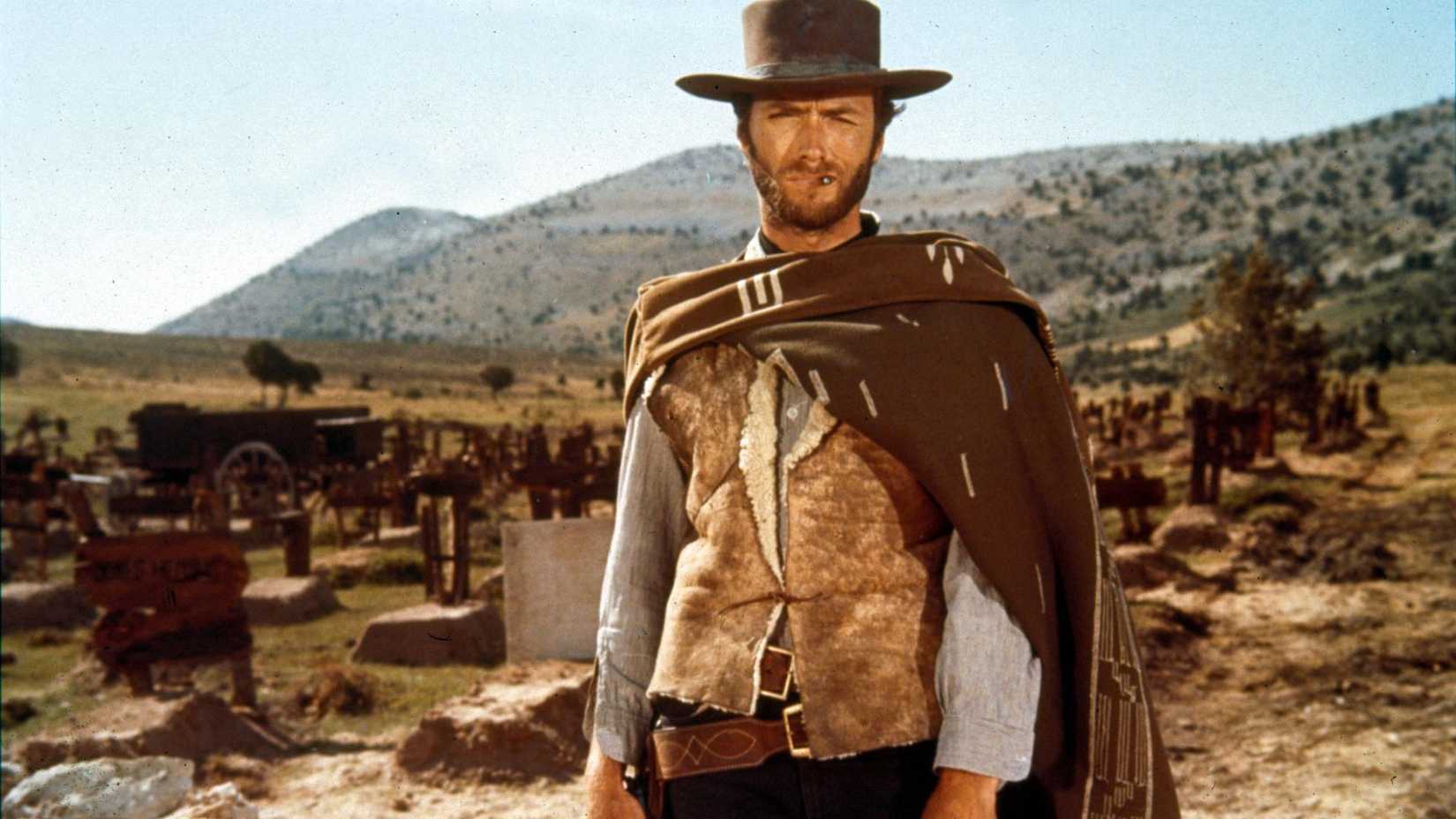 Image by INSTARimages.com
Sergio Leone's masterpiece The Good, the Bad, and the Ugly is the definitive spaghetti western as well as one of the greatest epics ever made. Clint Eastwood, Lee Van Cleef, and Eli Wallach play three morally questionable gunslingers racing to find hidden Confederate gold during the American Civil War.
The Good, The Bad And The Ugly constantly expands in scope throughout, moving from intimate standoffs to massive battlefields. Leone's direction builds tension with unparalleled confidence, culminating in the legendary three-way duel at Sad Hill Cemetery.
Ennio Morricone's unforgettable score has become permanently embedded in popular culture, producing some of the most recognizable and celebrated film music ever. While the iconic opening theme is perhaps more famous, the stunning cemetery scene ensured Morricone would forever be celebrated as one of the greatest movie composers. Few films combine style, scale, and entertainment value so effortlessly.
War And Peace (1965–1967)

No 1960s epic surpasses Sergei Bondarchuk's War and Peace. Adapted from Leo Tolstoy's monumental novel, the Soviet production remains one of the most ambitious filmmaking achievements in history. Across four films and more than seven hours, Bondarchuk faithfully captures the personal and historical scope of Tolstoy's masterpiece.
The battle sequences, particularly Borodino, are staggering in scale, utilizing tens of thousands of soldiers and extras. Yet War and Peace’s greatest accomplishment is balancing intimate character drama with massive historical events. Natasha Rostova, Pierre Bezukhov, and Andrei Bolkonsky feel fully realized despite the story's enormous canvas.
War and Peace is criminally under recognized in Western media, often overshadowed by the US historical epics of the era (see above). Yet, many consider it the grandest movie of all time, a feat that many think can never be repeated. Combined with innovative camerawork and astonishing production values, War and Peace represents epic filmmaking at its absolute peak, making it the greatest movie epic of the 1960s.