1666: Amsterdam Is Equal Parts Intriguing And Frustrating
1666: Amsterdam wowed during its Summer Game Fest reveal. Hell, the fact that it wasn’t the Assassin’s Creed Hexe trailer we thought it might be from the first few frames only made me more excited, as it promised a witchy story outside of Ubisoft’s infamous open world formula.
In fact, 1666: Amsterdam is a small game made by a team of (we’re told) 70 developers, who had to fight Ubisoft for the rights to even make it in the first place. The brainchild of Patrice Désilets, 1666: Amsterdam’s rocky development goes back more than a decade, first made for THQ, then Ubisoft directly, and then almost Ubisoft without the involvement of Désilets, before he won the custody battle.
Walking us through actual Amsterdam, Désilets can barely go a few minutes without pointing out a sight from the city that we’ll see in the game, either in 1666 or 1999, the game’s two time periods. He even points out a sign, reading 1666, and says this is the exact spot he first got the idea for the game. I ask where the interest in witches came from, and he says he wasn’t interested in them at all; he’s interested in his witch, Noa.
Having played an hour of 1666: Amsterdam myself and watched another hour played by Désilets, I believe him. 1666: Amsterdam is not a witch game, but a Panache Digital Games game that stars their kind of witch, with their own lore and occult. With lofty narrative and gameplay ambitions, it is a treat to see this project finally be realised - but then all the more disappointing when I can see these ambitions held back by some frustrating decisions made along the way.
1666: Amsterdam Does Witchcraft A Little Differently

1666 Amsterdam stars dual protagonists: Noa and Aaron. As I alluded to, the game jumps between time periods, but mostly between 1666 and 1999. In ye olden days, you play as Noa, a “Collector”. Her mother was a “Giver”, who gifted magic to a select few. That means it is Noa’s job to track these people down and take back the magic, so the next Giver can repeat the cycle.
During Noa’s segments, Aaron is a cat, our familiar. The roles switch when we’re in ‘99, but the gameplay loop remains similar from what we saw - one person walks the mortal world, interacting with humans, while the other sneaks around and helps unlock new paths for the other. It’s a bit like a social puzzle - figuring out how the two of you can navigate through an environment without arousing suspicion.
On the subject of generative AI: I asked Patrice Désilets about how AI assets were found in the demo of 1666: Amsterdam. He said these were placeholders that should have been removed, and have definitely been removed from the rest of the game. I can’t say I spotted any obvious offenders during my time with the game, so hopefully they are gone for good.
Of course, you would have gotten none of this from the demo that was recently made available on Steam. Having played it ahead of the preview (which starts immediately after the demo), it is worlds apart from what everyone else has access to right now. Whereas the demo felt more like a collection of slightly interactable cutscenes, the hands-on preview throws us into combat as witch hunters attack Noa’s coven, finally introducing some action.
In these early hours, combat is basic, but effective - you whack at waves of enemies with a weapon, and roll out of the way of their attacks. Eventually, you’ll either kill them all, or freak them out enough that the stragglers run away.
To stop this combat from being as derivative as it sounds, you can mix things up with various witchy abilities, usually by interacting with the environment. In my first few fights, all I could do was set off explosions, but if I managed to pull that off while there were five goons on me, it could wipe the whole team out in seconds. You do have to position yourself well enough to cast the spell without taking a hit, so it’s definitely not the safer option, but that is the point. Playing it safe is its own strategy, but 1666: Amsterdam does reward risk.
What also helps during combat is the roguelike mechanics. I’ll be the first to say I roll my eyes when I hear a game is implementing roguelike elements, but here, it really works. These are dished out in the form of items you find while exploring. The game’s narrators will debate what the item is (they are reading your story from a book written in a strange language that they are deciphering), and you choose what it does. From then on, you’ll have that upgrade until you find your target - or you’re brought down by witch hunters.
We didn’t get to play around with them in the hands-on preview, but during the hands-off segment, these upgrades looked like they fit into the combat effortlessly. We saw enemies get levitated and petrified with offensive abilities, whereas others could be used to defend Noa. In one instance, an upgrade allowed her to teleport across the map, which can be used to escape enemies if you don’t fancy your chances of fighting them.
The Cat Gameplay Should Be The Star Of The Show - But It’s Just Frustrating
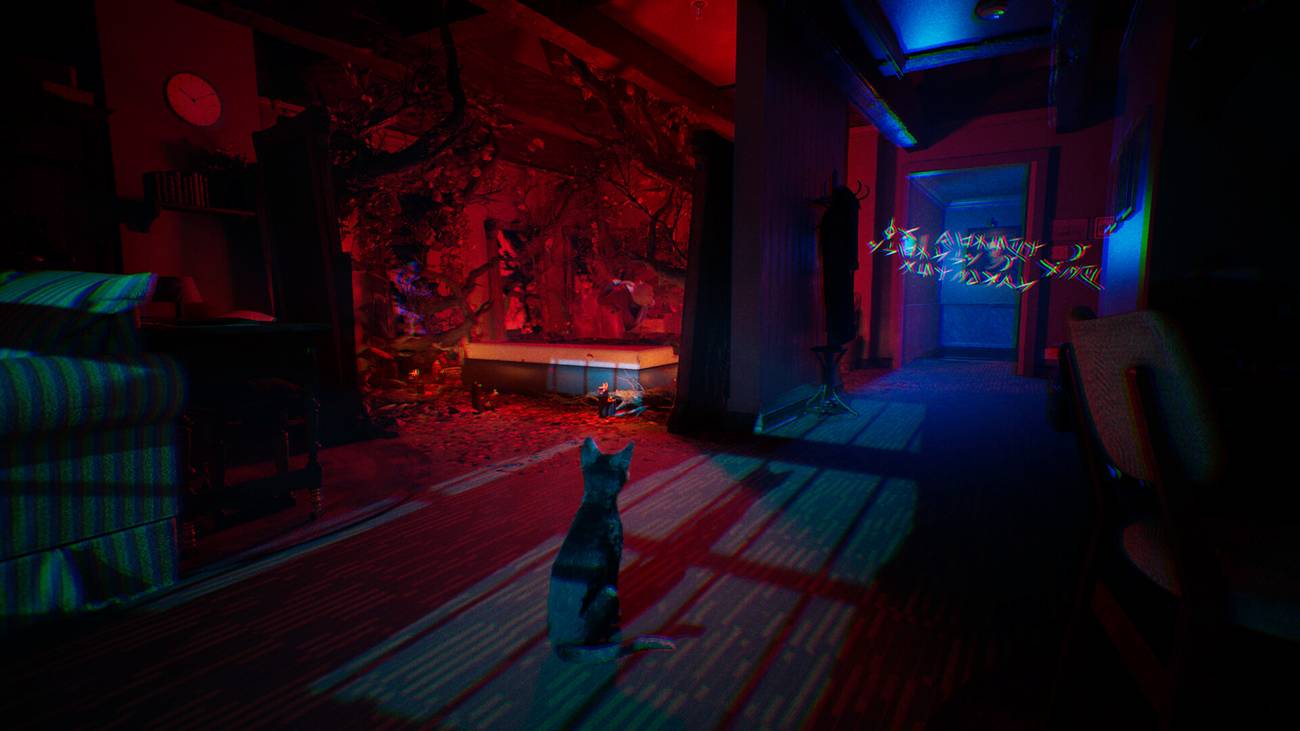
In the preview, Noa and Aaron have just met, so we are introduced to their mechanics. This is where the puzzle elements come in, to mixed results.
Our first mission is to find one of the Originals, people Noa’s mother gifted magic to. This means asking around about a reclusive old man, and then busting our way into his house. He’s keeping himself hidden in the top story, and to get there, you have to switch between Noa and Aaron to find the way.
Aaron’s gameplay is where 1666: Amsterdam hits its first hurdle. Those of you who played the Steam demo likely noted how restrictive and linear the feline segment felt, and that’s still the case in the preview. The same old frustrations remain, with a lack of freedom and platforming that only works if you position yourself just so, leaving you desperately trying to find the spot that makes the jump prompt appear on screen. That means there’s a set, intended way to get through an obstacle, and this isn’t always intuitive.
The unfortunate side effect of this is that, at least in what I played, 1666: Amsterdam punished exploration more than it rewarded it. Solving a puzzle felt more like hitting my head against a wall again and again until I finally found the right order of jumps the game wanted me to do. And it wasn’t just me - many of us in the session were thrown off by the pathing and had to be guided back. I’m not asking for yellow paint guiding our way - just the freedom to try and find our way with ease. The game lets you go into any building you come across, but I’ll feel little incentive to if the controls are this frustrating at launch.
1666: Amsterdam’s World Is Rich, But Static
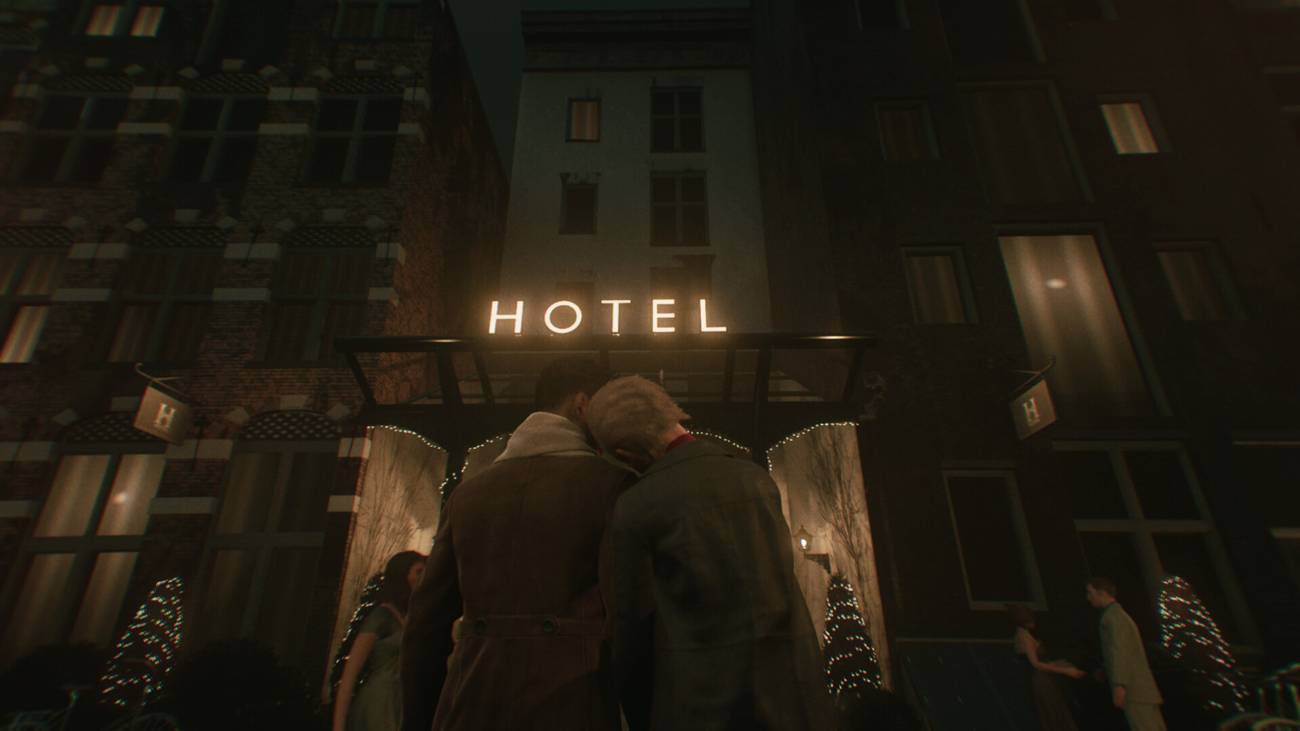
During the hands-off section of the demo, we saw Noa and Aaron explore Amsterdam a little more freely. We’re told that we won’t have a large open world, but rather, we will explore different zones depending on the target we’re after.
This allows for the intricate details we see in the environments, with Panache Digital Games perfectly capturing the bustle and claustrophobia of Amsterdam’s streets. This is where the Ubisoft influences are felt, with the crowds of NPCs often being the barrier between you and a target - even if you know where your mark is, they might be in a building you’re barred from. In which case, you have to get creative with how you approach traversal.
This is what I’m looking forward to playing the most. During the hands-off segment, we saw Noa teleport across rooftops, glide across the water, and use Aaron to get her into areas she can’t reach. One of the most amusing strats was having Aaron enter a party and find an NPC who is scared of black cats. NPCs like this can then be piloted by Aaron (for lack of a better word) and led back to Noa. Noa can then take this person’s arm, and make it appear that she has an invitation to the gathering she is trying to break into.
If you’re caught acting too suspiciously - peeping into people’s homes, or blatantly using magic - NPCs will become suspicious of you. If your suspicion gets too high, then a literal witch hunt is sent after you, and you’re either forced into combat or made to flee back to your hideout.
My only worry is that this all sounds much deeper than it is; if your mind goes to something like Vampire: The Masquerade, you would be wrong. NPCs are, frankly, pretty daft, and you can get away with casting spells right in front of them, so long as you cut it out before your suspicion bar maxes out. Other activities will add to your level of suspicion, like going into restricted areas, but if anything, it just makes it more amusing that fairly mundane shenanigans will land you in the same position as gliding on the water and flying around the streets of Amsterdam.
In other words, the world is beautiful, but static. The people provide an interesting gameplay loop, but they don’t feel like people. Perhaps the NPCs that populate Amsterdam were never supposed to be more than obstacles to overcome, but the lack of depth feels like potential being left on the table.
1666: Amsterdam Is Still One To Watch
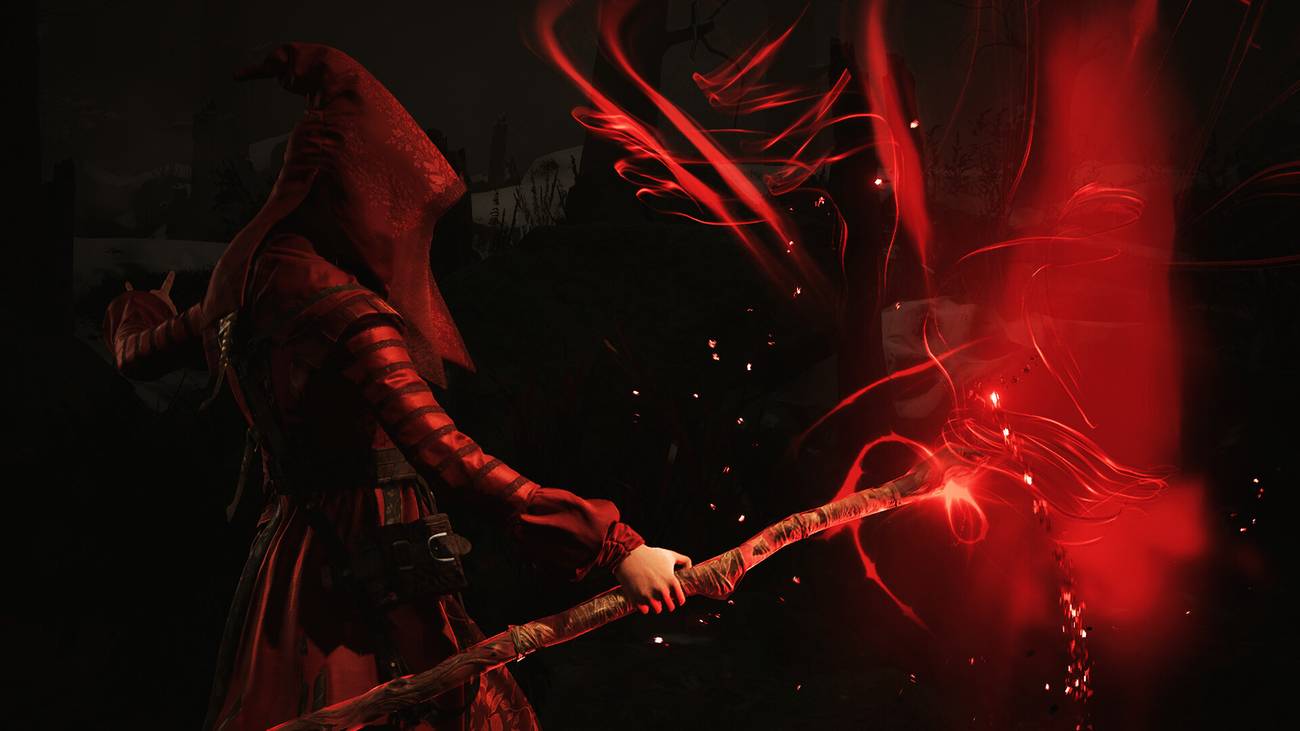
For all of my frustrations in the demo, I saw just enough of the passion behind the project to want to play more. Noa and Aaron's story has gripped me, and if nothing else, I’ll enjoy taking a stroll down these lovingly created riverside streets.
1666: Amsterdam will launch in early access before the full game is made available. We’re told player feedback will be monitored during this time, and I hope that this means the controls can be ironed out and there are more rewards for exploring each zone. For now, I’ll content myself with watching this witchy mystery play out.