Ask the Developer Vol. 23: Fire Emblem: Fortune's Weave — Part 3 - News - Nintendo Official Site
Check out the rest of the interview
Part 3: Experiencing their own journeys
We’ve talked about the world setting and gameplay for Fire Emblem: Fortune’s Weave, and you mentioned that you drastically changed the atmosphere of this game’s setting from that of Fire Emblem: Three Houses. Does that change extend to the music as well? Was the music created with the land of Dagda in mind?
Kusakihara: One of the first songs created for this game was the main theme. Originally, when I was thinking about how to portray an ancient Mediterranean atmosphere and a world with battle arenas, elements such as dry air, the blue sea, and flames of passion that make life itself burn brightly all came to mind. That’s when I thought of a piece called the Theme of Encounter, which has been featured since the very first Fire Emblem game. I felt that, depending on how you listen to it, it has a somewhat flamenco-like feel.
Fire Emblem: Shadow Dragon & the Blade of Light was released in April 1990 in Japan for the Family Computer (Famicom). It was released in English on Nintendo Switch for a limited time to commemorate the 30th anniversary of Fire Emblem.
Kusakihara: Flamenco is capable of expressing a wide range of emotions, from joy to sorrow, and I felt it closely matched the theme we wanted to portray in this game. So, when I explained the vision for the music of this world to Kanazaki-san, who continued in his role as sound director from Fire Emblem: Three Houses, I didn't just emphasize flamenco-inspired music capable of expressing a wide range of emotions. I also created keywords such as “strange-ancient” and “wonder-ancient” to describe a slightly unusual sense of antiquity.
In hindsight, I may have been asking the impossible. I watched him struggle with it quite a bit, but he eventually delivered a fantastic answer. To create a stark contrast with the delicate world of Fire Emblem: Three Houses, we wanted to capture the raw vitality and rugged energy of ancient peoples through the music as well. With that goal in mind, we not only incorporated flamenco-inspired music, but also placed strong emphasis on hand claps and percussion, to build a powerful atmosphere. As a result, the music turned out to be quite impactful. When I first heard the finalized version of the game’s main theme, it was so cool that it sent shivers down my spine. I immediately thought, “This is it!”
Higuchi: In contrast, when I first heard the song, I was a bit worried whether it really fit the Fire Emblem series. However, as a result, it clearly differentiates itself from the world of Fire Emblem: Three Houses, and I think it gives the game a remarkably fresh feeling, even within the wider Fire Emblem series. During the recording session, we had the opportunity to meet with flamenco guitarists, and they played many of the guitar parts featured in this game. Thanks to their performances, it became a truly vibrant and compelling piece.
Kusakihara: Another distinctive aspect of the music is that we assigned a thematic musical phrase to each main protagonist. I think that helped create a sense of unity across the pieces associated with each main protagonist. At one point in the game, when all of the protagonists come together, we arranged their musical phrases so that they weave together to striking effect. It’s something I definitely encourage players to listen out for.
I see. So, the music follows the same structure as the story, ultimately merging into a unified whole. Now, turning to how the characters were developed. The characters were designed by Chinatsu Kurahana, who also worked on Fire Emblem: Three Houses, right? Was this decided early in development?
Higuchi: Yes. Although the setting shifted from Fódlan to Dagda, the two continents are part of the same world, and some characters from Fire Emblem: Three Houses make an appearance as well. Given those connections, we concluded that Kurahana-san was the right person for the job, so we decided to approach her once again. Since part of Fire Emblem: Three Houses was set in an academy, many of its characters wore uniforms. With this game, however, we wanted to portray a world with a different feel.
Nakanishi: Dagda is a single continent, but it's made up of many nations and factions. So the character designs, including their outfits, were crafted with careful consideration of each region’s climate and environment, as well as the backgrounds of the individual characters in each faction. Cai and his clan represent the ordinary villagers in this world. Theodora’s clan wears lavish, ornate clothing, reflecting the prosperity brought by trade with foreign lands. Leda and her people were designed with the image of travelers in mind, much like wandering minstrels. Since Dietrich is from Fódlan, his people stand out somewhat within Dagda.
Kusakihara: The designs were created with Dagda’s hot climate and environment in mind. Since it’s also a place where gods and humans coexist, we think they ended up being quite extravagant as well. Since the Nintendo Switch 2 hardware was capable of much greater graphical detail, the character designer encountered new challenges in creating artwork with even higher visual fidelity than before.
Yokota: Looking back, I was blown away by Theodora’s designs. (Laughs) The lavishness really exceeded my expectations.
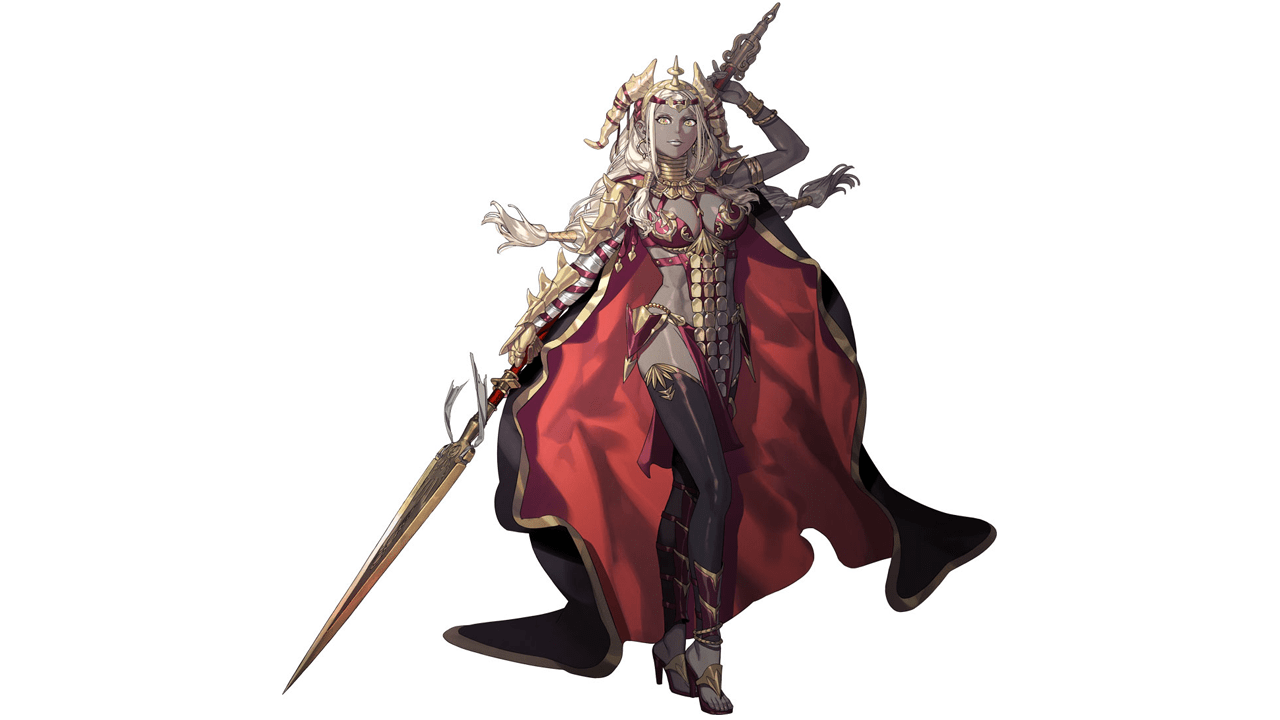
Kusakihara: Kurahana-san said she enjoyed designing the characters, but she also mentioned that Eshmel’s design was a struggle. We made a number of requests based on the game’s setting, and since white was a defining color for the character, she had to find a way to express Eshmel’s individuality within those constraints. After several rounds of review and revision, the two designs ultimately came together very well.
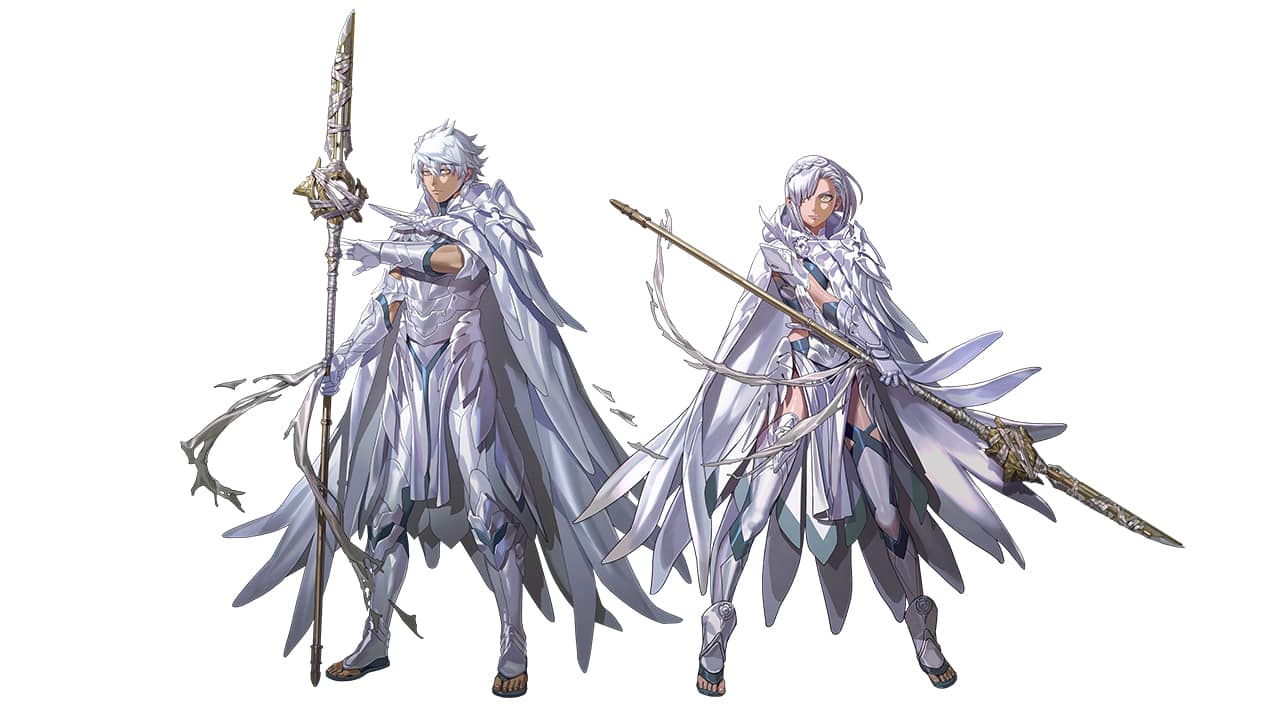
Yokota: Each character design feels like it was carefully considered against the game’s world and refined until it felt natural and convincing.
In previous Fire Emblem games, I got the impression that many of the characters came from royal or noble backgrounds. In this title, however, the four protagonists and the people around them are much more diverse, with distinct appearances, personalities, and goals.
Nakanishi: Including the four main protagonists, there are no characters who could simply be described as righteous heroes. Everyone carries their own struggles and perspectives. This is one of the aspects that sets the game apart from previous titles, and I think it’s something players will find easy to relate to.
Kusakihara: I didn't necessarily feel this way in the past, but recently I’ve come to believe more strongly that people can’t be defined simply in terms of good and evil. I think that perspective is reflected in the game. I think good and evil are often a matter of one’s perspective. All living things share the same instincts at their core, and instinct in itself is neither good nor evil. Perhaps the only difference lies in how each individual chooses to express those instincts. There's a character in this game who says something like, “What lies at the core of human beings is instinct. We simply act through a layer of reason that veils it.” Even if someone appears to be a bad person at first glance, I think being human means having not only flaws but also good qualities. So, the characters in this game, even those who may seem unlikable at first, are created in a way that, the longer you spend time with them, the more you find yourself thinking, “Maybe I kind of like this person after all.” There are also characters who are always thinking about unpleasant things, and when you talk to those characters in town, they’ll usually have nothing but terrible things to say. (Laughs) But in Fire Emblem games, even those kinds of characters can sometimes become your allies and fight alongside you. When you go through battles together, I think you gradually start to develop an attachment to them.
By the way, I’ve heard that the stories of the four protagonists are centered on the theme of family.
Kusakihara: Yes, we made family one of the central themes in the stories of all four protagonists. Cai’s story is a tale of growth, following a young boy as he learns many things about the world, with family serving as the central axis of his journey. Dietrich’s story is about coming into contact with others through the experience of a surrogate family. Theodora’s story depicts the aspirations and resolve of someone who bears the weight of a family by drawing parallels between the nation and a household, and between the king and the head of the family. Leda’s story revolves around revenge after her home and family are taken from her by others. The other characters who appear also have stories that confront and relate to family, each in their own distinct way. We wanted to portray the different ways people choose to live, including the struggles and hardships that come with life. Simply living is something worthy in itself, and there’s no single right way to do so. We wanted to depict the various ways in which the people of Dagda live their lives.
Higuchi: Everyone has their own sense of justice and lives passionately according to their beliefs, not driven purely by good or evil.
Kusakihara: Since the days of Fire Emblem: Three Houses, several regions outside of Fódlan have been referenced, including Almyra, Brigid, and Dagda. Of those, Dagda was a place I'd always wanted to explore in greater detail next. We were conscious of giving the land a look and feel completely different from Fódlan―a vast and beautiful yet dangerous ocean, a desert area with constant sandstorms, and a vibrant rainforest. Through the story, visual design, music, and characters, I believe we were able to portray the lives of the people who live resiliently in such harsh environments.
I see. So Kusakihara-san wanted to portray the lives people choose to lead through a completely new setting and a fresh theme, while sharing the same world as Fire Emblem: Three Houses.
Yokota: Traditionally, the Fire Emblem series has been developed jointly by Nintendo and Intelligent Systems. With Fire Emblem: Three Houses, we discussed with Intelligent Systems about having KOEI TECMO GAMES, who we'd previously worked with on Fire Emblem Warriors (5), join the project. As a result, we were able to realize the gameplay experience that both Nintendo and Intelligent Systems had envisioned. Looking back, it was a somewhat unique development environment for the series, but KOEI TECMO GAMES was an excellent partner on the project, and the development was a valuable learning experience for us. For this game, we wanted to create a different gameplay experience while maintaining a connection to the world of Fire Emblem: Three Houses. That’s why we established a new development structure with Nintendo and Intelligent Systems. I think this allowed us to fully realize the world that Kusakihara-san wanted to depict, much as we did in Fire Emblem: Three Houses, while making use of the experience and knowledge we had gained from our previous projects.
(5) Released for Nintendo Switch and New Nintendo 3DS in September 2017 in Japan, and October 2017 in North America and Europe. A tactical action game where legendary heroes from across the history of Fire Emblem gather for intense battles. In Japan, the game was published by KOEI TECMO GAMES.
Kusakihara: I had a clear vision of the themes I wanted to explore, and we were determined to do everything ourselves and give this project everything we had, aiming to surpass Fire Emblem: Three Houses.
As a final question, can I ask everyone what “Fire Emblem” means to you?
Kusakihara: To me, Fire Emblem is a symbol people gather around. People from different nations and backgrounds come together under that symbol, regardless of whether they’re enemies or allies, and stand united toward a single objective. I think that idea is closely connected to this game’s theme of how people choose to live their lives. In Fire Emblem: Three Houses, some characters are clearly portrayed as villains, but in this game, you may have the chance to fight alongside characters like them. Even if people come from different standpoints or have different ways of thinking, there are things they can understand about one another if they take the time to talk. And I think the same is true in our own society.
Higuchi: The roots of the Fire Emblem series’ gameplay can be traced back to Famicom Wars (6). From there, units like tanks, which had little individuality in Famicom Wars, became people in the Fire Emblem series. Then they gained stories and emotions, and eventually the series evolved to the point where those emotions drive the world itself. When we look back on the series' origins, even as we add new gameplay ideas and new experiences with each generation of hardware, we think it’s important for the series to remain a tactical role-playing game at its core. When we first released the trailer for Fire Emblem: Fortune’s Weave, I think the scene where Cai started moving across the grid-based battlefield was when people realized, “This is a Fire Emblem game!” Building on that core, I believe we were able to create a truly expansive world in this game. We’d like players to journey through this world and share stories together with other players, much as you would with fellow travelers. I believe every player will experience their own journey. Also, as a new control option in the series, the game supports mouse controls, one of the features of the Joy-Con 2 controllers. If you’re interested in experiencing a tactical RPG with mouse controls, we’d love for you to give it a try.
(6) A Family Computer game released in Japan in August 1988. In this turn-based strategy game, players choose to command one of the two nations, Red Star or Blue Moon, and lead their forces to victory by capturing the enemy’s headquarters or defeating all enemy troops.
Nakanishi: When I hear “Fire Emblem,” what comes to mind is the image that has been depicted throughout the series: allies trusting one another, watching each other’s backs, and fighting together. What’s more, those allies were often people who originally came from different backgrounds, different nations, or were even enemies. I think that’s what makes Fire Emblem unique.
Slide 1 of 3
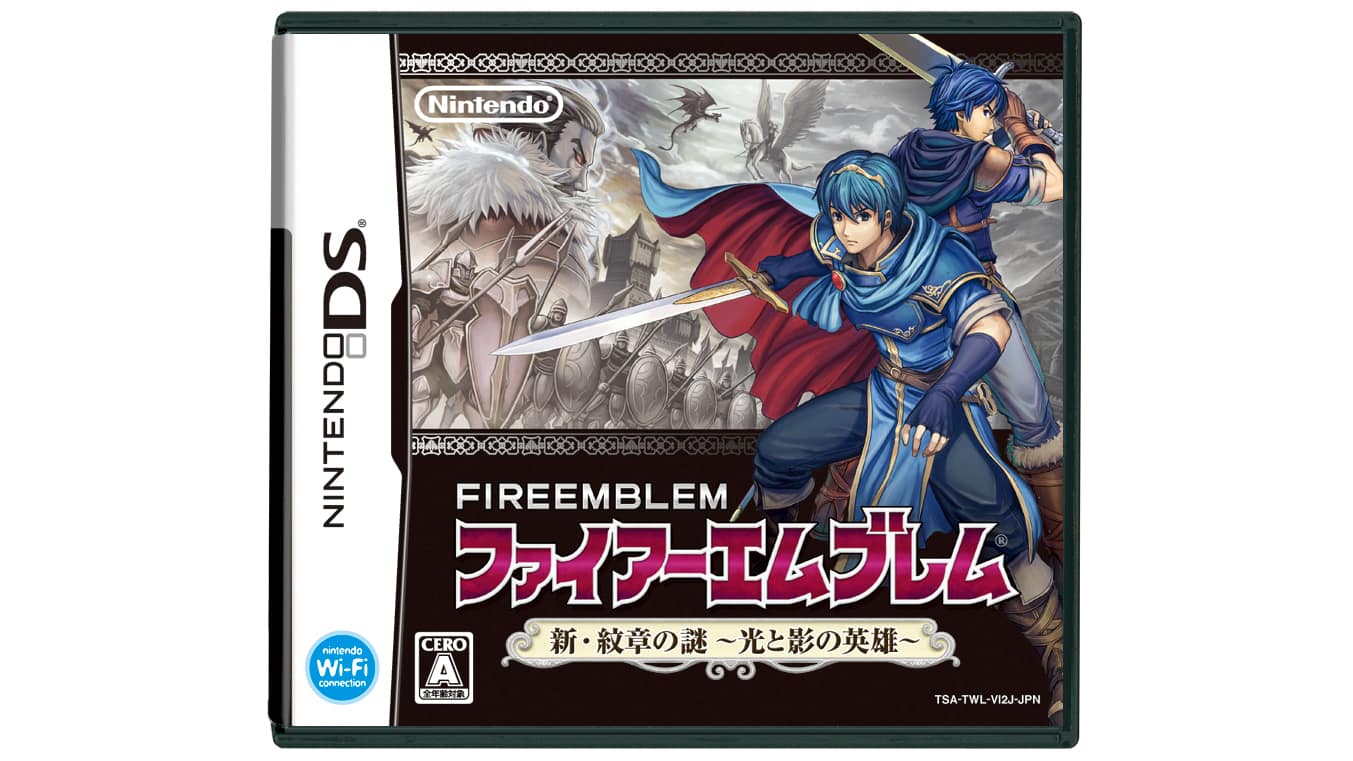
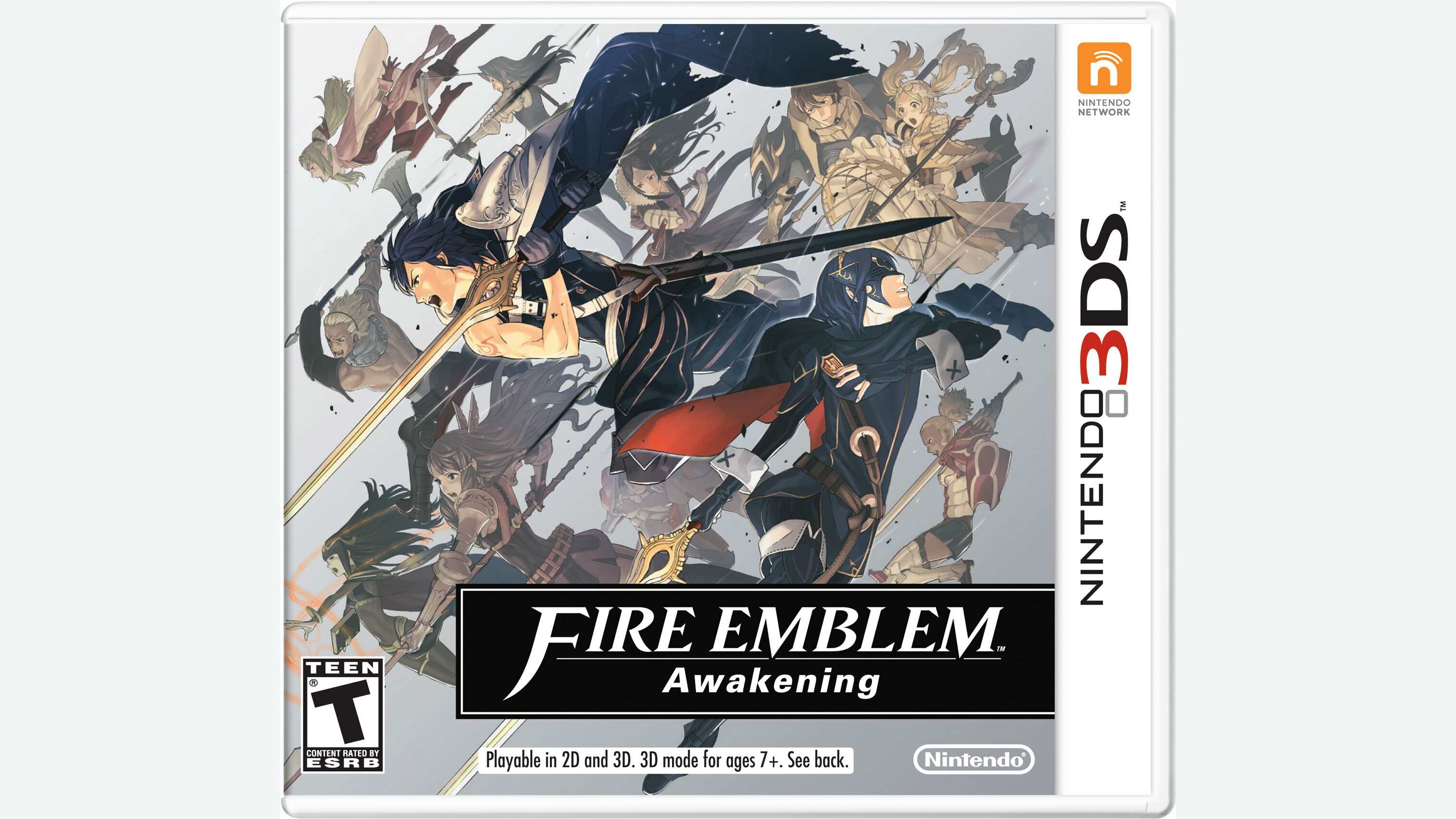
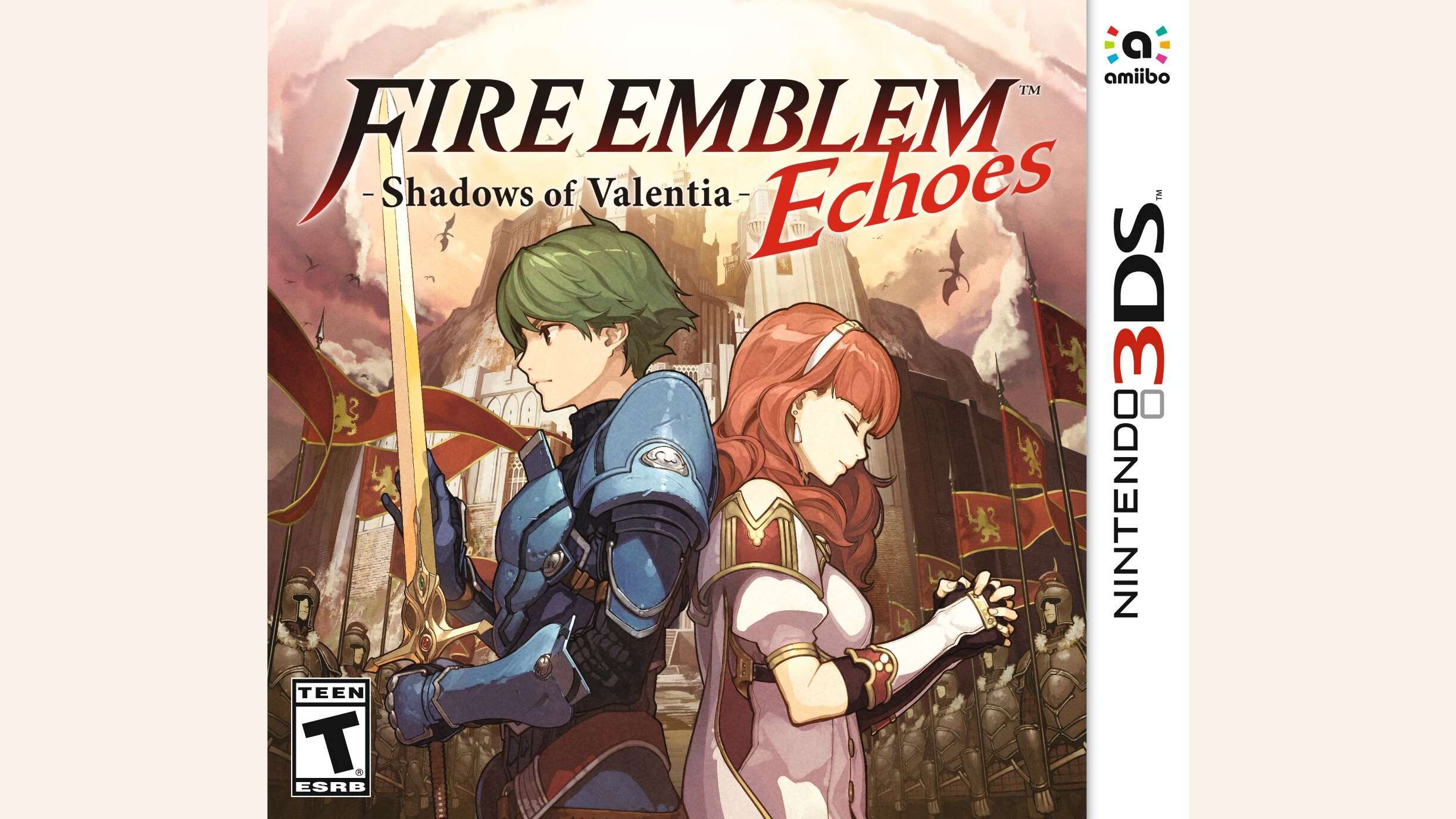
Fire Emblem: New Mystery of the Emblem – Heroes of Light and Shadow (shown in the first image) for Nintendo DS was released in Japan only.
Nakanishi: I think this game portrays even more characters from different nations and different backgrounds joining forces to work toward a common goal. I hope players will share their experiences with lots of other people, whether they've followed the same path or a different one. By exchanging information, you may discover things you hadn’t noticed before, making the game even more enjoyable.
Yokota: It’s been about 15 years since I first worked on the Fire Emblem series alongside Kusakihara-san, and I feel that Fire Emblem: Fortune’s Weave reflects many of the feelings and ideas he's been wanting to express. I think the best part of Fire Emblem games is the drama that arises from the accumulation of a player’s choices. It’s a game where your decisions can sometimes lead to failure. There are times when a character may fall in battle, and situations where, no matter what choice you make, it’s difficult to find a perfect solution. And you might end up thinking, “Maybe I should’ve done something differently.” But in this game, you can always recover later on. So rather than worrying too much about making mistakes, I hope players will keep moving forward, believing that the choices they made were the best ones they could’ve made at the time. I think that’s the best way to experience everything this game has to offer. So don’t be afraid to keep forging ahead!
I can't wait to find out what thoughts and feelings lead these people from different nations and backgrounds to fight side by side. I look forward to experiencing the story together with its large cast of characters, not fearing the choices I make. Thank you very much.