What The New StarCraft Can Learn From Blizzard’s Infamously Cancelled Shooter
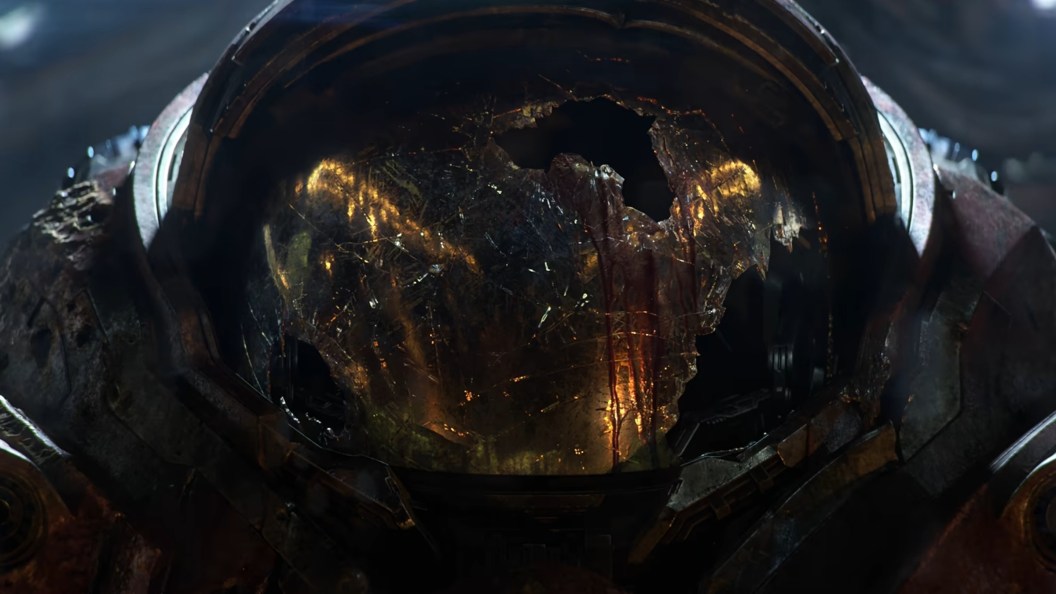
2030’s StarCraft is one of the most anticipated titles to be announced at BlizzCon 2026, an open-world shooter that looks to expand the world of the classic RTS series into some exciting new directions. The game could lay the groundwork for the future of the franchise, opening up the timeline and finding a way to move the universe forward in some really interesting ways.
It’s also a chance for Blizzard to finally make up for one of their most infamous cancelled games. StarCraft: Ghost was supposed to do something very similar at the turn of the century, expanding the franchise following the events of the first game and its initial expansion pack. It would have had a new protagonist, a grounded perspective, and offered a different gameplay experience. Here’s why Blizzard’s last third-person shooter idea for the StarCraft series fell apart and what the 2030 game can learn from those struggles.
StarCraft Needs To Learn From The Ghost Fiasco
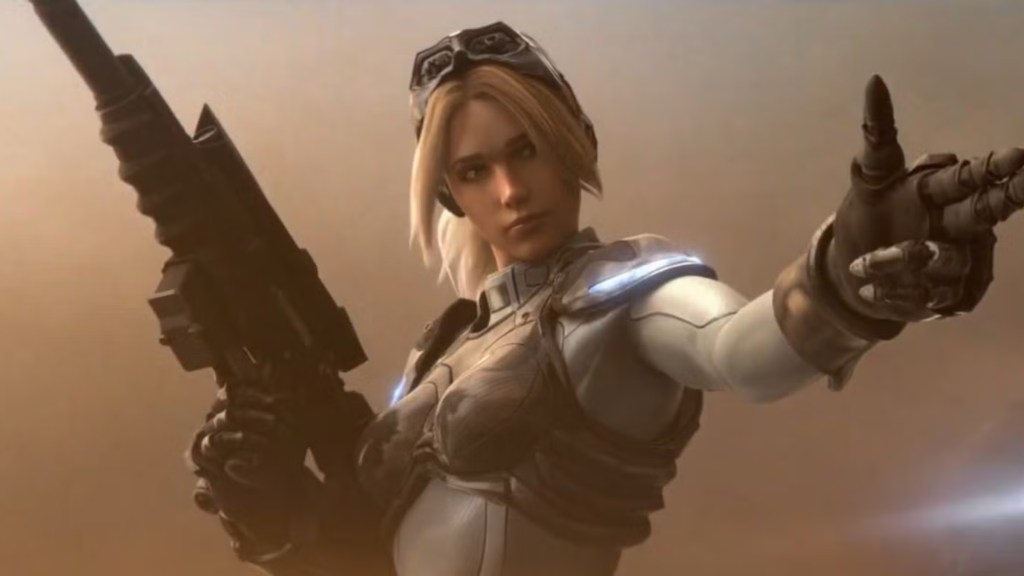
Announced in 2002 as a cross-platform title, StarCraft: Ghost would have been a third-person shooter focused on the psychic espionage agent Nova. Set years after the events of StarCraft: Brood War, the game would have expanded the universe of the popular RTS titles from a ground-level perspective. Despite some impressive previews at E3, the game was delayed repeatedly by developer Nihilistic Software. Development shifted in 2004 to Swing’ Ape Studios, whose attempts to get the game across the finish line fell apart while Blizzard prepared for the seventh generation of consoles.
In the end, Blizzard shifted gears and returned to the RTS space with the StarCraft II trilogy of games. While there initially seemed to be plans to keep Ghost as a possibility, Blizzard formally confirmed that the game had been canceled in 2014. Nova at least lived on as a supporting character in StarCraft II (and even the lead character in the “Nova Covert Ops” DLC mission pack), ensuring that the universe kept something of the character. However, Ghost remains a point of fascination for Blizzard fans, a fact that was reiterated in recent years when a leaked copy of the game’s Xbox version made its way online in 2020 and went viral.
2030’s StarCraft seems to be building on the legacy and intention behind that original game, which puts extra pressure on the publisher to get it right this time around. Delays and internal struggles were a significant challenge for Ghost, keeping the game from ever reaching the broader player base. Blizzard seems to be in a more focused place with the game as of this writing, giving itself plenty of time to reach its 2030 release date and really nail the game. Another failed effort to revive StarCraft in this manner could be a big blow to the franchise, putting extra pressure to get it just right. It also opens up more possibilities if the game is a success, potentially opening up the future of the series and giving the current shooter landscape a real story-driven shot to the arm.
2030’s StarCraft Could Be The Game Ghost Never Got To Be
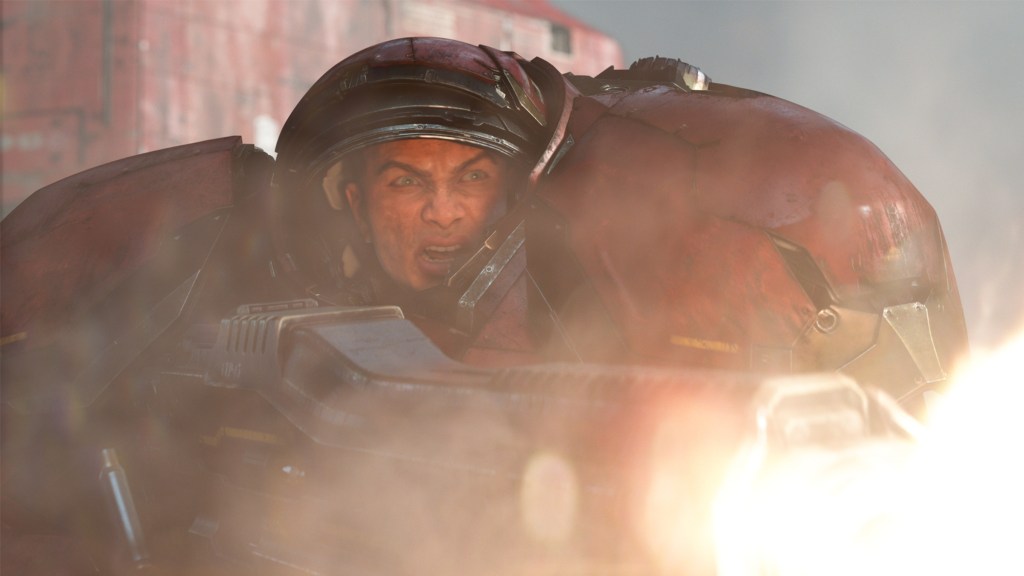
At its heart, the idea of a shooter in the StarCraft franchise is a compelling one. The massive universe is full of grisly and fascinating worldbuilding, but players have been largely trained to see it from a removed, top-down view that can remove some of the unique flavor and brutality that comes into play in the world. For the most part, players have only ever seen the world up close in the form of cinematics. However, these moments are told via established characters, never really giving the audience the chance to invest in the world themselves and explore it firsthand.
An open-world shooter could be ideal for just such an experience, opening up entire battlefields, temples, ruins, and more for players to make their way through. Ghost was rooted in a similar drive, offering a chance for players to see the horror of the Zerg and the grandiose aspects of the Protoss up close. It could even be the ideal way to explore the duplicatious factions and in-fighting of the Terran forces, an element of the original games that would feel even more personal if the player was front and center for those disputes.
As a means of making the world of StarCraft feel real and brutal, a shooter makes perfect sense. Ghost had conspiracies and empires to play with, something the more open-ended trailer for 2030’s StarCraft lacks. However, that might be for the better. The stealth gameplay could have felt too akin to Perfect Dark or Thief, whereas the new shooter seems to be more focused on showing StarCraft‘s massive battles from a new perspective. StarCraft has the perfect case study in what not to do thanks to the collapse of Ghost; it just needs to make sure it takes those lessons to heart.