Halo’s Most Controversial Entry Arrived 11 Years Ago, And It Has Never Truly Recovered
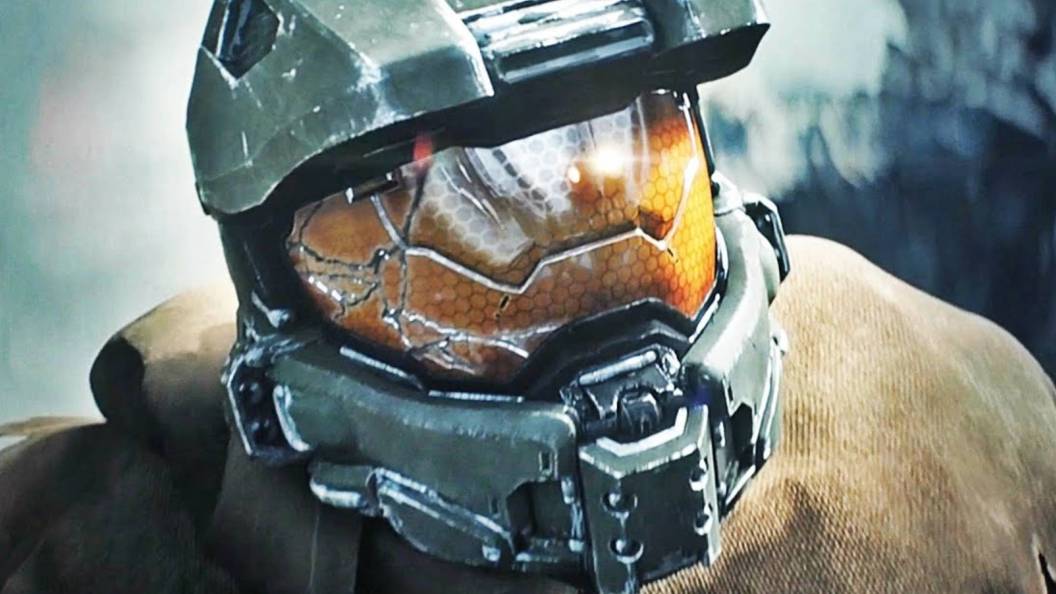
When it comes to the Halo series, it seems like it can’t escape from controversy these days, with mass layoffs, shifting leadership, and disappointing games marking the “modern” era of this revered FPS franchise. New titles like Halo Infinite and Halo: Campaign Evolved have drawn a number of criticisms, drawing questions around the series’ current identity amidst Xbox’s shifting structure to its gaming divisions. While there are multiple reasons for Halo‘s decline that players can point to, it all truly started with 2015’s Halo 5: Guardians, which took the IP into a direction it hasn’t been able to correct.
Despite a generally favorable critical review, Halo 5: Guardians has terrible user scores on sites like MetaCritic, still remaining one of the worst games in the series by player standards. Released in October 2015, this entry in the mainline series marked the second Halo game developed by 343 Industries, the studio that took over the IP following Bungie’s departure from the franchise after the spin-off prequel Halo: Reach. While Halo 4 was also a mixed bag, it was generally considered a fresh take on the series, before Halo 5: Guardians changed almost everything the FPS was known for.
Halo 5: Guardians Was Perhaps the Most Controversial Entry in the Series for Its Gameplay Changes

Halo 5: Guardians had incredibly good visuals and graphics for its time, marking an evolution of Halo 4‘s art style into something different but fresh for the series. However, this is where the biggest compliments for the game’s design stop, as its gameplay changes were a huge shift away from what made Halo a distinct FPS in comparison to other titles in its genre. The biggest sin that veteran players have pointed out is the inclusion of Halo 4‘s universal sprint mechanic, which was already controversial before the game came out. Yet, Halo 5 expanded on the feature, making it practically without restriction as it exists in FPS staples like Call of Duty or Battlefield.
In addition, there are a number of other abilities players gain access to universally that were not present in other Halo games before Halo 5. From easier weapon tracking to aggressively degenerate mobility features, here are some of the biggest offenders that remain mechanics only ever available in Halo 5: Guardians:
- Clamber – Allowed players to climb up vertical surfaces and other ledges.
- Slide – Gave players the ability to slide after sprinting, similar to Call of Duty games.
- Ground Pound – Let players hover in the air, aim at a spot on the ground, and leap toward it for a big AoE impact, dealing damage to any enemy in the zone hit.
- Spartan Charge – Made players able to charge a special dash attack after sprinting, leading to a burst of movement that could destroy walls or deal incredibly high melee damage.
Due to the existence of greater mobility features and the ability to destroy parts of the environment, Halo 5 needed to turn normally linear level maps into large sandboxes, oftentimes making them confusing to navigate. Classic, arena-style environments with clever enemy placement were replaced by overwhelming armies of enemies that were more tedious to get through than anything else. Map sizes for campaign missions were ridiculously huge compared to past Halo titles, with multiplayer maps also suffering the same fate.
Inconsistent Campaign Content Also Made Player Frustrations Grow Despite Exciting Multiplayer
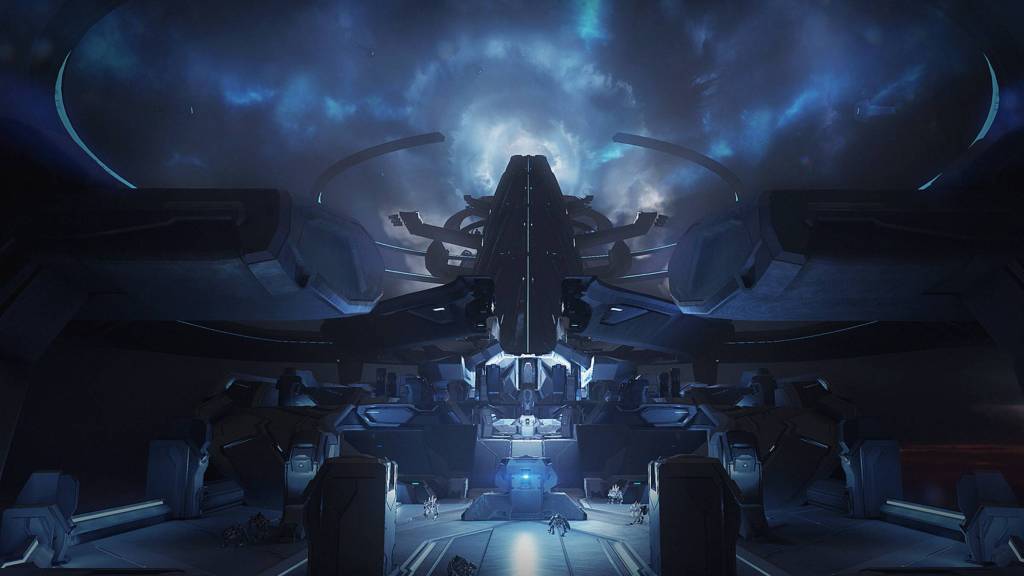
The heightened speeds of Halo 5‘s multiplayer did create interesting situations the series had never seen before, driving competition to new heights both casually and in esports settings. However, anything positive about the multiplayer of Halo 5 begins to fall off when you realize how egregious the game was with microtransactions and pay-to-win features in some multiplayer modes like Warzone. Warzone was the PvEvP mode the game pushed players to participate in the most, but forced everyone to use Requisition Packs to get ahead in it. These Packs offered randomized cards players could purchase for real-world money, often containing perks like weapons, vehicles, or other power-ups to directly influence who won Warzone matches.
While the campaign of Halo 5: Guardians didn’t have any monetization problems, it was plagued by terrible AI, for both allies and enemies. The premise of this game was that the story revolved around two teams of four Spartans, with players able to join up together to tackle the story in groups together. However, this feature was incredibly forced through the “Down-but-not-Out” mechanic, which turned a player dying into them transitioning to a crawling state for some time. During this state, players had to rely on ally to come over and pick them up, or they would truly die and not be able to respawn for multiple minutes.
Even with other players, this feature is extremely annoying to deal with, as enemies in Halo 5 are often dealing more damage than enemies in past Halo games have ever done before. Those playing on Legendary difficulty have to fight against the downed system at every step, with solo players having to rely on terrible AI teammates to pick them up. This broke Halo‘s traditional pacing, removing checkpoints in favor of a slow dying process where players would often watch the action around them rather than be an active participant.
Shifts to Halo’s Identity as an FPS in Halo 5 Carried Over to Multiple Games Following It
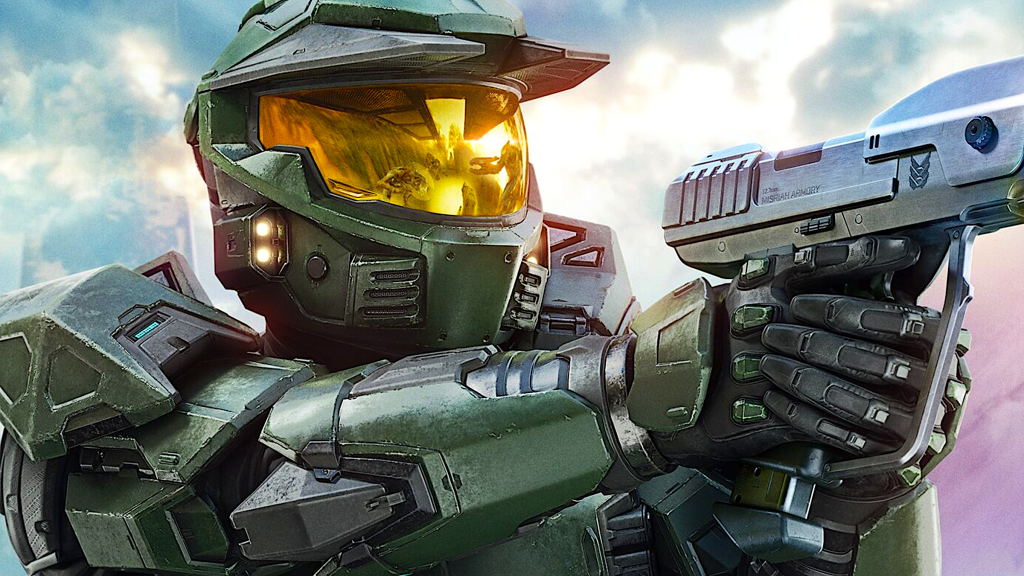
There are other huge complaints you could mention for Halo 5, from how it forces you to fight the awful Warden Eternal boss over and over to removing split screen co-op for local play. The biggest issues Halo 5 created, though, are ones that still persist in multiple games beyond it, showing a fundamental misunderstanding between what players wanted and what developers put into each new entry following the title. Although Spartan Charge, Ground Pound, and teammate revival systems were graciously removed, universal sprint remained alongside sandbox campaign missions and unfriendly microtransaction systems.
Nowhere are the changes to Halo‘s identity from Halo 5 more apparent than Halo: Campaign Evolved, which alters the series design so much it almost becomes unrecognizable. The game has the same levels as the classic Combat Evolved, but removes all the natural limitations from the original game while adding sandbox features and FPS mechanics that don’t suit the franchise. Instead of a cleverly designed campaign, you get an uninspired mess of a game with an unclear direction, without even any multiplayer allowed. The three prequel missions not original to Combat Evolved show this the most in the remake, as they are, unsurprisingly, large open sandboxes similar to Halo 5‘s levels.
With the entire Halo franchise moving to direction under studio Activision, the creators behind Call of Duty, the influences from the series’ worst entry may become even more apparent. Long gone are the days of Halo 3 or Halo: Reach, when solid systems supported unique approaches to the sci-fi series’ campaign and multiplayer modes. Like a ghost, Halo 5: Guardians continues to haunt the Halo series, being a foundation for mediocrity that the series has failed to detach from over a decade later.
What do you think about Halo 5: Guardian‘s legacy? Let us know in the comments below!