Halo’s Original Era Ended 16 Years Ago With the Franchise’s Most Emotional Final Mission
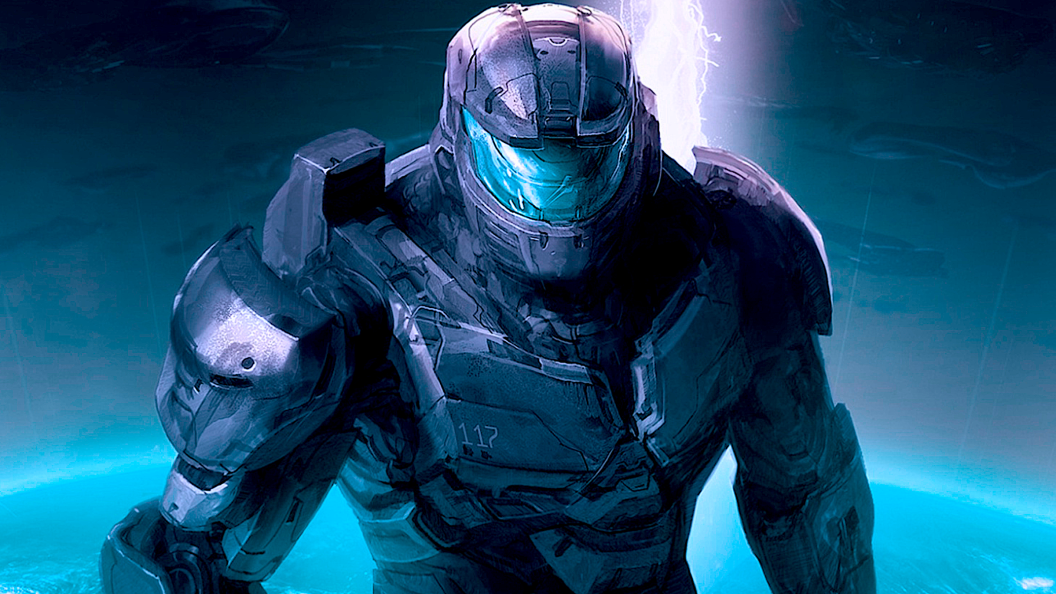
The Halo series has been going new directions lately, with Halo Infinite and Halo: Campaign Evolved representing very different designs compared to the franchise’s first titles. The Bungie era of Halo is one fans regard very fondly, encompassing a variety of games that are still revered and replayed to this day. However, one spin-off’s anniversary has perhaps the largest amount of veteran player appeal, for both its excellent multiplayer and an unforgettable campaign with a heartbreaking ending.
People tend to forget that Bungie was not just responsible for Halo: Combat Evolved, Halo 2, and Halo 3, as the company also managed a couple of spin-offs from the main, numbered entries. For example, Halo 3: ODST used the same engine as Halo 3, with similar gameplay and systems, but with a new story and what would become the ever-popular Firefight mode. While Halo 3: ODST was more of a small reskin of Halo 3, Bungie’s other spin-off was completely independent from anything that came before.
Halo: Reach Was The Final Game In The Series Created By Long-Time Developer Bungie
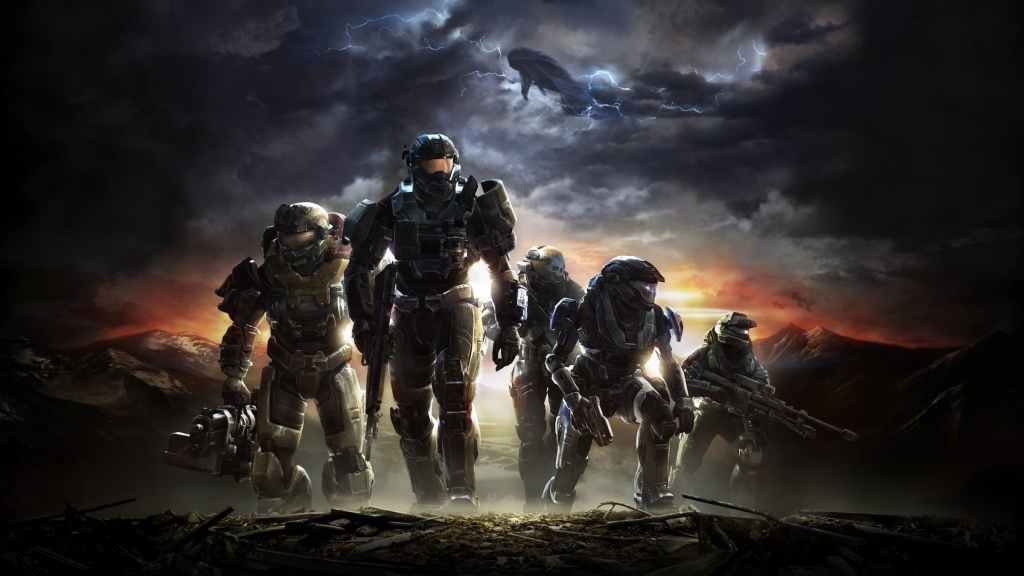
The final Halo game Bungie ever made was Halo: Reach, one of the first titles since Halo 3: ODST not featuring the Master Chief. Instead, players got to create their own custom Spartan soldier, who joins an elite group called Noble Team on the alien planet of Reach. This game showcased one of the series’ biggest pieces of lore, where Reach was one of the first major planets of humanity to fall to The Covenant, in a tragic onslaught that was almost entirely hopeless.
However, the actions your Spartan team takes helps ensure the future, with Halo: Reach‘s campaign events acting as a direct prequel to Halo: Combat Evolved. This project was a bold departure from Halo games of the past, with a far more grounded and serious tone compared to past adventures. The Covenant seemed far more alien and intelligent, with battles having the same explosive FPS flair of the franchise, but with greater emphasis on the brutal nature of the conflict. Missions take place not on huge alien structures, but in burning city streets and claustrophobic encounters.
There are plenty of similarities between Halo: Reach and Halo: ODST, but Reach was arguably better received for its dynamic presentation. Unlike ODST, Reach used completely new character models and visuals, with arguably the most detail Halo had ever seen at the time. The attention to detail was something also included in the game’s many modes beyond its single-player campaign, inventing some multiplayer match types that are still fan-favorites today.
From the ability to embody Covenant Elites to the zombie horde Infected survival game type, Halo: Reach had much more for players to explore than typical Halo games. Its Forge mode allowed players to create their own multiplayer maps and experiences, while Firefight offered giant PvE battlefields to experience with others in co-op. Natural progression also gave you the opportunity to earn in-game currency and unlock new cosmetics for your Spartan, who would wear custom armor sets in multiplayer modes and the campaign. In many ways, Halo: Reach is widely considered to be Bungie’s love letter to the series.
Serious Story Telling Moments Held Nothing Back In Halo: Reach For A Timeless Sci-Fi Narrative
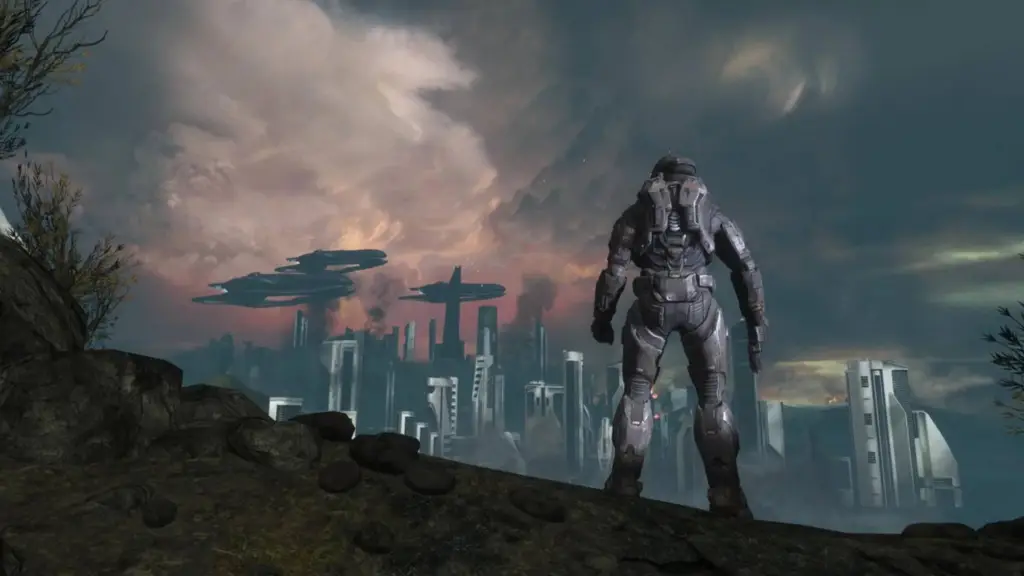
Despite all its modes and innovations to the Halo series, Halo: Reach is remembered for one thing more than anything else — its exceptional story. Playing as a custom Spartan on its surface sounds like a risky concept, with the game possibly praising your character too much or going out of its way to make you feel special. Instead, Halo: Reach integrates Noble 6 as their own character within the story, in the same way The Rookie is their own character in Halo 3: ODST.
Your character takes actions and agency to serve the story, but still feels like they feel emotions and react to events outside of your control. The same can be said of the rest of Noble team, who have a strong presence and unique personalities throughout the game. The disciplined way Noble team backs you up makes it all the more devastating when they begin to sacrifice themselves for Reach’s survival. Starting with the emotional death of Noble team member Jorge, you must see your team die one by one, sometimes in shocking moments during unexpected cutscene moments.
Despite the pain the characters feel, they must move on and keep fighting. This philosophy continues until it is just you left, making a heroic final stand on Reach as its fall is complete. Although it’s hard not to spoil a game from 2010, the mission “Lone Wolf” is one that still causes fans to shudder with chills from its prompt of “Mission Objective: Survive.” With Halo: Reach now playable on the Master Chief Collection, the game still remains one of the series’ best, and a culmination of Bungie’s adoration for the sci-fi franchise before it changed hands.