10 Best Cult Classic Books Of All Time
Cult classic books occupy a fascinating space in literature. They may not always begin as runaway bestsellers, yet they develop fiercely devoted audiences who continue discussing, rereading, adapting, and recommending them decades after publication. Some became famous through film adaptations, while others earned their reputations through unusual characters, controversial ideas, unforgettable premises, or writing styles that refuse to blend into the crowd.
The following books represent some of the most enduring examples of that phenomenon. Spanning dystopian science fiction, fantasy, romance, thrillers, satire, and action pulp, these novels have influenced popular culture far beyond their original publication dates. From Jane Austen's 1813 classic to Gillian Flynn's 2012 bestseller, each has developed a distinctive identity that keeps readers returning to its pages.
10 A Clockwork Orange by Anthony Burgess

Anthony Burgess published A Clockwork Orange in 1962, introducing readers to Alex, a violent teenager living in a disturbing near-future society. The novel is particularly distinctive because Alex narrates his story using Nadsat, a slang language influenced heavily by Russian. Burgess used the invented vocabulary to make the reader experience Alex's worldview rather than simply observe it.
A Clockwork Orange became even more culturally prominent after Stanley Kubrick's 1971 film adaptation. Interestingly, the original British edition contains 21 chapters, while the American edition initially omitted the final chapter, changing the story's implications about Alex's possible redemption. Burgess's provocative questions about free will, punishment, violence, and government control have helped the novel remain controversial and influential.
9 Fahrenheit 451 by Ray Bradbury

Ray Bradbury's Fahrenheit 451 was published in 1953 after a shorter version, The Fireman, appeared in 1951. Its protagonist, Guy Montag, works as a fireman in a society where his job is to burn books rather than extinguish fires. Bradbury's fictional world explores censorship, conformity, entertainment addiction, and the consequences of abandoning intellectual curiosity.
The book's title refers to the temperature traditionally associated with paper catching fire, although the novel's greater concern is what happens when people voluntarily surrender complicated ideas. Its combination of fast-moving science fiction and philosophical questions helped establish Bradbury as a major American literary figure. More than 70 years later, its warnings about distraction and information control remain remarkably recognizable.
8 The Picture of Dorian Gray by Oscar Wilde

Oscar Wilde's The Picture of Dorian Gray was first published as a novel in 1890, with a substantially revised book-length version appearing in 1891. It follows Dorian Gray, a beautiful young man who becomes obsessed with preserving his youth after seeing a portrait painted by Basil Hallward. When Dorian wishes that the portrait would age instead of him, his seemingly impossible desire becomes reality.
What makes the novel such a lasting cult classic is the way Wilde combines Gothic horror with biting commentary about beauty, morality, pleasure, and Victorian society. Dorian remains physically young while the portrait records the corruption caused by his increasingly selfish choices. Wilde's elegant prose and provocative themes made the novel controversial when it appeared, but those same qualities have helped The Picture of Dorian Gray remain one of the most recognizable Gothic novels ever written.
7 Stranger in a Strange Land by Robert A. Heinlein

Robert A. Heinlein's Stranger in a Strange Land was published in 1961 and follows Valentine Michael Smith, a human raised on Mars who returns to Earth as an outsider struggling to understand human society. His unusual upbringing allows Heinlein to examine religion, sexuality, government, property, and social conventions from an intentionally alien perspective.
The novel became particularly associated with the counterculture of the 1960s, helping transform Heinlein's work from science-fiction entertainment into something debated far beyond the genre's traditional readership. It also won the 1962 Hugo Award for Best Novel, cementing its importance within science fiction. Its controversial ideas and distinctive vocabulary helped give the book an unusually persistent cult following.
6 Good Omens by Terry Pratchett and Neil Gaiman

First published on May 10, 1990, Good Omens brought together Terry Pratchett's comic fantasy sensibilities with Neil Gaiman's darker fascination with mythology and apocalypse. The story follows the angel Aziraphale and demon Crowley, two supernatural beings who have become surprisingly comfortable with life on Earth. Their unlikely friendship becomes central when Armageddon approaches.
The novel's comedy comes from treating the end of the world as both an enormous cosmic event and an administrative headache. Adam Young, the Antichrist, is accidentally raised as an ordinary boy, while Heaven, Hell, witchfinders, prophecies, and the Four Horsemen collide around him. That mixture of absurdity, affection, and apocalyptic fantasy made the book a natural cult favorite.
5 Fight Club by Chuck Palahniuk

Chuck Palahniuk's Fight Club was published by W. W. Norton in 1996 as a 208-page novel. Its unnamed narrator is an insomniac dissatisfied with his consumer-driven existence when he encounters Tyler Durden, whose underground fight club offers an increasingly dangerous alternative to conventional life. The novel turns masculine frustration and alienation into deliberately uncomfortable satire.
Palahniuk originally developed Fight Club from a seven-page short story published in 1995 before expanding it into a novel. The book's deliberately fragmented storytelling and famous twist helped give it an identity far beyond its initial publication. David Fincher's 1999 film adaptation of Fight Club eventually introduced the story to an even larger audience, strengthening its status as a modern cult classic.
4 The Princess Bride by William Goldman
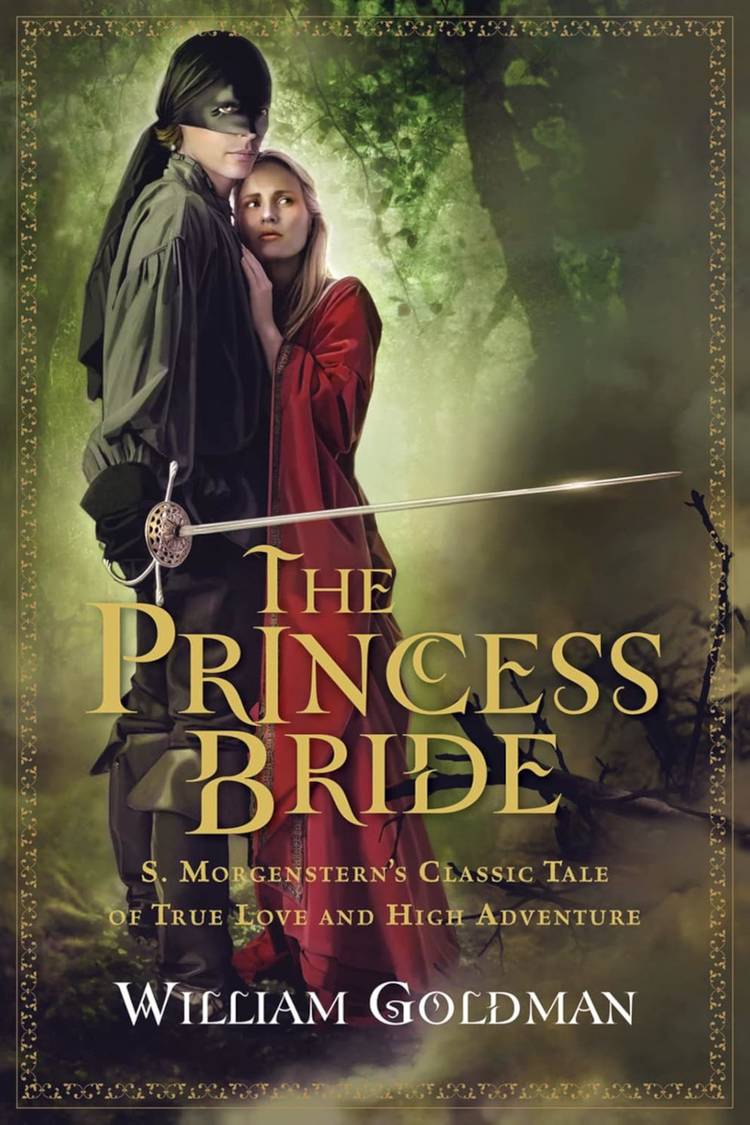
William Goldman's The Princess Bride appeared in 1973 and cleverly disguises a traditional adventure story inside a fictional account of Goldman's supposed abridgment of an older book. Westley, Buttercup, Inigo Montoya, Fezzik, and Vizzini populate a story that simultaneously embraces and mocks fantasy, romance, swashbuckling adventures, and fairy tales.
That unusual structure is a major reason the novel remains so memorable. Goldman repeatedly interrupts the narrative with commentary, jokes, and supposed editorial explanations, creating a book that knows exactly how ridiculous some traditional adventure conventions can be. The beloved 1987 film adaptation became even more famous, but the novel remains the source for Goldman's distinctive blend of sincerity and satire.
3 Pride and Prejudice by Jane Austen

Jane Austen's Pride and Prejudice was first published on January 28, 1813, by Thomas Egerton in three volumes. Austen originally drafted the story as First Impressions in the late 1790s before extensively revising it more than a decade later. Elizabeth Bennet's sharp observations and complicated relationship with Fitzwilliam Darcy remain the heart of the novel.
Calling Austen's novel a cult classic might seem unusual, but its passionate readership and enormous influence make the label surprisingly fitting. Price and Prejudice has generated countless adaptations, retellings, scholarly discussions, and modern reinterpretations. Its combination of romance, social satire, family conflict, and razor-sharp dialogue also allows modern readers to find new meanings in a story that is more than 200 years old.
2 Lord of the Flies by William Golding

William Golding published Lord of the Flies in 1954, sending a group of schoolboys onto a deserted tropical island after a plane crash. Ralph initially attempts to establish rules and democratic order, while Jack gradually builds a rival society centered on hunting and power. The increasingly violent conflict turns the island into an examination of civilization's fragility.
Golding's novel became one of the most recognizable works of twentieth-century English literature and a frequent classroom text. Its lasting appeal comes partly from how easily its basic premise can be understood: remove the structures that maintain society and see what remains. The conch, the signal fire, Piggy's glasses, and the terrifying figure of the Lord of the Flies have become enduring literary symbols.
1 Gone Girl by Gillian Flynn
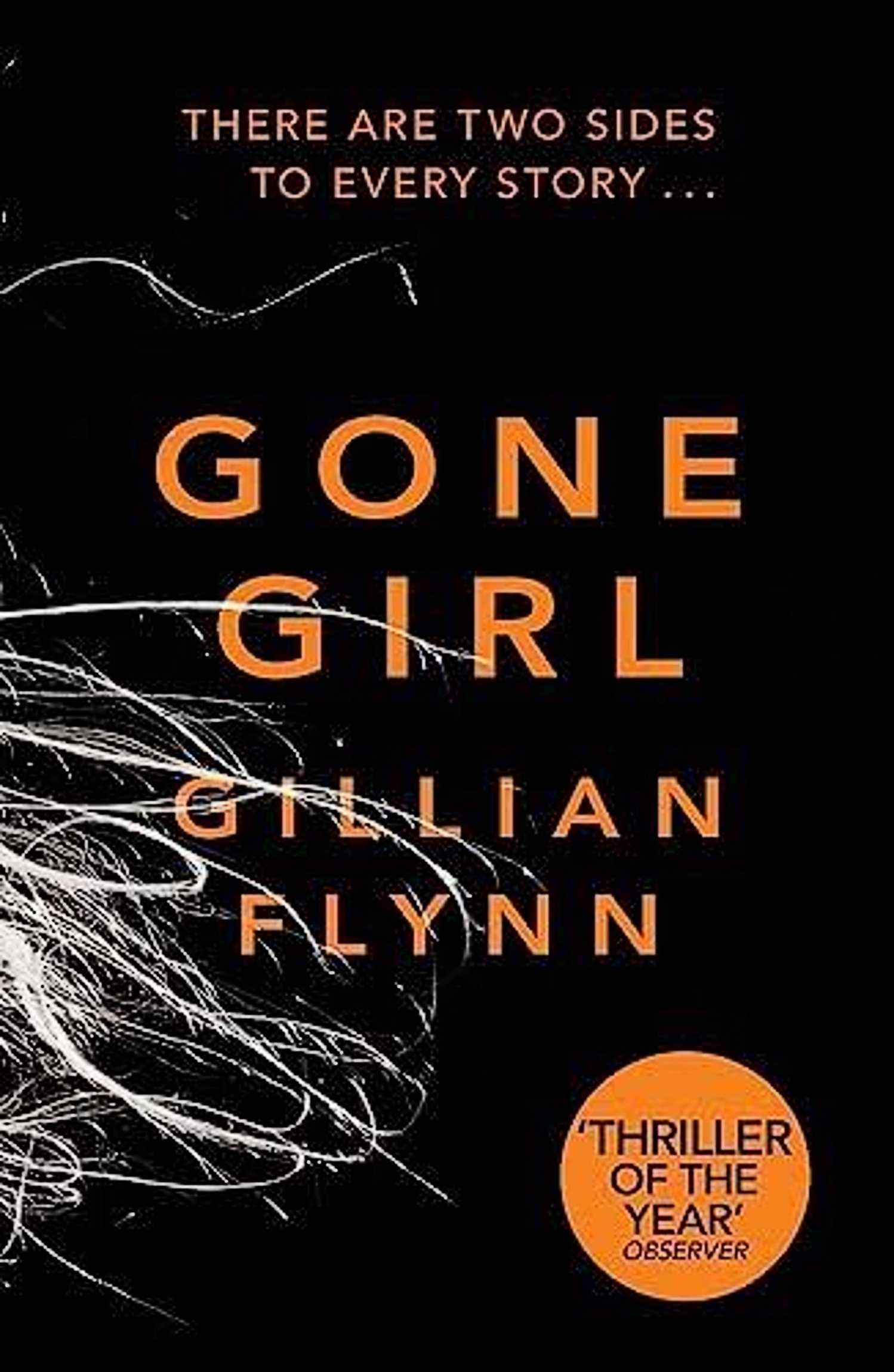
Gillian Flynn's Gone Girl arrived in 2012 and quickly became one of the decade's defining psychological thrillers. The story begins with Amy Dunne's disappearance and alternates between perspectives as information about her marriage to Nick gradually changes the reader's understanding of both characters. Flynn builds the novel around unreliable narration, marriage, media sensationalism, manipulation, and carefully constructed identities.
Its commercial impact was immediate. Gone Girl ranked No. 2 among Amazon's overall bestselling books of 2012, while Publishers Weekly reported that it had surpassed 700,000 BookScan copies before the year ended. David Fincher's 2014 film adaptation further expanded its cultural reach, but Flynn's novel remains especially memorable for the way it makes readers question nearly everything they think they know.