4-Part 'Pirates Of The Caribbean Meets Treasure Island' Adventure Series Gets Better After Season 1
After a boom of pirate TV and movies in the early 2000s, the genre slowed down for quite some time ahead of one series, which, despite a rough first season, improved exponentially and deserves more praise. By the time Black Sails premiered on Starz in 2014, pirate stories felt somewhat overplayed in the media. With Disney's Pirates of the Caribbean franchise having made a splash in the early 2000s and subsequent years, other studios had also tried their hand at cashing in on the swashbuckling pirate stories that audiences were enamored with, but things were fading out in the mid-2010s.
While Black Sails, which has a more compelling premise than the average pirate film or TV show, is meant to function as a prequel to Robert Louis Stevenson's Treasure Island, the series had a rough start. Set during the golden age of piracy, Black Sails blends fictional characters like Captain Flint (Toby Stephens) and Long John Silver (Luke Arnold) with historical figures, like Charles Vane (Zach McGowan), Jack Rackham (Toby Schmitz), and "Blackbeard" Edward Teach (Ray Stevenson) to create a rich tapestry of a universe. Despite a strong foundation, Black Sails struggled ardently during its first season on the air.
Revisiting the show over a decade later, though Black Sails may have had trouble connecting early on, it was given the chance to even out and eventually found its way, sailing into a four-season series that earned extensive acclaim. With a great storytelling style, Black Sails transformed into an achievement.
Black Sails Season 1 Is Good, But Seasons 2-4 Are Better
Although Black Sails season 1 isn't technically a weak season by normal TV standards, the first season of the Starz series is definitely less grounded than the rest of the show's run. Even at its most uneven, Black Sails was impressive in a number of ways, especially when it comes to the production value of the series overall. The first season of the series established Nassau's complicated political system and introduced some of the show's main characters, including Flint, in a way that made it clear they'd be driving the narrative forward over the course of the series' exciting future.
While there was great work done during Black Sails season 1, the criticisms surrounding the show made sense. The first season felt like a very slow roll of information, with shock value put at the forefront for viewer consumption while the actual thick of the story was purposely being doled out in smaller portions. Though the characters were interesting, the series seemed too focused on exposition at the beginning, and less invested in the figures who would eventually become the core of the story. Black Sails was able to right its course during season 2, and continued to succeed thereafter.
Black Sails Still Doesn't Get The Respect It Deserves
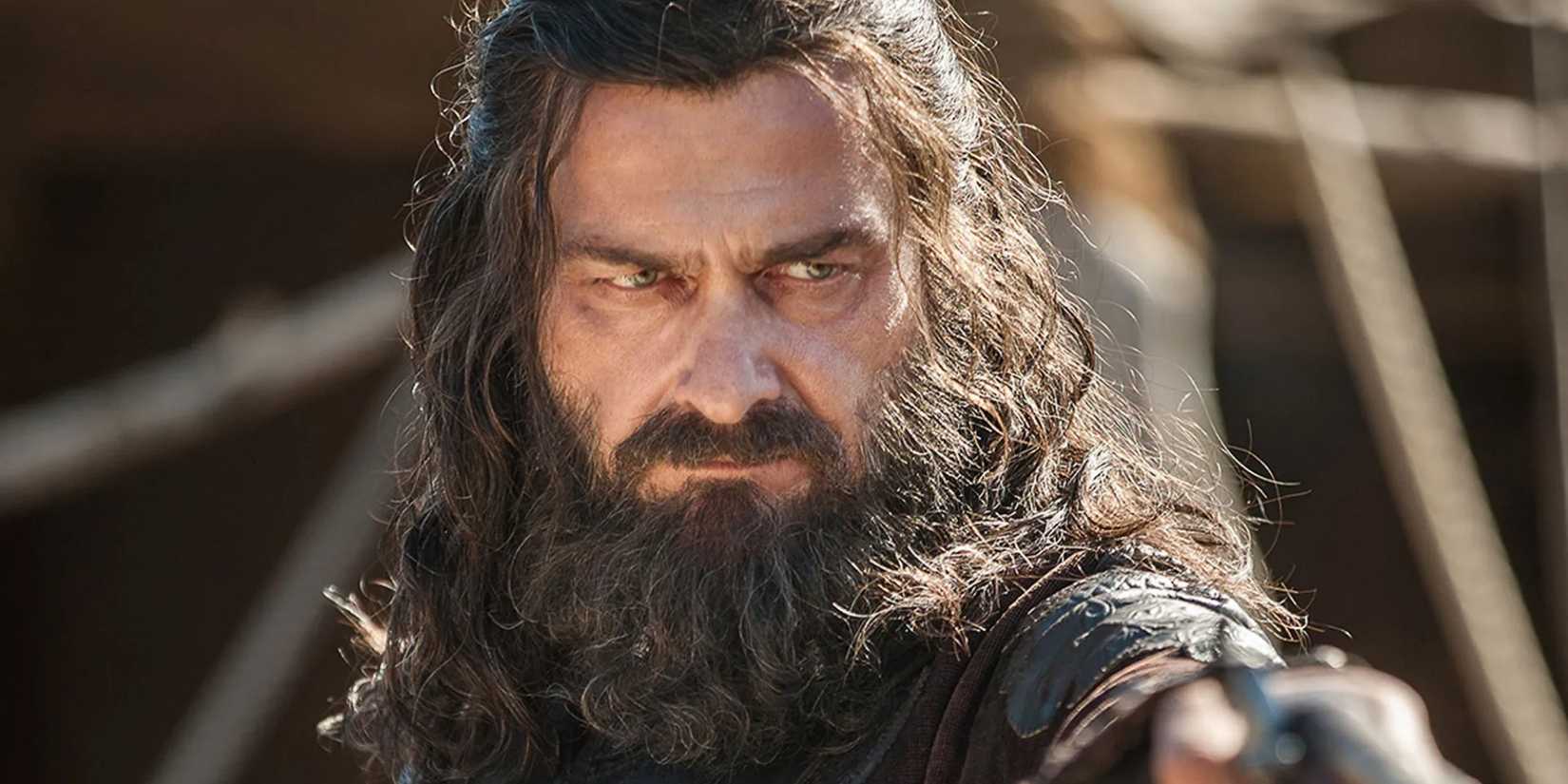
Although it had a middle of the road start, Black Sails grew into a series that deserved respect for its big swings and intense storytelling. Working with a roadmap that incorporated classic works of fiction and actual historical figures, the show didn't have an easy road to travel down, but as it continued on, Black Sails continued to be an impressive, intelligent series that made interesting choices for its characters. While part of the reason that the Starz series didn't get its due was timing, the advent of streaming and the resurgence of historical TV shows should rectify its issues.
Black Sails was committed to its long-term storytelling from the very start, working hard to introduce its characters and begin their stories in a way that made them interesting, but didn't bury the lede. As the show's reputation has grown in the time since its time on the air, Black Sails has become a series that's endured and found a new audience over time. Combining the adventurous spirit of the Pirates franchise with the foundation of Treasure Island, Black Sails remains a true hidden gem of 2010s TV that deserves far more attention than it got during its run.