30 Years Ago, Nintendo Revolutionized Its Oldest Franchise and Gaming as a Whole for Decades to Come
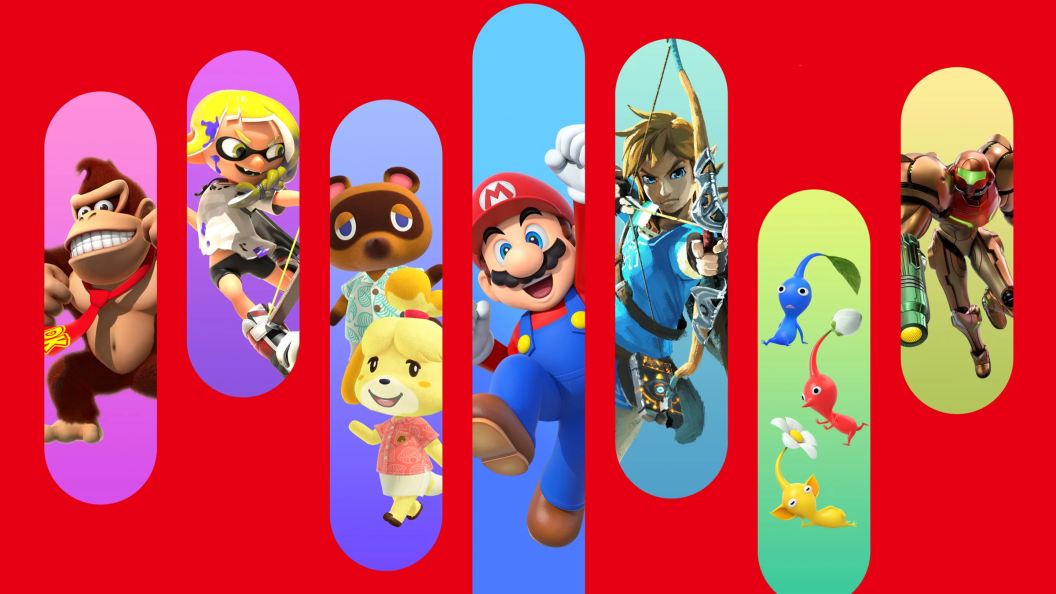
Thirty years ago, Nintendo took one of gaming’s most iconic franchises and rebuilt it from the ground up. To this day, it is hailed as one of the greatest games ever made, and those in its genre still fail to live up to it. What makes it stand out even more is how Nintendo did it: by reinventing a beloved idea and taking it in a new direction. Nintendo had to rethink movement, level design, camera control, exploration, and even how players understood space. The result helped define what 3D games could become at a crucial point in the medium’s history.
On September 29, 1996, Super Mario 64 arrived on the Nintendo 64, becoming the first Mario game to completely embrace 3D. It was not the first 3D platformer, but it established a framework that countless developers would build upon. Its analog controls, freely navigable environments, mission-based objectives, dynamic camera, and central hub became defining ideas for the 3D platformer genre. Three decades later, its influence remains important, and so many games, even those not in the same genre, pull from it. At the time, no one could have expected it to become the giant it is today.
Nintendo Had to Rethink How Mario Worked
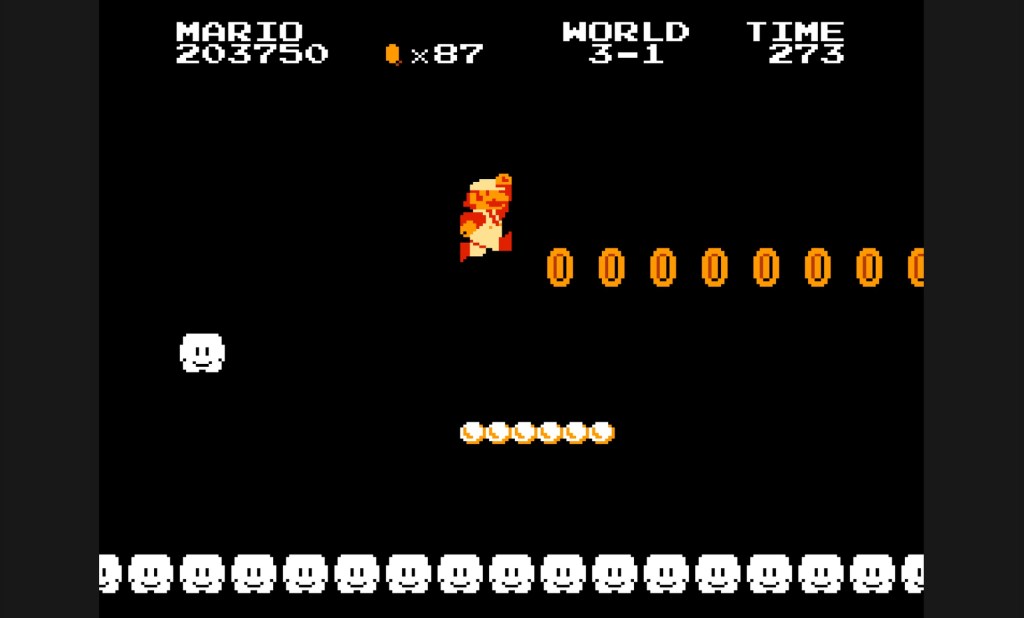
The transition from 2D to 3D was not simply a technological upgrade. Earlier Super Mario games were built around carefully constructed obstacle courses where the player moved from one side of the screen to the other, typically in an intended way. A three-dimensional environment introduced an entirely different problem. Players could move in multiple directions, objects could exist at different depths, and judging distances became considerably harder. Nintendo therefore had to rethink the dynamic between Mario and the player.
The Nintendo 64 controller was a major part of Mario’s success. Its analog stick gave Mario much more precise movement than a traditional digital directional pad could provide. Players could walk, run, and change direction with varying degrees of control rather than simply choosing among fixed directions. That became especially important because Super Mario 64 was built around movement through open 3D spaces rather than a predetermined path.
Then there was the camera. Nintendo created a controllable, dynamic camera system that allowed players to adjust their view while navigating the environment. It was not flawless, and camera problems remain one of the game’s most frequently discussed weaknesses, but the underlying solution was important. Modern third-person games still rely on variations of the same fundamental relationship between character movement and player-controlled perspective.
Super Mario 64 Created the 3D Platformer Template
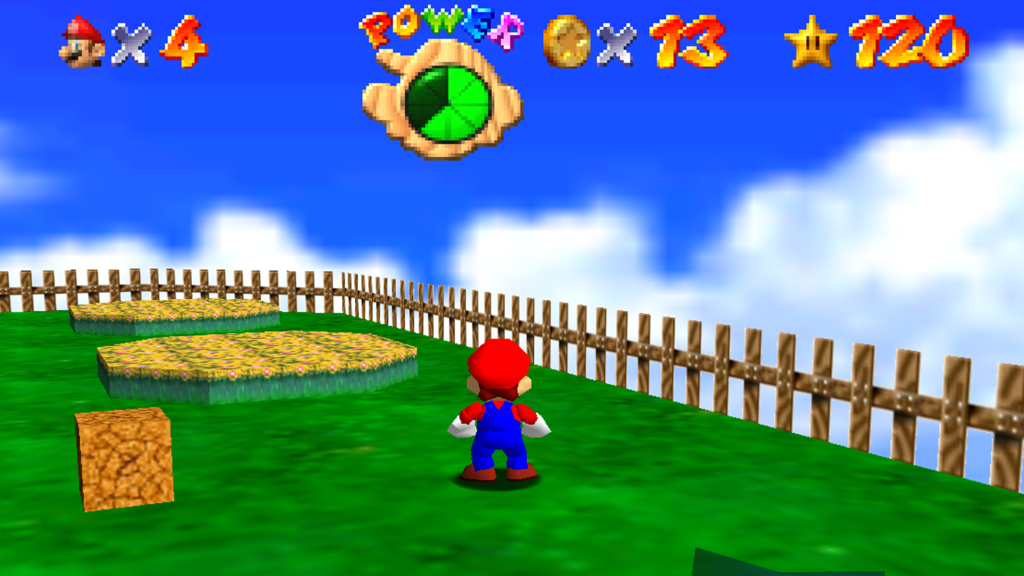
Nintendo’s biggest innovation was arguably not any individual mechanic, but the way those mechanics worked together. The central hub of Peach’s Castle allowed players to access different worlds and made it more enjoyable than a simple level select screen. Instead of simply completing one linear stage after another, players entered expansive environments and pursued individual objectives. Collecting Power Stars gradually opened additional areas and gave players a reason to explore the same spaces in different ways.
Many of the best 3D platformers that came after borrowed this idea. Banjo-Kazooie, Spyro the Dragon, and Donkey Kong all owe their design to Mario, and even more modern games as well. Developers working on other genres also studied Nintendo’s approach to 3D movement, cameras, and environments. 3D games existed before Super Mario 64, but it was obvious how much they changed once Nintendo released this Nintendo 64 gem.
Its influence eventually extended beyond platformers. The game’s emphasis on revisiting spaces, discovering objectives, and navigating interconnected environments demonstrated that 3D worlds did not have to be linear corridors. The next era of the GameCube, PlayStation 2, and Xbox would take this to the next step with fully open worlds that now dominate modern gaming. It may seem an exaggeration to attribute this all to Super Mario 64, but it has undeniably been a major influence.
Three Decades Later, Nintendo Still Has a Remake Opportunity
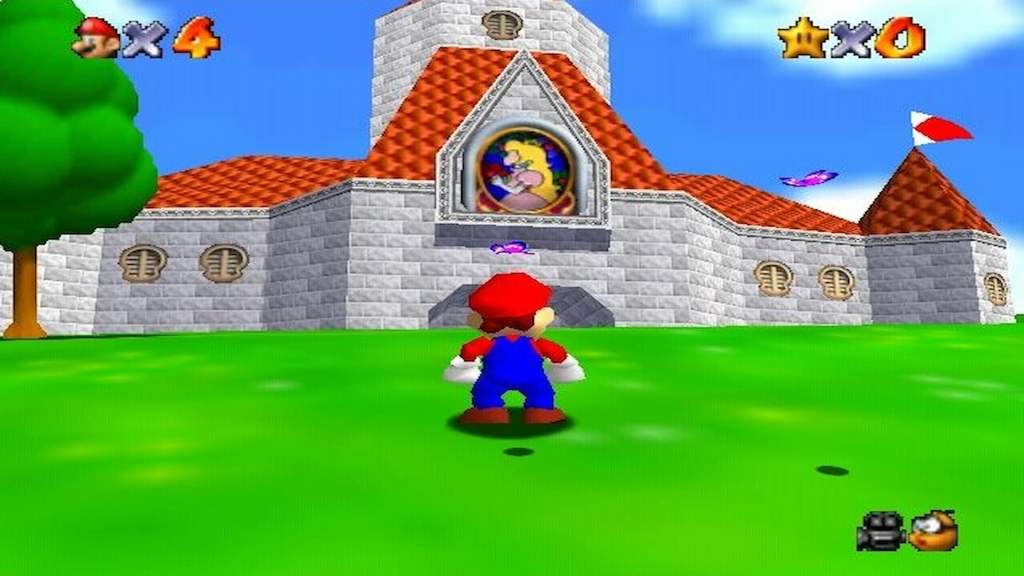
What is most amazing about Super Mario 64 is how it still stands the test of time, and its influence can still be seen today. Analog movement, third-person cameras, hub areas, collectible-based progression, and open-ended objectives became so familiar that it can be easy to forget how unsettled those ideas were in 1996. All of these owe a large part of their existence to Nintendo.
And this is what makes the idea of a remake of Super Mario 64 so interesting. We’ve already seen its rerelease through Nintendo Switch Online and the physical collection, and both have been popular with fans. Preserving the game in its original form is important, but Nintendo could easily capitalize on the game with a full revival on the Nintendo Switch 2. A full remake or substantial remaster could give Nintendo an opportunity similar to the upcoming The Legend of Zelda: Ocarina of Time remake.
Modernizing Super Mario 64 would allow Nintendo to fix the original’s complaints and improve on it across the board. Better camera work, controls, enhanced visuals, and even new content would make it a system seller. The important distinction would be respecting what made Super Mario 64 special rather than simply rebuilding it as a contemporary platformer. Thirty years later, its historical importance is already secure. A carefully handled modern version could simply give another generation a better way to understand why it mattered.