15 Years Later, I’m Still Not Over the Most Heartbreaking Moment in Gears of War’s History
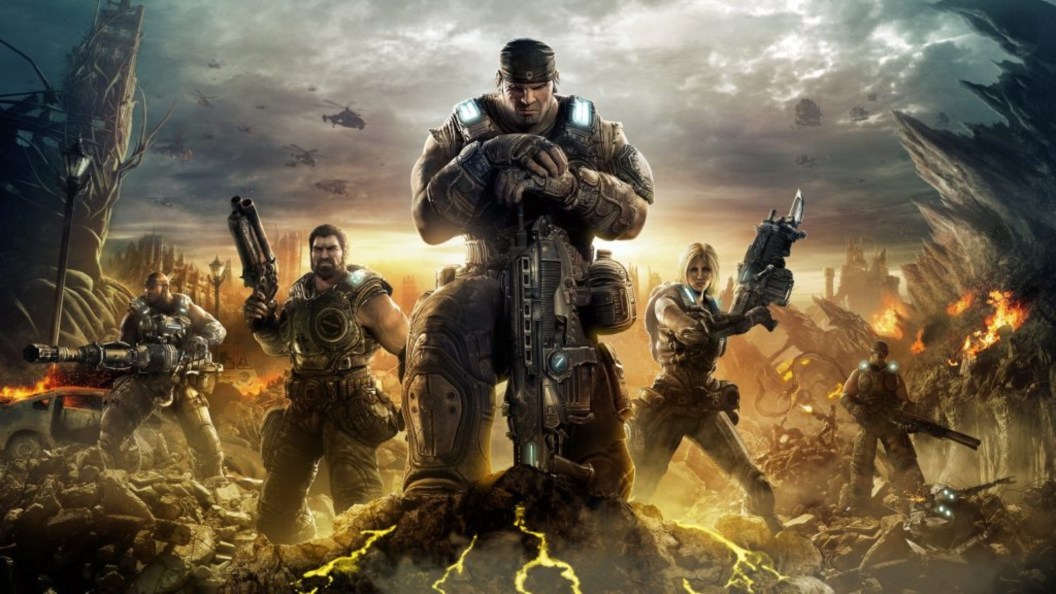
Gears of War is a strange video game series. On the surface, the game is the epitome of ultra-violence thanks to its gory enemies and brutal weapons. Baked into the bleak setting is a sense of heartbreak over the state of the world, a grim landscape where the survivors are still trying to pick up the pieces of a world lost to war with the alien horde known as the Locust.
It’s a strange dichotomy that was only reinforced by memorable cinematic trailers for the franchise that leaned into the somber elements. It wouldn’t be until 2011’s Gears of War 3 that the series actually achieved that blend of heartbreak and action, with the storyline for Dom still standing out 15 years later as a bold and heart-wrenching story of grief. While it may have played in the background to the more traditional sci-fi tropes and elements of the series, it’s still shocking just how far the developers at Epic Games were able to take Dom’s story.
Headers: Dom’s Story In Gears Of War 3 Was Heartbreaking

Gears of War 3 was, by most accounts, meant as the concluding chapter of the grisly third-person shooter series, notwithstanding the sequels and prequels that have subsequently come out in the years since. It has the vibes of a final story, too, especially when it comes to characters like Dom. Marcus Fenix’s best friend and the game’s co-op player character, Dom was made distinct from his frequent partner in part by making him a desperate husband. The character is established as someone holding out hope that his wife Maria, taken by the Locust years before the events of the games, might still be alive. Gears of War 2 confirmed that she was still alive, but in a catatonic state following her torture and interrogation at the hands of the horde. This leaves a despondent Dom to euthanize her out of sympathy for the woman she once was.
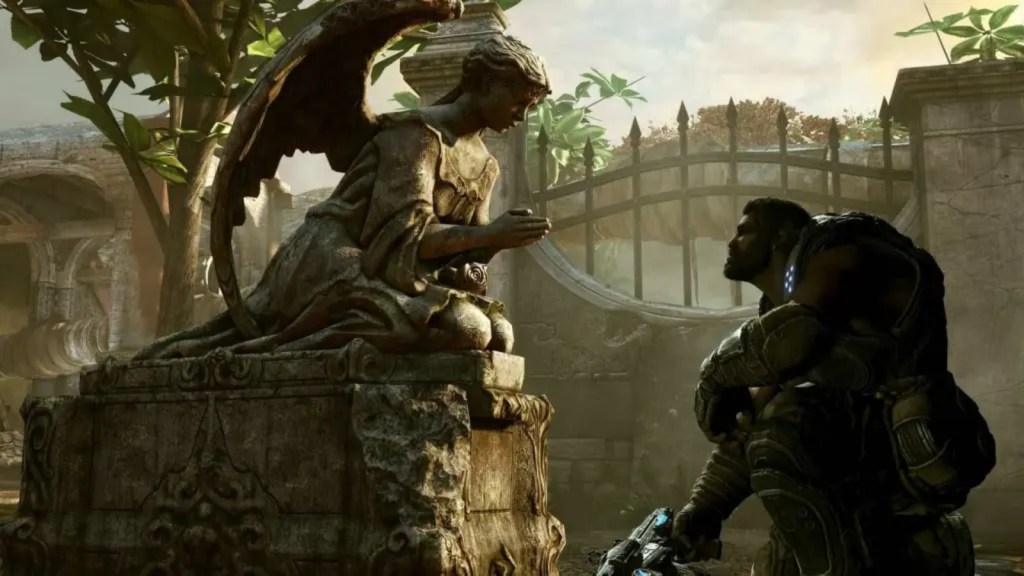
This decision still haunts Dom throughout Gears of War 3, leaving him morose for the latest mission alongside his allies. For the entire first half of the campaign, Dom is somber and sad. As the game progresses, Dom’s attitude keeps getting more disconnected as time progresses, until a notable junction in the plot leaves the heroes surrounded by the Locust. Dom, who had recently quietly left behind his dog tags on a graveyard angel, decides to sacrifice himself for his allies. Despite Marcus’ best efforts to save him, Dom quietly talks to his deceased wife as he drives a truck into a truck of the explosive Imulsion fuel. It’s a final moment for Dom, a death that is technically noble in its outcome to save his allies but is played for genuine heartbreak in the narrative. It’s not given a heroic vibe, without the heroic tenor that these kinds of sacrifices usually get in genre fiction. It’s a scene that reinforces the tragic throughline of Dom that the games had set up.
Gears Of War 3 Finally Realized The Franchise’s Emotional Potential
Gears of War remains one of the more intriguing games of its era in terms of the divide that can exist between marketing and release. The trailers for the series had always leaned into the somber potential of the property. The first trailer for the game series was famously scored to the cover of “Mad World” by Gary Jules, giving the tense action a somber tone. It seemed to promise a low-key tragic touch to the franchise. While the games had a few touches of that sadder side of things, it’s also a game where the player uses a machine gun that has a chainsaw attachment and has bombastic characters like Augustus Cole.
Even amid the sadder touches of the story, it didn’t ever realize that prospective storytelling potential. The storytelling and worldbuilding often built up on the sidelines of the world hinted at a sadder tone that the actual gameplay and narrative didn’t always actually utilize. It was a tonal mishmash that left fans of the series at an impasse. It had moments of grief, like the fate of Dom’s wife. The trailers leaned into that tone, even as the sheer over-the-top brutality of the action made each session a bloodbath — literally. Dom’s storyline is the real way the games were able to infuse a sense of tragedy into the world, to make the bleak tone of the world feel earned.
Dom’s story is one of the few painfully human arcs in the series, something that reinforces the cost and loss of the worldbuilding. While Marcus and other characters do get emotional arcs, it’s often tied directly to the vast lore or overarching conflict. Dom’s plot, by contrast, is grounded in grief. It follows a man who is left on the verge of oblivion by his grief, with choices that feel almost like he’s been waiting for an opportunity to end it that would at least not be in vain. It was the realization of all of Gears of War‘s emotional potential, wrapped up in one of the most somber and stark portrayals of blunt grief in modern gaming. Dom loses the snark and the spirit he had in the first two games. With one of modern gaming’s most memorable deaths, Gears of War finally achieved the real potential it had teased all along.