My Hero Academia's Ending Confirmed The Decade's Best Shonen Villain (Exclusive)

One of the most memorable anime villains of the decade grew considerably, with his original voice actor discussing what stood out in his evolution.
An experienced Editor representing Canada via ScreenRant's Team Anime, J.R. has been reading manga since the first printing of Shonen Jump in North America. This passion drove him to write about anime, manga, and manhwa since 2022, having recently served as Lead Anime Editor for ComicBook.com.
His favorite moments in media coverage include reviewing the series premieres of Zom 100 and Bleach: TYBW Part 2 back-to-back and briefly meeting Junji Ito at a VIZ gallery event in 2023.
Some villains are born evil and wish to unleash chaos to the world, while others are made by society, its failed institutions, or deep trauma warping their worldviews. Others, like My Hero Academia's Tomura Shigaraki, are made due to the perceived failings of the heroes meant to protect them from harm. Shigaraki's extraordinarily traumatic upbringing and the horrific incident driving him down his dark path snuffed out the last embers of his adoration of superheroes, instead being groomed by All For One to destroy the society said heroes built. Despite a clearly rocky reception to his initial portrayal, even the voice behind Shigaraki recognized the growth this shonen villain showed.
At Anime Expo 2026, ScreenRant got the chance to interview Kōki Uchiyama, voice of Shigaraki as well as other long-standing iconic adversaries like Meruem of Hunter x Hunter and more recently with Solo Leveling's Kang Taeshik. A prolific actor in the anime scene, Uchiyama had plenty of his own insight on what made Shigaraki's growth as a shonen anime villain make him one of the greatest of the past decade. To transition from being a violent pawn into the most dangerous villain before the end of My Hero Academia, and the final step to unleashing Shigaraki's power and self-actualization and embracing his past was, appropriately, going hands-off.
Shigaraki Voice Actor Discusses The Decade's Best Shonen Anime Villain Development

Warning: Spoilers Ahead For Shigaraki's Backstory In My Hero Academia!
Shigaraki had a fairly horrific past in My Hero Academia, much of it being revealed around the halfway point of the series. His initial perception by fans was arguably a bit underwhelming compared to other antagonists in the series so far; his hatred lacked coherency, he felt too dependent on All For One, all while other villains like Stain hardly had much trouble making an impression. But as Uchiyama discusses and longtime readers understand all too well, Shigaraki being covered in hands was far from solely an artistic choice or deliberate flex by creator Kohei Horikoshi about how well he can draw the infamously difficult appendages.
Uchiyama, asked about why Shigaraki was such a popular and enduring villain, responded with the following:
I believe the growth that he showed as a villain is a huge factor. And I believe that I mean myself. I didn't know when I first started recording, but in the middle of the series, we find out Shigaraki's background story, and the fact that it's shown in the middle, it really changed the impression and perspective of how people use Shigaraki.
And visually, he started with hands on his face. We wouldn't see his face. That changes, we see his face, the hairstyle changes, his body changes, and how he battles changes. I believe those changes are the reason Shigaraki is so intriguing.
Naturally, with the halfway point of the series bearing much of Shigaraki's "watershed" moment about his past trauma, and the end stages of the series laying out the central machinations by All For One making it all happen, Uchiyama had no way of knowing these details when cast. But Shigaraki's underwhelming characterization wasn't the result of Uchiyama's portrayal; he'd just not reached his final form yet. With the hands covering Shigaraki belonging to the family members tragically killed by his awakened Decay Quirk, removing these hands was clearly Shigaraki's path to greater character development.
But the hand covering his face in particular being that of his abusive father was a visual reminder of the violence he experienced, and an anchor to Shigaraki's past. The moment of its removal was Shigaraki's greatest liberation as a villain with a sense of agency, his hatred soon empowered by the re-emerging memories. Even his Quirk undergoes an awakening around then, becoming vastly more dangerous, his development overall reflecting him becoming more dangerous, and far more memorable against an impressive array of emerging, iconic anime nemesis.
Shigaraki Stands Tall Against Other Iconic Anime Adversaries Of The Decade
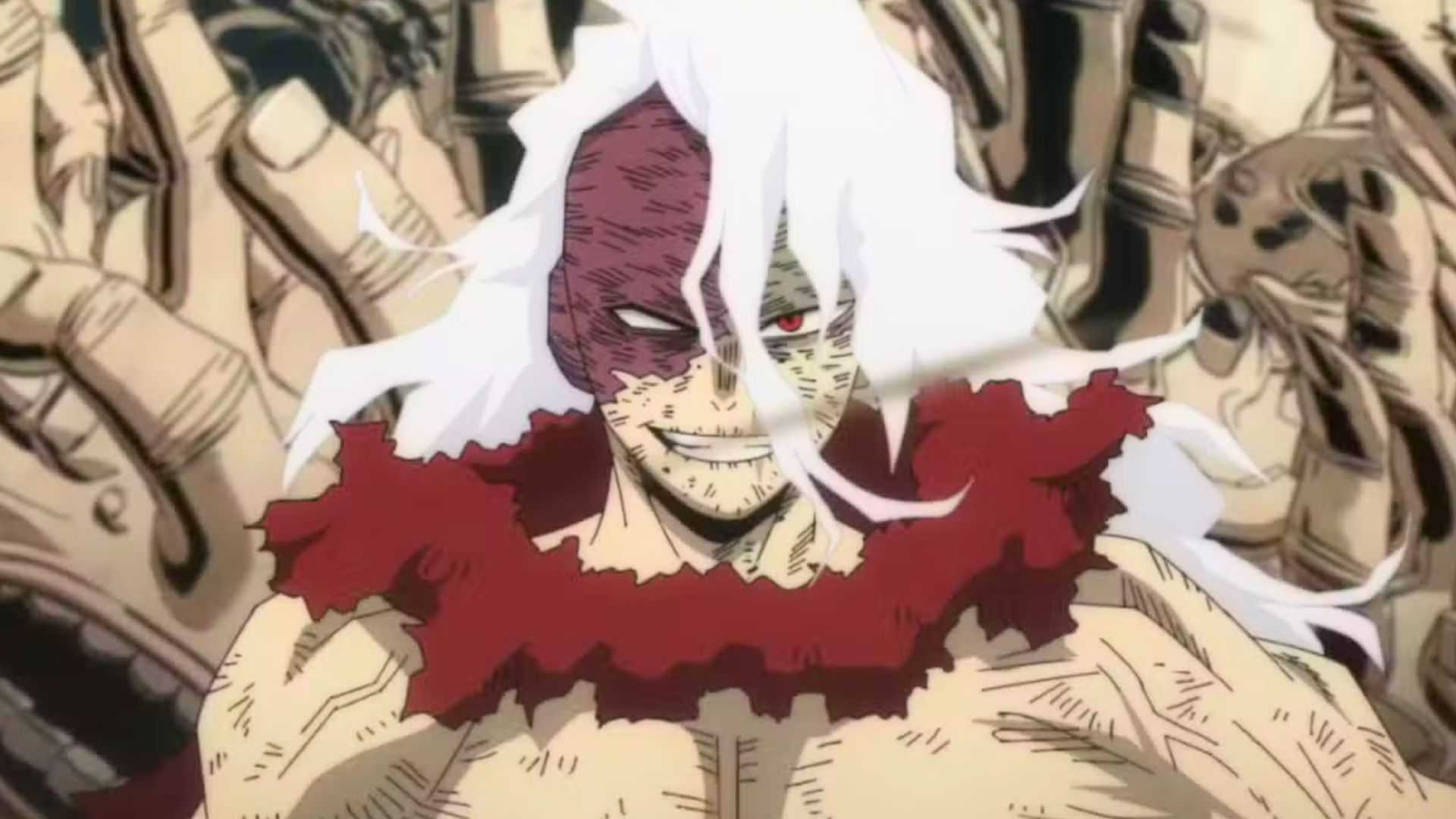
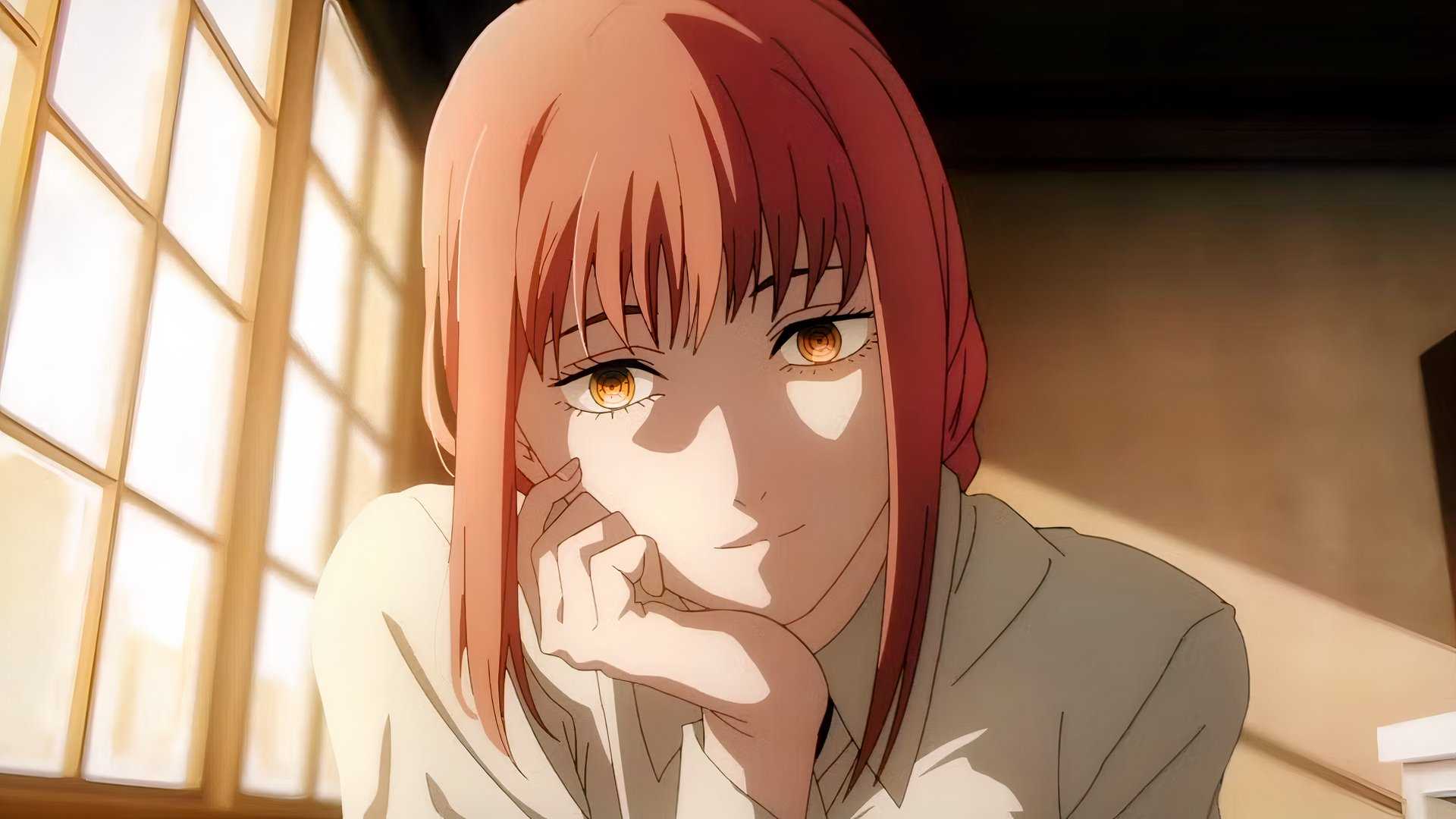
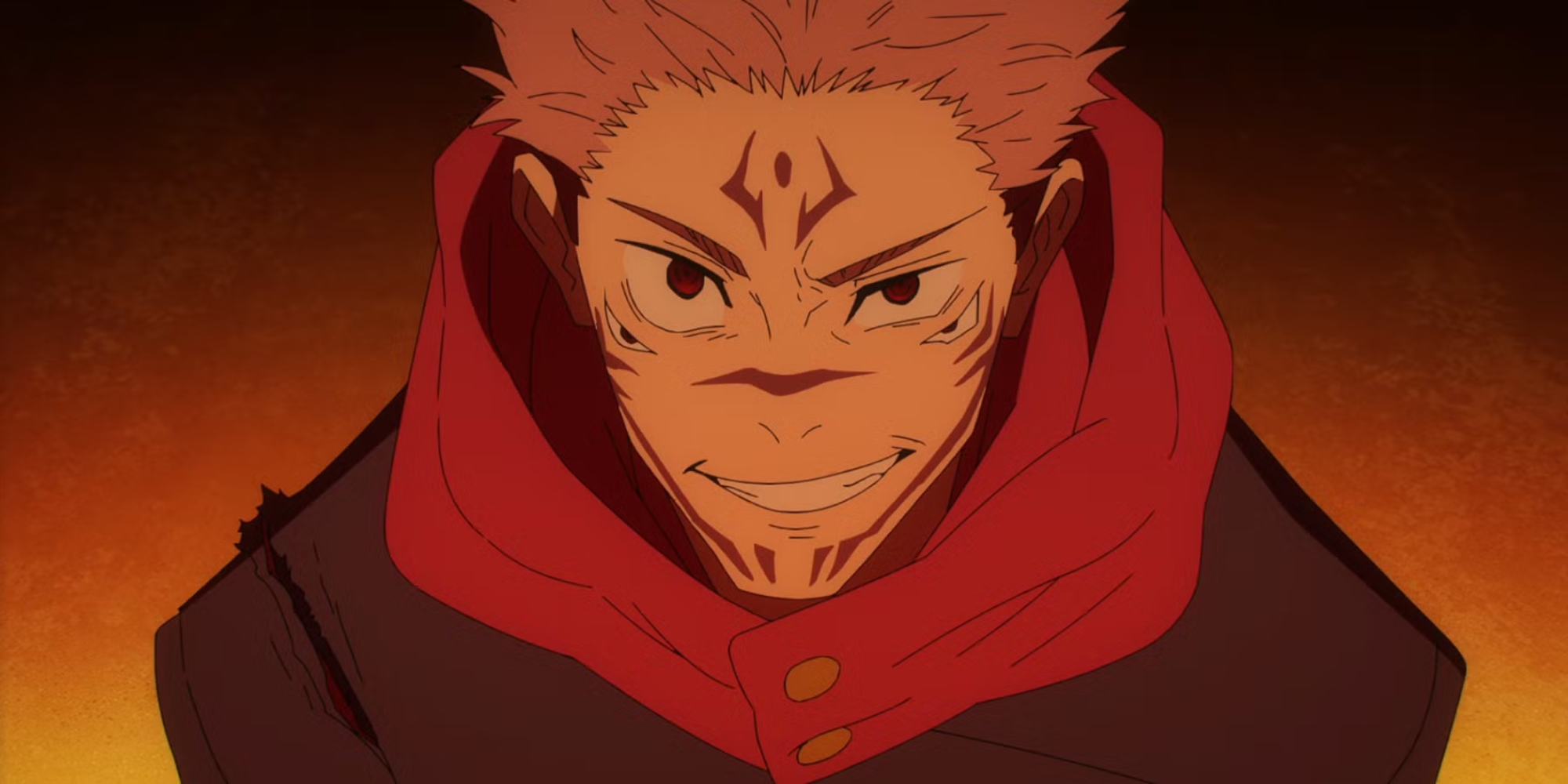
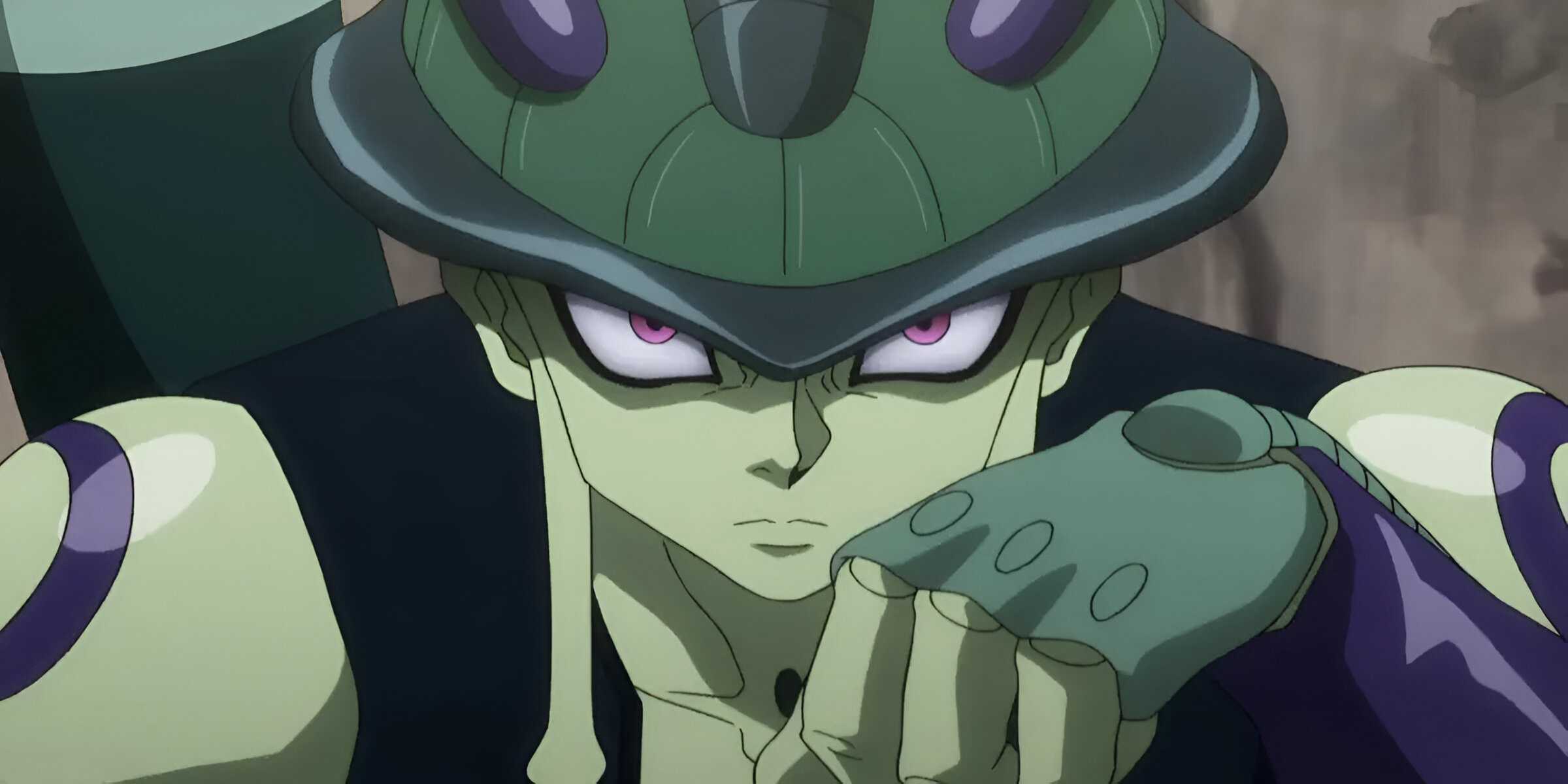
There's truly something to be said about some of the decade's most excellent villains in shonen anime beyond Shigaraki, despite him arguably having what'd become the best villain arc. Chainsaw Man's Makima is a different type of villain, made dangerous by her Control Devil powers' absolutely devastating potential and just how she breaks down the protagonist, Denji. Jujutsu Kaisen's Ryomen Sukuna is such an established terror throughout the series he's practically more of a force of nature. Shigaraki is conceived as an underwhelming villain who, after his dark brand of self-actualization, is self-aware of his own deeds to the point of believing himself to be beyond redemption.
From the Slime Villain to the Final War · Eight Questions How Well Do You Know My Hero Academia? “Plus Ultra!”
🏫U.A. HighClass 1-A
🧡All MightSymbol of Peace
💥BakugoDIE!!! (affectionately)
❄️Half-Cold Half-HotTodoroki Shoto
👻League of VillainsDecay incarnate
01
My Hero Academia’s protagonist is a Quirkless boy in a Quirk-saturated world who dreams of becoming a hero. Bakugo derisively nicknames him “Deku” (a play on the kanji for “useless”) before he eventually reclaims it as a hero name. What’s his actual name?
✓ Correct! Izuku Midoriya. The series opens with him as a 14-year-old Quirkless middle schooler obsessively cataloguing pro heroes in his battered notebooks. The kanji for his nickname Deku (弟卜) reads as “useless” in Bakugo’s mocking context, but Uraraka points out it can also be read as “dekiru” (“you can do it”) — which is the framing he eventually adopts as his hero name.
✗ Wrong. The answer is Izuku Midoriya. Eijiro Kirishima is the red-haired Hardening Quirk user who’s Bakugo’s best friend. Tenya Iida is the engine-legged class president. Denki Kaminari is the Electrification Quirk user who short-circuits into “wheyyy” mode at his limit. Deku is Izuku Midoriya.
02
In the show’s opening arc, All Might passes his unique stockpile-and-transfer Quirk to Deku, making him the ninth holder of a power that has been refined across generations. Each previous holder leaves behind their own ability inside it. Name the Quirk.
✓ Correct! One For All — a Quirk created when the original Quirkless holder was given a power-stockpiling ability by his villainous brother, who would later become All For One. Each holder strengthens it before passing it on. By the time Deku inherits it, six previous wielders’ Quirks (Float, Blackwhip, Smokescreen, Fa Jin, Danger Sense and Gearshift) are also accessible from within. He’s the ninth and (initially) final user.
✗ Wrong. The answer is One For All. All For One is the antagonist Quirk — the one that steals and gives Quirks — and is also the name of the original villain who founded it. “Plus Ultra” is U.A.’s school motto. Deku’s inherited power is One For All.
03
Class 1-A’s perpetually-exhausted homeroom teacher is also the underground hero Eraser Head, whose Quirk lets him cancel another person’s Quirk simply by looking at them. He sleeps in a yellow caterpillar-style sleeping bag, drinks jelly pouches and is fiercely protective of his students. What’s his name?
✓ Correct! Shota Aizawa — hero name Eraser Head, civilian name perpetually-rumpled Class 1-A homeroom teacher. His capture-weapon scarf and Erasure Quirk make him one of U.A.’s most dangerous combatants in close quarters — though the Quirk only works while his eyes are open, which he uses dramatically to prep dramatic stares before unleashing. Voiced by Junichi Suwabe in Japanese and Christopher Sabat in English.
✗ Wrong. The answer is Shota Aizawa. Hizashi Yamada is Aizawa’s loud blonde best friend — the hero Present Mic. Toshinori Yagi is the civilian name of All Might. Sekijiro Kan is Class 1-B’s homeroom teacher Vlad King. Eraser Head is Aizawa.
04
Deku’s childhood frenemy Katsuki Bakugo is one of the franchise’s most popular characters — explosive in temperament and in Quirk. His sweat is nitroglycerine-like, ignited at his palms to produce concussive blasts. Name his Quirk (which is also the official Quirk name).
✓ Correct! Explosion. Bakugo can secrete a nitroglycerine-like sweat from his palms and ignite it — the harder he’s sweating, the bigger the boom. His U.A. Sports Festival hero costume includes the iconic grenade-shaped gauntlets that store and release the sweat for his “Howitzer Impact” ultimate move. After much fan voting and his own multiple rejections of cute hero-name suggestions, his final hero name is Dynamight, the God of Explosive Destruction.
✗ Wrong. The answer is Explosion. Hellflame is Endeavor’s Quirk — the #1 hero post-All Might. “Detonation” and “Combustion” aren’t official Quirks. Bakugo’s sweat-into-nitroglycerine palm-ignition power is officially named Explosion.
05
The League of Villains is led by an unstable, severed-hand-wearing young man with a Quirk called Decay — touch with all five fingers, and matter crumbles to dust. Trained by All For One as the heir to his throne, he eventually inherits the original villain’s Quirk-stealing power. Name him.
✓ Correct! Tomura Shigaraki — born Tenko Shimura, grandson of the seventh One For All wielder Nana Shimura, raised after a tragedy by All For One himself. Decay is one of the franchise’s most terrifying Quirks (it spreads on contact and has no upper limit). After the Paranormal Liberation War arc he absorbs All For One’s power and becomes the series’ final-arc primary antagonist.
✗ Wrong. The answer is Tomura Shigaraki. Dabi is the League’s blue-flame user (and a Todoroki family secret). Stain is the “Hero Killer” ideologue who inspires the League. Kurogiri is the misty warp-gate butler. Shigaraki is the League’s leader, identifiable by the array of severed hands he wears as a self-soothing fashion choice.
06
All Might is the world’s top hero and the eighth holder of One For All before passing it to Deku. In his weakened civilian form — the result of a brutal injury inflicted by All For One years before the series begins — he’s a hollow-cheeked, blood-coughing teacher at U.A. What’s All Might’s civilian name?
✓ Correct! Toshinori Yagi. The injury that left him with a perpetually-bleeding stomach wound came in his climactic fight against All For One five years before the series begins — the same fight that killed his predecessor and mentor Nana Shimura’s legacy. Toshinori’s gaunt civilian form vs. his bulked-out hero form is among anime’s most distinctive transformation gags. Voiced by Kenta Miyake in Japanese, Christopher Sabat in English.
✗ Wrong. The answer is Toshinori Yagi. Enji Todoroki is Endeavor (Shoto’s father, the new #1 hero after All Might retires). Keigo Takami is the Wing Hero Hawks. Daigoro Banjo is the fifth wielder of One For All. All Might’s civilian self is Toshinori Yagi.
07
My Hero Academia began serialisation in Weekly Shonen Jump in July 2014, ran for over 10 years and over 430 chapters before concluding in August 2024 — one of the defining shonen titles of the 2010s and 2020s. Name its mangaka, who has openly cited Naruto and Western superhero comics as primary influences.
✓ Correct! Kohei Horikoshi. He’d previously had two short-lived Jump series (Oumagadoki Doubutsuen, Barrage) before pitching MHA, with All Might consciously designed as an Americanised Superman/Bruce Timm pastiche. The series accumulated over 100 million copies in print and ran from July 2014 to August 2024. Horikoshi is also a fervent ghibli/Western-superhero fan; he’s done illustrated tributes to Spider-Man and Batman.
✗ Wrong. The answer is Kohei Horikoshi. Tatsuki Fujimoto created Chainsaw Man and Fire Punch. Gege Akutami created Jujutsu Kaisen. Eiichiro Oda created One Piece. Horikoshi is MHA’s mangaka and was one of Weekly Shonen Jump’s headline creators throughout the 2010s.
08
The MHA anime adaptation has been a flagship of its production studio since the first season aired in 2016, with seven seasons, four films and a regular slot in the global streaming spotlight. The same studio is behind Fullmetal Alchemist: Brotherhood, Mob Psycho 100 and Bungo Stray Dogs. Name it.
✓ Correct! Studio Bones (officially BONES Inc.) — the Suginami-based studio founded by ex-Sunrise producers in 1998. Bones is one of the most respected action-anime houses, with credits including Fullmetal Alchemist: Brotherhood, Soul Eater, Eureka Seven, Mob Psycho 100, Cowboy Bebop: Knockin’ on Heaven’s Door and Bungo Stray Dogs. MHA has been their flagship contemporary IP since 2016.
✗ Wrong. The answer is Studio Bones. MAPPA does Jujutsu Kaisen, Chainsaw Man and the final Attack on Titan seasons. Wit Studio did the early Attack on Titan seasons (1–3) before MAPPA took over, plus Vinland Saga and Spy x Family. Madhouse did One Punch Man season 1, Death Note and Hunter x Hunter (2011). MHA’s anime is Bones.
U.A. Provisional License · Final Score Your Hero Standing
🧡
/ 8
Symbol of Peace — or still Quirkless?
Whether Shigaraki stands among the greatest shonen anime villains of all time is debatable, but he certainly stands out well while defying tropes plaguing antagonists of his type. His tragic backstory is layered and complex, with him using it to double down rather than to garner sympathy with the audience. The visual storytelling of Shigaraki's design is strong, as is the pure artistry that went into it, and how he visually transformed once the hands came off. My Hero Academia left fans with a pretty solid final villain by the end, with Uchiyama's portrayal among the many highlights of a spectacular finale worthy of Anime of the Year.