25 Years Later, The GameCube Is Still One Of Nintendo’s Most Important Releases, Even If It Didn’t Sell Well
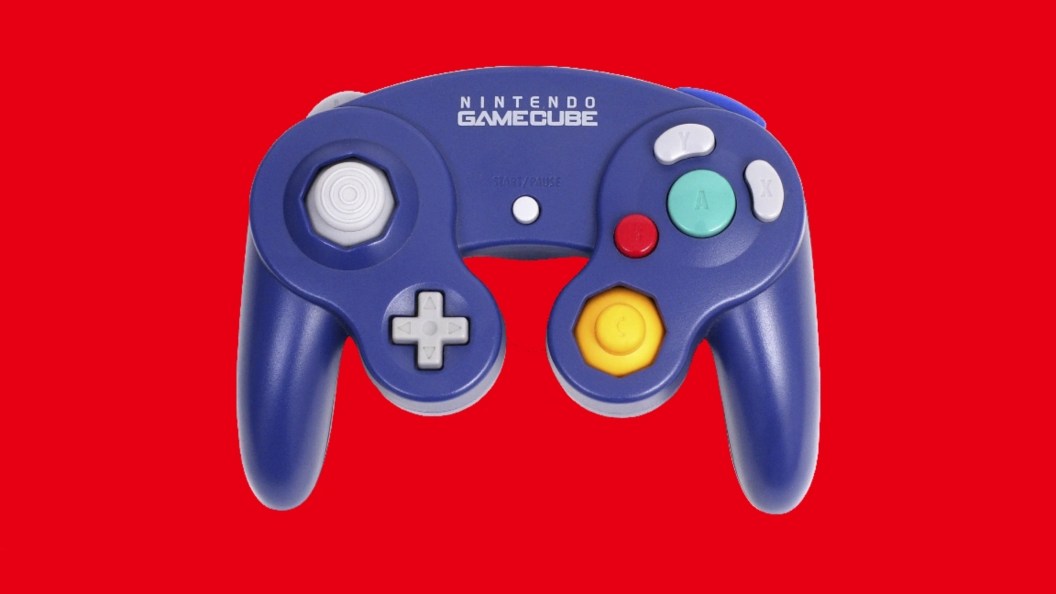
Nintendo has been a fixture of gaming for over forty years, with the NES reestablishing home consoles as a viable product following the video game collapse of 1982. Since then, platforms like the Game Boy have kept them relevant even as their place as the top dog in the console space diminished. Nowadays, the Switch and the Switch 2 have been able to really dig into the publisher and into the current space and make them a viable alternative to things like the PS5.
One of the most important steps along that path was the GameCube, the successor to the Nintendo 64 that came out 25 years ago. Although it failed to overtake the PS2 and faced new competition from Xbox, the GameCube’s rich first-party library and focus on experimentation reshaped Nintendo’s priorities when it came to new game releases. A quarter of a century later, it’s worth looking back at the GameCube and recognizing its important place in Nintendo history.
The GameCube Was Nintendo’s Experimental Era
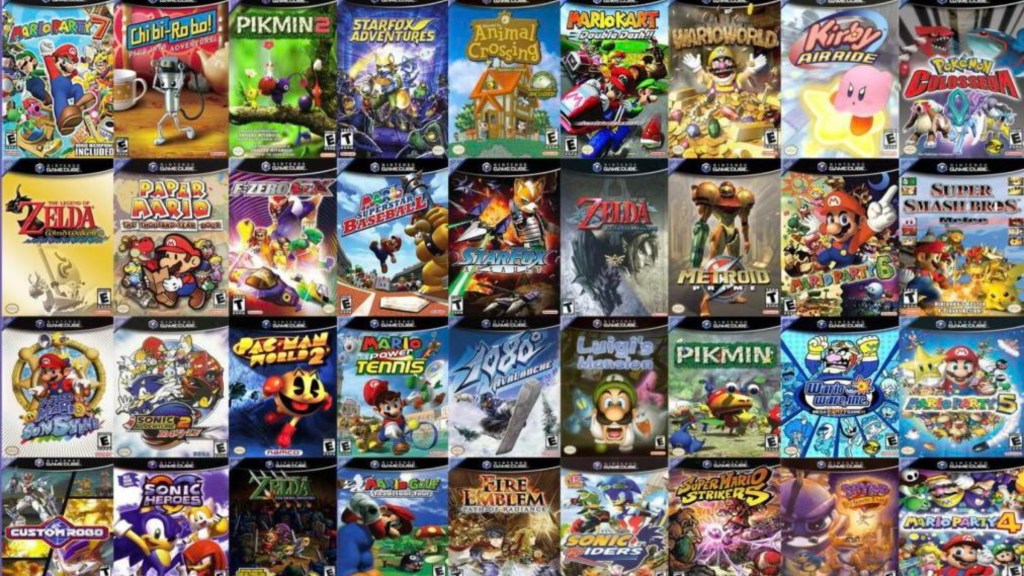
The GameCube may not have been the biggest best seller in Nintendo’s history, but it represented an era of experimentation for the publisher that is key to the modern successes of the company. While Nintendo couldn’t counter the third-party support that helped give Xbox a foot in the door and established PlayStation as the de facto frontrunner in the console wars, the GameCube was home to some of Nintendo’s most ambitious reinventions and fresh approaches. Luigi’s Mansion, Super Mario Sunshine, Paper Mario and the Thousand-Year Door, The Legend of Zelda: Wind Waker, Metroid Prime, and Star Fox Adventures all showcased a willingness to take big swings with their most established IP, tweaking the gameplay mechanics and genres to terrific effect. New properties like Pikmin and Animal Crossing found success and quickly became foundations for Nintendo’s future.
The continued focus on four-player multiplayer delivered a golden era of split-screen action across games like Mario Kart: Double Dash, Mario Party 4, The Legend of Zelda: Four Swords Adventure, WarioWare Inc., Inc., Super Monkey Ball, and Super Smash Bros. Melee. A collaboration with Capcom led to a resurgence for Resident Evil and the debut of Viewtiful Joe, while experiments like Eternal Darkness, Lost Kingdom, and Skies of Arcadia: Legends were all terrific exclusives (at least at first) that showed a Nintendo more willing to experiment with their family-friendly identity.
While the console suffered from a lack of M-rated games like Grand Theft Auto that were helping transition gaming into a more mature-focused space, the console was home to some truly terrific first-party games that continued to push the publisher to grow. It proved that Nintendo needed to double down on its unique elements instead of trying to follow the pack. In a modern era where Nintendo has increasingly embraced new approaches to characters like Mario and Link while letting outside developers take on some of their biggest IP to great results, the GameCube feels like a crucial step for the publisher on that path.
The GameCube Reshaped How Nintendo Saw Itself
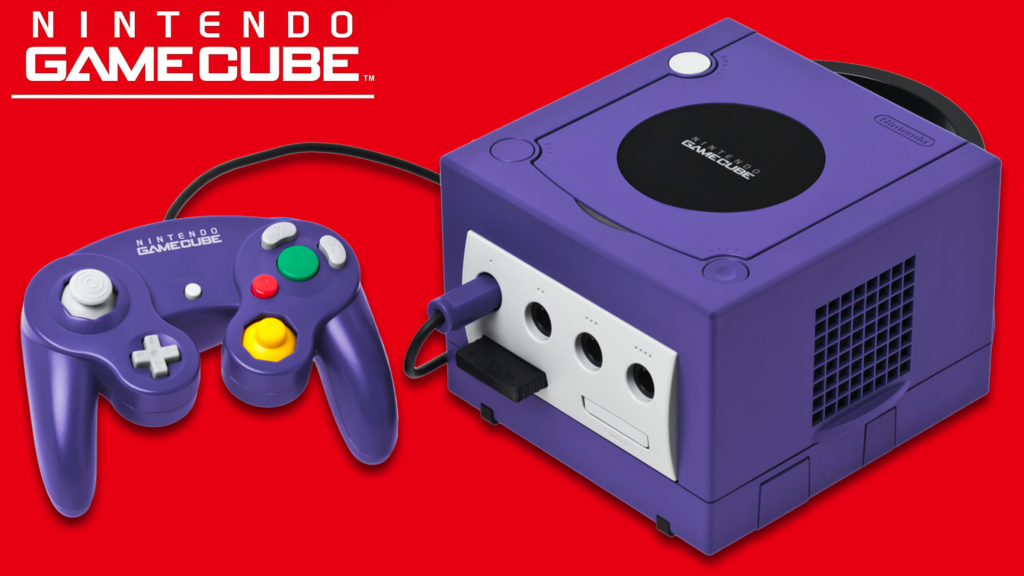
The GameCube’s struggles to connect with a broader audience, increasingly swayed by the PlayStation, clearly had an impact on the publisher. After spending more than a decade as the de facto king of the console space, the rise of new rivals resulted in Nintendo shifting gears and positioning itself as an experience-first brand. The handheld market, still dominated by Nintendo in an era before mobile gaming shifted to phones, served as a space for interaction experiments thanks to the GBA’s add-ons and the Nintendo DS’s touch screen capabilities. Hoping to stand out from the competition, Nintendo’s follow-up to the GameCube was the Wii, which leaned heavily into unique gameplay (for good and for ill) with the Nintendo Wii. The era of experimentation for the publisher and its developers continued to be refined in this period, building on the momentum from the GameCube era as developers under the Nintendo banner pushed themselves in new ways.
This same line of thinking has a direct line to the Nintendo Switch, which took the mobile intentions of the GameCube’s compact design and fused it with a handheld format to maximum effect. The GameCube may not have been Nintendo’s most successful console, but the platform’s challenges and drawbacks required the publisher and its developers to think outside the box. It forced them to confront the need for third-party successes, laying the groundwork for the healthy number of indie and AA titles that can be found on the Nintendo eShop. It reinforced the idea that Nintendo’s biggest titles could be more than just new iterations of the same old thing. If nothing else, the GameCube highlighted how Nintendo could really carve out its own niche in the gaming market and just how important that would be to survive the transitional period gaming was entering as online games, mobile platforms, and digital storefronts reshaped the industry. It did all that while delivering some all-time great games and remains a crucial step in the publisher’s history.