Doom, Halo, and Gears of War Have All Returned. One Iconic Shooter Should Be Next
The shooter genre has gone through countless trends over the past two decades. Military shooters dominated for years before battle royales took over, while hero shooters carved out their own audience. There was also the rise of story-driven shooters like Bungie’s original Marathon, but before all these, it was fast-paced arena shooters that started it all. And today, players still have an appetite for the fast, skill-driven experiences that defined gaming’s golden age. DOOM proved it with its critically acclaimed modern entries, Halo continues finding new ways to expand its universe, and Gears of War is returning with a prequel that takes the series back to its roots. Classic shooters are far from finished.
Watching all of these legendary franchises receive another chance has made me realize there is still one giant missing from the conversation. Every new announcement reminds me how much I miss Unreal Tournament. Few games ever matched its speed, satisfying weapon sandbox, and demanding skill ceiling. The Secret Level episode centered around Unreal Tournament captured the energy that made the series so memorable. It was a reminder that Epic Games is still sitting on one of the greatest shooter franchises ever created, and now feels like the perfect time to bring it back.
Doom, Halo, and Gears of War Have Proven There’s Still a Place for Classic Arena Shooters
Id Software completely revitalized DOOM beginning with 2016’s DOOM before expanding its formula with DOOM Eternal. Instead of abandoning what made the franchise famous, the developers modernized its movement, combat, and level design while preserving its relentless pace. More recently, DOOM: The Dark Ages explored a different era of the series while still delivering the fast combat fans expected. These games proved that classic shooter design can still thrive when paired with modern technology and smart evolution.
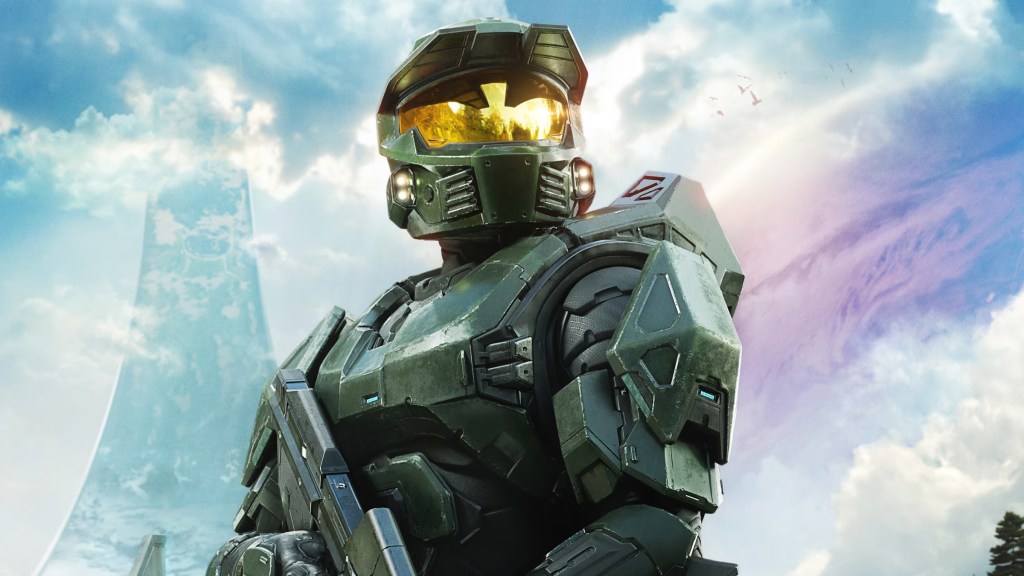
Microsoft has taken a similar approach with Halo. While Halo Infinite experienced a difficult launch, years of updates transformed its multiplayer into a far stronger experience. At the same time, Halo Studios has confirmed the franchise’s future on Unreal Engine 5, signaling another fresh chapter for one of gaming’s biggest names. Halo: Campaign Evolved is set to revive the series’ narrative as well. Rather than allowing Halo to fade into history, Xbox continues investing in its future.
The same philosophy applies to Gears of War. Instead of simply continuing the timeline, Gears of War: E-Day returns to the beginning of humanity’s war against the Locust Horde. Prequels, reboots, and modern sequels all demonstrate the same lesson. Players still care about legacy shooters when developers respect what made them special while introducing them to new audiences. If these franchises deserve another chance, Unreal Tournament certainly does too.
Unreal Tournament’s Lightning Fast Gunplay Still Has Few Equals

What separated Unreal Tournament from nearly every other arena shooter was its movement. Dodge jumps, wall dodges, lift jumps, and constant momentum created matches that rewarded mechanical mastery from the very first second until the final score. Standing still almost always meant defeat, and every encounter demanded quick reactions and smart positioning. Unreal Tournament was the pinnacle of twitch shooters, and it showed.
Its weapons were equally unforgettable because every gun filled a unique role and alternate firing style without making the others obsolete. The Flak Cannon dominated close quarters with devastating bursts, the Shock Rifle rewarded precision, and experienced players mastered the famous shock combo by detonating secondary fire with a primary beam. Even the Rocket Launcher, Bio Rifle, and Lightning Gun offered completely different approaches to controlling the battlefield. Few multiplayer shooters have ever balanced creativity and competitiveness this successfully.
Amazon’s Secret Level episode based on Unreal Tournament reminded fans exactly why the franchise still resonates. It captured the brutal speed, futuristic arenas, and over-the-top action that defined the games for years. Watching it brought back memories of countless multiplayer matches where victory depended on movement, map knowledge, and split-second decisions rather than unlock trees or seasonal progression systems. That episode showed there is still genuine enthusiasm for the franchise and made me desperate to return to the series.
A Modern Unreal Tournament Could Deliver the Best of Both Single Player and Multiplayer

One area where a revival could improve upon the originals is single-player content. Earlier Unreal Tournament games focused almost entirely on tournament progression with only light storytelling, the stories often just being short cutscenes before jumping into the arena. Today’s audiences often expect a narrative alongside multiplayer, and Epic Games has an opportunity to expand the universe without sacrificing its competitive roots.
Amazon’s Secret Level perfectly set the stage for a strong narrative: a campaign exploring the corporations, alien races, and gladiatorial spectacle surrounding the Liandri Grand Tournament before seamlessly transitioning players into online competition. The universe already contains enough lore to support a compelling science fiction story while introducing new players to its characters, factions, and technology. A strong campaign would also provide an accessible entry point for players unfamiliar with arena shooters.
The multiplayer foundation should remain largely unchanged because it never stopped being fun. Keep the lightning-fast movement, preserve the iconic weapon sandbox, modernize matchmaking, add robust progression, and support community-created maps from day one. Epic Games already has the technical expertise to build large-scale online experiences. Bringing Unreal Tournament back with both an engaging campaign and world-class multiplayer would give the genre another flagship franchise at a time when players have already shown they are eager for the return of classic shooters.