4 Upcoming Multiplayer Games That Could Actually Be Live-Services Successes
Although live service games can come with a variety of problems, their structure can be incredibly supportive for certain titles trying to share tons of content with its players. Seasonal expansions, Battle Passes, and continual events can keep a game exciting, drawing players in and rewarding those who stick with it alongside their friends in multiplayer modes. Several games coming out before the end of 2026 have the potential to be great live service titles, as long as they aren’t too egregious with those systems and instead use them to keep their audience happy.
Some upcoming games are already designed to have live service element baked into them, based on their intrinsic nature. For example, November 2026’s World of Warcraft: Forever is an amalgamation of every era of the iconic MMORPG, which remains one of the most successful live service games of all time. Other titles like Call of Duty: Modern Warfare 4 and Gears of War: E-Day will no doubt have live service features too, though they were to be expected for those type of AAA shooter experiences.
4. We Were Here Tomorrow
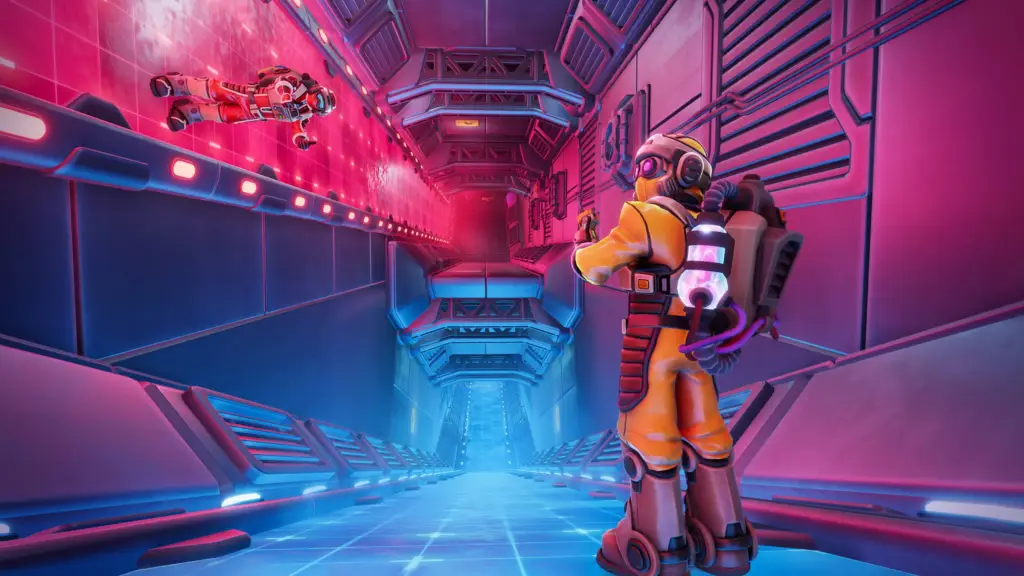
Releasing on October 20, 2026, We Were Here Tomorrow is a two player co-op puzzle game, inspired by the likes of Portal 2 and other inventive multiplayer experiences. Designed to be an asymmetrical journey between two players, this game puts you on an adventure where cooperation and communication are key to find your way forward. The game’s goals are tied to completing a series of complete tasks around a sci-fi facility, with players often being separated with limited ways to talk to one another.
This game is likely to have a fascinating sandbox driven by puzzles that can only be overcome by synergy between both players. Despite the fact that the game is likely straightforward to its main story, much like Portal 2, there could be a multiplayer mode that expands upon what We Were Here Tomorrow initially delivers. An arcade mode filled with puzzles could be the basis of live service, where new “Seasons” of the game simply add more and more puzzles to solve. Leaderboards for getting through puzzles quickly could be a motivating factor that keeps players invested in a live service direction for the game.
We Were Here Tomorrow sells its premise from how each player has a distinct role to play, whether it’s through the use of high-tech tools or the manipulation of space, time, or gravity. Live service models for the game could expand upon this idea, not adding more than two players, but broadening the roles players could embody. In a way, this game could take the same approach of Deep Rock Galactic, adding hub world and cosmetic elements to personalize a player’s puzzle-based adventures.
3. Star Wars: Galactic Racer
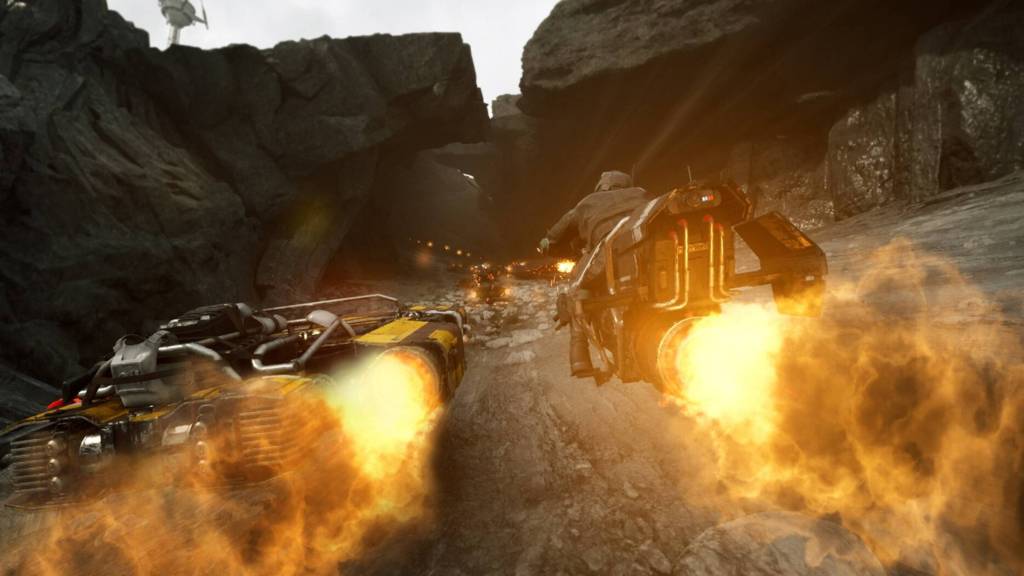
Star Wars: Galactic Racer has everything a live service game wants, from deeply customizable sci-fi vehicles from the Star Wars universe that players control, to cameo characters from the movies that also define gameplay. This game has two modes that both could be tied to multiplayer — the roguelike story with your custom character/vehicle, and an arcade-style racing mode where you can use preset characters from Star Wars‘ past. Seasonal or Battle Pass content could target either setting, as long as they have multiplayer elements that rewards would be tied to.
There might easily be a seasonal formula in Star Wars: Galactic Racer tied to unlocking new and powerful parts to customize your own vehicle for races. For example, a powerful thruster that improves your vehicle’s Speed might be locked behind a seasonal event for placing high in a specific race. New Seasons can introduce new maps, tracks, or re-design old ones with new modifiers for players to compete in for live service content. At the same time, perhaps a Battle Pass has a special character at the end for players to get for achieving various goals in multiplayer modes, such as a famous figure from the Star Wars movies.
With live service support, this game can also give players non-gameplay content throughout many months after its release too. For greater personalization, players could get new looks for their vehicle or custom character, such as how Helldivers 2 approaches cosmetics in its live service model. Big events could drive this home even further, with players who miss out on live service content being unable to get special cosmetic items that only a select few were able to earn.
2. Path Of Exile 2
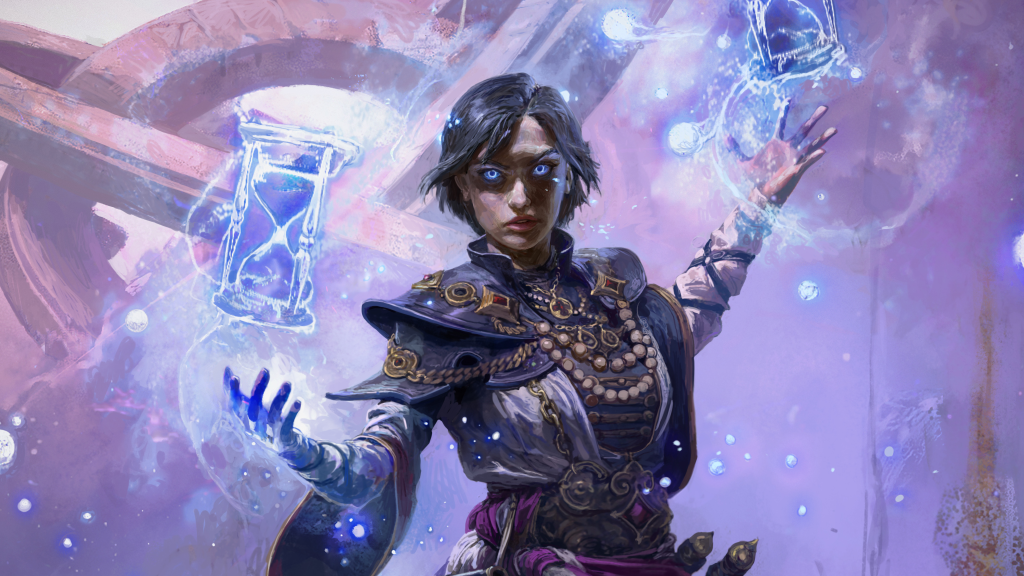
The 1.0 version of Path of Exile 2 releases on December 11, 2026, refining its multiplayer into the best edition of the game yet. With up to six players able to make extremely complex RPG characters together in this game, it only makes sense that a live service approach gives players even more materials to work with. In the same way that Diablo 4 has seasonal expansions and events to keep players engaged, Path of Exile 2 can do the same thing to constantly introduce players to evolutions of its content. From endgame updates to new classes, skills, locations, and more, Path of Exile 2‘s live service route seems obvious.
However, where Path of Exile 2 differs from Diablo 4 is how its live service content can be more detailed than Blizzard’s top-down hack-and-slash RPG. Characters in the game already have notoriously massive skill trees for players to fill out, allowing for extremely personalized builds. This makes a new class from a seasonal expansion much more exciting, as the possibilities for their strength and builds are much larger than players might expect. This added excitement for Path of Exile 2‘s expanded live service features extends to events, which will likely broaden endgame content to blow up that level of detail to more extreme degrees.
The multiplayer elements of the game simply reinforce this idea further, as events and expansions that open up Path of Exile 2 are likely to attract a number of players working together. Huge endgame bosses that require teamwork for the best gear could turn live service updates into big events for dedicated players. In many ways, Path of Exile 2 already did this somewhat for its updates during Early Access, and now has the means to continue that success going into the 1.0 launch.
1. Minecraft Dungeons 2
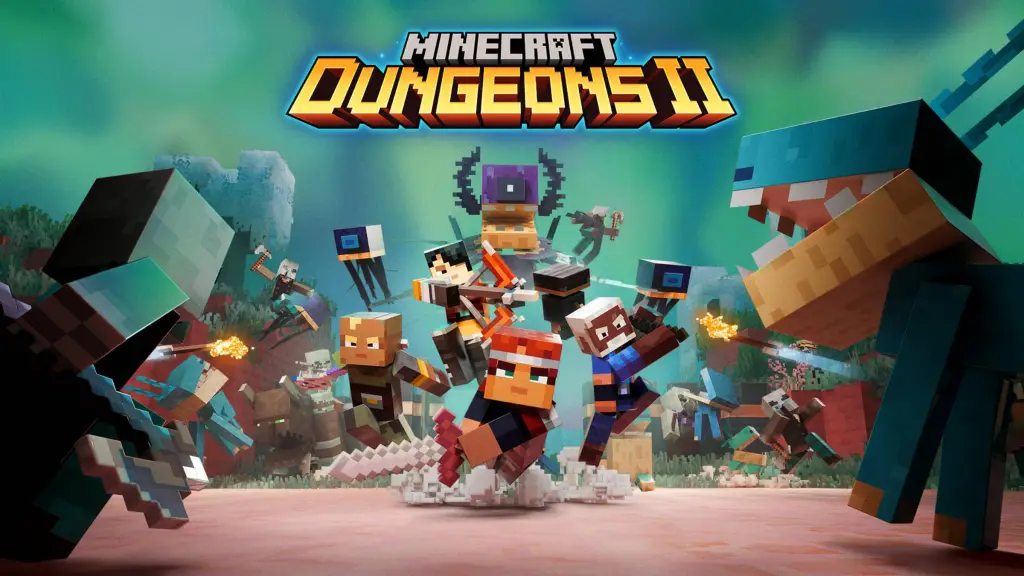
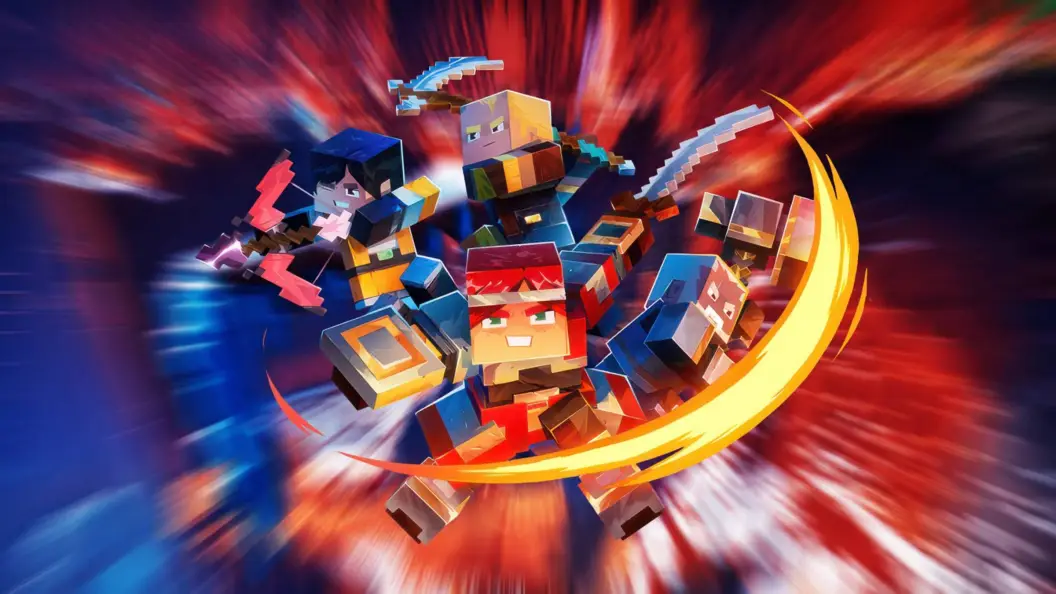
Gameplay and cosmetic expansions are nothing new to the Minecraft world, with its traditional sandbox title already being one of the most long-lived live service titles out there. The many biomes, mobs, items, and other pieces of content Minecraft has received over the years is staggering, so it makes sense that Minecraft Dungeons 2 could be set up in the same way. Pre-order and Deluxe editions of the game show that cosmetic bonuses are going to be a big part of the title’s reward system anyway, making an application of live service features not too big of another step forward.
There could be a Battle Pass that rewards players for accomplishing tasks together in Minecraft Dungeons 2, such as slaying a certain amount of enemies or getting through a specific dungeon multiple times. New capes, hero skins, or pets could be included in a Battle Pass of this type, presented in a limited capacity to encourage players to grind through reward tiers together. Future updates for the game could also introduce new landscapes to explore, giving players new crafting materials in expansions that keep the audience engaged.
Similar to Path of Exile 2, the endgame elements of this title could influence its live service approach, emphasizing multiplayer cooperation to take on big challenges. Seasons centered around defeating a big new boss and its hordes of unique minions might present an interesting live service formula, at least to players who get tired of the game’s core loop fast. While Minecraft Dungeons 2 may not have the same appeal in the live service department as its sandbox counterpart, it can still have success with its multiplayer using the same strategies.