13 Best American Sci-Fi TV Shows
Science fiction fans who own a television set have been eating good for decades. We’ve gotten all kinds of incredible sci-fi shows from all over the world. Doctor Who came out of Britain, Cowboy Bebop came out of Japan, Dark came out of Germany, Orphan Black came out of Canada — every nation on Earth has its own sci-fi TV classics.
American television has given us some of the best sci-fi shows ever made. Star Trek was a result of flower-power optimism; Stranger Things was a result of 1980s nostalgia. The Twilight Zone was created purely to get around U.S. censorship and nervous advertisers with allegories and metaphors.
13 Stranger Things
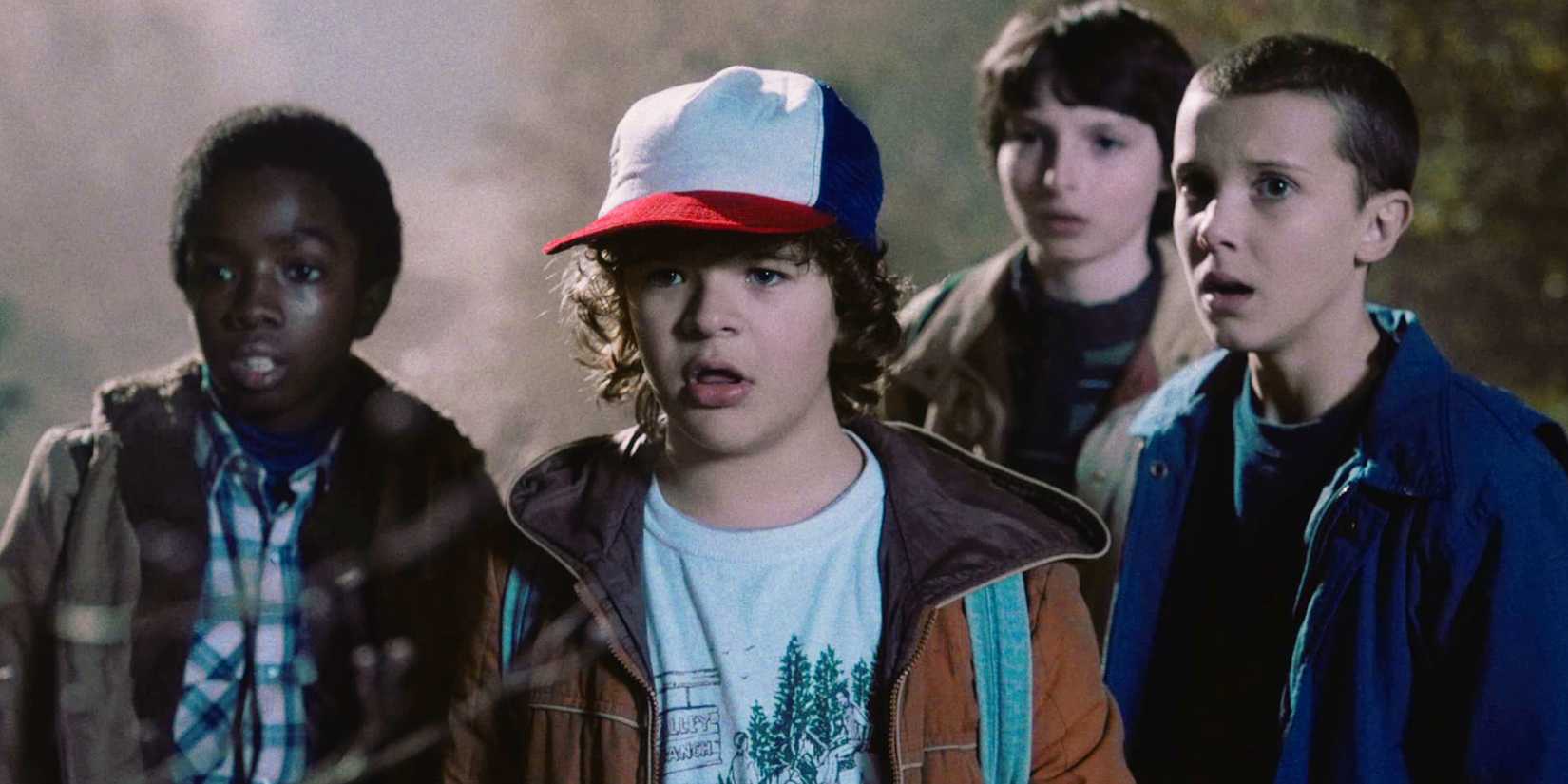
When it premiered in 2016, Stranger Things quickly became a global cultural phenomenon. It led to a wave of ‘80s nostalgia, and Netflix wasted no time renewing it for four more seasons.
Those seasons got progressively worse as the series went on, but that first season still elevates it to the level of a classic. The first season of Stranger Things is a bona fide masterpiece: it’s an atmospheric, heartwarming mix of Stephen King, Steven Spielberg, and John Carpenter.
12 Westworld
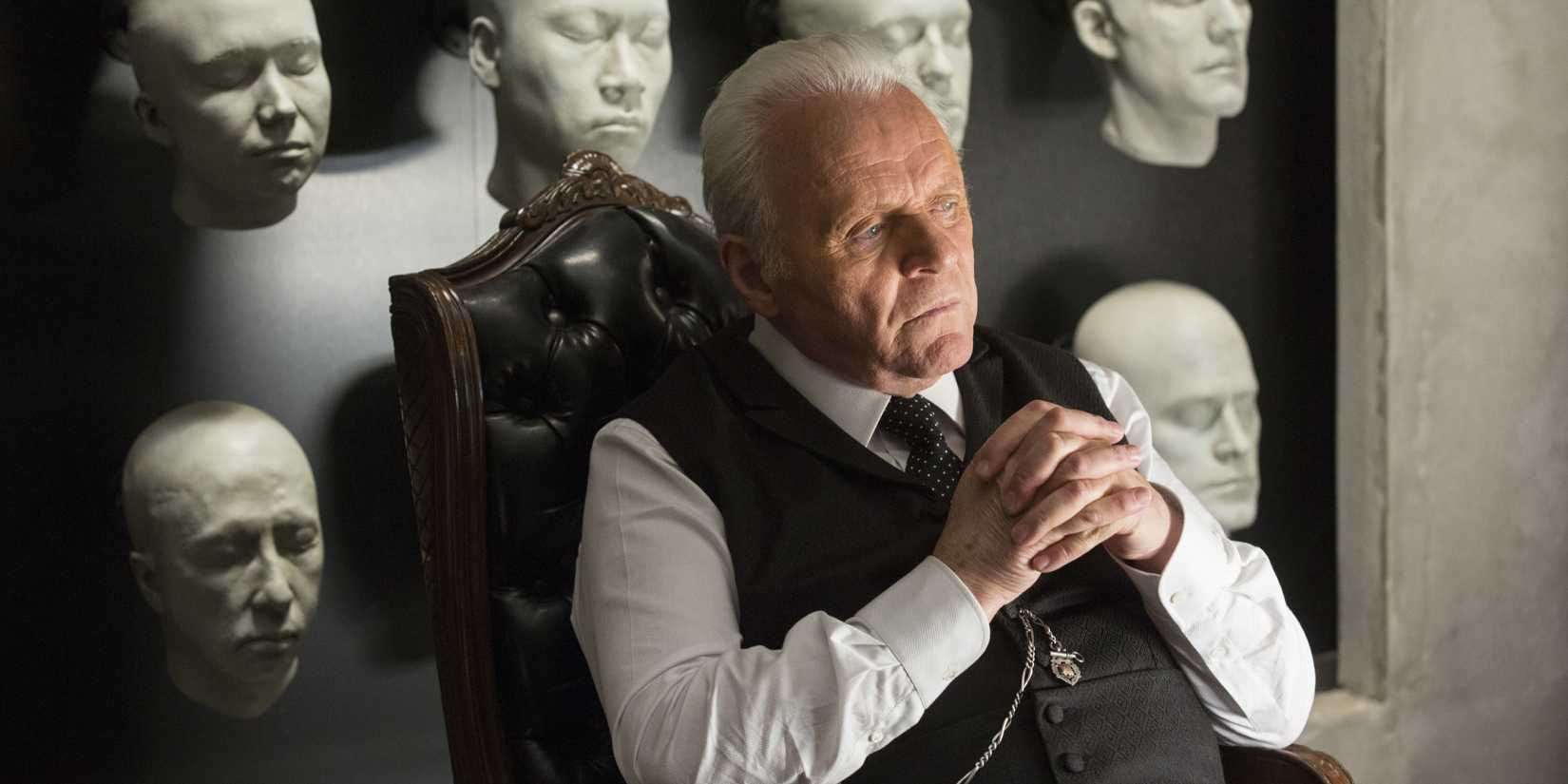
Michael Crichton’s original Westworld movie is a very typical cat-and-mouse thriller. The conceit of a Wild West theme park full of gunslinging robots was just there to facilitate Yul Brynner relentlessly pursuing an everyman until the end credits.
Jonathan Nolan and Lisa Joy took that conceit and did something much, much grander with it. Eventually, it got a bit too grand and alienated audiences, but the first season of Westworld is a brilliantly philosophical exploration of A.I. and self-determination.
11 Rick & Morty

Some seasons have been weaker than others, but on the whole, Rick and Morty is one of the smartest and most subversive sci-fi shows on the air. It’s primarily a comedy, with a lot of witty one-liners and shocking sight gags, but it’s also a genuinely thought-provoking piece of science fiction.
Even when it’s using them as a punchline, Rick and Morty comes up with more imaginative and inventive concepts than any other sci-fi show on the air. It’s got mind-blowing episodes dealing with decoy families, time-dilated worlds, and Cronenberg uprisings.
10 Lost

Lost took the basic survival thriller premise of Cast Away and dumped out J.J. Abrams’ mystery box all over it. And, while that might sound like a recipe for disaster (and anyone who’s seen the finale might argue that it was), it worked a charm.
The polar bear and the smoke monster drew us into the supernatural enigmas of this crazy island. But it was really the lovable ensemble of complicated characters, and their ever-evolving relationships, that kept us coming back.
9 Battlestar Galactica
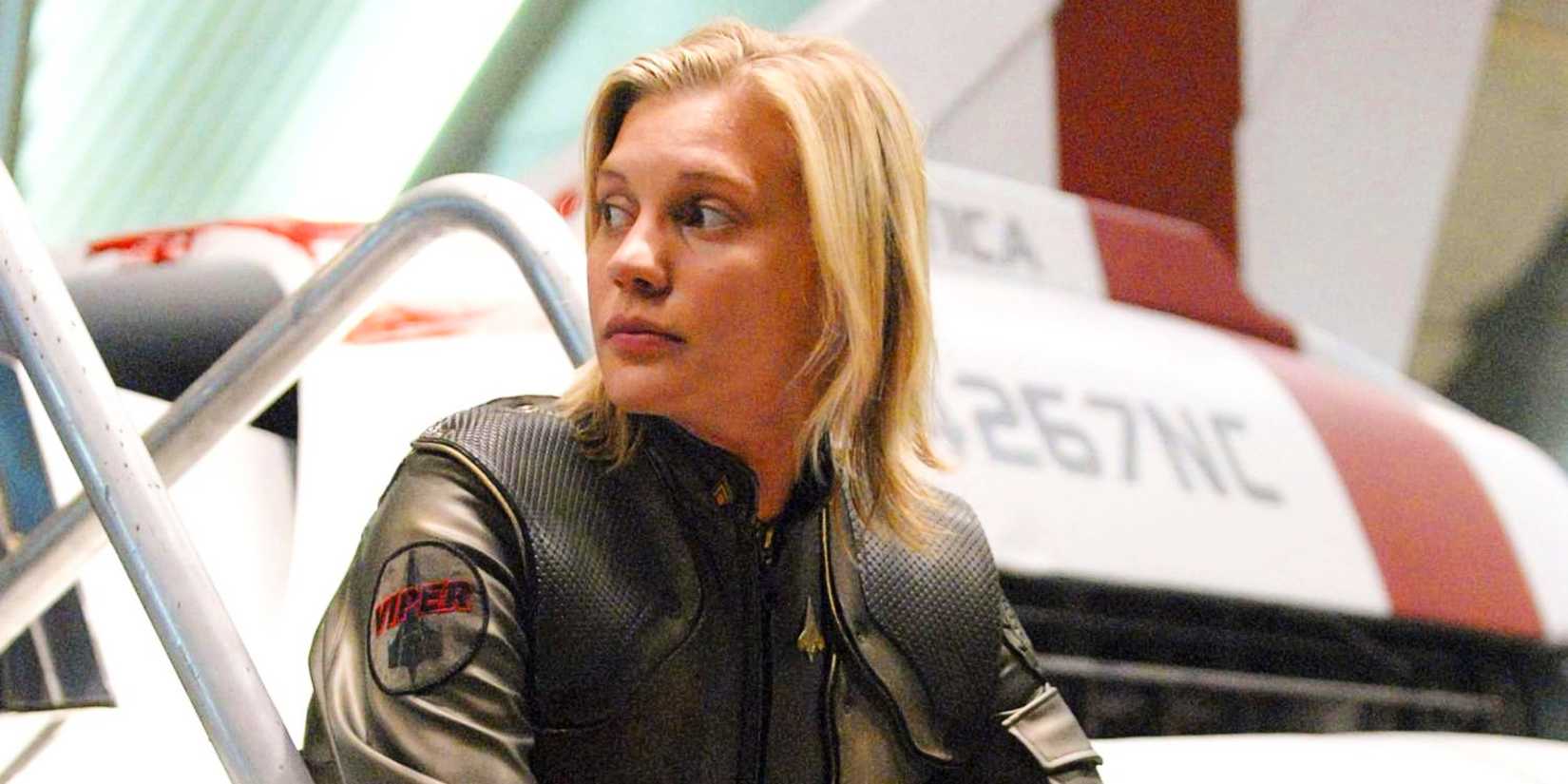
The original Battlestar Galactica miniseries from 1978 was just a shallow Star Wars knockoff. But Ronald D. Moore’s 2004 reimagining took the pieces of that hammy old cult classic and turned it into the definitive piece of military science fiction.
Moore used the war between the human race and their own cybernetic creations, the Cylons, to allegorize the then-ongoing U.S. invasion of Iraq. America was fighting a losing battle of its own making, and Moore turned that post-9/11 paranoia into a spacefaring adventure.
8 Severance

Dan Erickson cooked up the perfect dystopian satire of the quest for a healthy work-life balance with the delicious high-concept premise of Severance. This show takes place at a draconian corporation that’s trying to normalize the practice of “severing” employees’ consciousness between their home life and their work life.
In their home life, the “outies” don’t have to worry about work, or how long until they have to be back in the office. But the “innies” know nothing of the world outside their gloomy, fluorescent-lit office.
7 Firefly
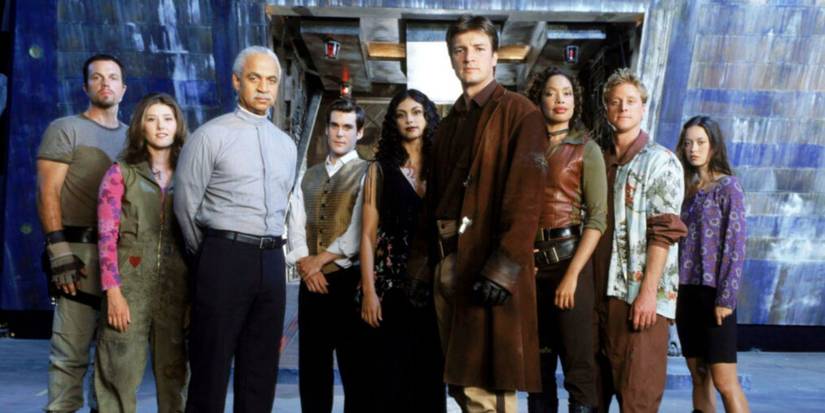
Firefly was cancelled after just one season, after Fox executives made the asinine decision to air the episodes out of order. But if you watch it in the right order, Joss Whedon’s space western is one of the greatest TV shows ever made.
It takes all the tropes and conventions of an old TV western like Bonanza and Wagon Train, but plants them in a distant future. The post-war disillusionment of the Wild West era is reflected in Firefly’s own intergalactic frontier.
6 Star Trek
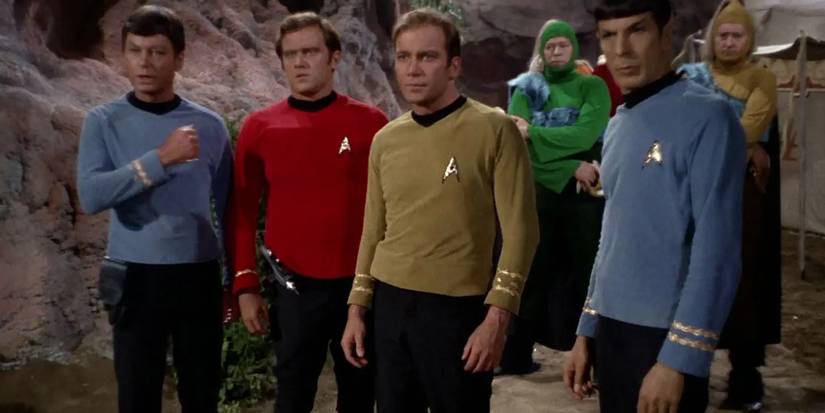
Gene Roddenberry’s original Star Trek series was decades ahead of its time. During a series of fraught political conflicts, both domestic and international, Roddenberry imagined a bright future where the human race had set its superficial differences aside and come together, across borders, to explore the cosmos together.
It can’t be overstated just how revolutionary it was, in the mid-1960s, to depict a Japanese helmsman, a Russian navigator, and a Black communications officer all on the same crew. Roddenberry expertly used the tropes of pulpy science fiction to explore pressing social commentary about timely issues.
5 The X-Files
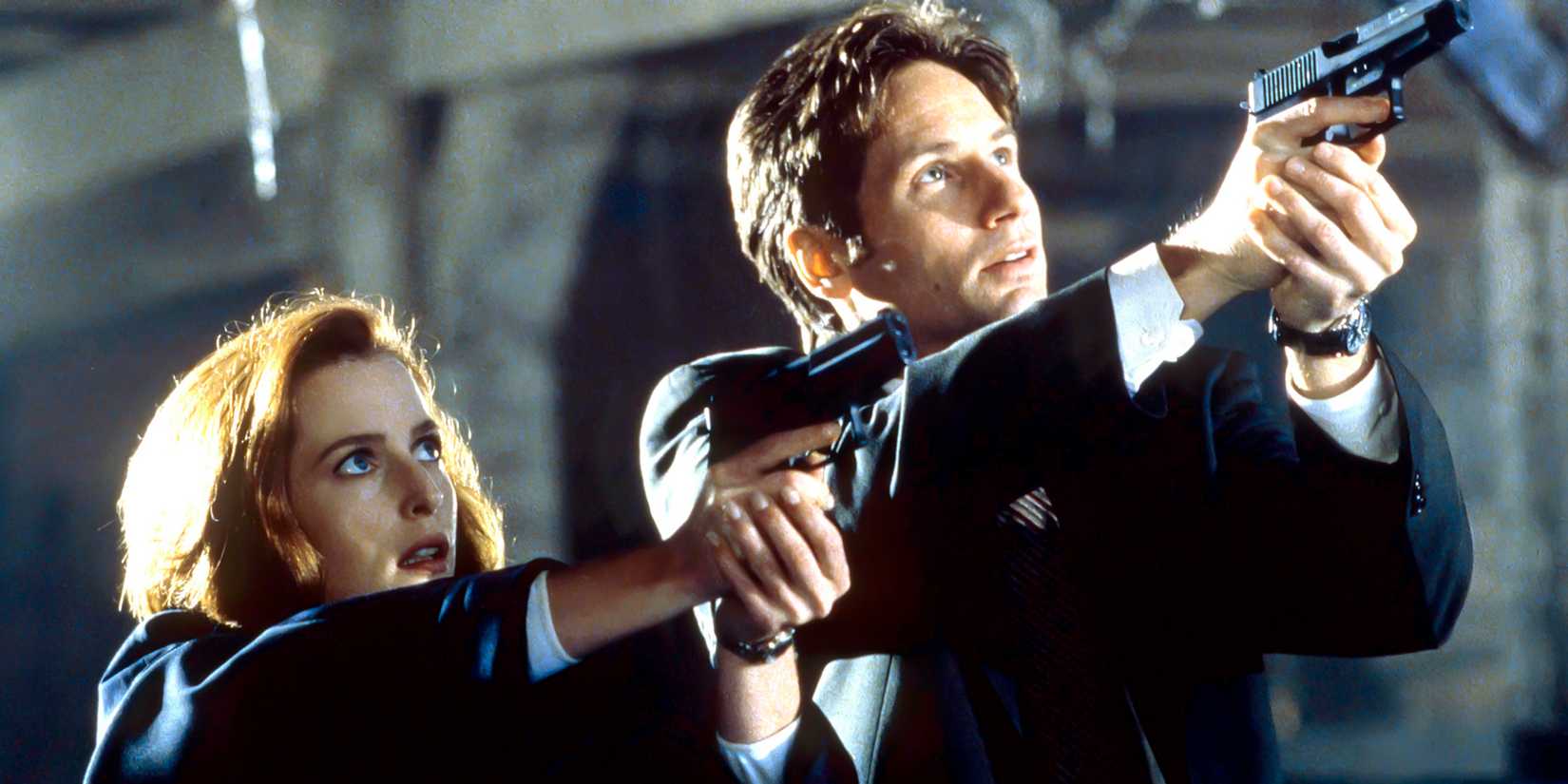 David Gray and Copyright Fox Network. Courtesy Everett Collection
Chris Carter put an ingenious sci-fi spin on a typical case-of-the-week cop show when he cooked up The X-Files. Mulder and Scully are a pair of FBI agents like any others, investigating crimes across the country, but they specialize in unique cases involving UFO sightings and paranormal activity.
That premise was great, but it only got viewers through the door. What really makes The X-Files a timeless masterpiece is the electric on-screen chemistry and fizzling romantic tension between Gillian Anderson and David Duchovny as the skeptic and the believer.
4 Futurama
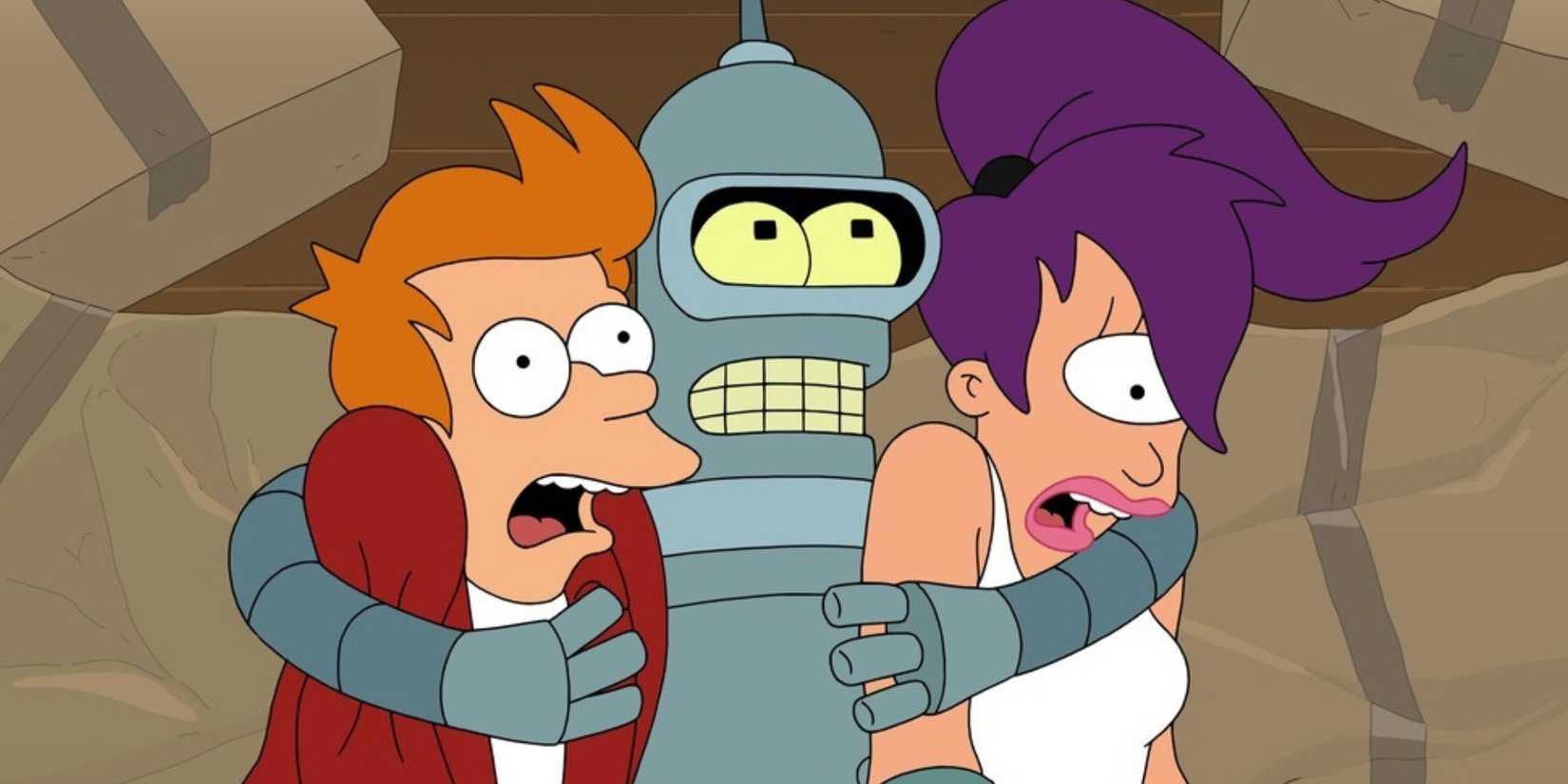
Matt Groening had an extremely high bar to clear when he set out to create his second series after The Simpsons. The Simpsons was a game-changing cultural landmark, and it was still at the height of its powers when Groening’s next show premiered.
But against all odds, Futurama managed to live up to The Simpsons. It recaptures The Simpsons’ wit and warmth, and its brilliant blend of highbrow and lowbrow humor, but rather than satirizing American society from a modern suburban town, it does so from a distant, hyperbolic future.