20 Years Ago, PS2 Owners Were Finally Able to Play One of Sega’s Most Important Games for the First Time
By 2006, the PlayStation 2 had already established itself as one of the defining consoles of its generation. Players had spent years exploring sprawling adventures, brutal action games, ambitious RPGs, and experimental Japanese releases that pushed the hardware in unexpected directions. But Sega would create something that stood out amongst other PS2 games, though at first it was exclusive to Japan. But it would arrive in the West a year later, offering something that was still unusual for a major console game: a detailed vision of modern Japan built around crime, family, loyalty, and the people living between the glamorous entertainment districts and their darker underbelly.
Yakuza was originally released in Japan on December 8th, 2006, coming to North America and Europe on September 5th, 2006. Ryu ga Gotoku was the studio behind it, and they introduced one of the most iconic gaming figures with Kazuma Kiryu; the series started as a niche action game but would eventually grow into one of Sega’s longest-running franchises. Today, Yakuza has seen a transformation into Like a Dragon, but it remains one of the largest series and has made its way into mainstream gaming 20 years after the original was released.
Yakuza Introduced PS2 Players to Sega’s Gritty New World
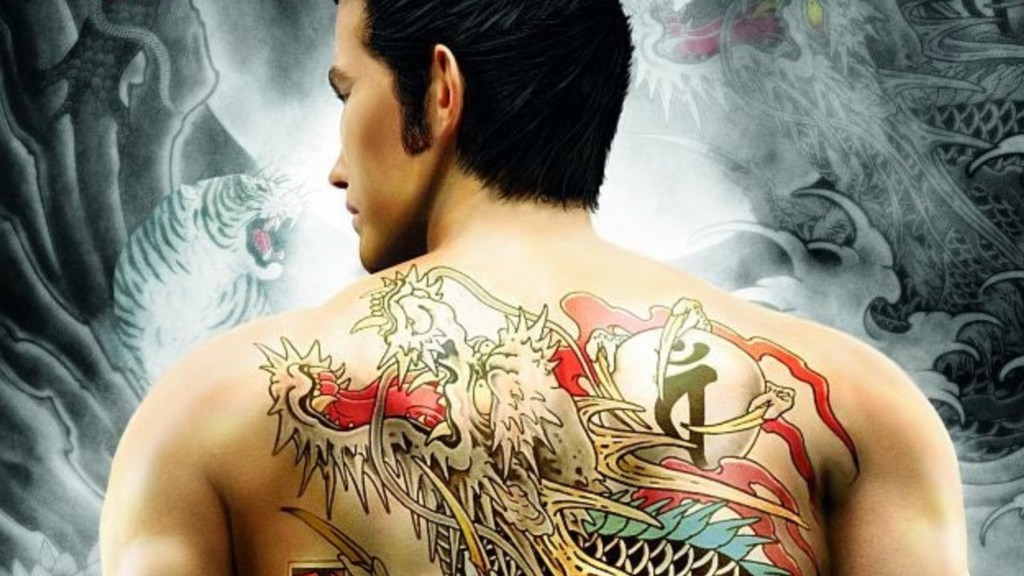
The original Yakuza was designed as an action-adventure game for a mature audience. Sega’s Japanese description emphasized its detailed world, dramatic story, and portrayal of Kazuma Kiryu, a former yakuza known as the “Dragon of Dojima,” alongside a young girl named Haruka. The game made Japan and its urban environment central to the experience. Kamurocho was packed with shops, nightlife, side activities, confrontations, and characters who gave the fictional district a sense of everyday life.
Combat was another major part of the game’s appeal. Kiryu could fight with his fists, use objects found around the environment, and develop his abilities as he gained experience. The result was something wacky that let players experiment with how they approach fights, and it was constantly changing as they explored Tokyo. But Yakuza didn’t just rely on combat to sell the game; it offered players an absurd amount of side activities and ridiculous mini-games to enjoy as well.
Sega put so much effort into creating a game that went beyond basic crime drama. Yakuza was violent and mature, but its identity came from the contrast between its main story and its smaller human encounters. That balance became one of the franchise’s defining characteristics. Looking back, it is easy to see why the PS2 original had such an impact: it established almost every major foundation that later entries would expand upon.
The Yakuza Series Grew Far Beyond Its PS2 Origins
The success of the original created the foundation for a series that repeatedly reinvented itself without abandoning its core identity. Yakuza 2 followed on PS2 in 2006 in Japan and reached North America in 2008. Later games expanded the cast, locations, combat systems, minigames, and storytelling ambitions. Over time, the series moved through several different approaches while retaining its focus on detailed Japanese environments and character-driven crime stories.
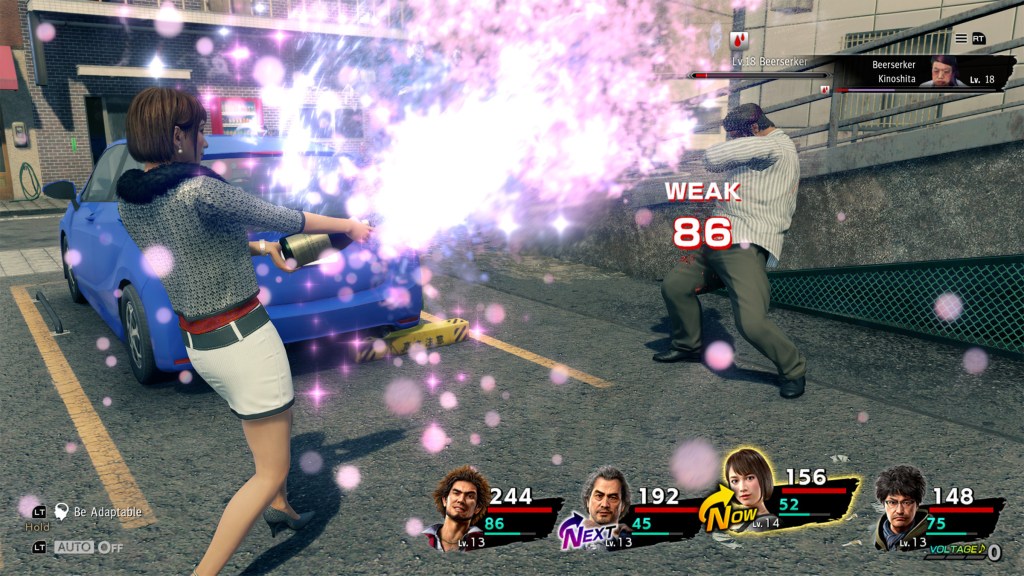
One of the biggest transformations came with Yakuza: Like a Dragon, which replaced the traditional action combat with turn-based RPG mechanics and introduced Ichiban Kasuga as its new protagonist. For many, this is where they entered the series thanks to its RPG elements. But the change didn’t alienate longtime fans. It truly showed the lasting appeal of the original Yakuza and how far it had come from its PS2 release. Such a wildly different game could easily have failed to reinvent itself, but Sega’s confidence worked wonderfully.
That flexibility and willingness to experiment is why the series has grown so much. Even as it changes major gameplay elements, the parts that fans fell in love with still remain. All of this culminated in Like a Dragon: Infinite Wealth, which became one of the best-selling games in the series, as well as one of the best-reviewed. The journey from a PS2-exclusive Japanese crime game to a global RPG franchise is one of Sega’s more remarkable modern success stories.
Yakuza Influenced Gaming Beyond Its Own Series
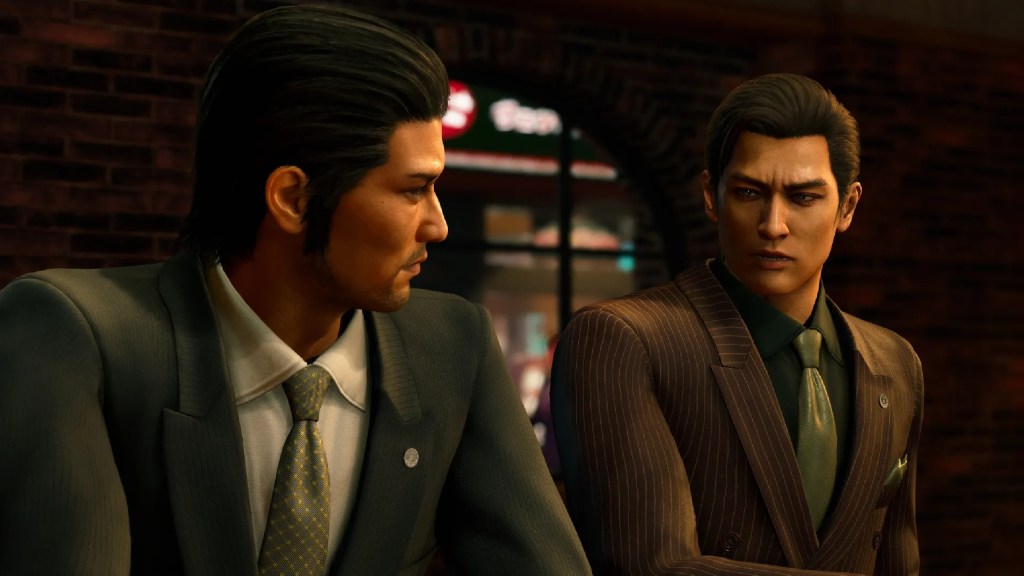
The biggest influence of Yakuza is arguably its approach to open-world design. Many open-world games have historically treated cities primarily as spaces between missions. The Yakuza series took the opposite approach. Its relatively compact districts are filled with restaurants, shops, minigames, substories, arcades, nightlife, and characters. Players could be fighting criminals one minute, then find themselves singing karaoke, playing mahjong, pachinko, and even visiting cabaret clubs.
This is reflected in the strong contrast in its tone. Players could move from a dramatic confrontation involving organized crime into a bizarre side story or recreational activity without either experience completely undermining the other. Sega combined comedy and serious drama, which ultimately became one of the defining features of the series. It is also what helped distinguish it from other games like Grand Theft Auto and Saints Row.
Most importantly, Yakuza proved there was a worldwide audience for games deeply rooted in contemporary Japanese culture. Sega describes the series as pursuing a gritty and realistic portrayal of modern Japan while exploring themes including love, humanity, and betrayal. Two decades after Western PS2 players first entered Kamurocho, that approach remains central to the franchise. The original Yakuza established a template that could evolve from action-adventure to RPG while retaining its sense of place, personality, and unmistakably Japanese identity, and that remains strong today.