How To Read The Odyssey For Free
Audiences everywhere are currently gripped by swords-and-sandals fever thanks to the release of Christopher Nolan’s epic The Odyssey. The blockbuster retelling of Homer’s poetic saga has caused interest in Ancient Greece to rise to heights it hasn’t seen in years. While this has led many to revisit movies like Troy, 300, and Alexander, it’s also causing plenty of viewers to try and track down the 3,000-year-old source material that inspired Nolan’s movie.
Homer’s Odyssey is one of the foundational works of Western storytelling, with Odysseus's long, dangerous journey home after the Trojan War shaped how narratives were structured in stories by hundreds of cultures for thousands of years. Its influence can still be seen across almost everything today when it comes to fantasy, adventure, and sci-fi, and it is literally the foundation for the concept of the Hero's Journey (which itself has shaped storytelling in the modern era).
Not only is The Odyssey one of the oldest pieces of literature still in existence, but it remains incredibly entertaining, even three millennia after it was believed to have been composed by Homer. Copies aren't expensive, with budget editions available for as little as $5 or less, while prestige hardcover version rarely rise far above the $20-40 price range. However, while a paperback can probably be found for the price of a cup of coffee, readers can easily sink into the Ancient Greek saga without forgoing their caffeine fix, since there are plenty of places to read Homer’s Odyssey for free.
Reading The Odyssey For Free Is Easy
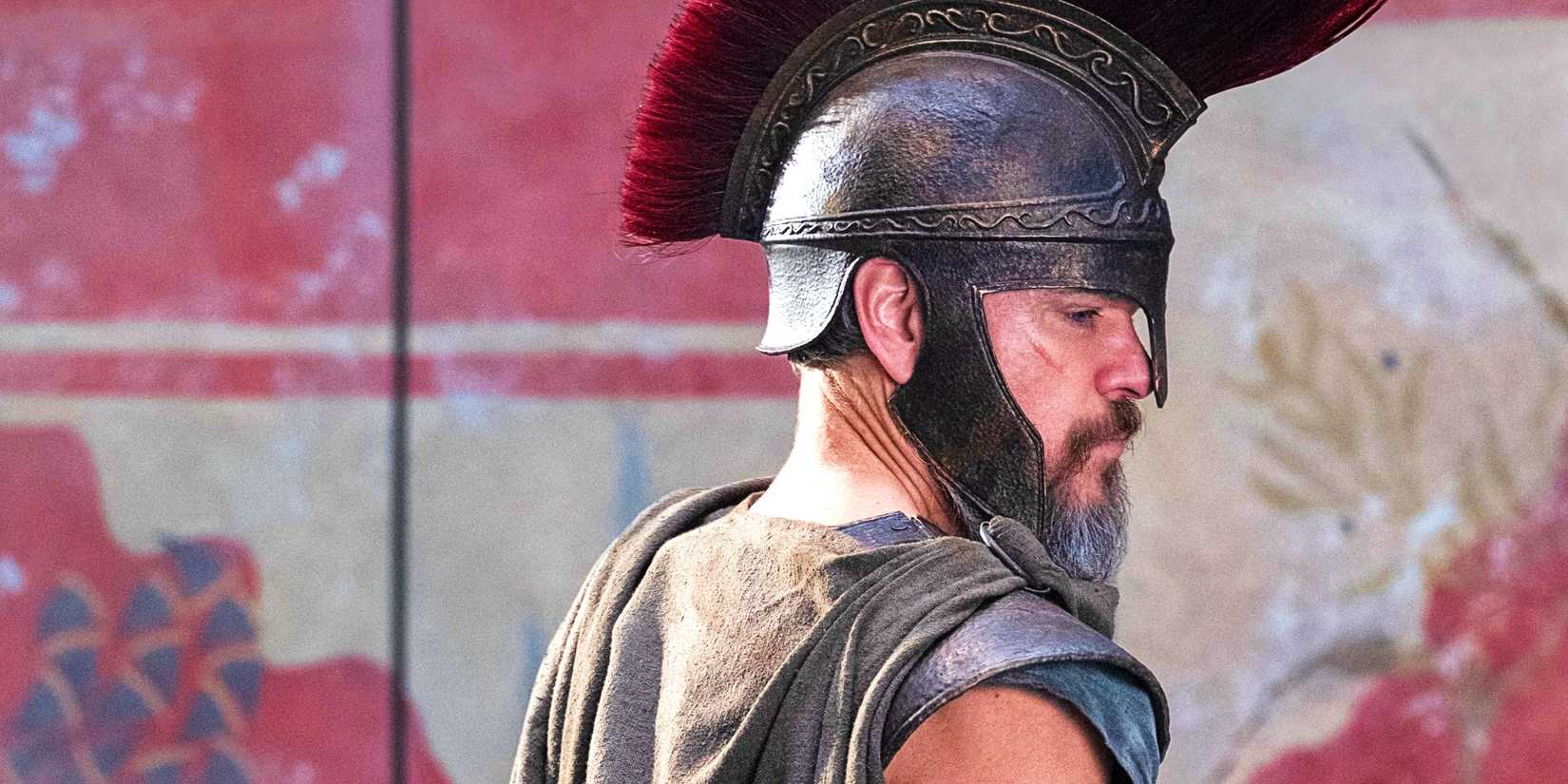
There are plenty of places to get a digital copy of Homer’s Odyssey absolutely free. The Ancient Greek poem that inspired Christopher Nolan's movie predates the modern legal system by a long way, and it has been in the public domain for as long as there has been a public domain to be in.
No publisher can claim exclusive rights over the original ancient text, which means it’s easy to find free digital editions online. The Odyssey can be downloaded for free through websites like the Public Domain Library, Project Gutenberg, Standard EBooks, and the Open Library (the last of which has 1,064 available editions alone, including many translations that themselves date back centuries). Most sites offer Kindle editions too.
There are also multiple free audiobook recordings of Homer’s Odyssey available through LibriVox, making the epic accessible to those who would rather listen than read at no cost too. Most of these services are volunteer-driven organizations, so donations are always appreciated to help keep important texts such as Homer’s epic poem freely available to everyone.
It is also worth remembering that a free download of The Odyssey is not the only option. Local libraries will likely have at least one physical copy of Homer’s Odyssey, potentially offering several translations. For readers who want to experience Homer’s story without spending anything, a library card may be all that is required.
Why It’s Worth Reading The Odyssey After Seeing Christopher Nolan’s Movie
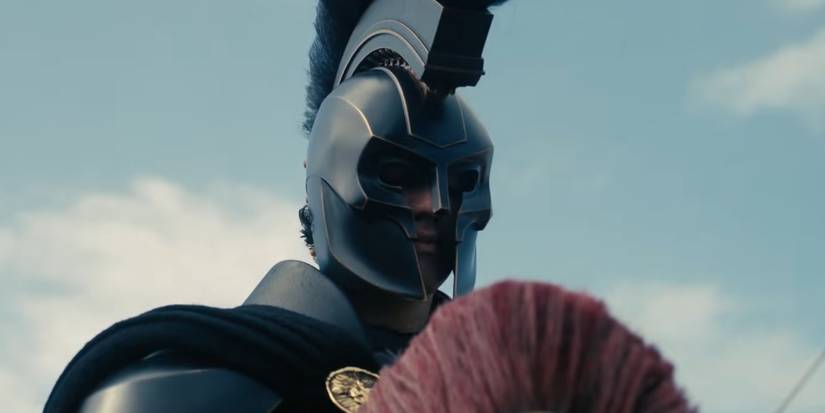
Reading Homer’s Odyssey after seeing Christopher Nolan’s The Odyssey can add another layer to the blockbuster experience. The poem provides greater context for key figures, locations, conflicts, and mythological moments, making it easier to appreciate the significance behind Nolan’s filmmaking choices.
Like Homer's poem, Nolan's movie follows Odysseus (Matt Damon) on his perilous journey home following the Trojan War, bringing an ancient story to the screen on an enormous scale. However, The Odyssey isn’t a page-for-frame remake. Christopher Nolan made multiple changes to translate the essence of Homer’s Odyssey into a digestible theatrical experience modern audiences would appreciate.
The differences between Homer’s Odyssey and The Odyssey highlight how much creative interpretation goes into adapting such an enormous work. Nolan’s film includes new characters such as Sinon (Elliot Page), who does not appear in Homer’s original poem but is borrowed from Virgil’s Ancient Greek epic Aeneid. Nolan also added a scene with Travis Scott making a cameo as a bard to reflect that the Odyssey was a story mostly retold through oral poetry (historians still aren’t sure if Homer was even a real person, let alone if he was the author of the text).
These additions and tweaks demonstrate how Christopher Nolan has shaped the source material rather than simply trying to reproduce it. The original text offers a chance to see which elements Nolan retained, reworked, expanded, or omitted, while the movie provides a spectacular modern interpretation of a story that has survived for thousands of years. Together, they show exactly why The Odyssey remains one of the most enduring stories ever told.