7 TV Shows Set In The Future That Got A Lot Of Things Right
For many TV shows, the future offers something of a blank canvas. It's an opportunity for near-endless worldbuilding, allowing for the creation of places, characters, and stories unlike anything viewers have seen before. Indeed, no two depictions of the future are exactly alike, as each offers its own take on how humanity will change in the years to come.
Yet while the future offers uncharted waters, so too is it an opportunity for reflection. TV's best depictions of the future create a brand-new world while simultaneously speaking to the realities of the present.
The cult classic Firefly depicts a whole new galaxy of Earths, complete with their own customs, phrases, and technologies. Yet their governing force, the Alliance, reflects the real-world political climate of today. Similarly, given the topical discussion of climate change, the presence of humanity in Firefly's futuristic outer space requires no explanation beyond "the Earth got used up."
More recently, the Fallout TV series has taken a completely different approach. Set in the year 2296, Fallout depicts the aftermath of a society-ending nuclear war, expanding on the video game franchise of the same name. Amidst its retro-futuristic atmosphere and fictional, radiation-riddled monsters, Prime Video's Fallouthas a lot to say about capitalism and the nation of America.
These are far from the only shows that have taken a stab at capturing what the world will look like in the years to come. As time catches up to these ambitious sci-fi projects, some have come to feel like a dated product of their time, while others have proven to be timeless. These are the shows that ventured into the future and got a lot of things right.
Snowpiercer
Set In 2026

Premiering in 2020, Snowpiercer takes the near-future setting to a bold new extreme. The story begins seven years after a man-made disaster rendered the Earth frozen over and uninhabitable save for the interior of Snowpiercer, a constantly moving train capable of keeping its passengers warm. Of course, the train, which could only preserve a fraction of humanity, exists courtesy of a billionaire.
Snowpiercer is unique in that, when viewed today, it has evolved into a story of an alternate present. In some ways, this makes its themes even more resonant as, since its release, the real world has progressed parallel to the show, and the similarities between the two have only grown. Snowpiercer's chemically induced climate crisis and subsequent deepening of the class divide feel like a cautionary tale.
Station Eleven
Set In 2029 And 2009

Of all of these resonant future-set shows, Station Eleven hits particularly close to home. The show, which depicts the outbreak and aftermath of a deadly flu-like pandemic, actually had to put its production on hiatus due to the COVID-19 pandemic. When Station Eleven finally premiered in 2021, it was almost hard to believe that it was written before the real-world pandemic began.
The series even features a plot in which a plane carrying infected passengers is forcibly quarantined, with outside survivors refusing to let them deplane. Though more extreme, deadly, and macabre than real life, the story mirrored a cruise ship that was quarantined for days on end at the start of the COVID-19 outbreak. Station Eleven's future feels as if it came closer than any other series here to being our own.
Westworld
Set In The 2050s
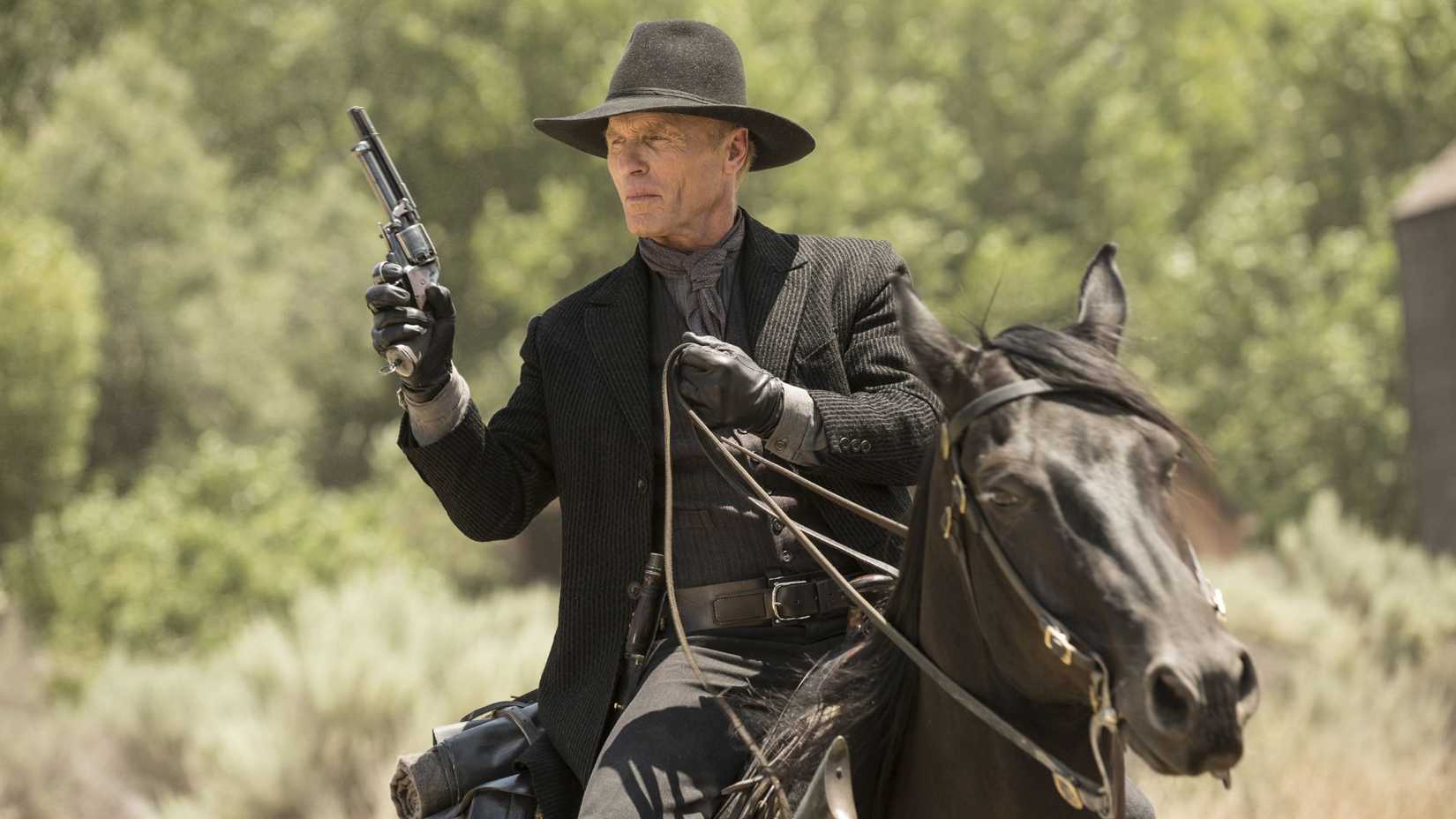
Beyond the increasingly relevant topics of artificial intelligence and a violently self-indulgent upper class, Westworld taps into another, more subtle aspect of the passage of time, particularly in American media. Today's media landscape is dominated by spinoffs, reboots, and revivals, and while this endeavor may, to an extent, be financially motivated, its success also speaks to an increasing wave of nostalgia.
With mega-hits like Fallout and Yellowstone, the neo-Western genre is on the rise as stories attempt to yearn for freedom and a new frontier in a time when there is nowhere left to explore. The Westworld theme park is a futuristic embodiment of that sentiment, and of media's increasing preoccupation with creating and retreating into simulated experiences of the days of yore.
Avenue 5
Set In 2060

The crisis aboard the Avenue 5, a luxury space cruise ship, is much more about human behavior, societal mindsets, and crowd control than it is about any futuristic technology. The ship, which is knocked several years off course and led by a significantly underqualified captain, brings to mind events like the Titanic and Titan submersible disasters.
The drawn-out nature of this premise, and space travel in general, though, allows Avenue 5 to explore the long-term reactions and behaviors of the types of people who would be likely to find themselves in this position. As a character study, Avenue 5 feels like an entertaining and accurate reflection of the here and now. Its futuristic setting simply allows it to grow in scale.
Continuum
Set In 2077 And 2012

When a group of terrorists and one unwitting police officer time-travel from 2077 to 2012 Vancouver, Continuum paints a picture of a dark future that lies right around the corner. In 2077, North America, whose Corporate Congress is filled by corporations rather than politicians, operates as a business-fueled police state. Liber8, the show's so-called terrorist organization, is actually a group of freedom fighters.
The time travel element is what makes Continuum so powerful, as it highlights the way action in the present has a direct impact on the frightening, but not-so-distant future. As real-world corporations continue to grow into powerful entities, CEOs become household names, and digital surveillance technology advances, Continuum's iteration of 2077 feels more and more plausible with every passing year.
Star Trek: The Original Series
Set In 2266-2269

Despite going "where no man has gone before," Star Trek captures many human truths so resonant that they spawned a massive franchise. Spock is the show's instantly recognizable figure as well as one of its most aspirational characters. The fact that Spock himself is only half-human underscores sci-fi's unique ability to find social commentary in the most unsuspecting places.
Star Trek serves as a powerful reminder that even centuries in the future, in the depths of space, life's challenges still often boil down to a matter of character. According to this show, there will never be a time when logic, patience, and compassion cease to be important. While Star Trek's particular brand of humanoid aliens may never manifest, the enduring importance of humanity most certainly will.
Black Mirror
Set Across Time

The popular and unsettling anthology features episodes set in the past, an alternate present, and the near and distant future. Yet even as its stories expand far into the future, creator Charlie Brooker has stated his intention for Black Mirror to depict "the way we might be living in ten minutes' time," an endeavor in which he has certainly succeeded (The Guardian).
Black Mirror features fascinating new technologies, but, like any quality story, the scary part isn't the technology itself as much as the way it's being used. Every episode can stand on its own, but collectively they paint a picture of a world in which these technologies are rolled out by corporations, normalized, and monetized in ways that are all too familiar to today's ad-based, subscription-heavy world.