World of Warcraft’s Storytelling Has Lost the Bigger Picture, But It Is Fixable

I’ve been playing World of Warcraft since its release, and in that time, I’ve watched Azeroth change in just about every way imaginable. Entire zones have been reshaped. Kingdoms have fallen. Gods have been killed. We’ve fought our way through wars, invasions, and world-ending threats that would’ve sounded ridiculous if you’d tried explaining them to someone back in 2004. And yet, for all the changes Blizzard has made over the years, one of the most noticeable shifts has been in how World of Warcraft tells its stories.
For much of its history, WoW made you feel like you were caught in the middle of something far bigger than yourself. The faction wars, the Burning Legion, and the countless threats to Azeroth gave the world a sense of history and conflict that existed beyond any individual character. These days, however, Blizzard seems more interested in the personal struggles of whichever heroes and villains headline the latest expansion. There’s nothing wrong with character-driven storytelling, but when every expansion revolves around the same handful of emotional journeys, the larger conflict starts to feel like an afterthought. For a game called Warcraft, that’s a problem.
World of Warcraft Has Lost the Bigger Picture

One of the things that made World of Warcraft so compelling was that Azeroth felt like a living world with its own problems and competing interests. The Alliance and Horde had histories that stretched far beyond the latest threat, while universal threats, like the Burning Legion, represented a danger that could unite entire civilizations against a common enemy. You weren’t simply following a few characters through their personal struggles. As a player, you were caught up in conflicts with consequences that stretched across the world, and your place in those conflicts made the adventure feel meaningful.
Take Arthas, for example, whose transformation into the Lich King wasn’t merely a tragic tale about a prince losing himself. His chaotic vendetta against Mal’ganis, led to his devastation of his own kingdom, Lordaeron. What’s more, despite his desperate efforts trying keep the growing Plague at bay, his unleashed the Scourge and left scars across Azeroth that lasted for years. We got to relive this tale again through Wrath of the Lich King Classic, and it was just as epic as was decades ago. His personal journey mattered because of what it meant for everyone else. The larger conflict gave his story weight, rather than the world simply serving as a backdrop for his character development. That the huge distinction modern WoW too often seems to overlook.
Nowadays, the world-ending stakes are still there, but the storytelling can feel surprisingly small. Expansions increasingly revolve around a select group of familiar heroes and villains, with their relationships and emotional struggles taking priority over the conflicts they’re supposed to be navigating. Azeroth might be in danger, but you’d be forgiven for thinking the most important thing happening is how a particular character feels about it. When the larger world starts taking a backseat to personal drama, WoW loses some of the very thing that made its setting so compelling.
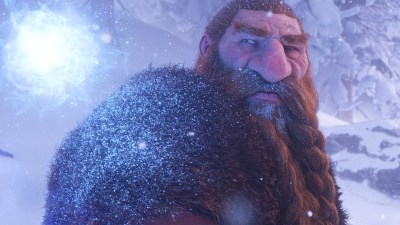
WoW’s Storytelling Is Too Focused on Its Characters, Not Its Conflicts

To be clear, I’m not arguing that World of Warcraft should abandon character development. It seems WoW Forever may address some of these story issues, with Retail to retain its character-focused formula. But still. Retail could use the love to. Some of Warcraft’s best stories have been deeply personal, and compelling characters are essential to any great fantasy setting. The problem is that Blizzard seems increasingly determined to make every expansion a character study, whether the overarching narrative benefits from that approach or not. We get familiar heroes confronting their pasts, villains wrestling with their motivations, and emotional conversations meant to give every major figure their moment in the spotlight. After a while, the formula starts to feel repetitive, regardless of who’s involved.
Worse, this approach can make the rest of Azeroth feel like supporting cast members in somebody else’s story. Entire factions and peoples become secondary to the personal journeys of a handful of characters, even when the conflict should affect them just as much. Not every villain needs a sympathetic backstory, and not every major event needs to stop for another heartfelt conversation. Sometimes, a war is compelling because of the competing interests driving it. Sometimes, the consequences of a catastrophe are more interesting than any single character’s reaction to it. Warcraft needs room for those stories, too.
The fix is simple: Blizzard needs to put the overarching conflict back at the center of its storytelling. Let characters develop through the events unfolding around them, rather than building entire expansions around their personal struggles and fitting the larger plot around those moments. Give the Alliance and Horde meaningful reasons to clash, let the consequences of major events ripple across Azeroth, and remind players that they’re participating in a story far bigger than any one hero. There’s still room for emotional character arcs, of course, but they should enrich the larger narrative instead of repeatedly overshadowing it. I’ve been playing World of Warcraft for over two decades, and I still want to see where Azeroth goes next. I just want its stories to feel as big as the world they’re supposed to be about. I don’t think that’s asking for much.