7 Superhero Universes Better Than Marvel And DC
Marvel and DC have spent decades defining what superhero fiction looks like, but they hardly have a monopoly on the genre. Some of the most inventive superhero universes have emerged from independent comics, manga, television, and tokusatsu, often taking familiar ideas in stranger, darker, or more emotionally ambitious directions.
These universes stand out because they do something different with superhuman characters. Rather than simply recreating formulas established by Superman, Batman, Spider-Man, and the Avengers, they explore how ordinary people, governments, families, celebrities, and entire societies might function in worlds filled with extraordinary individuals.
7 Astro City

Kurt Busiek's Astro City is one of the strongest arguments that a superhero universe does not need endless crossover events to feel enormous. Debuting in 1995, the series uses a fictional American metropolis as its centerpiece, following heroes, villains, civilians, journalists, police officers, and criminals rather than relying on one permanent protagonist.
That perspective makes Astro City feel unusually complete. Stories such as "The Nearness of You" and "The Tarnished Angel" prove how superhero events affect people who are not necessarily wearing costumes. Its anthology structure also allows the setting to jump between wildly different genres while remaining coherent, giving seemingly minor characters room to become the emotional center.
The series also succeeds because it understands superhero mythology without becoming trapped by it. Characters such as Samaritan, the Confessor, and Winged Victory give off recognizable comic-book archetypes while remaining distinct creations. Astro City therefore feels like a celebration of superhero history rather than another attempt to duplicate Marvel or DC's most famous characters.
6 Invincible

Robert Kirkman's Invincible began at Image Comics in January 2003 and ultimately ran for 144 issues before concluding in February 2018. That contained run gives the universe something Marvel and DC frequently struggle to provide: a beginning, middle, and definitive ending for its central character, Mark Grayson.
Mark's world also refuses to keep superhero consequences conveniently reversible. The Viltrumite Empire, Omni-Man's betrayal, the conflicts involving Thragg, and Mark's increasingly complicated responsibilities steadily reshape the universe. Relationships change, characters age, and victories often create new problems, giving the story a sense of progression that extends beyond simply defeating the next supervillain.
The universe is particularly effective when it contrasts enormous cosmic stakes with ordinary family problems. Mark still has to deal with school, romance, parenthood, and friendships while carrying responsibilities that eventually affect entire civilizations. That combination of intimate drama and spectacular violence makes Invincible feel like a superhero epic with genuine momentum rather than an endless status quo.
5 My Hero Academia

Kōhei Horikoshi's My Hero Academia builds its superhero society around one deceptively simple idea about what happens when superhuman abilities become ordinary? Quirks are possessed by most of the population, creating schools, professional heroes, villains, regulations, celebrity culture, and an entire economy surrounding superpowers.
Izuku Midoriya's journey is only one part of the appeal. Characters including Katsuki Bakugo, Shoto Todoroki, Ochaco Uraraka, Endeavor, and Tomura Shigaraki represent different consequences of a society built around heroism. The manga ran from 2014 through 2024, concluding after 430 chapters across 42 collected volumes.
The world-building becomes especially interesting when the series questions the assumption that being powerful automatically makes someone heroic. The treatment of characters such as Endeavor and the League of Villains demonstrates how family trauma, social expectations, and institutional failures influence people. Instead of presenting heroes as naturally virtuous, My Hero Academia repeatedly asks what society should expect from them.
4 One-Punch Man
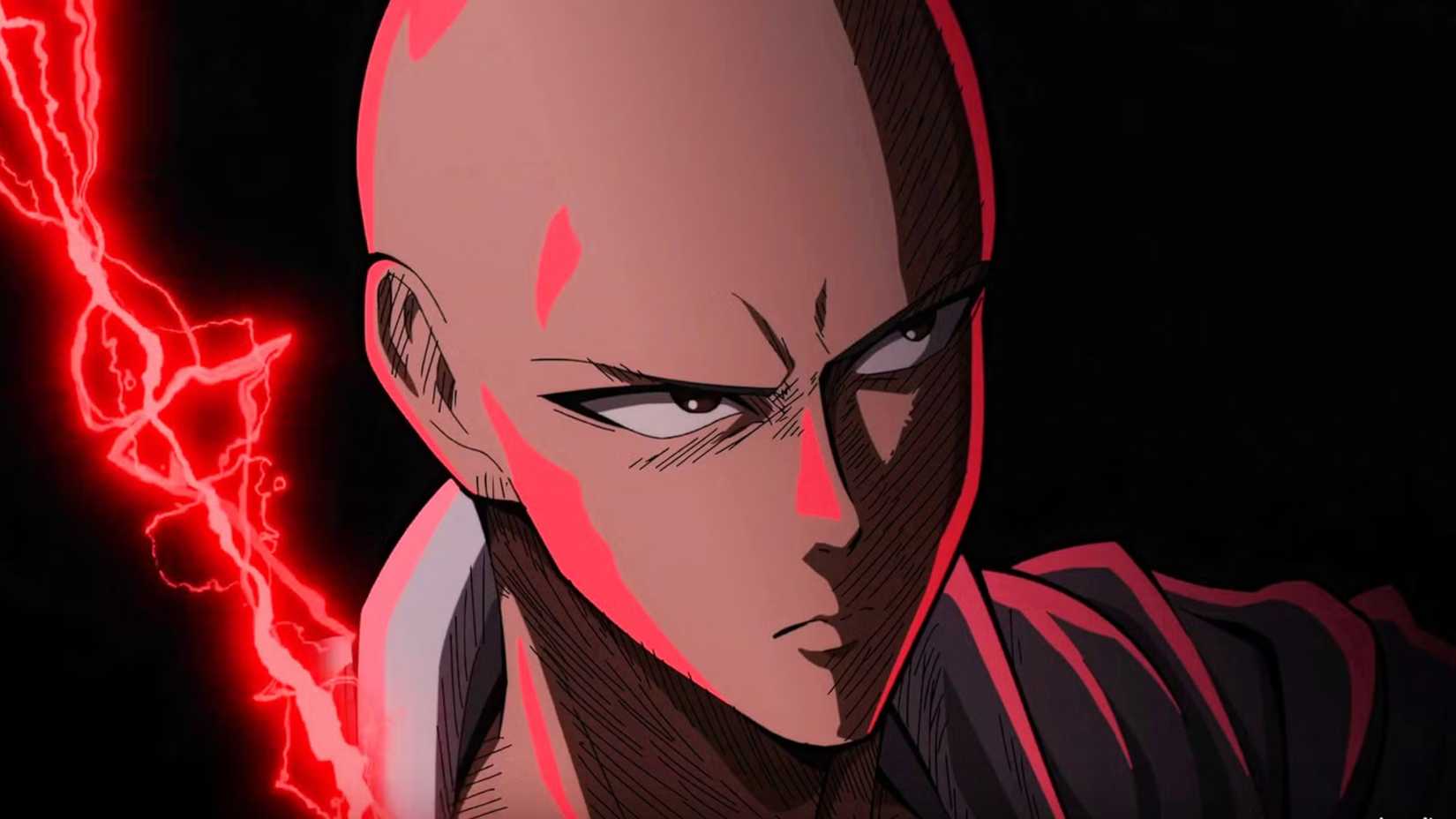
One-Punch Man turns the conventional superhero power fantasy upside down. Saitama has already reached the pinnacle of physical strength before the story really begins, defeating virtually every opponent with a single punch. The original webcomic appeared in 2009, while Yusuke Murata's manga adaptation began publication in 2012.
The joke, however, is only the surface. The Hero Association creates rankings, licenses, classes, and bureaucratic obstacles that frequently matter more than raw strength. Heroes such as Genos, Tatsumaki, Mumen Rider, and King demonstrate completely different relationships with fame and responsibility, creating a world where reputation is often nearly as important as ability.
The series also has an impressive understanding of escalation. Battles involving Boros, the Monster Association, Garou, and increasingly powerful threats gradually expand the scale of the setting without completely abandoning its comedic foundation. Saitama's boredom remains central to the premise, but the surrounding cast provides enough emotional and dramatic weight to make the universe work beyond the main gag.
3 Power Rangers/Super Sentai
 ©20th Century Fox. All rights reserved/Courtesy Everett Collection
The Power Rangers and Super Sentai universe is unusual because it effectively operates as a multigenerational superhero machine. Super Sentai began with Himitsu Sentai Gorenger in 1975, while Mighty Morphin Power Rangers introduced the American franchise in 1993. Since then, changing Ranger teams, costumes, villains, and giant robots have created decades of mythology.
Its greatest advantage is variety. One team might be built around dinosaurs, another around space travel, another around magic, and another around futuristic technology. The Power Rangers/Super Sentai concept also makes teamwork fundamental rather than optional, with individual abilities combining into a larger fighting force.
The franchise's longevity is another major strength. Rather than requiring one permanent cast to carry the entire universe, new teams repeatedly refresh the formula. Crossovers such as Forever Red, Power Rangers Beast Morphers, and Power Rangers Cosmic Fury prove how previous generations can return without completely overwhelming newer characters, making the setting unusually accessible to multiple generations.
2 The Boys

Garth Ennis and Darick Robertson's The Boys takes the familiar superhero celebrity machine and pushes it toward its ugliest possible conclusion. The original comic ran for 72 issues, concluding in 2012, and followed Billy Butcher, Hughie Campbell, and their associates as they confronted superpowered individuals protected by corporate and political influence.
What makes the universe compelling is its focus on power without accountability. The Seven are not simply villains pretending to be heroes; they operate inside an ecosystem involving Vought, advertising, government interests, media manipulation, and public perception. The comic is deliberately extreme, but underneath its graphic violence is a pointed question about extraordinary power becoming a profitable business.
The television adaptation expanded that premise while developing its own continuity and characters. Homelander, Starlight, Queen Maeve, A-Train, and Butcher became recognizable figures in their own right, while Vought remained central to the story's corporate satire. Few superhero settings are as committed to examining what happens when heroism becomes a carefully managed brand as The Boys.
1 The Umbrella Academy
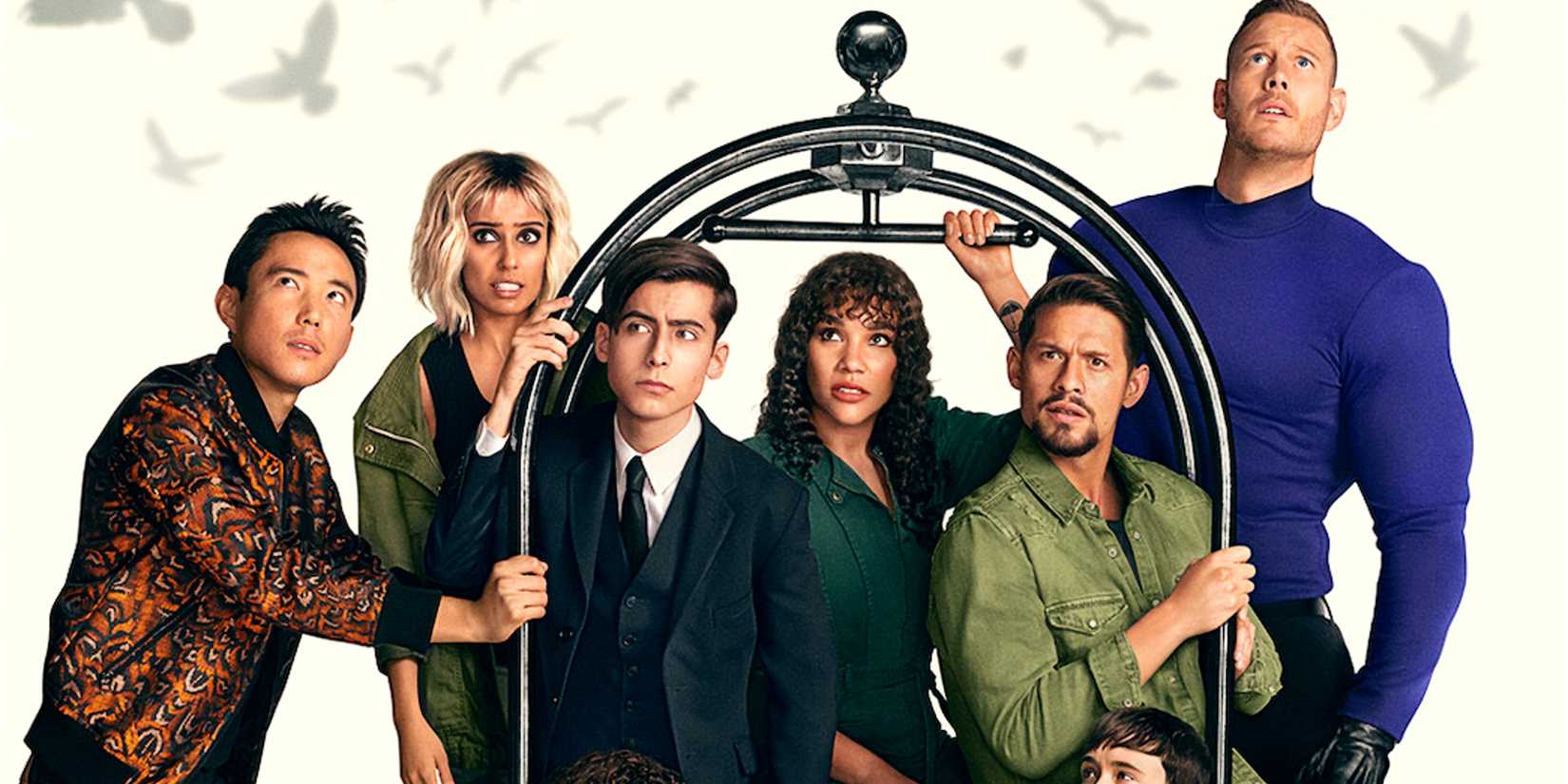
Gerard Way and Gabriel Bá's The Umbrella Academy offers a superhero universe that feels almost completely detached from conventional comic-book architecture. The original series began with Apocalypse Suite in 2007, followed by Dallas and Hotel Oblivion. Its main characters are adopted siblings raised by the eccentric Sir Reginald Hargreeves.
The Hargreeves family is what makes the universe so memorable. Spaceboy, the Kraken, the Rumor, the Séance, Number Five, and Vanya/Viktor are less interested in behaving like a conventional superhero team than dealing with trauma, resentment, identity, and family dysfunction. Their bizarre adventures make the team feel fundamentally different from traditional comic-book groups.
Time travel and apocalyptic scenarios also give The Umbrella Academy a wonderfully unpredictable identity. Number Five's ability to move through time, the family's repeated encounters with catastrophic events, and the strange organizations surrounding them allow stories to move beyond ordinary superhero conflicts. The result is a universe where saving the world is important, but surviving one another may be just as difficult.