25 Years Ago, Nintendo Reinvented One Of Its Oldest Characters (And Made Him Way Better)
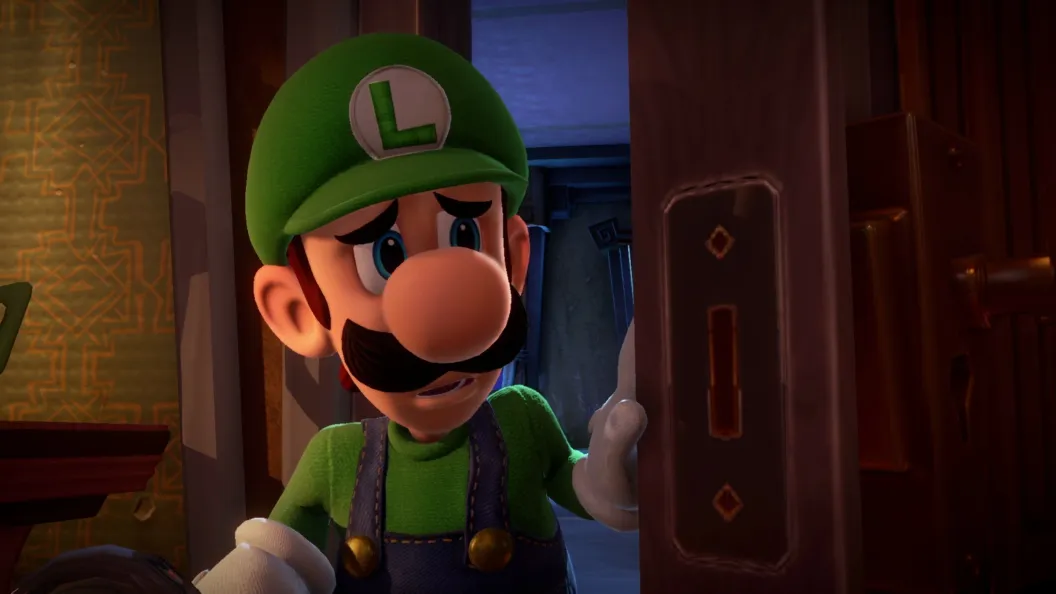
Luigi is technically one of Nintendo’s oldest characters, even if the word “character” is a little strong for his original iteration. Debuting in the 1983 platforming game Mario Bros. as a palette swap for the main playable character, Luigi’s different color scheme gradually led to him being refined in contrast to his brother. However, it would take until the turn of the century for the character to really crystallize into his current form.
Debuting in Japan on September 14, 2001, before being followed by a North American launch in November of that year, Luigi’s Mansion was a solid success for the Nintendo GameCube and a great starring role for Luigi. While the character had technically been the lead in other minor games, Luigi’s Mansion really put the character front and center. In the process of giving Nintendo their own horror property to play with, Luigi’s Mansion also solidified the title character’s personality in a way that has really paid off in the years since.
Luigi’s Mansion Made The Green Plumber Into A Real Character
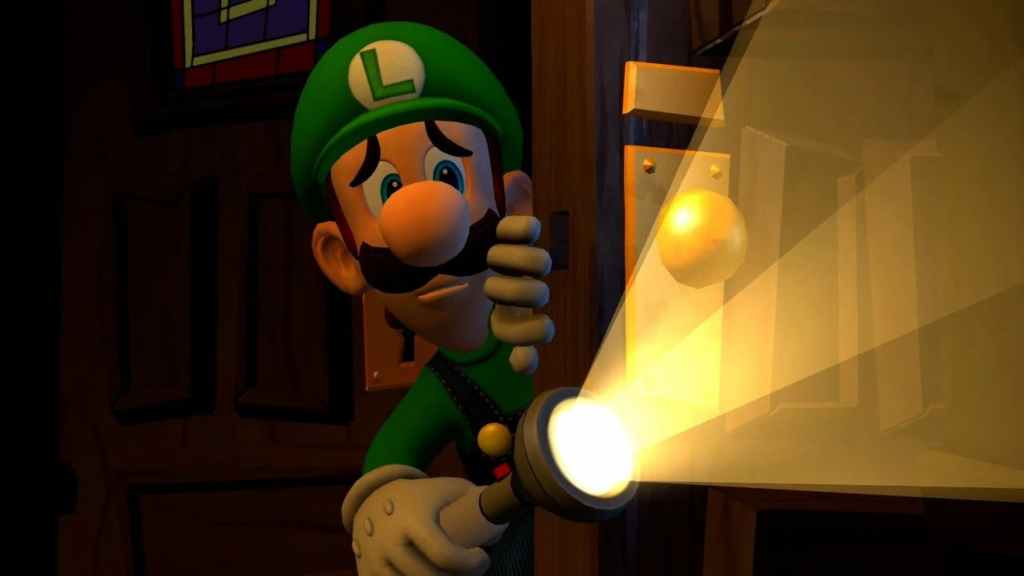
While Luigi has technically existed since the days of Super Mario Bros., it was initially only as a palette swap for Mario. The green overalls made him easily distinguishable from Mario’s red aesthetic – beyond that, it was more or less the same character. He gained a bit more distinction in Super Mario Bros. 2 (released in North America years later as “The Lost Levels”) with a higher jump, which was reinforced in the version of Super Mario Bros. 2 released in the West alongside some extra visual markers like a skinnier frame and taller height. However, he functionally still served the same role, more of a costume change than a character. It wouldn’t be until Luigi’s Mansion that the franchise really took the chance to tweak the character’s personality.
Befitting the family-friendly horror game, the title recast Luigi as a fearful figure who reluctantly ventures into a mansion to save his brother from the Boos and spirits that have captured him. That game was a departure from Mario games in a lot of ways, with a gameplay mechanic that shifted away from platforming to pure exploration and investigation. Using Professor E. Gadd’s inventions, Luigi could track down spirits and capture them within a containment unit, making him more or less a one-man Ghostbuster squad. The biggest change the game made to the franchise was the way it used that idea to firmly characterize Luigi.
Previously, Luigi had been Mario’s brother, with little discernible personality beyond that. He wasn’t DK or Wario, both of whom had moments of character displayed in their actions, expressions, and body language. Luigi, like Mario, remained a blank slate by design so as to allow better player immersion. Luigi’s Mansion changed that. Now, Luigi was a lovable coward, shaking in his boots at a breeze but courageous enough to keep looking for his brother. It gave the game an immediate sense of personality that helped it stand out from the rest of the landscape. Although it was a fairly short game, the clever gameplay and aesthetic touches (coupled with the game being one of the GameCube’s debut titles) made Luigi’s Mansion a massive hit. It remains the fifth-best-selling GameCube game, with over 3.3 million copies sold and multiple sequels.
Luigi The Coward Gave Nintendo The Perfect All-Ages Horror Series
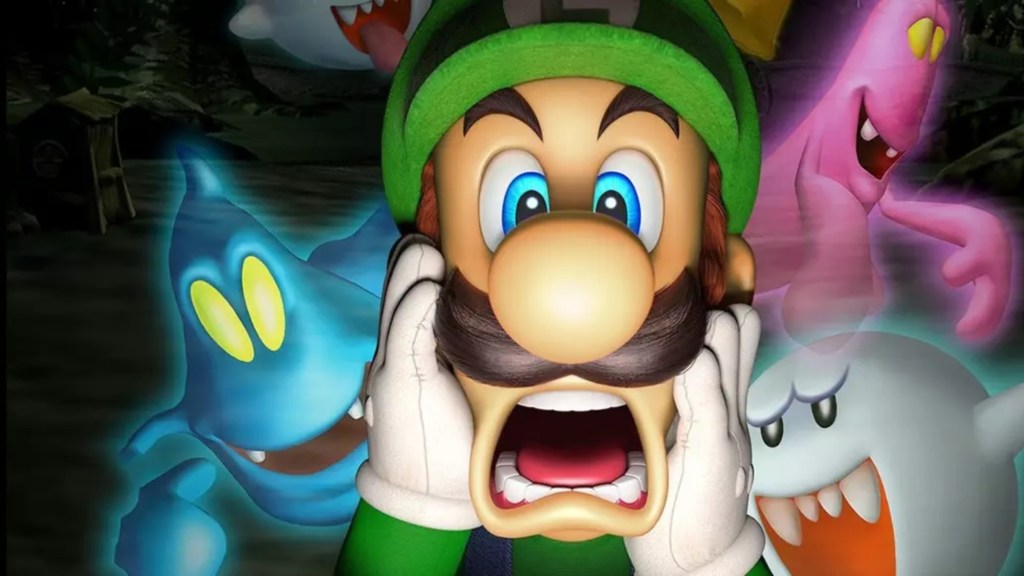
Luigi’s Mansion was such a hit for Nintendo that it gave the publisher its own ideal horror series. The family-friendly approach to the publisher at large means they rarely delve fully into the frightening genre (although there are certainly scary moments and elements in franchises like The Legend of Zelda and Metroid). Luigi’s Mansion was an ideal way to indulge in the genre in a way that didn’t betray the cartoony elements and tone of the larger Mario franchise. It was goofy and colorful, more Haunted Mansion than The Shining. Still, the scary little touches gave it a distinct sense of charm over the previous games in the broader Nintendo publishing history.
It also gave Luigi a real sense of personality that has translated well to other games and outside media, helping him stand out from his brother as charming, silly, and ultimately admirable in his continued dedication to helping his friends and family face off against villainous forces. Luigi’s Mansion was the ideal way to bring Nintendo into the horror genre — especially when other cult classics like Eternal Darkness were a bit too unsettling for the general GameCube audience. Luigi’s cowardly persona gave the games their own distinct personality from the other titles under the larger Super Mario Bros. umbrella. It solidified Luigi in a way that could be reflected in other games, reinventing him as the lovable coward of the Mario cast. This, in turn, helped subtly refine Mario in contrast to his brother. It gave Nintendo their ideal in-house horror property and did it all while delivering a game that’s engaging and entertaining, even 25 years after it debuted.