27 Years Ago Today, Sega’s Best Console Was Too Little Too Late & Destroyed Their Console Business
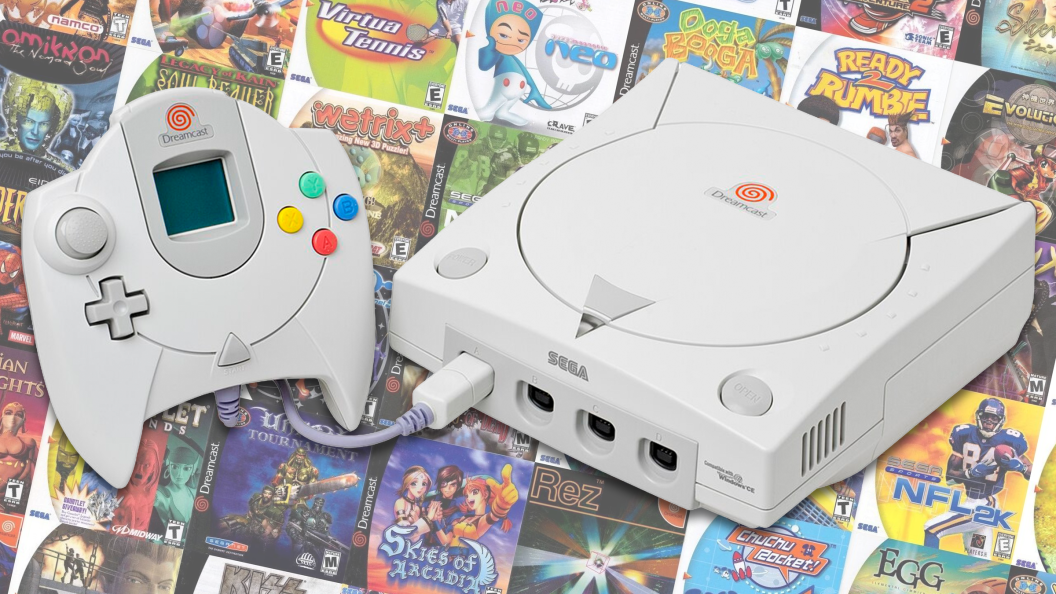
Consoles have become one of the main sources of gaming, with Xbox, Sony, and Nintendo emerging as the clear frontrunners over the last few decades. However, this wasn’t always the cast. Many other studios attempted to compete with these giants, and many found some success. But for Sega, its most important initiative simply came too late and as a result, it was forced out of the console market. What makes this so surprising is that the console itself and the library it offered were actually great. It was the timing of its release that ultimate spelled its downfall.
September 9, 1999 was when Sega was in the most important console battle in history, and so it released the Sega Dreamcast. It launched at $199, had a built-in 56K modem and a lineup of games designed to show what new-generation hardware could do. Around 300,000 people had preordered the system, while Sega reported almost $100 million in sales during its first 24 hours. For a moment, it looked like Sega had finally found the machine that could put the company back on top. Instead, the Dreamcast became Sega’s final console.
The Dreamcast Hardware Was Years Ahead of Its Time
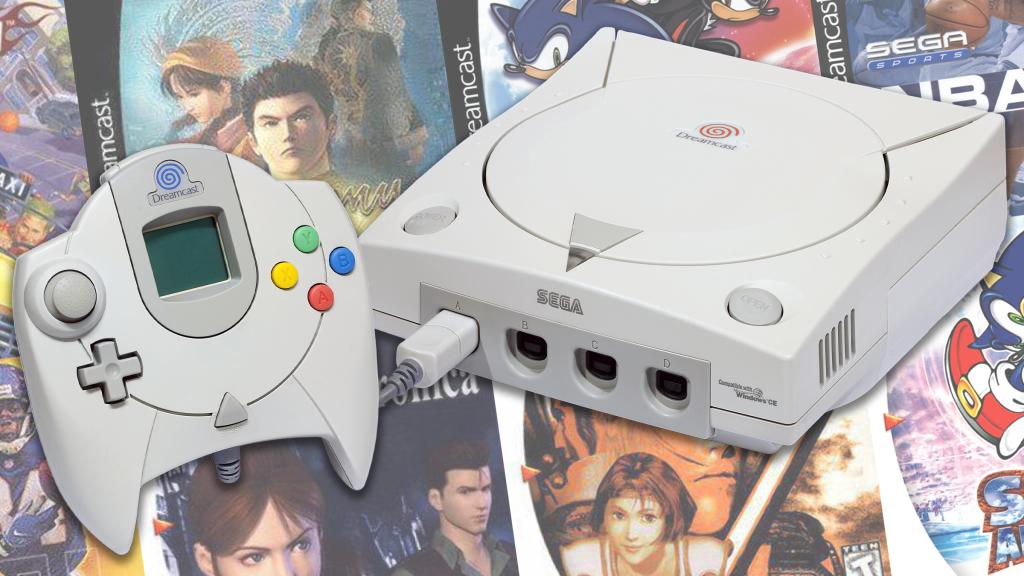
The Dreamcast arrived with hardware that was genuinely impressive for 1999. Sega promoted its 128-bit architecture and powerful graphics capabilities, while the system’s built-in modem gave players built-in internet connectivity without an expensive add-on. The price was also a major selling point, coming in way below the expectation, something that cannot be said with today’s modern consoles.
The modem was particularly important because Sega was correctly betting that online gaming would become a major part of the future. The Dreamcast supported online experiences through games and services at a time when many console players were still primarily playing offline. Years before Xbox Live helped make connected consoles normal, Sega was already there.
The system also had an unusual storage format called GD-ROM, which offered considerably more capacity than conventional CD-ROMs. Its controller included a slot for the Visual Memory Unit, which could function as a memory card while also providing its own small screen and interactive features. In all, the Dreamcast was incredibly inventive and way ahead of its time, making its failure all the more puzzling.
The Dreamcast Games Were Some of Sega’s Best Ever
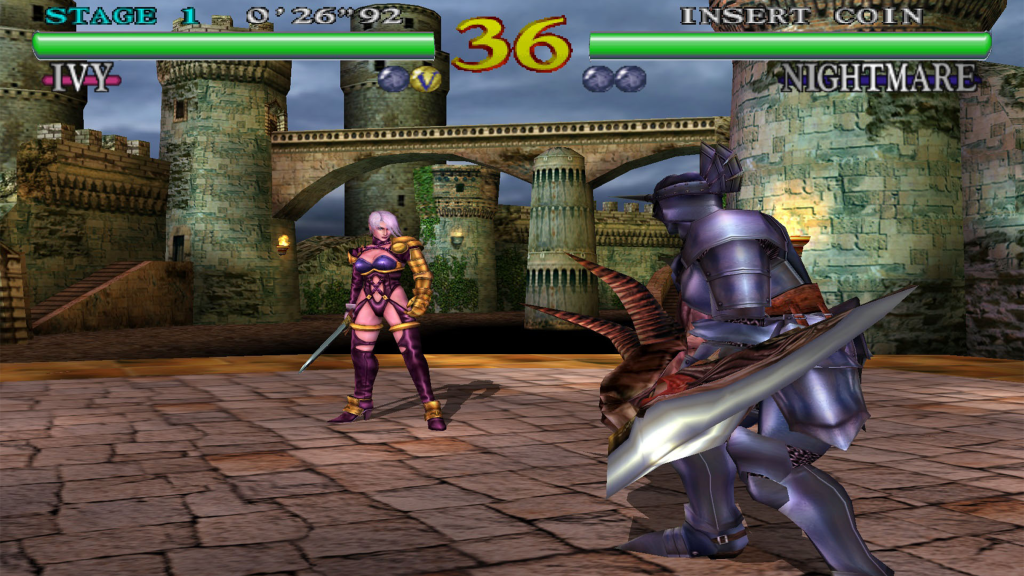
The Dreamcast’s lineup also gave plenty of other reasons for the console to succeed. Sonic Adventure demonstrated what Sega’s mascot could do in a fully 3D environment, while Soulcalibur became one of the system’s most impressive games, launching an incredibly popular fighting game series. Crazy Taxi, Jet Set Radio, Phantasy Star Online, Skies of Arcadia, Power Stone, Resident Evil Code: Veronica and Shenmue provided amazing diversity among its titles.
What stands out about the Dreamcast library is how many games still have reputations decades later. Soulcalibur showed how close arcade-quality fighting games could get to their home versions. Crazy Taxi captured Sega’s arcade personality perfectly and is finally getting the sequel it needed. Shenmue attempted an ambitious open-world structure years before that design became common. Phantasy Star Online pushed online console gaming forward.
Some of the most beloved series launched on the Dreamcast, with many still being treasured today. Looking through its library today, it is easy to understand why people still defend it. The games were creative, technically ambitious and often unlike anything being produced elsewhere. This is yet another frustrating reason why fans are upset at Sega’s failings with the Dreamcast.
The Dreamcast Came Too Late
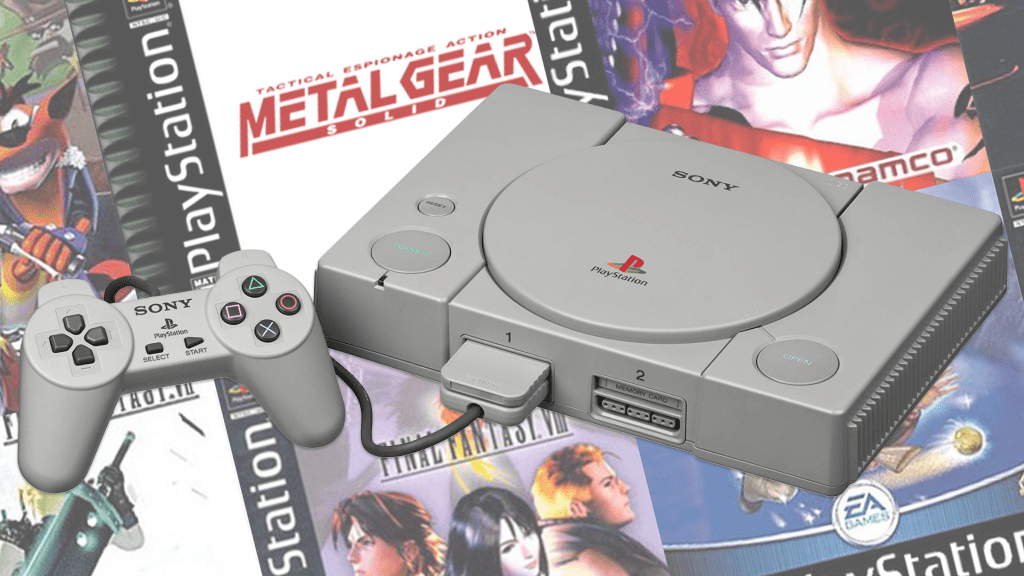
The biggest problem was not that the Dreamcast was a bad product. It was that Sega was trying to rebuild its console business after the damage caused by the Sega Saturn. From the beginning, Sega had to overcome its previous failure, and at the same time, compete with the massive success of Sony’s PlayStation and the PlayStation 2. The Dreamcast struggled against the reputation of its past and against the current competition.
Sega also had to absorb the enormous costs associated with launching and supporting the system. The company spent heavily on advertising, reduced the console’s price early and struggled to recover development and manufacturing costs. So in a way, the early price point encouraged players to jump on the Dreamcast, but it made it harder in the long run for the company to succeed. On January 31, 2001, Sega announced that it would stop producing the Dreamcast and leave the console hardware business.
The decision came less than two years after its North American launch. Sega shifted its focus instead to games, and found great success here building on many of the franchises it launched on the Dreamcast. The Dreamcast was arguably Sega’s best console, but it arrived after the company had already lost too much ground. September 9, 1999 was supposed to mark Sega’s comeback. Instead, it marked the beginning of the end of Sega as a console manufacturer.