Teenage Sex And Death At Camp Miasma Review: A Slasher
Teenage Sex And Death At Camp Miasma Review: A Slasher "Reboot" Made With Love
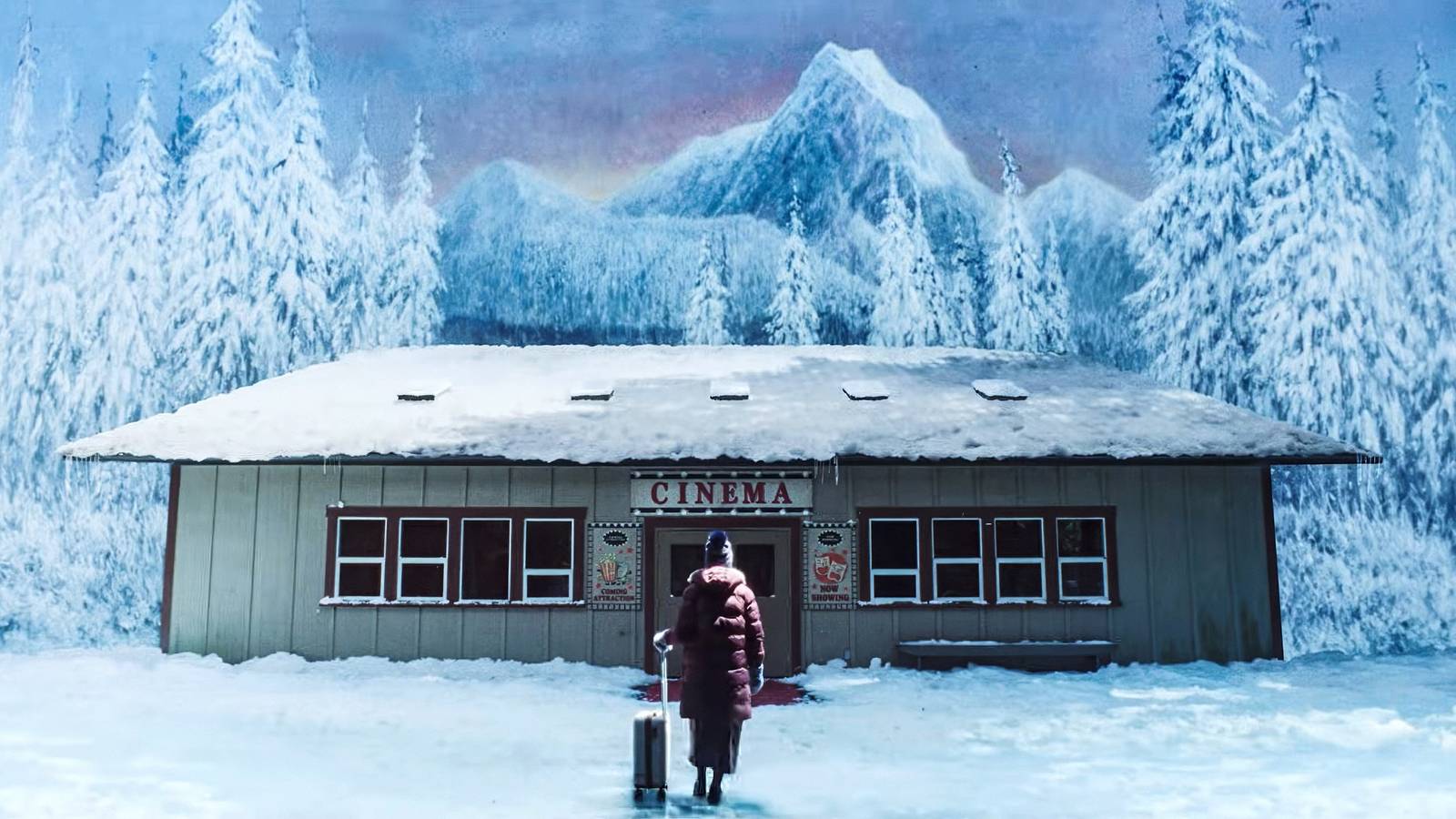
By inventing their own '80s slasher franchise, Jane Schoenbrun both sends up Hollywood's IP obsession and celebrates the love we have for horror.
Today's entertainment landscape is obsessed with looking backward, for a variety of reasons. Studios, streamers, and their various corporate overlords look at IP as a more secure investment in a business in which, as the saying goes, nobody knows anything. Why audiences show up for all these remakes and reboots is more complicated, but we tend to group all the reasons under the blanket of nostalgia. It can be comforting to revisit something familiar when living through turbulent times.
But why do the filmmakers make them? Not the ones simply chasing a paycheck, or the ones looking to work at scale regardless of what franchise their movie technically belongs to – the artists, who use cinema to try and share a piece of their soul with us. What might motivate, say, a Sundance-darling director to pivot from personal indies into reviving an old, of-its-time slasher franchise?
This is one of many questions driving Teenage Sex and Death at Camp Miasma, the new film from Jane Schoenbrun, who is rapidly becoming one of the most important voices of the nostalgia era. Both of their previous films, We're All Going to the World's Fair and I Saw the TV Glow, are (among many things) about our relationships with the media of our childhood; in their work, the pull we feel toward these fictional worlds from our past is about something far more profound than comfort. And if TV Glow was hauntingly dysphoric, this new film is its euphoric other half.
Exploring how escaping into a horror movie can actually be a way of finding oneself, Teenage Sex and Death at Camp Miasma is an exciting evolution in Schoenbrun's filmmaking, and undoubtedly one of the year's most interesting movies. So packed with meaning that it's impossible to fit in any single box, yet still easy to understand when felt first. Deeply personal, while also an insightful look at this moment of pop culture we're living through. Heady, beautiful, artful, and also fun – especially if you're a horror fan.
Camp Miasma Invents Its Own Slasher Franchise (And Then Reboots It)
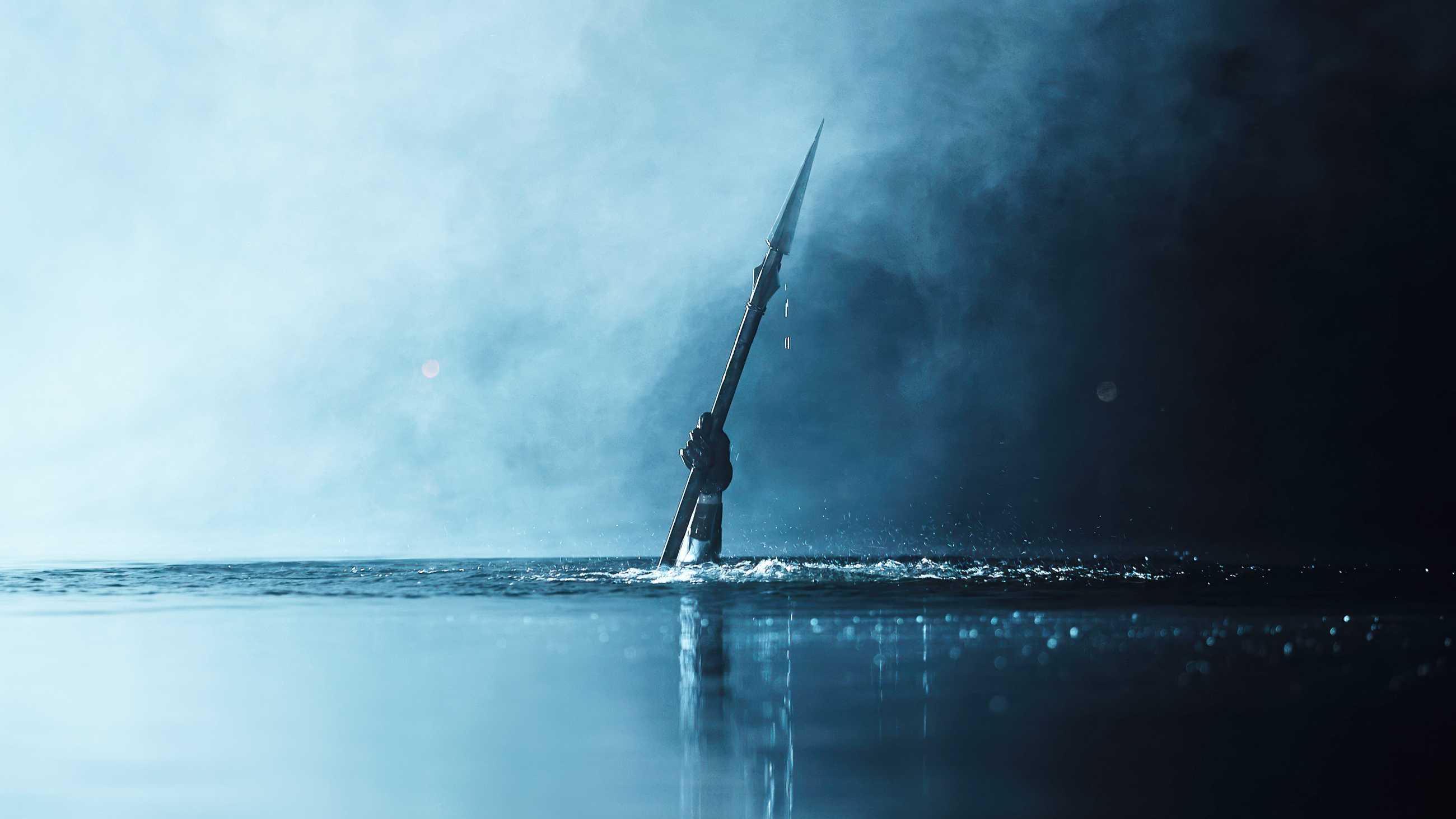
After briefly showing a vicious murder scene being filmed, the film opens with one of the most effective lore dumps I've seen: a history of the fictional Camp Miasma slasher franchise, told through the physical remnants of its existence. The screen-used costume of the franchise killer, Little Death (Jack Haven); "Air Vent Man," the Party City knockoff, still in its packaging. Photos and news clippings from the first movie's sensational success in 1983. A stack of VHS tapes that grows with each sequel. A Razzie in the '90s. A New Yorker cartoon. Digital-age thinkpieces about its cultural legacy. Many other things, all leading up to an article in Variety about a new attempt at a reboot.
Schoenbrun excels at this kind of worldbuilding. There is a texture and specificity to the objects on display, and to the history they outline, that makes Camp Miasma and its place in pop culture instantly understandable. It heavily channels Friday the 13th, with its camp setting and Little Death's drowned ex-camper backstory, but the effect isn't of a thinly veiled copy. It feels like this slasher series was pulled out of our collective memory.
...as the carefully maintained tone drives home, it isn't itself a horror film.
That said, most people wouldn't remember it as well as Kris (Hannah Einbinder), the young filmmaker tapped to reimagine the franchise with a new reboot. She's a Camp Miasma obsessive eager to take on the assignment, but she also has no illusions about why she's getting this opportunity. Though potentially valuable IP, this franchise will need to grapple with its inherent transphobia if it intends to connect with 2020s audiences. And Kris, whose first film was little seen but critically acclaimed, is exactly the kind of queer, intellectual filmmaker who can (to use a term this movie knowingly invokes) make Camp Miasma suitably woke.
Kris has no intention of just playing the studio's game, however. These movies really mean something to her, and she's going to do right by that feeling – starting by tracking down Billy Presley (Gillian Anderson), the notoriously reclusive actress who played the original final girl. After starring in the smash hit, Billy chose not to return in any of the sequels. Today, she lives alone at Camp Tivoli, the remote Pacific Northwest shooting location of the original Camp Miasma. Despite Kris' trepidation, Billy is lovely. But, if they're going to collaborate, she needs to know she and Kris can connect on a personal level. In opening up, Kris gets a whole lot more than she bargained for.
Teenage Sex And Death At Camp Miasma Is A True Celebration Of Horror Fandom
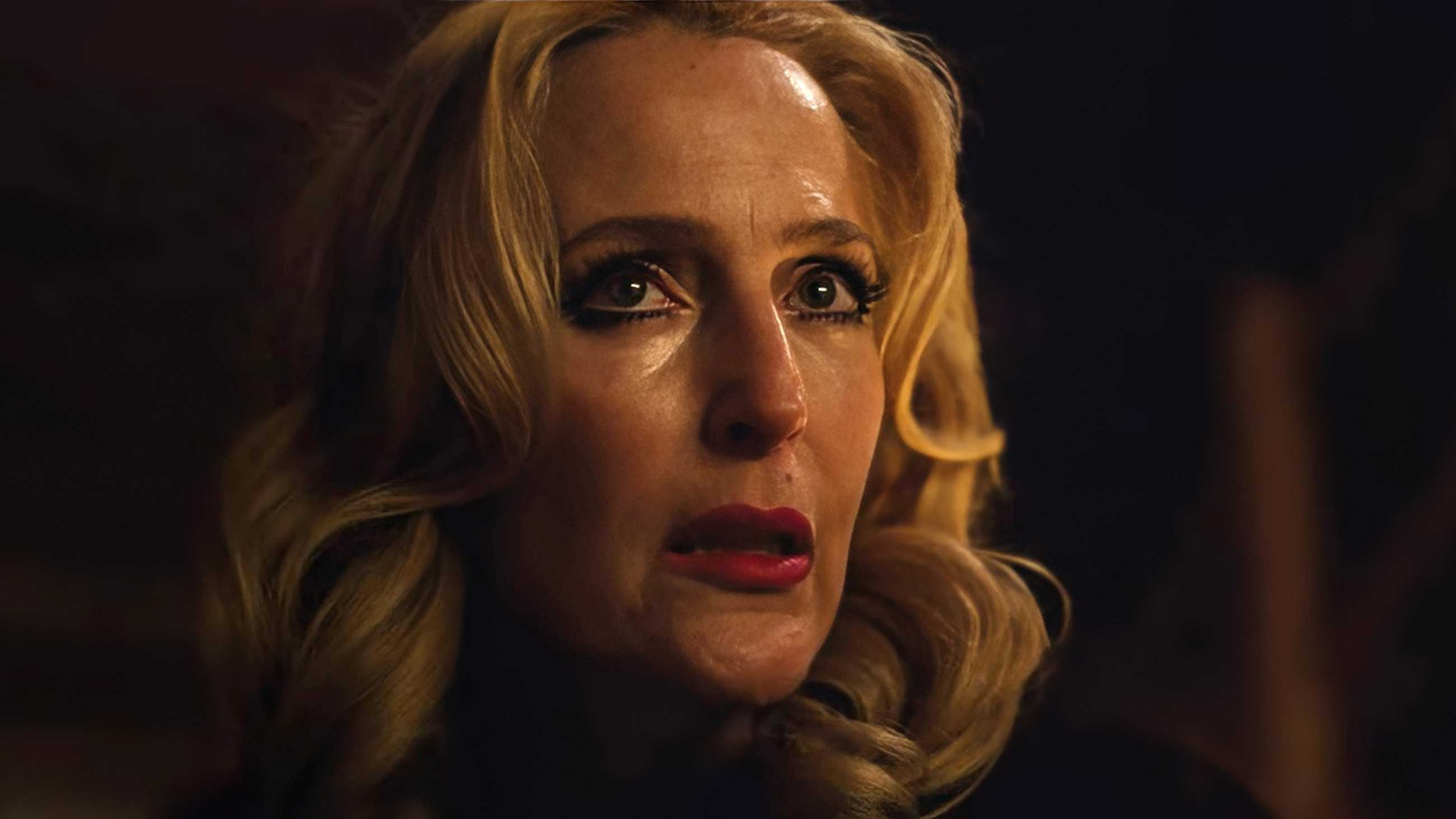
Einbinder and Anderson are great in these roles as two very different misfits drawn ever closer by their shared love for this one particular piece of media. More than anything, that love is what Teenage Sex and Death at Camp Miasma is about. This film is full of horror references of all kinds, as well as an extended sequence of the first Camp Miasma, complete with plenty of camp counselors being slaughtered with a double-ended spear. But, as the carefully maintained tone drives home, it isn't itself a horror film. Instead, it's an attempt to capture the warmth and acceptance that one finds among the genre's fandom.
If you count yourself among them, as I do, it makes for a special viewing experience. As with I Saw the TV Glow, there is far more to unpack here than one review could capture; Schoenbrun clearly enjoys making films that invite (and sustain) being pored over. But you don't have to watch it that way. The craft on display, wonderfully playful with its artful artifice, can be appreciated as easily as analyzed. The same is true for the film's turn into a perverse sexiness that cleverly inverts the classic handwringing concern that horror audiences sexually identify with the killers. If Kris and Billy represent two ways of enjoying horror movies, Schoenbrun aims to satisfy both.
Ultimately, Teenage Sex and Death at Camp Miasma occupies an interesting place in this legacyquel landscape. It sometimes adopts a satirical edge to make fun of the cynical ways Hollywood tries to exploit a fan's love, and its slippery approach to form does sometimes open its fictional slasher world up to laughter, something Schoenbrun embraces. But the majority of the movie is a quite sincere celebration of the one thing the suits can never really take from you: That experience you had watching a horror movie way too young that accidentally triggered your sexual awakening. Or, rather, the part of who you are that was shaped by loving them.
Teenage Sex and Death at Camp Miasma releases in theaters on Friday, August 7.