Samsung Galaxy Z Fold 8 vs. Z Fold 8 Ultra: what's the difference?
At its recent Galaxy Unpacked event in London, Samsung unveiled its next-generation of foldable phones, including the Galaxy Z Flip 8, Galaxy Z Fold 8, and the Galaxy Z Fold 8 Ultra.
The Galaxy Z Fold 8 Ultra and Galaxy Z Fold 8 are Samsung's two new book-style foldables, with the Galaxy Z Fold 8 Ultra being the direct successor to last year's Galaxy Z Fold 7, while the Galaxy Z Fold 8 is a new, more compact take on the form factor, featuring a wider Main Display and a square Cover Screen.
Samsung is positioning the Galaxy Z Fold 8 Ultra as its ultimate foldable experience -- hence the new "Ultra" branding, similar to the Galaxy S26 Ultra. It packs the company's best cameras, the biggest battery, and its most premium hardware. Meanwhile, the Galaxy Z Fold 8 still delivers a powerful foldable experience, but in a more compact package with a few compromises, that's geared more toward media consumption than heavy multitasking.
I had the chance to go hands-on with both phones at Galaxy Unpacked in London, so let's break down the biggest differences between the Galaxy Z Fold 8 Ultra and the Galaxy Z Fold 8, including their design, displays, cameras, specs, pricing, and more.
Price, specs, and availability
The Galaxy Z Fold 8 and Galaxy Z Fold 8 Ultra are now available for pre-order and will be released on August 7.
The Galaxy Z Fold 8 is available in three storage variants: 256GB, 512GB, and 1TB, with the phone starting at $1,900 USD ($2,400 CAD). The phone comes in three main colors: Lavender, Graphite, and Cream, plus an online-exclusive green Pistachio color.
As with last year, the Galaxy Z Fold 8 Ultra is available in three storage variants, including 256GB and 512GB models with 12GB of RAM and a 1TB model with 16GB of RAM. The Galaxy Z Fold 8 Ultra starts at $2,100 USD ($2,700 CAD) and comes in three main colors: Violet Shadow, Graphite, and Cream, plus an online-exclusive Green Shadow color.
Directly comparing the 256GB models, the Galaxy Z Fold 8 is $1,900 USD, while the Z Fold 8 Ultra is $2,100 USD, which is $200 more.
Design and display
Two distinctly different shapes

The biggest difference between the Galaxy Z Fold 8 and Galaxy Z Fold 8 Ultra is their design. The Galaxy Z Fold 8 Ultra is the more familiar of the two, closely resembling last year's Galaxy Z Fold 7. Folded, it has a 6.5-inch Cover Display with a 2520 x 1080 resolution that feels much like using a traditional smartphone, protected by Gorilla Glass Ceramic 3. Unfold it, and it transforms into a tablet-like experience with an 8-inch Main Display featuring a 2504 x 2256 resolution and a 120Hz refresh rate. It also features Samsung's new Flex Titanium Technology, which helps visibly reduce the crease compared to the Galaxy Z Fold 7, and a new anti-reflective display coating.
The Galaxy Z Fold 8 takes a very different approach. Rather than mimicking the shape of a conventional smartphone, its 5.5-inch Cover Display is shorter and squarer, with a 1972 x 1248 resolution and the same Gorilla Glass Ceramic 3 protection. Open it up, and you're greeted by a wider, though slightly smaller, 7.6-inch Main Display with a 1848 x 2448 resolution and a 120Hz refresh rate.
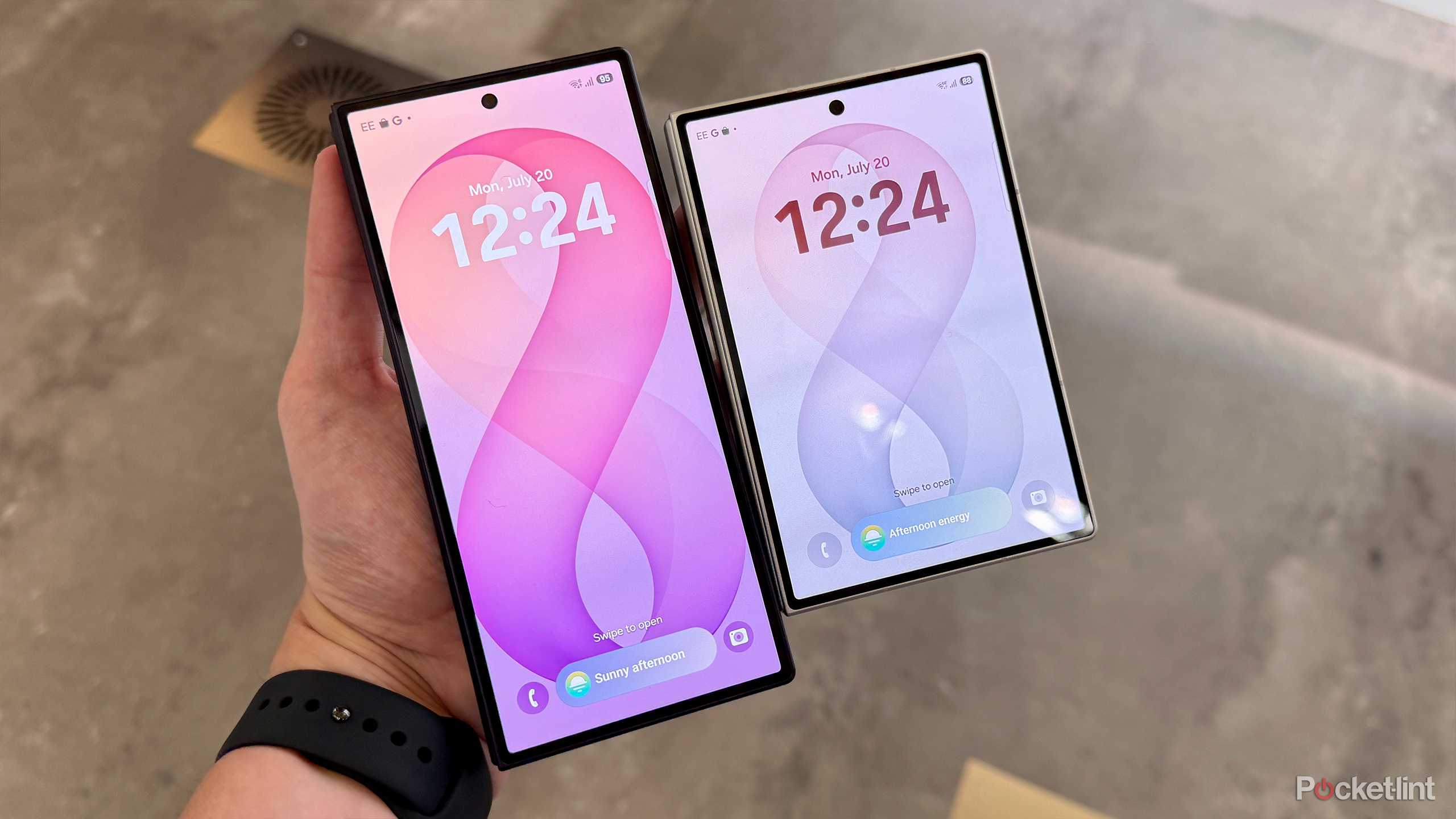
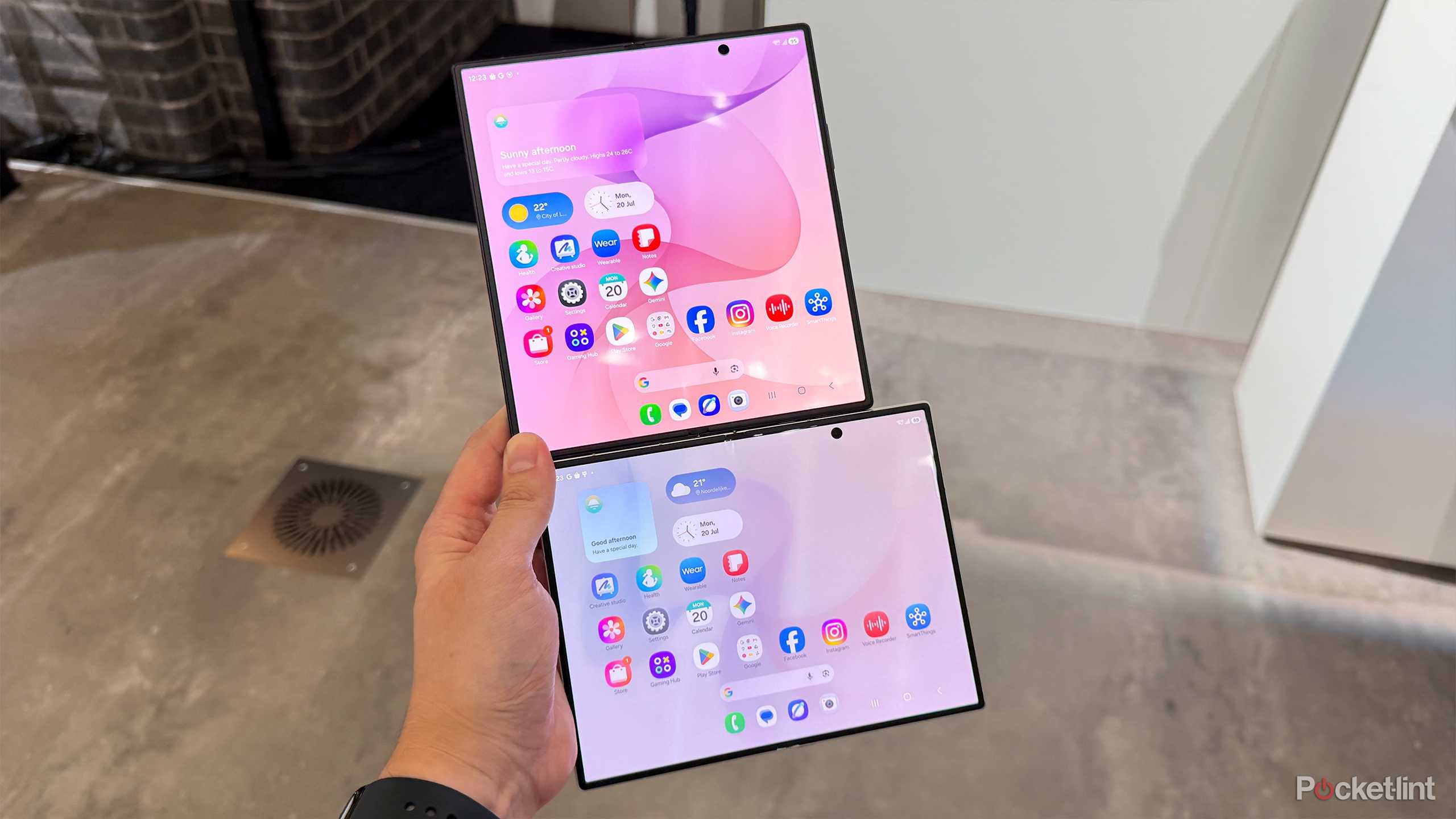
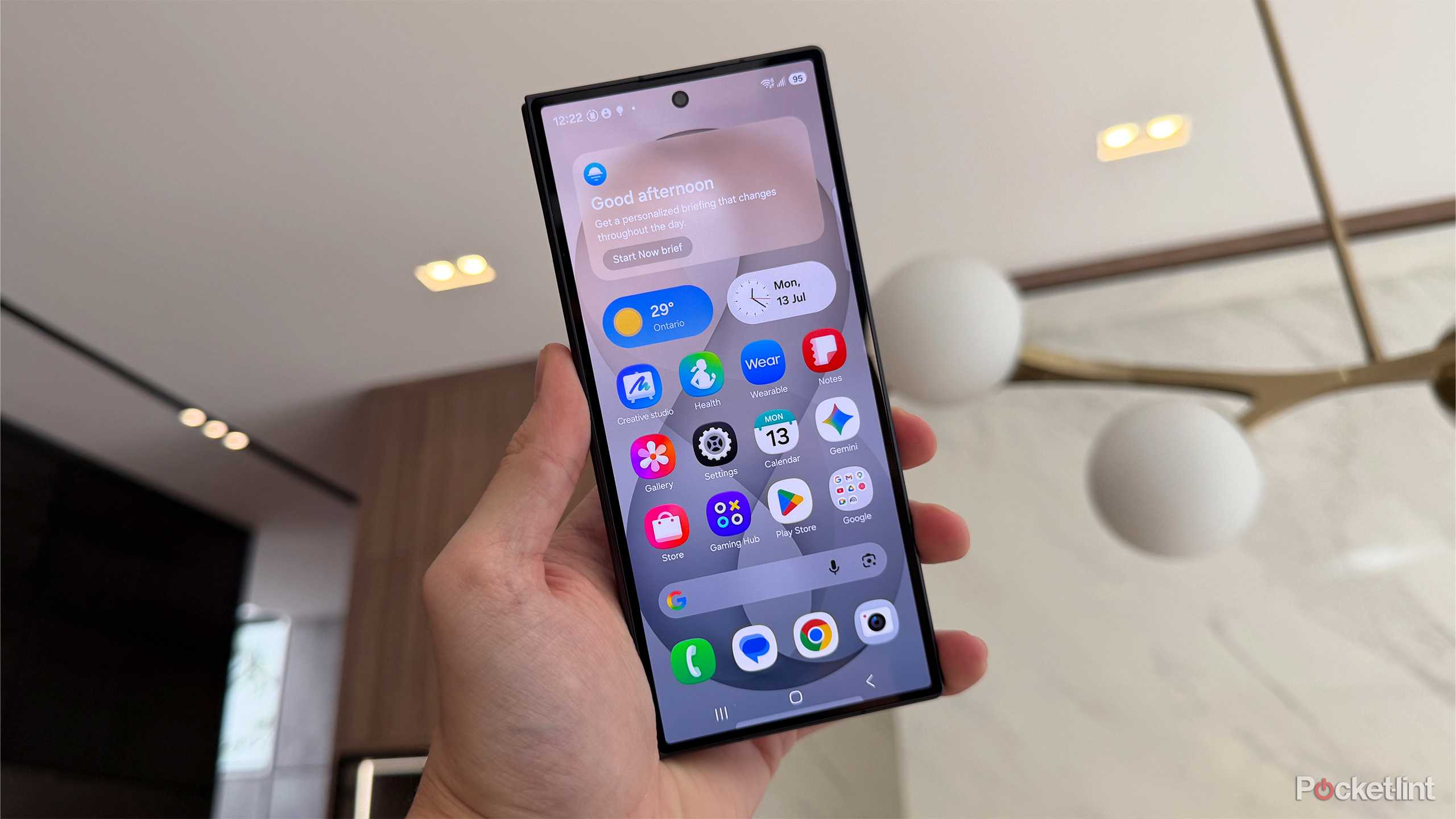
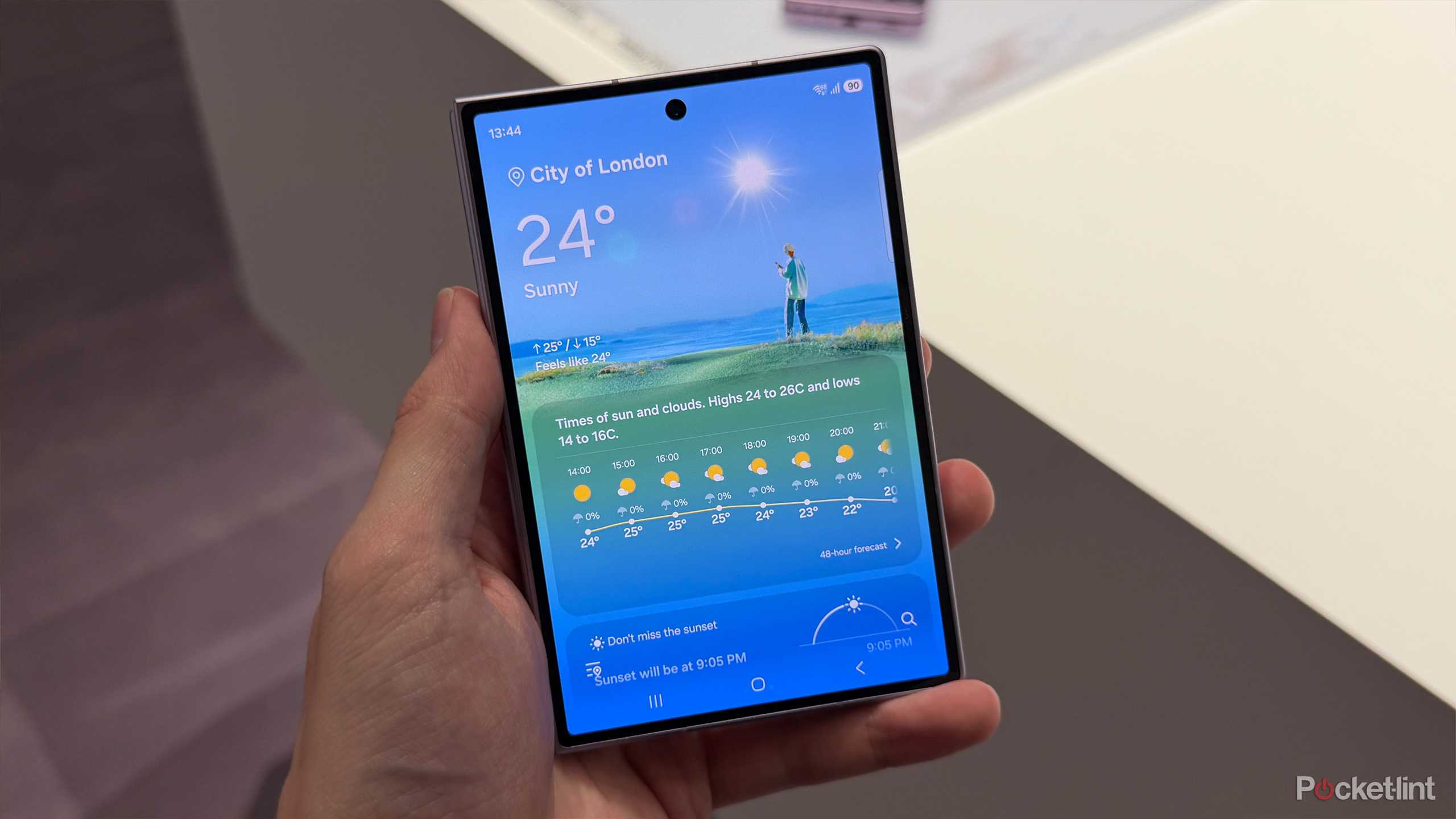
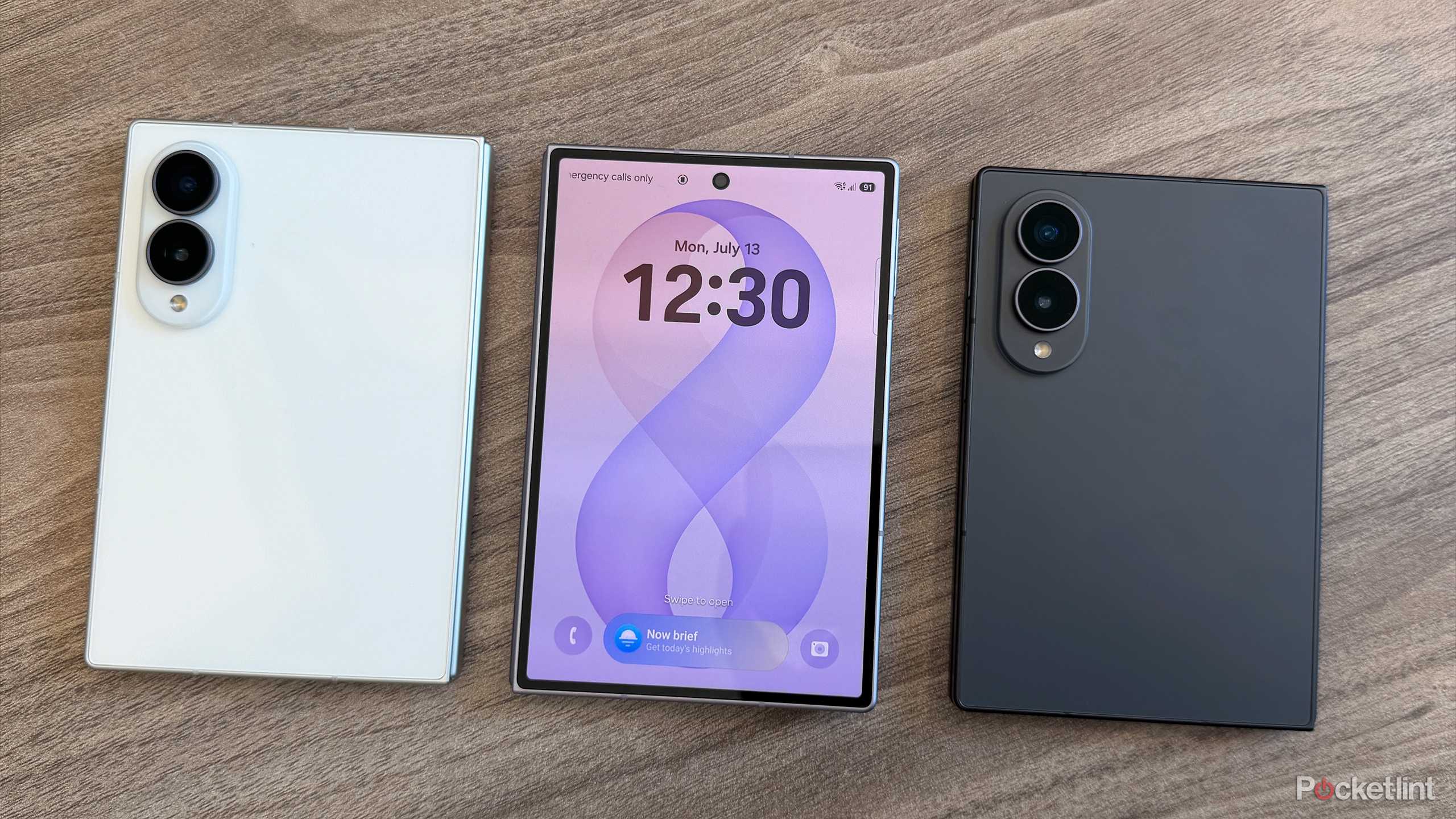
Ultimately, it comes down to the form factor you prefer. The Galaxy Z Fold 8 Ultra feels like a regular smartphone that unfolds into a larger tablet, while the Galaxy Z Fold 8 offers a more compact, book-style foldable experience. Based on my time with both devices in London, I found the Z Fold 8 a lot more fun to use, mainly because it was easier to hold and watch videos on thanks to the aspect ratios of both its screens.
As for build quality, both phones feature an Armor Aluminum frame, with the Galaxy Z Fold 8 weighing 201 grams and the Galaxy Z Fold 8 Ultra weighing 215 grams, and both are rated for IP48 water and dust resistance. Samsung is also making a big deal about just how thin these foldables are, and understandably so. The Galaxy Z Fold 8 measures 4.5mm when unfolded and 9.7mm when folded, while the Galaxy Z Fold 8 Ultra is even slimmer at just 4.1mm when unfolded and 8.9mm when folded, making it Samsung's thinnest foldable phone yet.
Internals
Same chipsets, different batteries

Under the hood, the Galaxy Z Fold 8 and Galaxy Z Fold 8 Ultra have a lot in common. Both are powered by Qualcomm's Snapdragon 8 Elite Gen 5 for Galaxy, a solid step up from last year's Snapdragon 8 Elite. As for memory, both models come with 12GB of RAM in the 256GB and 512GB storage configurations, while the 1TB Galaxy Z Fold 8 Ultra bumps that up to 16GB, much like last year's 1TB Galaxy Z Fold 7.
Battery life is another difference between the two. The Galaxy Z Fold 8 packs a 4,800mAh battery, while the Galaxy Z Fold 8 Ultra increases that to 5,000mAh. Compared with last year's Galaxy Z Fold 7, which had a 4,400mAh battery, both models are a noticeable upgrade. They also both support 45W Super Fast Charging 2.0, which Samsung says can charge the battery to 65 percent in about 30 minutes.
One disappointment, though, is that neither the Galaxy Z Fold 8 nor the Galaxy Z Fold 8 Ultra includes built-in magnets for Qi2 magnetic charging, like Google introduced with the Pixel 10 Pro Fold last year.
Cameras
Where the Galaxy Z Fold 8 Ultra shines

When it comes to cameras, the gap between the Galaxy Z Fold 8 and Galaxy Z Fold 8 Ultra becomes much more noticeable.
Living up to its "Ultra" name, the Galaxy Z Fold 8 Ultra packs a significantly more capable camera system. On the back, you'll find a triple-camera setup consisting of a 200-megapixel wide camera with an f/1.7 aperture, a 50-megapixel ultra-wide camera with an f/1.9 aperture, and a 10-megapixel telephoto camera with an f/2.4 aperture.
The Galaxy Z Fold 8, meanwhile, has a simpler dual-camera system, featuring a 50-megapixel wide camera with an f/1.8 aperture and an ultra-wide camera with an f/1.8 aperture. In other words, it misses out on the Ultra's 200-megapixel primary sensor and lacks a dedicated telephoto camera altogether.
As for selfie cameras, both phones are identical. The Cover Display and Main Display on each phone feature a 10-megapixel front-facing camera with an f/2.2 aperture, so you're getting the same selfie experience regardless of which model you choose.
Verdict: Which Galaxy Z Fold is right for you?
It depends on your style

The Galaxy Z Fold 8 Ultra and Galaxy Z Fold 8 are both incredibly capable foldable phones, and Samsung has once again raised the bar this year with improvements to design, performance, and battery life.
If you're looking purely at the spec sheet, there's no question the Galaxy Z Fold 8 Ultra comes out on top. It offers better cameras, a bigger battery, and larger inner and outer displays. It's also Samsung's thinnest book-style foldable yet, measuring just 4.1mm when unfolded.
But I don't think this decision comes down to specs alone. While the Galaxy Z Fold 8 makes a few compromises compared to the Ultra -- namely a slightly smaller battery and the lack of a telephoto camera -- its compact design is genuinely appealing. After spending time with both phones at Galaxy Unpacked, I actually found myself drawn more to the Z Fold 8's passport-like design and wider inner display than the Ultra's more traditional book-style foldable form factor.
Both are powerful, premium devices, and a big part of the decision comes down to the kind of foldable you want in your pocket...
So if you're thinking about picking up one of Samsung's new Z Fold 8 phones this year, the specs only tell part of the story. Both are powerful, premium devices, and a big part of the decision comes down to the kind of foldable you want in your pocket. If you prefer something that feels more like a traditional smartphone when closed but unfolds into a larger tablet-like screen, the Galaxy Z Fold 8 Ultra isn't a bad choice. But if you like the Z Fold 8's wider, squarer shape and want a foldable that's especially comfortable for reading, watching videos, and browsing the web, it's an excellent option in its own right. Additionally, in terms of cost, opting for the Galaxy Z Fold 8 will be better for your wallet, given the Z Fold 8 Ultra's higher price.
The Galaxy Z Fold 8 Ultra and Galaxy Z Fold 8 are available to pre-order now and launch August 7.