5 Open-World RPGs Where Your Choices Genuinely Matter
RPG is often a genre in which the decisions you make along the campaign change the outcome of the narrative or, at least, some plot points throughout the story. This is one of the most varied genres in gaming, as these titles can have different types of gameplay styles, approaches, and even length. There are many huge RPGs with over 200 hours of gameplay, while others are much shorter. Some of these RPGs have stories that are pretty straightforward, guided by a single character, while others have different expanding possibilities led by large parties of heroes.
Not every RPG gets branching narrative options, as is the case with the majority of the Final Fantasy games, many of which are remarkable because of their unchangeable story arcs. However, freedom of choice that directly affects the campaign can make for a powerful foundation. Within these parameters, you can find turn-based RPGs with open worlds, as well as action-based titles with huge worlds – and these open-world maps make for even more immersion as you meet characters and uncover secrets. Open worlds aren’t a guarantee in every RPG, but they often make for unforgettable settings.
Baldur's Gate 3

Baldur’s Gate 3 is a good example of how open-world map structures and narrative choices can dialogue with one another. Larian’s award-winning RPG isn’t fully open-world, as the game is divided into three distinct acts, each of which has a huge open-world area to explore, plus additional sub-areas, but it plays like a living world. The choices in this turn-based RPG matter, too, as your decisions can affect your allies and even the world around you.
In Act 1, for instance, you can choose to side with the druids or the goblins, and even within those factions, there are other smaller choices to be made. This is also where you start courting a potential romance option in Baldur’s Gate 3. Without diving into spoiler territory, there’s a series of choices in Act 2 that can define the future of the Shadow-Cursed Lands, and one of them stems from a decision you make back in Act 1.
Even taking certain allies on specific adventures can shape the narrative, as they can leave your party in Baldur’s Gate 3, cutting you off from a huge storyline to uncover. Most of what you do and choose in the game can have repercussions, even if small, but it’s precisely this that makes the game so great. It’s one of the closest video games to replicate a Dungeons and Dragons campaign, with some of its hidden restrictions and narrative guidance along the way.
The Witcher 3: Wild Hunt
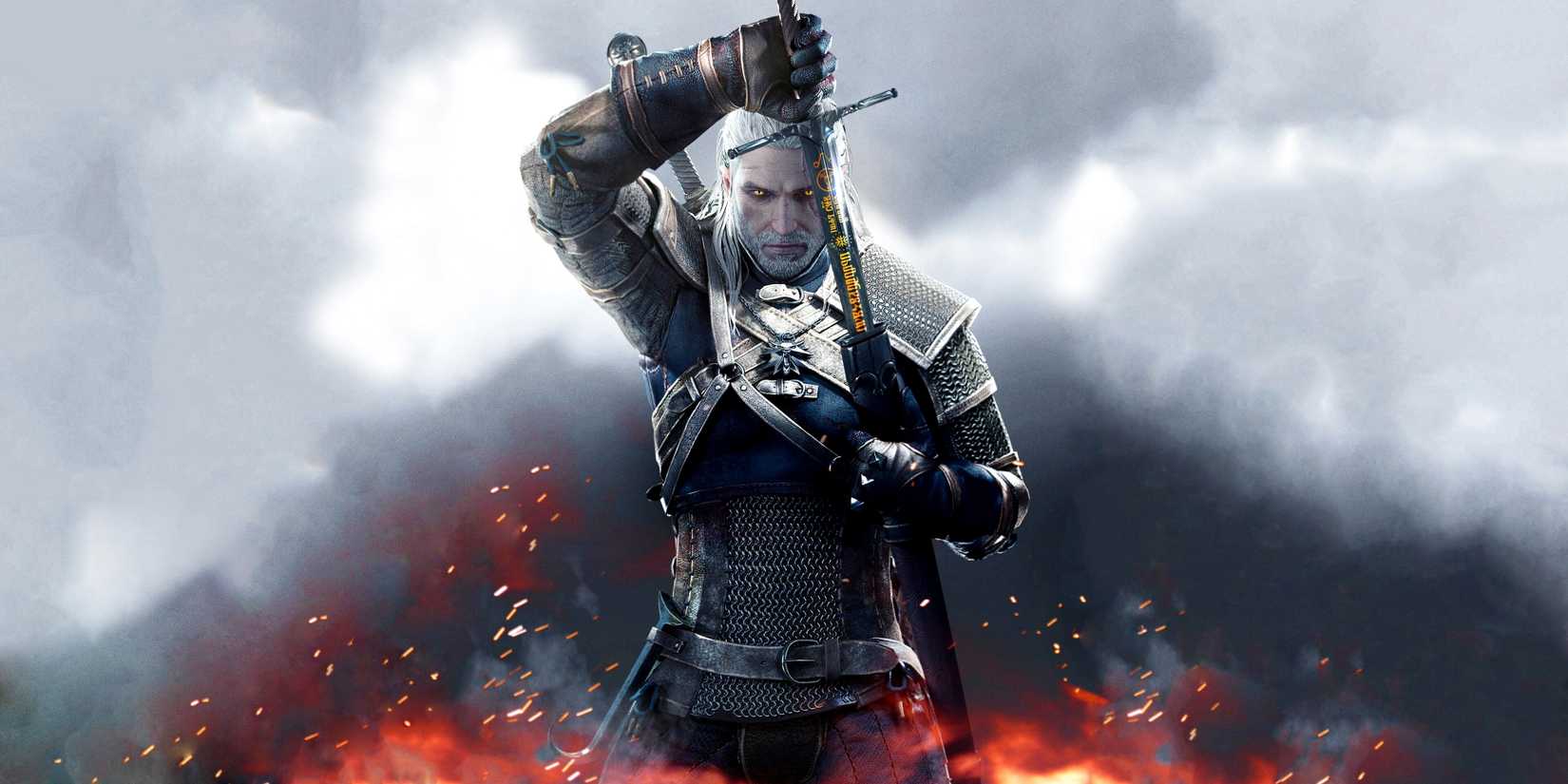
Another big open-world RPG with choices that affect your story is The Witcher 3: Wild Hunt. The 2015 hit by CD Projekt RED is one of the most iconic titles in the genre, and despite some of its issues at launch, it helped lay down a foundation for what action-based RPGs could look like moving forward. The open-world map of the game is actually divided into regions, technically offering players several different open-world instances to explore rather than a seamless open-world experience.
Even so, it can be categorized as an open-world game, as you can explore the majority of these areas freely once you reach them within the campaign. Across Velen, Skellige, and Novigrad, there’s a lot to see and do, both related to the main story and side quests you can take on along the way. On top of that, there are some difficult decisions to make in The Witcher 3. This is because the choices you make have a chance of altering the ending of the game and the fate of certain characters.
In total, there are three different endings in the game, though there are also different variations of those, since they portray specific characters and how the world around Geralt of Rivia has been molded. There are a few choices to ensure the best ending in The Witcher 3, but ultimately, there are tons of choices that you make throughout the campaign that dictate precisely how your story will end and what the Continent looks like once Geralt and Ciri’s adventures are over.
Pathfinder: Kingmaker

While Pathfinder: Wrath of the Righteous is widely considered the best entry in the series, its predecessor, Pathfinder: Kingmaker, is an RPG that fans of open-world maps and narrative-defining choices shouldn’t be too quick to overlook. Pathfinder: Kingmaker is a turn-based CRPG developed by Owlcat Games, and its open-world map sections are presented within chapters, not unlike the areas in Baldur’s Gate 3 that are locked behind specific acts.
The 2018 RPG is openly “inspired by games like Baldur’s Gate, Fallout 1 and 2, and Arcanum,” and it shows, given how the choices that you make as you progress through the campaign can change everything. These decisions don’t only change the outcome of your ending, but they also mold your alignment, your relationship with certain characters or factions, as well as other smaller story arcs that you’ll experience along the way.
In many ways, the game will feel familiar to those who have played Baldur’s Gate 3. If you want a game where your choices directly affect your experience in real time rather than only the ending, this is the way to go. Pathfinder: Kingmaker is considered one of the hardest turn-based RPGs to beat, and you may need some understanding of TTRPGs like Pathfinder itself to get through it without feeling punished as you play.
Dragon Age: Inquisition

Dragon Age: Inquisition is also a huge open-world game where choices heavily impact the story – and it’s not such a huge surprise, considering BioWare is the studio behind it and titles like Mass Effect. The 2014 RPG draws heavily from its predecessor, Dragon Age: Origins, bringing choices to the forefront of the player experience. In fact, much like its predecessor, these choices start during character creation, as your racial and class choices will all affect how the world reacts to you, including romance options in Dragon Age: Inquisition.
Elves, for example, are often met with prejudice in Thedas, while humans are treated regularly. It isn’t necessarily game-breaking, but it will alter dialogue options and, ultimately, choice options along the way. The different choices you make in the RPG help change the world around you, your relationship with other companions, and much more. They don’t appear only in pivotal moments, like when you decide between Mages and Templars in Dragon Age: Inquisition, but throughout the entire game.
Somewhat like The Witcher 3: Wild Hunt, Dragon Age: Inquisition has a semi-open-world structure, with open-world areas that you can explore freely, but need to transit between with loading screens. Each area is distinct and full of mysteries to uncover, well beyond the limitations of what the main campaign quests would have you explore.
Disco Elysium

Of course, what may be the prime example of an open-world game with heavy choice mechanics is Disco Elysium. The RPG created by ZA/UM is considered one of the best games ever made, and this RPG is mostly a narrative game with few to no instances of combat, depending on the decisions you make along the way. As such, what pushes the game forward are the choices that your detective character makes. How you control the protagonist is completely up to you.
You’ll have different options with nearly every small bit of dialogue with any character you stop to talk to. Not all of them will want to expand too much, nor will all of them be friendly. In fact, this is a pretty gritty game. In Screen Rant’s review of Disco Elysium, we mention that the game “is an exquisitely-written RPG of external and internal turmoil, political unrest, and self-destruction, packaged into a detective noir.”
The whole story takes place in an open-world area of a district called Martinaise, in a town called Revachol. As you try to recover your detective’s memories while also conducting an investigation, you’ll explore the four corners of the district and meet with unforgettable characters like Cuno. Everything you do in Disco Elysium has consequences, making it one of the very best RPGs to fit the category where choices truly matter.