Every way you can support physical media right now
Every form of physical media is under threat. From books to music, movies to video games, companies are pushing digital versions of entertainment on you that make them more money while providing little else other than convenience. While you may get what you want more quickly, you're sacrificing quality, value, and ownership along the way.
Rising streaming service prices, a desire for ownership, and a general lack of reliability have resulted in consumers increasingly seeking out physical media. Here's what you can do to support physical media today to ensure it sticks around in the future.
Opt out of digital video games
Buy discs whenever possible

Perhaps the most pressing issue for physical media fans is Sony's recent announcement that coming January 2028, all new releases for PlayStation 5 will be digital only. Physical discs will no longer be made. There are countless problems with this, including the fact that plenty of gamers like to have a physical case and disc as part of a collection, showing off titles and creating a distinct gaming space.
The move by Sony cuts a lot of spending. Physical discs don't need to be manufactured, saving money. However, the bigger issue is that the move prevents gamers from sharing those games. They can't buy and sell used copies or simply pass them on to someone in need. So, according to Sony, no one can play a game unless they pay full price for it.
Despite swift and strong backlash, Sony is holding firm on the announcement. At least for now. So, if you're going to buy a video game, buy a physical copy. And Xbox users, stay vigilant as well. If this works for Sony, if they see the move as saving more money than it costs, then there is no hope for any avid gamers.
Experience Blu-ray discs vs. streaming
Quality and fidelity are superior
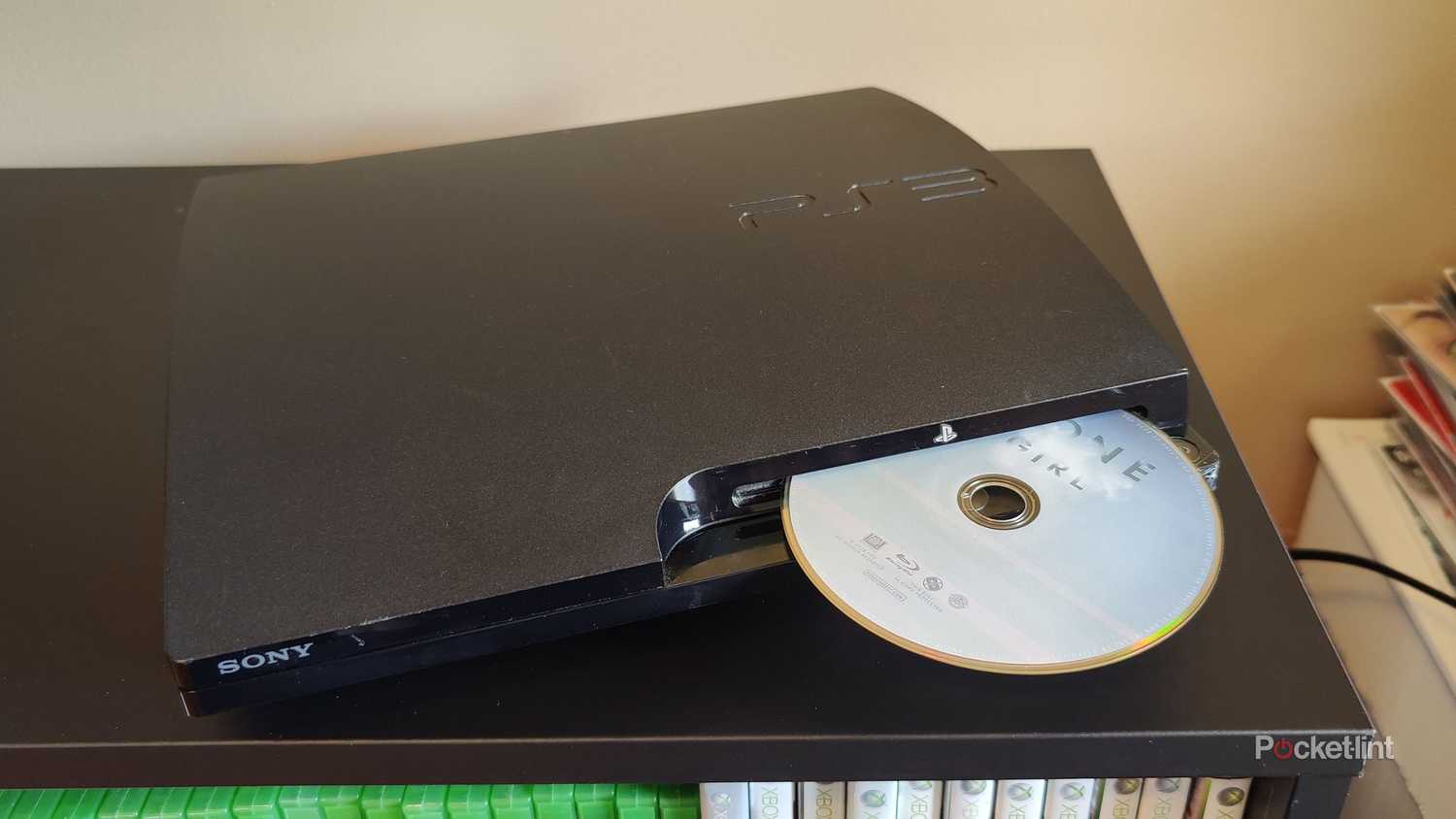
For those who are still swayed by the convenience of streaming, I would challenge you to try out the alternative and compare the quality. For all the ease of turning on your TV, heading to Netflix, and pressing play, a process that can take less than thirty seconds, the quality of the video and audio you receive when streaming doesn't come close to what you can get when you pop in a physical disc.
Streaming is limited due to compression, a process by which large video and audio files are lessened in order to get them to your TV screen across an internet connection. Bandwidth limitations mean Netflix and others can't get you the file of a movie or TV show in its original form. It needs to be smaller. So these files are compressed.
Details are lost in compression. Some may not be noticeable unless you have a side-by-side comparison. This is especially true for the better streaming services; their compression processes are generally pretty good. Still, edges may blur and details may be lost in the background. There also may be issues with contrast. And when you're using a free app, you'll really start to see issues with quality.
Even with quality compression, however, you're still capping the entertainment experience. Wi-Fi can only receive so much information, which is why you should always be streaming with a LAN connection. And if your internet should slow down at all, Netflix and others will lessen the quality of the video in order to keep it playing. It would rather continue the stream at a lower resolution than stop and buffer it altogether.
These aren't issues with Blu-ray. The discs hold large files, and they don't go across the internet. Information is transferred via an HDMI cable. Try out a Blu-ray and see how much better it looks than streaming. And then start buying more Blu-rays.
Unsubscribe to streaming services
Cancel subscriptions to save money for physical media
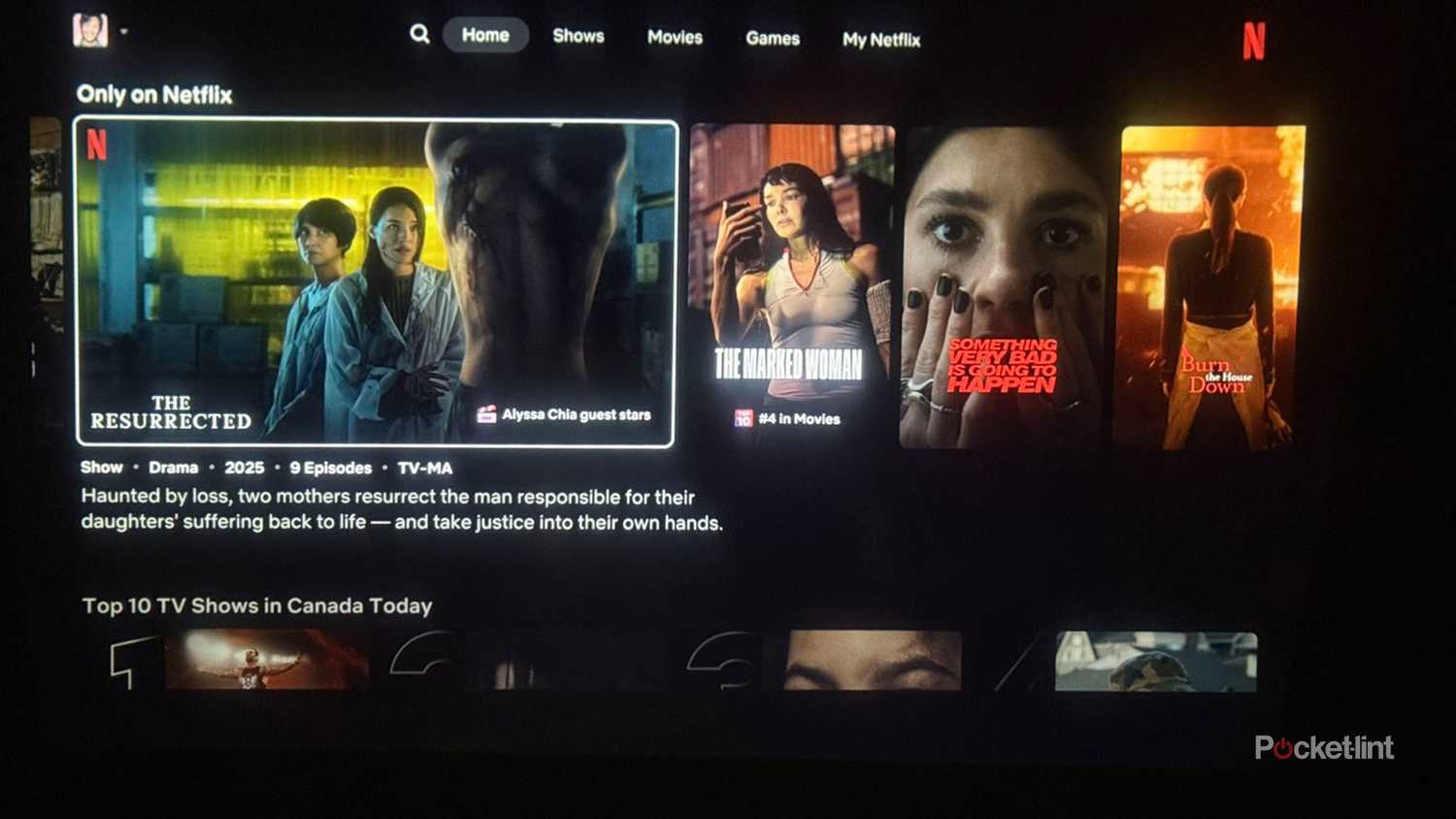
Streaming prices continue to rise, and they aren't going to stop. A monthly bill for a handful of services is now prohibitive, and it's time to take a stand. Really, the only way to push back against streamers is by unsubscribing to their platforms and forcing them to rethink their strategy.
Unsubscribing is a simple yet effective way to push back against digital entertainment and start to stake a claim on actually owning media. It's the biggest way to hurt companies and argue for fairer prices and better quality. Right now, services are doing everything they can to make as much money as possible, and that involves pushing people towards ad-supported tiers. Selling targeted ads is where these services make most of their money. It's a better deal for them, which is why the ad-free tiers are so expensive. They don't want anyone subscribing to them.
Canceling means saving money and time while making advertisers worry. Instead of scrolling through services that are very calculating with what they show you and how those titles are presented, you can pick what you want from your physical media collection. And saving money each month means you can start investing in discs and books.
Be wary of Amazon's reading services
Goodreads and Kindles don't support physical books
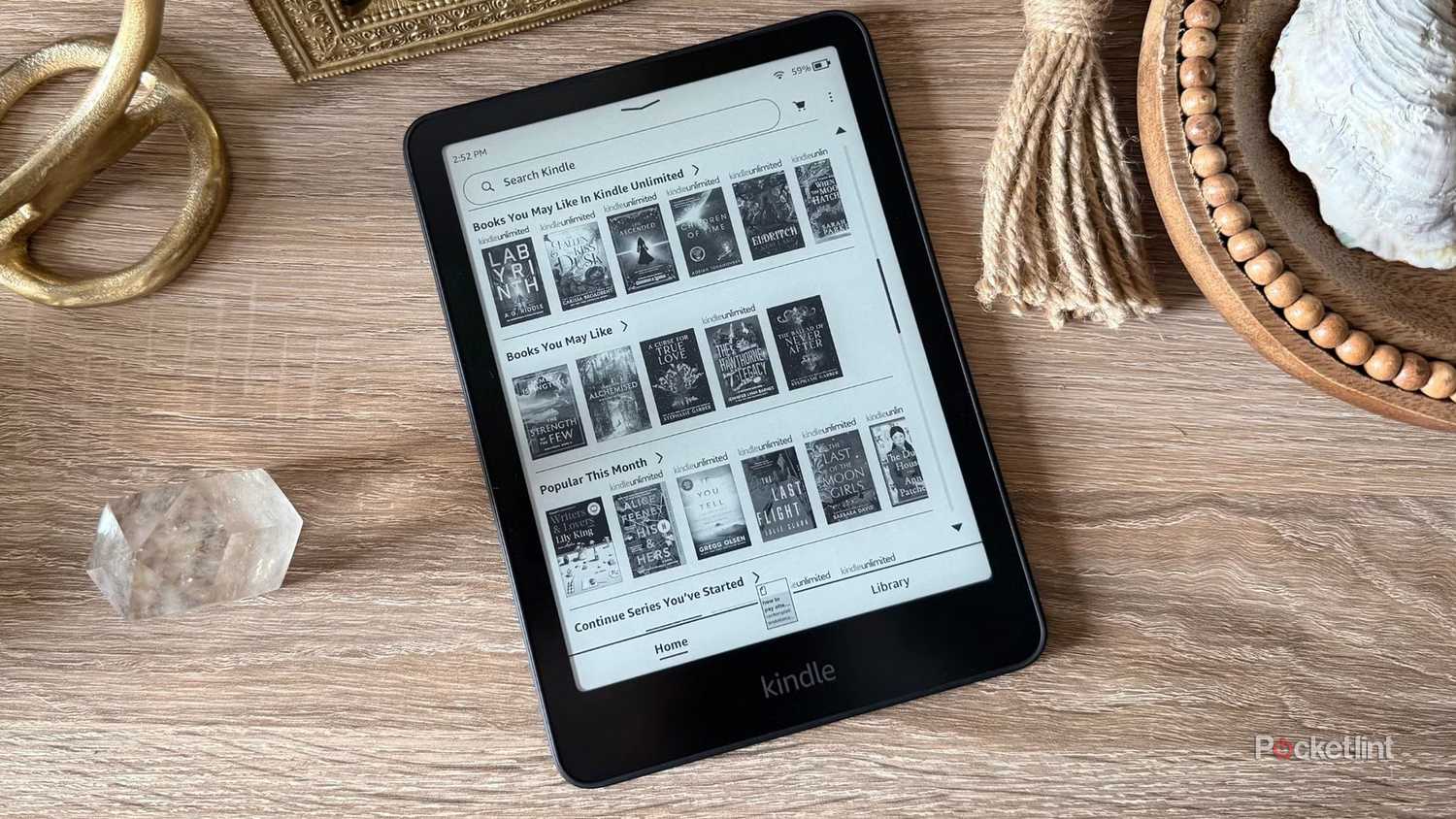
Amazon's Kindle is a convenient and savvy product, making reading more accessible to many while encouraging consumers to explore all that literature offers across the day and night, wherever they may be. While there is a lot of good this product offers, it still threatens physical media. And Amazon doesn't do a lot to truly support readers and authors.
Goodreads, the reading tracking and community app that Amazon bought some years back, in 2013, is a good representation of the company's lack of care. The app itself is dated and clunky, with the interface pretty much the same as it's been for years. In addition to being unattractive, the app allows for review bombing, bad faith commentary, and little in the way of support for those who love reading. It has a lot of ads for other Amazon products and services, even ones that don't have to do with reading.
Amazon is most interested in getting you to buy its ebooks and subscribe to its service; it makes it easy to transfer books bought on Amazon to your Kindle but not so easy for anything else to transfer files. Resist Amazon's ecosystem. Even if you own a Kindle, make sure you support your public library and local bookstore.
Stock up on discs and books today
Invest in physical media for the long term
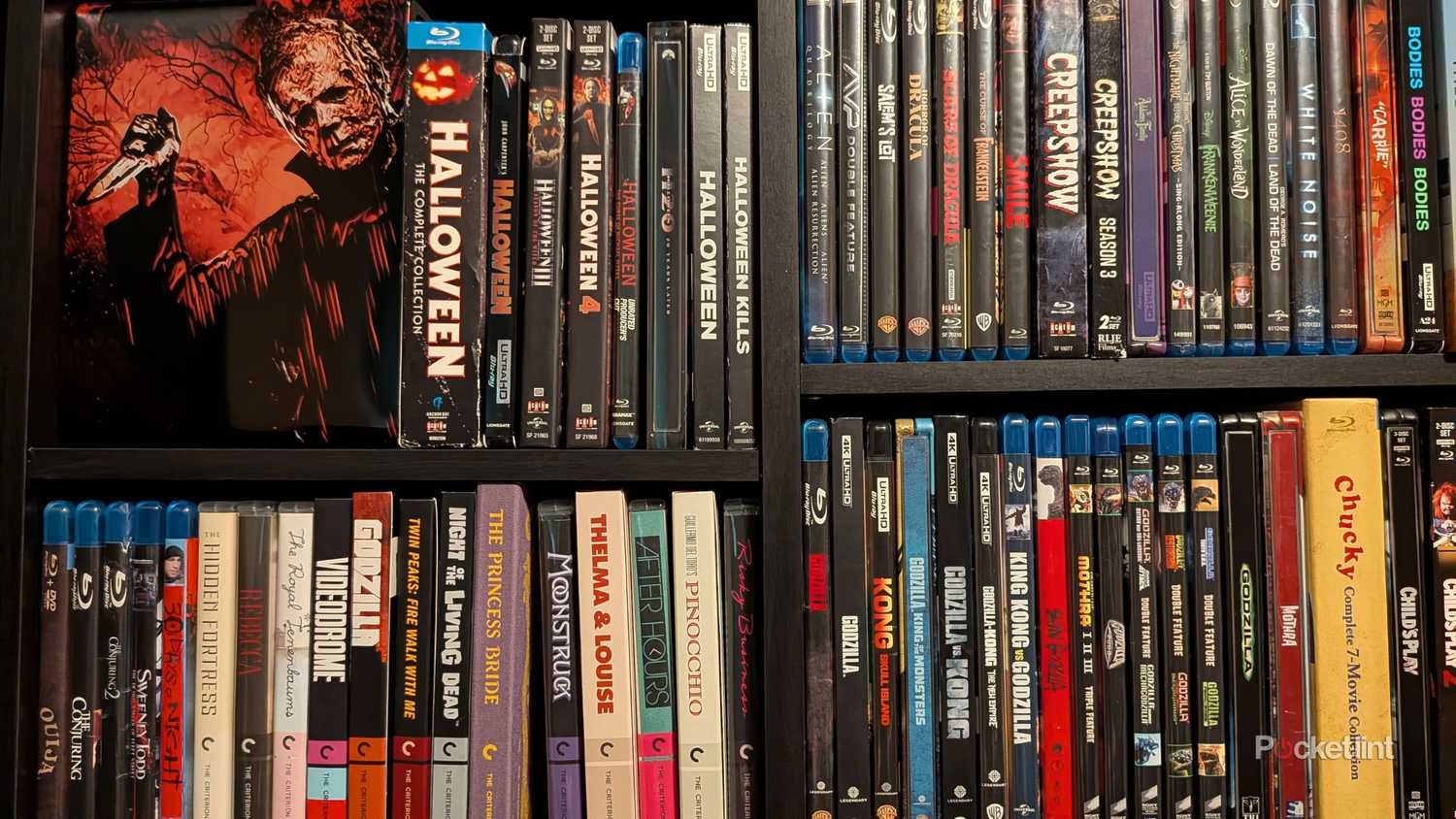
Lastly, you can continue to support physical media by buying it! And it will be a far better investment over time than it may initially seem. Blu-ray prices may vary greatly depending on the title, but you can easily find great deals on older titles, especially at your local big box store. Still, even newer options may be worth investing in for the quality alone.
When you buy a physical disc, you own it. It's yours to do what you want with. There are no future costs associated with it, and no company to pump ads into the title when you're watching. It's a static piece of media that doesn't require anything else. That's a far cry from watching something on Netflix or Disney+. You don't own any of those titles. The catalog may change, titles may be altered, and your favorite movie may end up somewhere else. You are paying for a service that grants you access. None of it is yours.
That's really the biggest issue with the push for digital media. Consumers don't own anything. You end up losing complete control. And the only way companies might reserve course is by seeing consumers who are turning away from the digital era and embracing the quality and ownership that comes with physical discs and books.
It tends to be cheaper, too.