10 Major MCU Characters Stan Lee Didn't Create
Stan Lee's influence on Marvel Comics is impossible to overstate, but despite what many think, some of the most iconic Marvel Cinematic Universe characters were one of his creations. Alongside legendary artists such as Jack Kirby, Steve Ditko, and others, Stal Lee helped create many of Marvel's most famous heroes and villains. Because of that, it is easy to assume that every major Marvel character originated with Lee. The MCU timeline has only reinforced that perception, especially since Lee became famous for his beloved cameo appearances throughout the franchise.
The reality is much more complicated. Marvel Comics has existed for decades, and thousands of creators have contributed to its mythology. Some of the MCU's biggest stars were created years after Lee's most prolific period, while others actually predate Marvel's modern era altogether. In several cases, characters that audiences strongly associate with Stan Lee were actually created by completely different writers and artists.
That does not diminish Lee's contribution to Marvel history. He did, after all, create Spider-Man, the original X-Men, the Fantastic Four, the Hulk, Iron Man, Daredevil, Doctor Strange, and many more. However, it’s worth highlighting how many talented creators helped build the universe that eventually became the MCU.
Captain America

Captain America is one of the most recognizable superheroes in popular culture, particularly following Chris Evans' stoic performance in the MCU beginning with Captain America: The First Avenger. However, he was created long before Stan Lee became Marvel's most famous creative voice. Steve Rogers debuted in Captain America Comics #1 in March 1941, created by Joe Simon and Jack Kirby.
The origin remains largely unchanged today. Rogers was a frail young man who volunteered for an experimental program and became the world's first super-soldier. Simon and Kirby's creation proved so popular that Captain America became one of Timely Comics' biggest stars.
Though he didn’t create Cap, it was Stan Lee who invented the discuss-like throwing shield in his writing debut in Captain America Comics #3. It was also Lee who then reintroduced Captain America to the comics, officially folding him into Marvel and The Avengers. Though Lee turned him into one of the MCU's defining heroes, Captain America was never a Stan Lee creation.
Wolverine

Wolverine is one of Marvel's most popular heroes, has appeared in countless comics, and Hugh Jackman’s timeless performance has been central to superhero movies for over two decades, straddling both Fox’s X-Men franchise and the MCU. Logan was created by writer Len Wein, artist Herb Trimpe, and Marvel art director John Romita Sr.
The character first appeared in The Incredible Hulk #180 in 1974 before making his full debut in issue #181. Originally introduced as a Canadian government operative sent to battle the Hulk, Wolverine was intended as a one-off antagonist. However, readers loved him and he was brought back.
Wolverine’s popularity exploded after joining the X-Men, where his claws, healing factor, mysterious past, and gruff attitude helped make him Marvel's breakout mutant star. Despite his importance to Marvel, Stan Lee had no involvement in Wolverine's creation.
The Punisher

Frank Castle first appeared in The Amazing Spider-Man #129 in February 1974. He was created by artist Ross Andru, editor John Romita Sr., and writer Gerry Conway – who had just taken over writing responsibilities from Lee. Initially, the Punisher was not intended to be a hero. He debuted as a Spider-Man adversary after being manipulated into believing the wall-crawler was a criminal.
Frank immediately stood out for his willingness to use lethal force. Unlike most Marvel heroes, the Punisher relied on military training, firearms, and relentless determination rather than superpowers. Over time, his war on crime transformed him into one of Marvel's most successful antiheroes.
Jon Bernthal's pitch-perfect performance quickly became the quintessential version of the character, first appearing in Netflix’s Daredevil before a string of further MCU projects.
Deadpool

Deadpool may be one of Marvel's most recognizable characters today, but he arrived decades after Stan Lee's most influential creative period. Wade Wilson first appeared in The New Mutants #98 in February 1991 and was created by writer Fabian Nicieza and artist Rob Liefeld.
Initially, Deadpool was little more than a wisecracking mercenary villain. Over time, however, he evolved into Marvel's resident fourth-wall breaker. His tendency to mock comic-book clichés, speak directly to readers, and reference pop culture transformed him into something unique within superhero comics.
Ryan Reynolds spent years championing the character before finally bringing him to life in 2016's Deadpool before officially entering the MCU with Deadpool & Wolverine. Given his popularity now, it’s surprising to learn that Deadpool debuted nearly thirty years after Marvel's Silver Age boom.
Gambit

Gambit became one of the most beloved X-Men of the 1990s despite arriving relatively late in the team's history. While Lee did create the mutant hero team, Remy LeBeau was created by writer Chris Claremont and artist Jim Lee, making his first full appearance in Uncanny X-Men #266 in 1990.
Throwing explosive playing cards might sound ridiculous on paper, but Gambit somehow made it look endlessly cool. His subsequent romance with Rogue quickly became one of Marvel's most popular relationships.
Channing Tatum spent more than a decade attached to a solo Gambit movie that never materialized. He finally made his debut in Deadpool & Wolverine and is now finally teaming up with his mutant teammates in Avengers: Doomsday.
Star-Lord

Today, many associate Star-Lord with Chris Pratt's charming outlaw from Guardians of the Galaxy. However, the character's comic-book origins are quite different. Peter Quill first appeared in Marvel Preview #4 in 1976, created by writer Steve Englehart and artist Steve Gan.
The original Star-Lord was a more serious science-fiction hero than the version audiences know from the MCU. It wasn't until later writers reinvented him that Peter evolved into the sarcastic space adventurer familiar today.
James Gunn's Guardians of the Galaxy transformed Star-Lord into one of Marvel's most popular cinematic heroes. Although he became one of the MCU's breakout stars, Star-Lord was created entirely outside Stan Lee's sphere of influence.
Thanos

The Infinity Saga revolved around Thanos, yet Marvel's most successful movie villain was not created by Stan Lee. The Mad Titan first appeared in The Invincible Iron Man #55 in 1973 and was created by writer and artist Jim Starlin.
Starlin has frequently discussed how the character was partially inspired by DC's Darkseid, though Thanos quickly developed into his own unique creation. Obsessed with power, death, and cosmic balance, he became one of Marvel's defining villains.
Josh Brolin portrayed the character throughout the MCU, culminating in his starring role in Avengers: Infinity War and Avengers: Endgame. Considering how important he became to Marvel's biggest movies, many are surprised to discover that Stan Lee had nothing to do with creating him.
Vision

Vision debuted in The Avengers #57 in 1968, created by writer Roy Thomas and artist John Buscema, who took over writing responsibilities from Lee 20 issues prior. Although Marvel had previously published an unrelated Golden Age character called the Vision, this version was a completely different creation.
The android Avenger was originally built by Ultron to destroy Earth's Mightiest Heroes. Instead, Vision rebelled against his creator and became one of the team's most trusted members. His struggle to understand humanity eventually became his defining characteristic, particularly through his romance with Wanda Maximoff.
Paul Bettany portrayed Vision throughout the MCU, beginning with Avengers: Age of Ultron. Despite coming from Marvel's classic Lee era, Vision was not the work of Stan Lee.
Namor, The Sub-Mariner
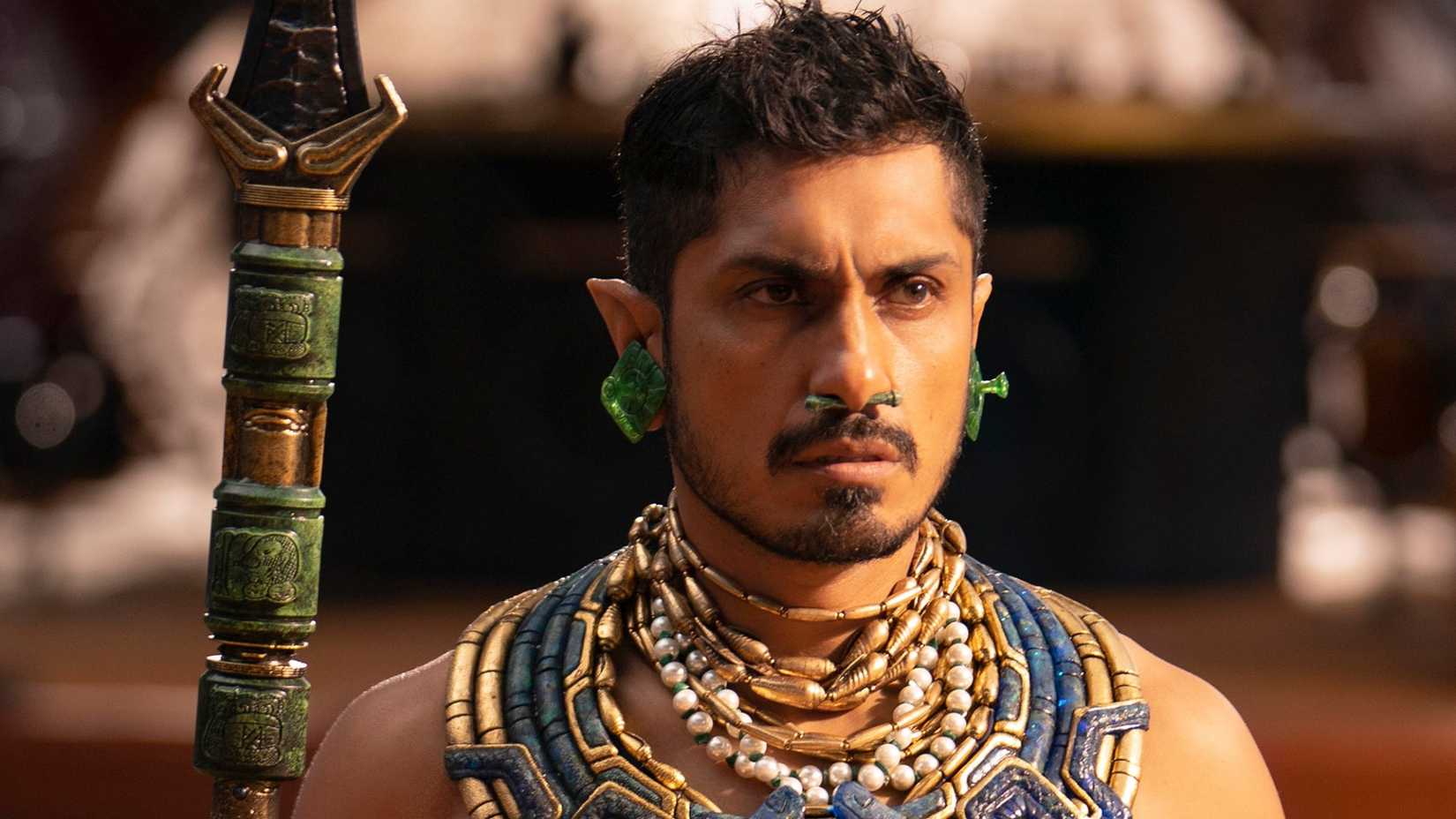
Namor is one of the oldest characters in Marvel history. He first appeared in Motion Picture Funnies Weekly #1 in 1939 before reaching a wider audience in Marvel Comics #1 later that same year. The character was created by Bill Everett.
Part superhero, part antihero, and part antagonist, Namor ruled Atlantis decades before Aquaman became a household name. His fierce loyalty to his people often put him at odds with surface dwellers, creating a morally complex character who never fit neatly into traditional hero or villain roles.
The MCU introduced Namor in Black Panther: Wakanda Forever, where Tenoch Huerta portrayed a reimagined version inspired by Mesoamerican cultures. Since Namor debuted before Marvel was even called Marvel, he predates Stan Lee's career entirely.
Red Skull

Like Captain America, the Red Skull originated during Marvel's earliest years. The villain first appeared in Captain America Comics #1 in 1941 and was created by Joe Simon and Jack Kirby.
Designed as Captain America's ultimate opposite, Johann Schmidt embodied the horrors of Nazi ideology and quickly became one of comics' most memorable villains. His skull-like face ensured that readers would never forget him, while his rivalry with Steve Rogers became one of Marvel's longest-running feuds.
Like with Captain America, Lee was instrumental in bringing the Red Skull back into mainstream comics, reintroducing the villain in Tales of Suspense #65 (May 1965) as a Marvel foe. Skull was one of the MCU’s earliest villains, with a terrifying performance by Hugo Weaving ensuring that Lee’s influence continues to be felt despite the villain originating years before Stan Lee became the Marvel powerhouse.