Control Resonant is another all-time banger for Remedy
I’ve always considered Remedy Entertainment to be the Edinburgh Fringe of game developers. Strong, creative ideas that feel like they exist outside the zeitgeist of modern gaming culture, with a strong, unique hook for each entry that never feels overblown, and by the time you’re just getting comfortable with the style, it does something completely new for the follow-up.
Control Resonant does this. It plays nothing like Control, Max Payne, or Alan Wake. What can you even compare it to? It has all the makings of a modern Devil May Cry or Bayonetta successor, but once you get into the nitty-gritty of it, you’ll soon realise it’s actually much more than that.
Seven years on from the original Control, Remedy returns to its trademark franchise with more mysteries, questions, and bizarre happenings than ever before, and I believe Resonant to be one of the best action games of 2026.
Control Resonant has you play as Dylan Faden, the brother of Control’s protagonist Jesse Faden, who has been recruited by the FBC to contain the extradimensional forces that have breached the lockdown of the Oldest House and are wreaking havoc on the streets of Manhattan.
With Jesse having gone AWOL, Dylan teams up with FBC agent Zoe De Vera, who acts as his handler and guide to all of the chaotic goings-on in New York from the safety of Watchtower, pointing him to new missions and activities he can do out in the field.
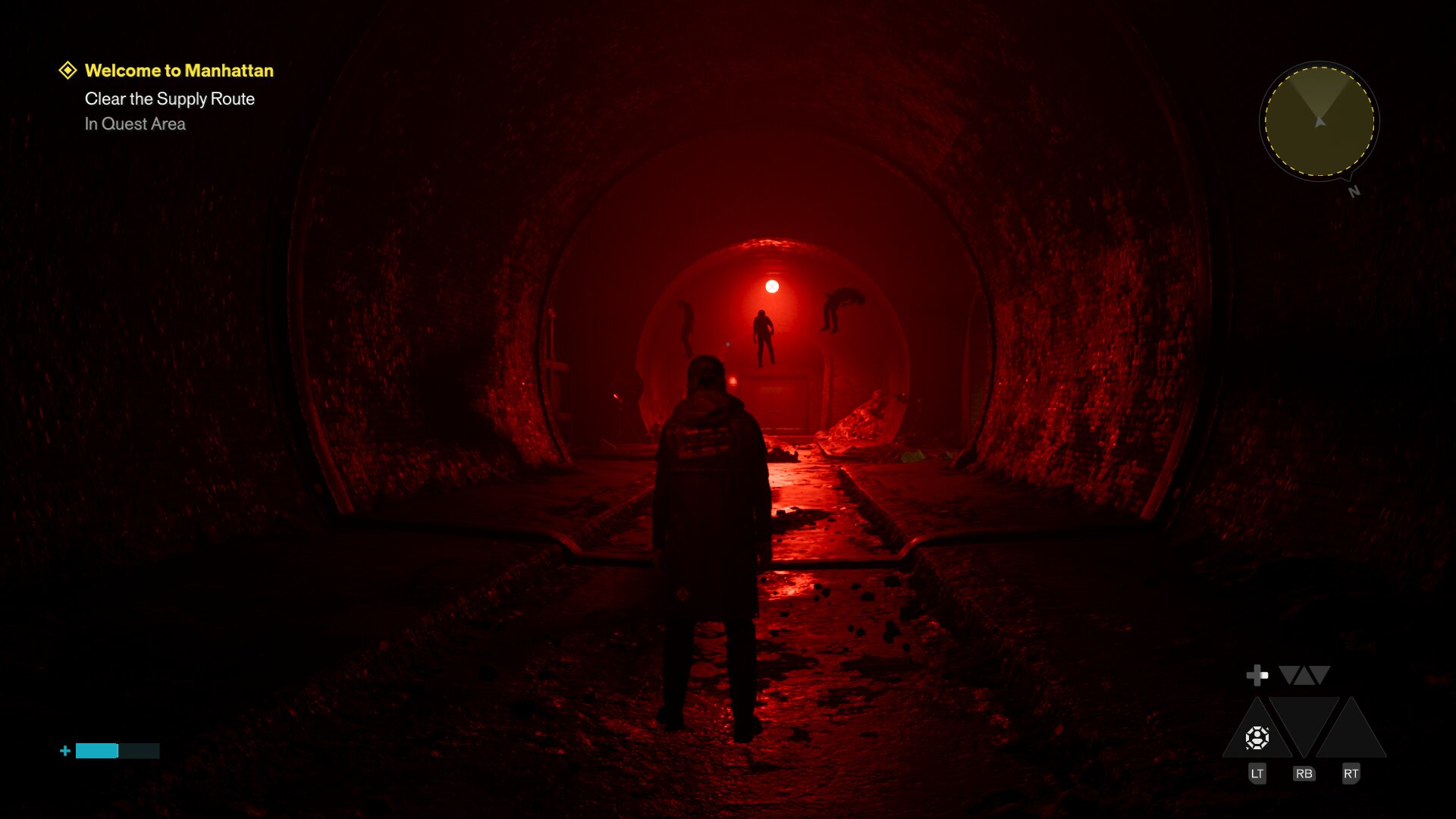
Control Resonant is Remedy's first melee action game
In a first for Remedy, Control Resonant is the studio’s foray into the character action genre similar to games like Devil May Cry or Bayonetta. While its previous games have all used ranged combat, Dylan uses a shape-shifting melee tool called the Aberrant as his weapon of choice.
Similar to Jesse’s service weapon, the Aberrant is capable of shifting into many different forms, with three main styles available to you at the beginning of the story. You can later combine these with secondary forms and combo finishers to create a wide set of abilities and moves that you can perform during combat, and you’re given the freedom to tailor the Aberrant to any playstyle that you wish to pursue.
Do you want to prioritise one-on-one attacks or wide group attacks? Do you want these blows to be slow and methodical, or quick and versatile? The Aberrant essentially allows you to do whatever you’d like. You can prioritise slow or fast moves, focus on one enemy at a time or an entire group, or you can mix-and-match if you’d prefer, and this build variety is where Control Resonant has the sauce.
With this amount of variety in how you build your Aberrant, I was anxious to see how the game used its Hiss enemies. The big fear was that combat scenarios would be designed to push you into a certain playstyle rather than giving you the freedom to attack in your chosen playstyle.
Enemy encounters are split into two groups: you’ve got small, grunt-type enemies that constantly respawn and larger, more specialised foes with only a handful of moves available to them. Killing an enemy rewards you with health pickups, which is why it’s important to refocus on grunts when your health gets low, momentarily giving you a break from tougher enemies.
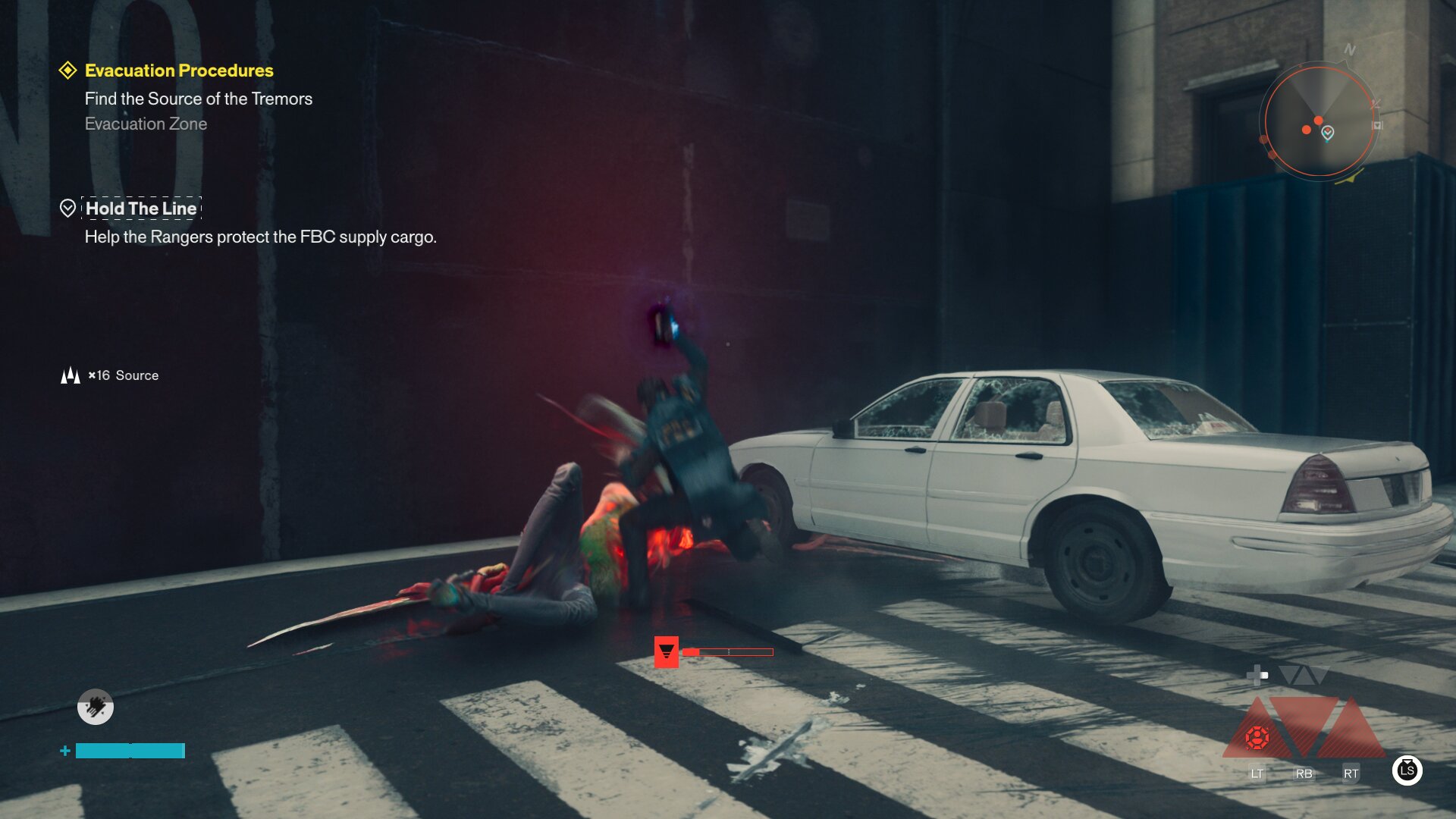
Stringing together combos and dodging when the heat becomes a little too much is rewarded with new abilities that trigger when you build up enough hits on a certain enemy. It encourages you to only focus on one enemy at a time, which creates added pressure when there are multiple tough foes targeting you. However, group attacks are also emphasised, with grunts constantly respawning during fights to help keep up your health while you focus on larger enemies.
Perhaps the hardest part of this for me was understanding what was happening on-screen at times, particularly with the large number of UI elements that popped up. Different buffs and debuffs would flash up during combat, and other icons can also come and go depending on the context. These are all explained to you, of course, but with how fast-paced the combat in Control Resonant is, you can often end up missing a lot of information that is presented to you when you lock in on a certain fight or boss.
Sure, we miss Jesse, but we also love playing as Dylan
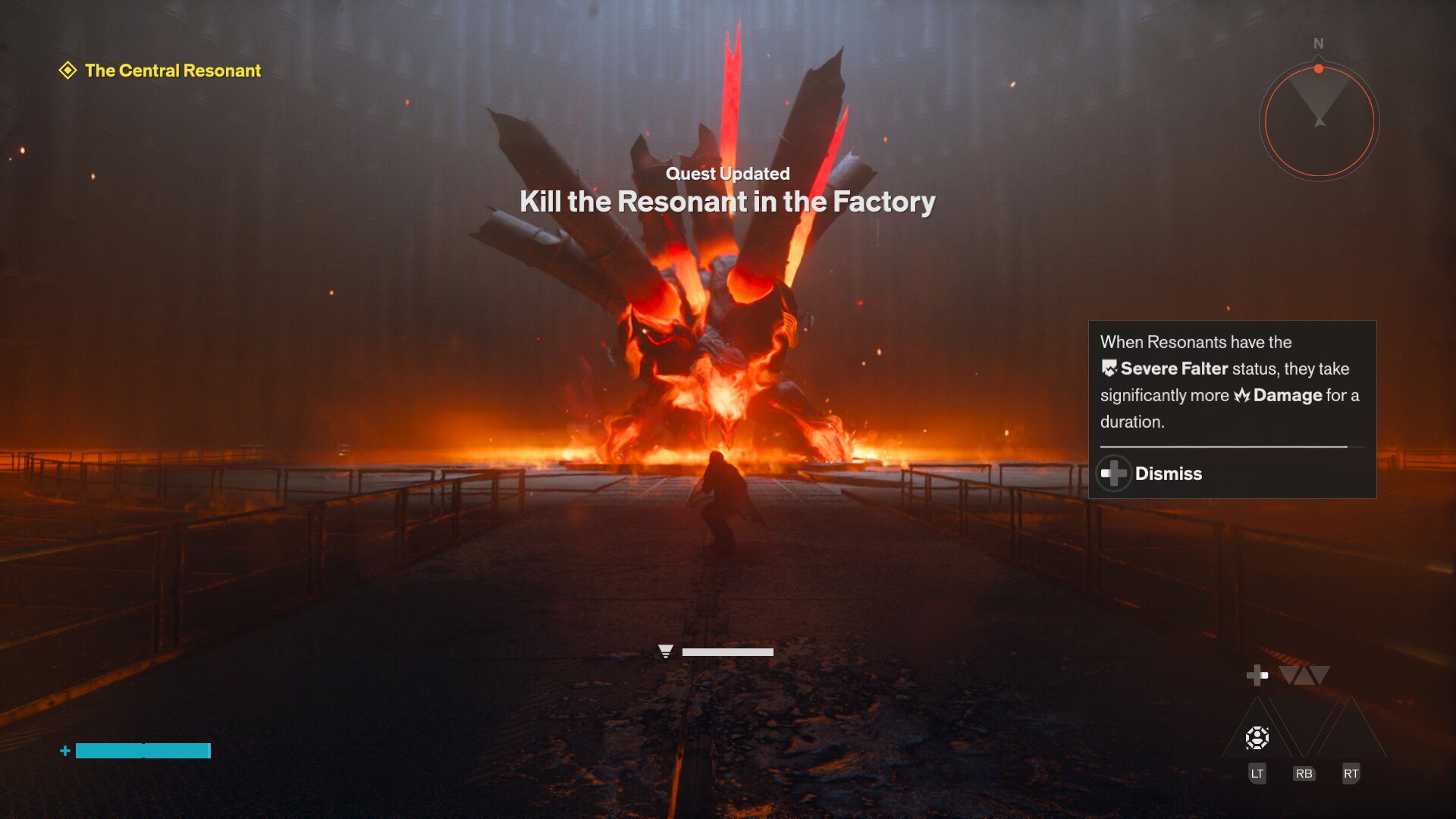
Speaking of bosses, Dylan has to fight several throughout the story. Called Resonants, these are beings whose presence affects the state of the world around them. You can defeat them in any order, and by killing one, all enemy encounters in the world reset and become more difficult, giving you the freedom to pursue them in any way you choose.
Similar with regular enemies, these Resonant don’t follow a set formula, with some having a more Simon Says approach to them where you need to learn their pattern, dodge and attack at the right time, while others exist for you to juggle and dole out as much damage as you can without being hit.
Overall, Control Resonant succeeds in its combat design. Aberrant builds exist for players to be able to creatively express themselves through a rise-and-fall flow, where the game constantly delivers on hyping you up only to throw you up against a challenging set of opponents. I’m also so happy there isn’t a parry mechanic.
For those who want an easier or harder challenge, the game’s assist mode also works wonders in being able to tailor the experience for those seeking a different experience.
The differences between Dylan and Jesse don’t just lie in their weapons and abilities, though, but also in the narrative. Dylan is a much different person than his sister. He’s much more reserved and deadpan in his careful interactions with other FBC personnel, lacking the humour that his sister had throughout the original game due to the trauma he experienced when possessed by the Hiss in the first game.
With that said, Remedy also made sure to retain its trademark surreal humour in some of the conversations and interactions Dylan has, with him fully understanding and accepting of his circumstances no matter how strange they are. This is a trait that he also uses when faced with reaping the consequences of his actions while under Hiss influence in Control, taking full emotional responsibility when other characters show hesitation around him.
This is another interesting way Remedy has switched things around this time. While Jesse was accepted by many of the FBC’s staff as soon as she took over the role of director in the first game, many of the same characters in its sequel approach Dylan with caution, disapproval, and even disgust. It offers new insight into these characters, who are seen in a brand new light from the perspective of a different point of view.
New York on a completely new plane of existence
Remedy swaps out the tight, monolithic concrete of the Oldest House for wide-open New York streets and buildings that have become twisted by paranatural forces spilling out of the lockdown. In Control, the brutalist architecture was used to represent institutional authority, even in a place where chaos has disturbed that sense of order. Meanwhile, Control Resonant flips this on its head to show how something as rigid as Manhattan’s grid-based layout can change as a result of these supernatural entities.
Despite the switch from interior to exterior, Resonant still retains the series’ identity of inverted architecture and folded labyrinthine mazes, creating a sense of confusion for the player. What can seem like a perfectly normal city street at one moment can completely change as you turn a corner, and are suddenly faced with a paradoxical layout that forces you to change your approach. A road seemingly rotated 90 degrees into the sky, a building folding in on itself, or a sheer drop that seemingly has no end.
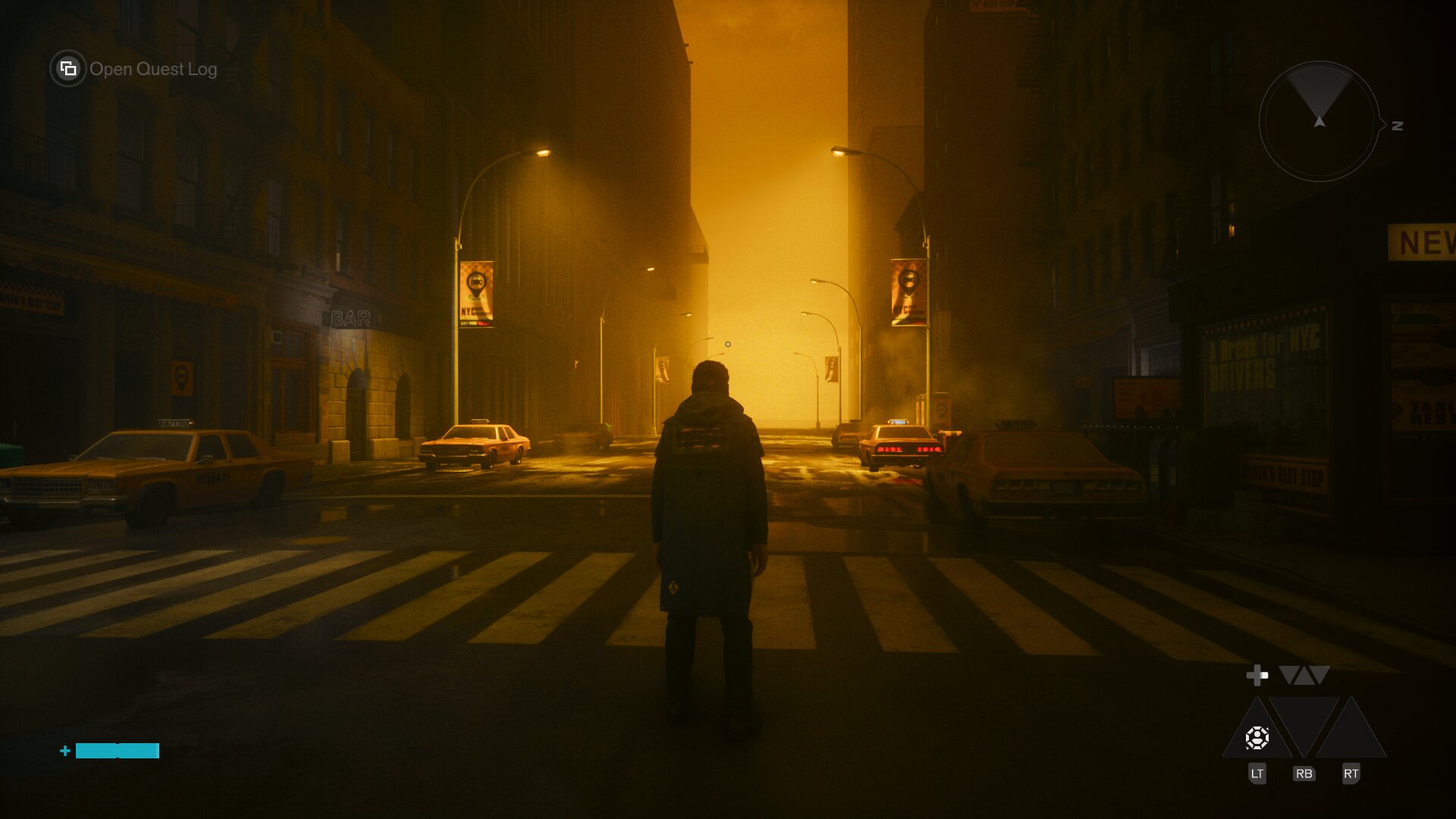
Resonant’s open setting does run the risk of everything feeling a lot more contained, though. When you can see most of the game’s explorable areas conveyed to you from Watchtower, it makes me miss that feeling of hopeless infinity that the Oldest House conveyed in Control, where the nonsensical layouts of each department created a sense of dread as your mind tries to piece together the structure of the building.
This is all tied together by the various side activities that you can do in the game as well. Remedy established a precedent of weird and wacky optional content in the first Control, and it’s gone all out here too.
From trying to rescue a strange dog with supernatural abilities to accessing mysterious objects of power which act as this game’s version of “SCP entities”, there’s a lot to do outside of the main campaign, and it can easily distract you from progressing the story. Despite not being a traditional open world experience, you can find yourself losing hours to the side content available.
To this day I still reckon Remedy’s previous game, Alan Wake 2, is one of the best-looking games we’ve received this generation, and while Control Resonant makes some compromises to its graphics in order to accommodate the open world setting, there’s never a moment where the game is bad to look at.
Most importantly, these compromises actually allow the game to run better on my PC than Alan Wake 2 did. When your fast-paced combat relies on making split-second decisions and quickly timed button presses, it feels critical to get things running as smoothly as possible. This isn’t something that can be played comfortably at framerates lower than 30, and I appreciate that Remedy has done all it can to get it running on lower-end hardware (for context: I currently run with an RTX 3070 GPU and Ryzen 7 3700X CPU in my PC, which was a mid-tier build in 2020 when it was built).
I guess you could say this resonated with me
It’s difficult to say whether you’ll enjoy this based on your opinions of the rest of the Remedy Connected Universe. Each game in this franchise is a festival of different genres, styles, and vibes which are completely unique to each other, and where one may be extremely your jam, another might not be.
I will say, though, that Remedy still maintains its strong core identity with Control Resonant, with its strong narrative design and refined combat, where it’ll go down as one of this year’s best action games.
Pros: Impeccable action combat, engaging side quests, interesting open world design, improved enemy design over predecessor
Cons: Busy UI elements, divisive narrative choices
For fans of: Devil May Cry, BioShock, Alan Wake 2
9/10: Exceptional
Control: Resonant launches on September 24 on PC (version tested), Xbox Series X/S, and PlayStation 5. A review code was provided by the publisher. Read a guide to our review scores here.