Star Wars' Best 2 TV Shows Are The Only Ones Honoring George Lucas' Premise
In the streaming era, it's not uncommon for a major franchise to straddle the line between film and TV, with Marvel, DC, and Star Trek all attempting to seize ground on both sides of the line. Few have refined that balance as delicately as Star Wars, however. Already a cinematic behemoth, Disney's galaxy far, far away has scored major small screen hits, but even more impressively, was dominating the TV game way before streaming was cool, with Star Wars: The Clone Wars dropping its premiere episode back in 2008.
The quality of Star Wars' TV output has fluctuated wildly over the years. The likes of Andor and The Mandalorian (in its first two seasons, at least) enjoyed near-universal acclaim, appeasing fans and critics from all corners. Other shows have proven more divisive, such as The Book of Boba Fett and The Acolyte, the mere mention of which can be enough to provoke ire. Falling somewhere in the middle are Ahsoka, Obi-Wan Kenobi, and other series that proved enjoyable if not spectacular. Finally, a handful of underrated efforts have fallen under the radar: Skeleton Crew, The Bad Batch, Visions, etc.
Even allowing for a degree of subjective opinion, it wouldn't be unreasonable to dub Andor and The Clone Wars as the two best TV shows to ever emerge from the Star Wars umbrella. In terms of reviews, reputation, quality, and legacy, none of the franchise's other TV releases come close.
At a glance, The Clone Wars and Andor could not be more different. One is an animated serial perfect for younger viewers; the other is the odd love-child of Jason Bourne and Battlestar Galactica. Looking more closely, however, The Clone Wars and Andor share a vital similarity, and it's a shared trait that none of Star Wars' other TV releases possess.
It's Called "Star Wars," But There Aren't That Many Wars

The title "Star Wars" has always been something of a misnomer, because while stars are in plentiful supply, there's a surprising lack of wars. George Lucas' original trilogy charts the Rebel Alliance's campaign to topple the Galactic Empire. It's dubbed the Galactic Civil War, but to call that conflict a war is really rather generous to the Rebels. It's a small band of guerrilla fighters doing its best to throw rocks at an established galactic superpower, and any success the Rebel Alliance has during those first three films can largely be attributed to a single Jedi-in-training. Despite the insistence of its title, there's no real depiction of wartime.
And other films follow suit. In the prequel trilogy, The Phantom Menace and Attack of the Clones act as the prelude to war, then Revenge of the Sith is the aftermath. Disney's Star Wars sequel trilogy follows the same David vs. Goliath format as the original films, and Solo exists in another genre entirely. Only the militaristic Rogue One comes close to justifying the "war" element of Lucas' title.
On TV, it's a similar story. The vast majority of Star Wars' exploits on smaller screens are set during periods of relative peace: immediately after Order 66 and the Empire's victory, immediately after the Battle of Endor and the Empire's downfall, or when the Rebel Alliance is in its infancy. The common denominator is Star Wars skirting around the edges of war rather than tackling it head-on.
Star Wars' Two Best Shows Are The Only Two About War
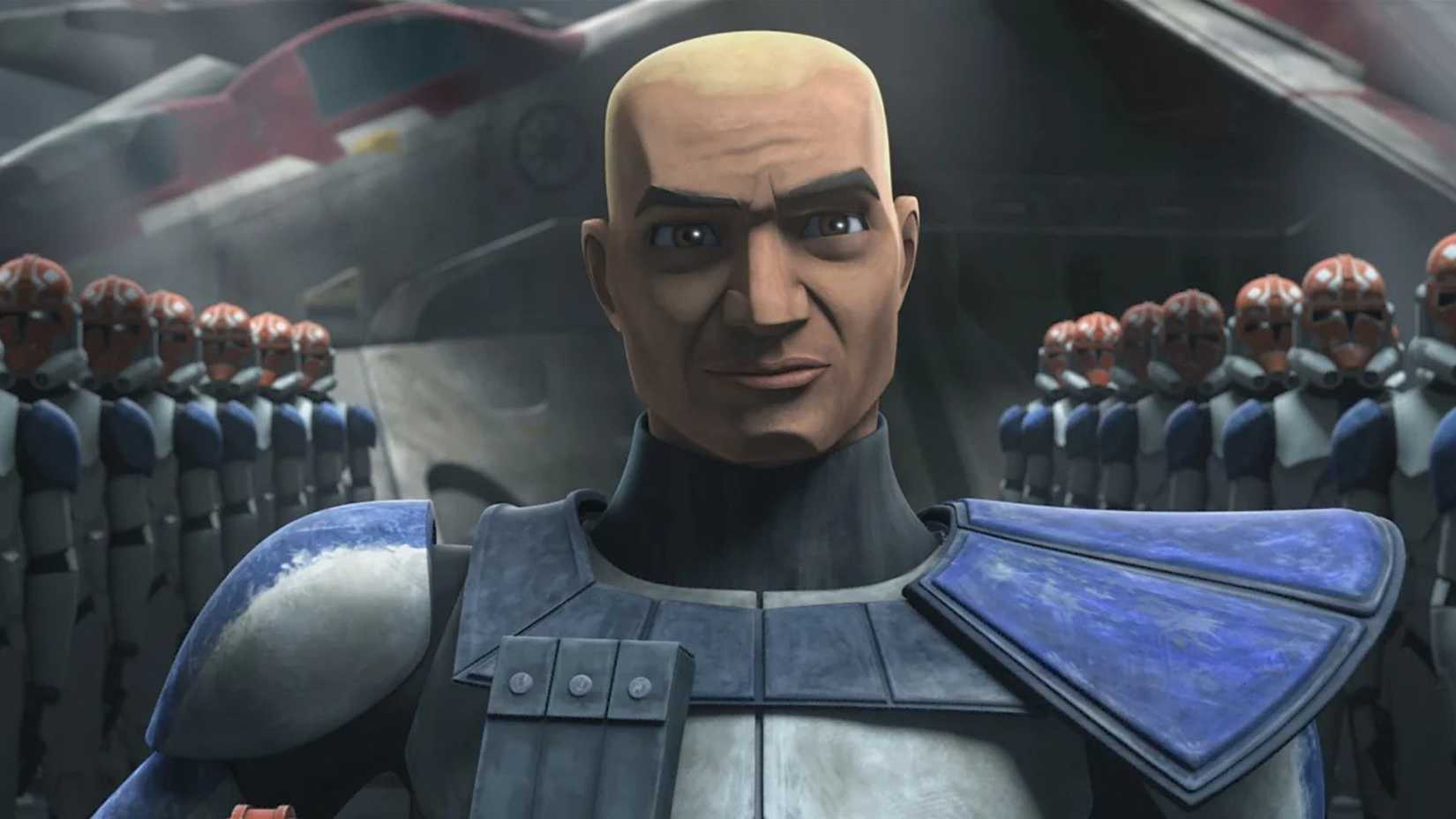
If Rogue One is the only true war movie in Star Wars canon, The Clone Wars and Andor are the franchise's only two war TV shows.
Set during the titular conflict, The Clone Wars occurs amidst a very protracted and very violent disagreement between the Republic and the Separatists, two organized and well-resourced sides with influence across the galaxy. The Clone Wars is about political jousting, moral flexibility, planetary occupation, and slow battles of attrition. The clone army represents the kind of ground-level military heroes most Star Wars stories gloss over: their sacrifices, their camaraderie, their reluctance to kill.
The Clone Wars completely reframes the Jedi from the space wizards of the original trilogy to true frontline generals, commanding units, forming tactical maneuvers, and realizing they aren't always on the right side of history. By traversing from planet to planet across a span of years, The Clone Wars has a sense of scale that truly feels like a war being played out across the stars.
Andor takes place broadly around the same time as George Lucas' 1977 movie, an era when the Rebel Alliance could hardly be described as 'waging war' on the Empire. Tonally, however, Andor is the spitting image of a WWII espionage thriller. It doesn't need the epic scale and battlefield action The Clone Wars has because the entire narrative is a behind-enemy-lines, mission-based, politics-laden slow burn playing out in the minds and offices of those orchestrating the violence.
Is 'War' What Star Wars Should Be Now?

Chatter surrounding the future of Star Wars often throws up one particular line of thinking: a desire to replicate the emotions fans felt sitting in the movie theaters of 1977.
Star Wars: The Force Awakens very transparently follows the same plot, even throwing shade at George Lucas' prequels with the opening line, "This will begin to make things right." Before The Mandalorian and Grogu released, director Jon Favreau spoke openly about his intention to emulate his first theatrical experience of Star Wars. Shawn Levy, director of the forthcoming Star Wars: Starfighter, has said very similar things about his own big screen effort. There seems to be an overriding sense that the Disney era of Star Wars needs to fill some nostalgic gap. Andor and The Clone Wars suggest otherwise.
The success of Andor and the ever-improving reputation of Clone Wars, combined with the fact that Rogue One was Star Wars' last undisputed theatrical hit, indicates that the franchise's future would be better off embracing the wartime element of the title rather than attempting to do the impossible by recapturing the feeling of a bygone era.
Conventional wisdom would suggest war is too grim a topic for Star Wars to commit to beyond a select few projects, especially considering the crowds of youngsters the franchise attracts. And, certainly, Andor isn't going to have eight-year-old kids dreaming of wide-eyed galactic adventure. But The Clone Wars wholeheartedly proves it is possible to tell a wartime story in a way that's accessible without pandering, giving Star Wars the tonal flexibility to do more actual onscreen wars without upsetting parents. Disney would perhaps find more joy in doing so.