Blizzard Is Proving That World of Warcraft Doesn’t Need a Sequel in Order to Remain a Powerhouse
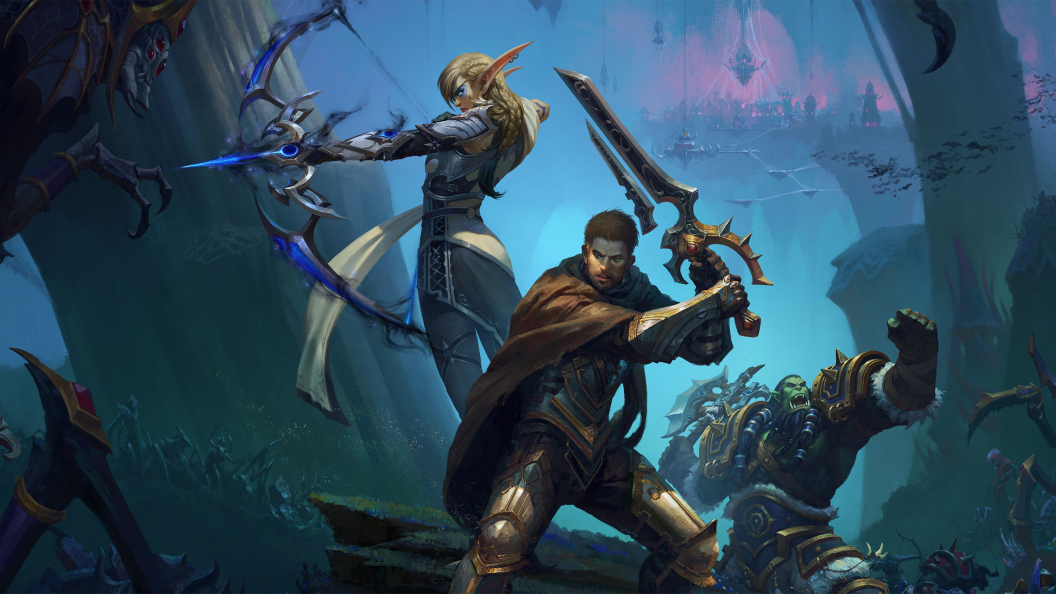
World of Warcraft has been a truly staggering success for Blizzard. Launching in 2004 and quickly becoming a cultural touchstone, the fantasy MMORPG has expanded immensely over the years and has endured a rapidly evolving industry and player base. Despite the failings of other similar games, World of Warcraft endures.
Nothing proves that more than the immediate success of World of Warcraft Forever, which has already stunned Blizzard with its beta player count. This underscores the fact that Blizzard has never (and likely never will) need to release a sequel. In fact, the success of World of Warcraft Forever has cemented the title’s status as a genuine forever game.
World Of Warcraft Forever Is Already A Hit For Blizzard
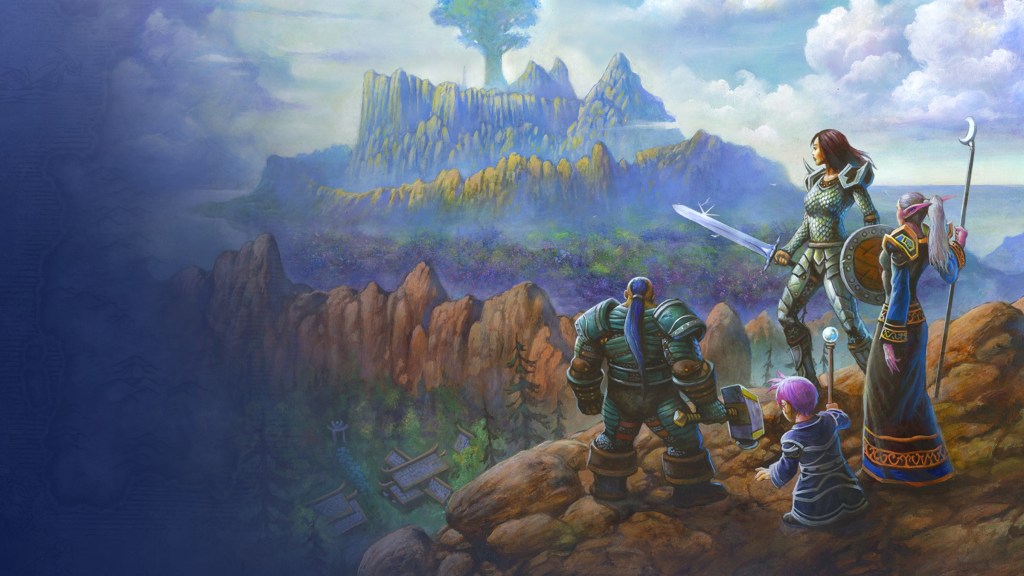
World of Warcraft Forever was a bold swing from Blizzard, a show of confidence that speaks to their belief that the fandom for World of Warcraft isn’t just strong but fully committed to their adventures. Designed as an extension of World of Warcraft Classic’s success, World of Warcraft Forever is intended as a throwback version of the game that benefits from modern touches and design innovations. According to Blizzard, the launch of World of Warcraft Forever’s beta has far exceeded their expectations. Although the company won’t confirm player count, outlets like G2A have reported on how the game’s immediate success was a surprise even for the developers. Senior Game Designer Josh Greenfield even called the turnout the “craziest numbers” he’s seen in over a decade of working at Blizzard.
So many players have already logged on that Forever’s test environment was overtaxed, requiring the development team to restart servers and expand the scale of the world. All of this comes before the formal release of the mainline game, alongside the continuing success of the baseline World of Warcraft and the previous retro experience, World of Warcraft Classic, indicating that the player base that made World of Warcraft is still thriving and, if anything, continues to expand in the modern era despite the stiffer online competition. Even in a month dominated by the upcoming release of Grand Theft Auto VI and The Legend of Zelda: Ocarina of Time remake, World of Warcraft Forever‘s November release is expected to draw in scores of players. That’s the kind of pull this brand still has and the impact these games continue to impart on their players.
World Of Warcraft Has Become A Genuine Forever Game
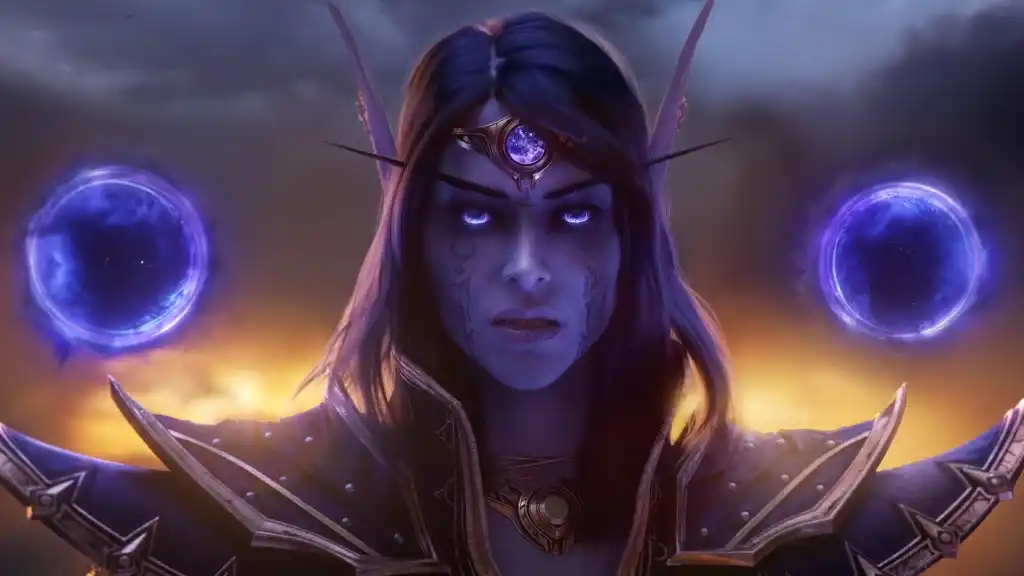
When World of Warcraft launched over twenty years ago, it quickly established itself as a potentially limitless game. The sheer scope of the world and the scale of the adventures provided players plenty of reason to create new characters to take different paths, all while players found bugs to exploit and challenges to face. Even as the MMO space has become a more tumultuous one for developers, World of Warcraft has remained an engaging world for players. However, there’s always a shelf life for all games in the long run. Especially as World of Warcraft resolves long-standing villain plots or sets the stage for the Titans to reemerge, there had to be some wondering about what the future of the game could even look like or if the series could evolve any further.
World of Warcraft Forever shoots down any of those fears or complaints, proving that players are more than happy to head into an older setting and embark on new missions. This all suggests that World of Warcraft can cater to two fanbases (that likely experience plenty of crossover) at the same time and that the brand is more or less a perpetual success for Blizzard. The publisher can turn retro reimaginings of the game into a hit without losing too many players in the base game. In essence, World of Warcraft has become a genuine forever game, where content can continue to flow, and players can continue to be engaged for theoretically an endless number of hours and a variety of characters. The success of World of Warcraft Forever‘s beta indicates that player enthusiasm for the series has not been dampened by time or spin-offs.
If anything, the expanded gameplay options seem to have reignited the fandom spirit for some players, giving them excuses to revisit the franchise even if the mainline game has run its course for them. World of Warcraft‘s subscription model makes this perpetual success all the more impressive as a financial win for Blizzard, who can no doubt expect Forever to be a windfall alongside the other iterations of the game. If nothing else, this success really proves that Blizzard doesn’t need to make World of Warcraft 2. Instead, they can continue to funnel new ideas and experimental advancements into the base game while using the spin-offs to deliver on more traditional gameplay. A sequel would be distracting, especially when the option to just step into one of the already established sandboxes invites so much natural exploration.