Blizzard’s Latest Warcraft Releases Make One Missed Opportunity Even More Frustrating
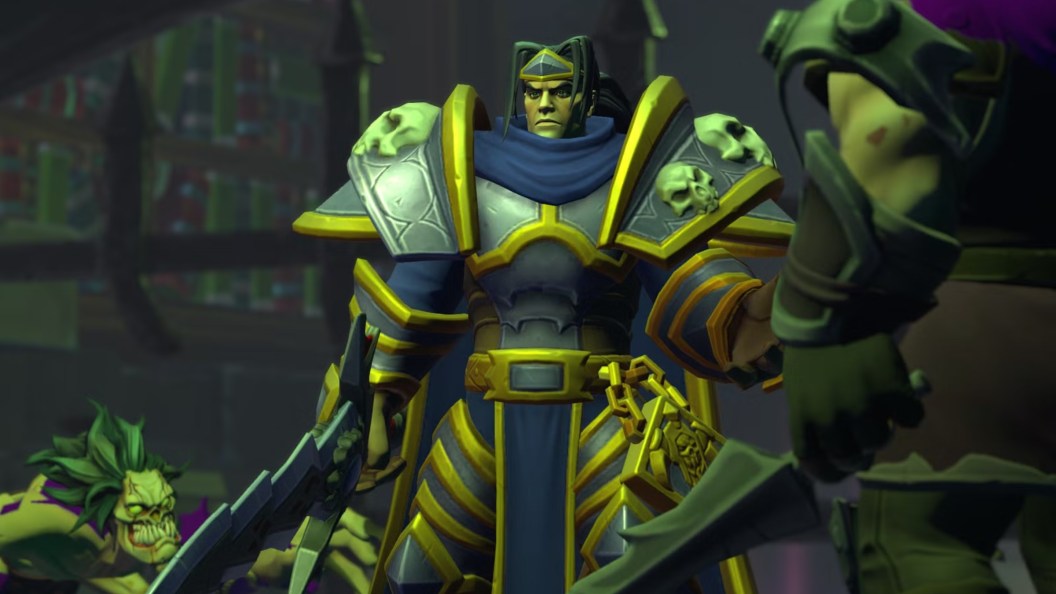
Blizzard has found several ways to make Azeroth exciting again, but that makes my oldest frustration harder to ignore. A fresh campaign for Warcraft III, one of the best strategy games of all time, and a different approach to its famous MMO should be reasons to celebrate. They are, but every return to this universe reminds me how much we will never see the game we should have gotten decades ago. I have such fond memories of Warcraft III, but it is incredibly hard to play the game in its original and better state thanks to Warcraft III: Reforged.
World of Warcraft: Forever and Warcraft III: Reforged: Forsaken Kingdom demonstrate that Blizzard still sees possibilities in earlier versions of Azeroth. The former launches November 4, while the latter brings a new campaign to its strategy classic. Both sound like solid releases, but neither answers the question hanging over the series: where is Warcraft 4? More than two decades after Warcraft III, Blizzard has yet to deliver a sequel. With other iconic strategy series coming back, its absence feels even worse. The opportunity is larger than nostalgia, and Blizzard should finally take it seriously now.
Blizzard Keeps Returning to the Foundations of Azeroth
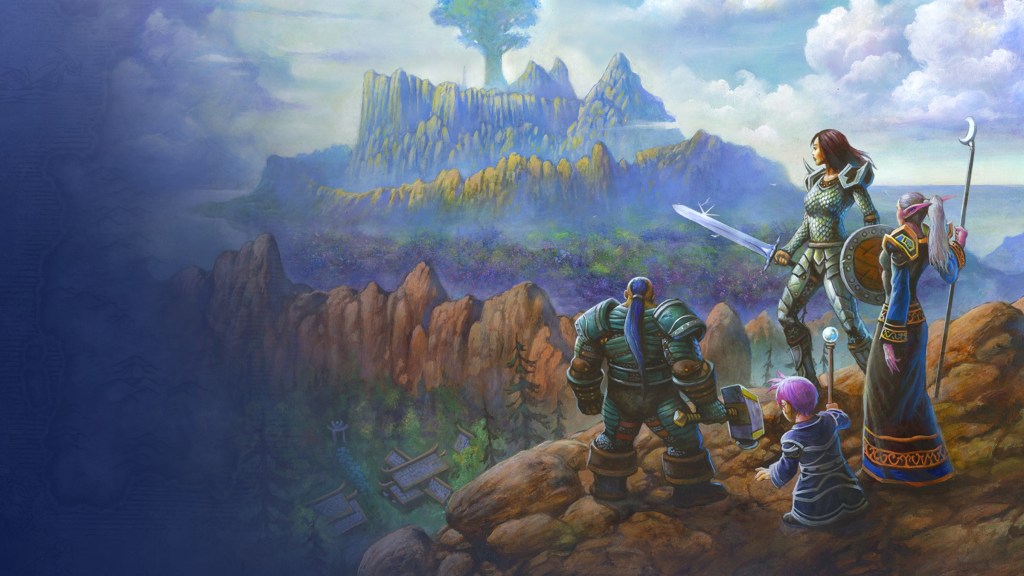
Forsaken Kingdom is the announcement that makes the wait particularly frustrating. Blizzard describes a campaign beginning in Lordaeron’s ruins and leading toward the earliest days of World of Warcraft. Its focus connects the fall of a kingdom with the emergence of the Undercity. That is exactly the kind of historical transition a strategy campaign can dramatize effectively. You are commanding the forces that determine who controls the streets, the territory, and ultimately the future.
World of Warcraft: Forever approaches the same history through a reimagined original Azeroth. Blizzard is building another way to experience the world rather than simply repeating the original release unchanged. There is obvious appeal in that proposition, especially for players who want the journey and social experience to matter again. However, an MMO offers a different relationship with the setting. Walking through a city and deciding how its armies fight are two distinct fantasies.
Together, these projects make a stronger argument for Warcraft 4 than another anniversary celebration ever could. Blizzard is investing in both new strategy storytelling and an alternative interpretation of its world. A full RTS sequel could bring those ambitions together. It could establish a direction for Azeroth through campaigns built around commanding different factions, without requiring players to follow years of MMO updates. That would give returning fans and newcomers a clear starting point.
Strategy Games Are Giving Blizzard Plenty of Reasons to Return
2026 is essentially the comeback of the strategy genre. Age of Empires is leading this revival thanks to the most content fans have seen in years. The development studio is launching six expansions across three games, showing just how iconic the series is and has always been. This still leaves the question of when and where Age of Empires V will be, but the series is clearly still doing extremely well even without the promise of a new title.
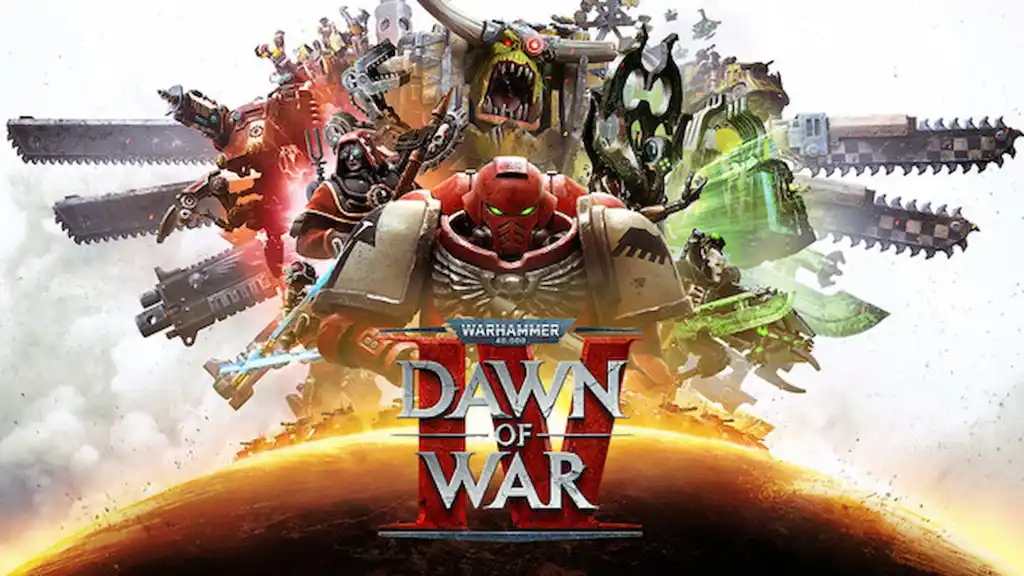
Other publishers are making room for full sequels. Warhammer 40,000: Dawn of War IV is scheduled for December 3, with four factions, multiple campaigns, multiplayer, and returning modes. Meanwhile, Heroes of Might and Magic: Olden Era sold 250,000 copies within its first day in early access, according to its publishers. Turn-based strategy is different from an RTS, but that result still shows an audience willing to spend money on a revived fantasy strategy series.
Ubisoft is also preparing Heroes of Might and Magic III Remake for 2027. Consider the combined picture: established games receiving expansions, dormant series gaining fresh entries, and classics being rebuilt alongside them. None proves what a new Warcraft game would sell. Together, however, they undermine the idea that strategy belongs to a vanished era. Blizzard would be entering an active conversation, with a recognizable fantasy universe and a distinctive design already in hand.
Warcraft 4 Could Rebuild the Series by Getting the Basics Right
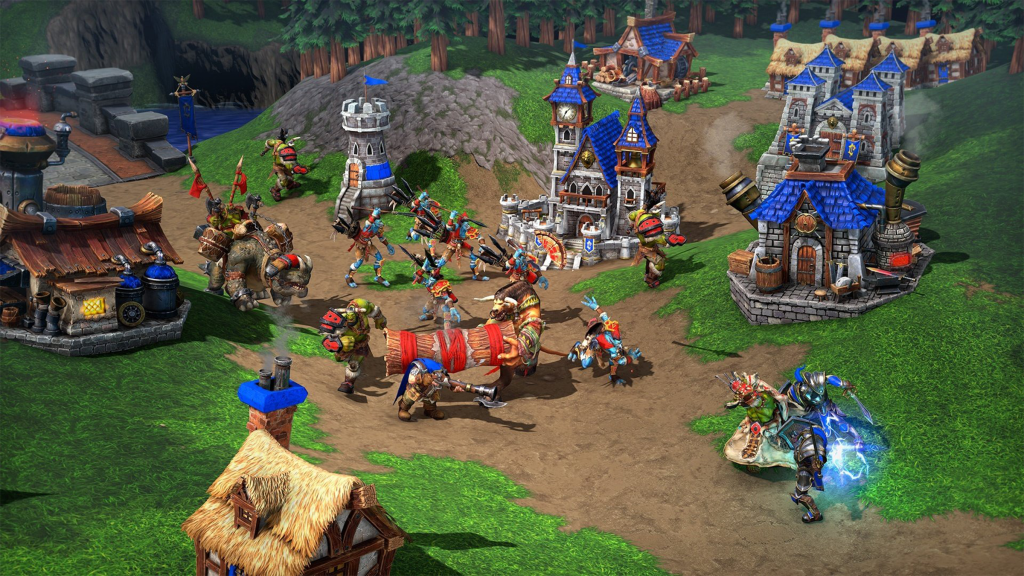
The original Warcraft III remains one of my favorite examples of strategy and character development working together. Heroes gave battles a personal center, while faction differences made changing campaigns feel like learning another perspective. To this day, Arthas’ story remains one of my favorites, and I will never forget that cinematic of him coming home. A sequel should preserve that legacy and go beyond just nostalgia. Larger armies and sharper graphics would help, but the important inheritance is making tactical decisions feel connected to the people leading them.
Blizzard would also need to recognize the damage caused by Warcraft III: Reforged. Its troubled 2020 launch led the company to expand its refund policy, a reminder that affection for an original cannot substitute for execution. Another sequel announcement alone would not restore goodwill. A substantial campaign, dependable performance, accessible learning tools, competitive support, and a capable map editor would provide better evidence. Players should understand what they are buying, and receive those features in working order.
The release of a new campaign for Warcraft III: Reforged is a promising message that Blizzard has not forgotten the series’ roots. It is encouraging, but it also makes the missing sequel harder to accept. I want to enjoy Forsaken Kingdom, but every decision I make reminds me of Blizzard’s decision to kill the RTS side in favor of its popular MMO. Warcraft 4 could give Azeroth a new future on the battlefield, and after more than twenty years, the frustrating part is how natural that next step still seems.