Forget Baldur’s Gate, BioWare’s Best Dungeons & Dragons Game Deserved a Third Entry & We’ll Never Get It Now
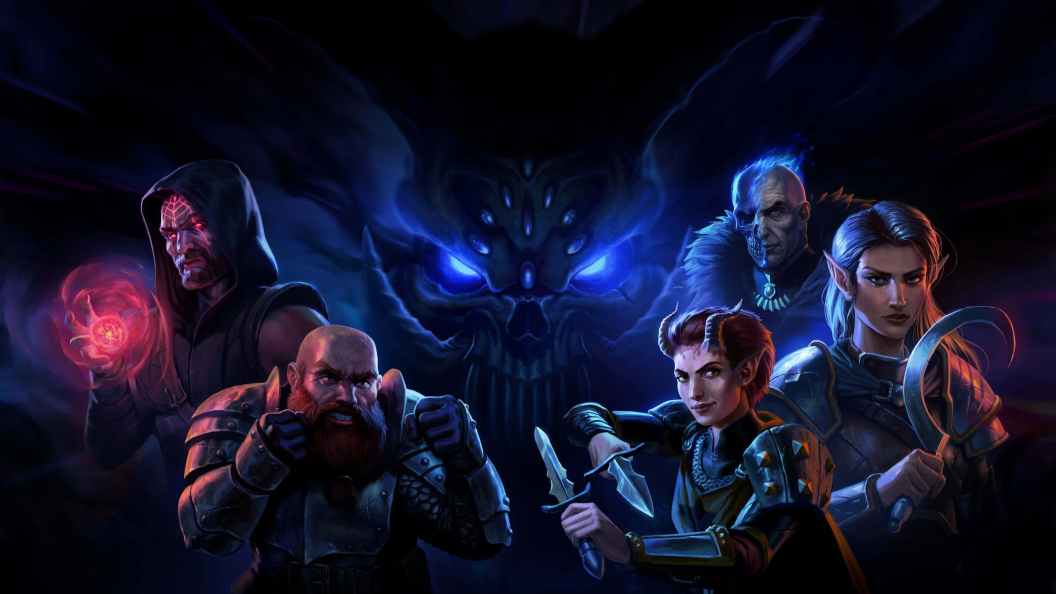
BioWare is easily responsible for some of the greatest RPGs ever made. Many will think of Dragon’s Age: Origins, Mass Effect, and Baldur’s Gate first, and they’re right for doing so. The studio helped define the genre with adventures like these. But within its portfolio are many forgotten games, such as Jade Empire. But the one I am thinking of remains my favorite Dungeons & Dragons game. It was one of the studio’s most ambitious games, offering something different, giving players unprecedented freedom to experience Dungeons & Dragons however they wanted. Unfortunately, it never received the third installment it deserved after a middling sequel.
Neverwinter Nights is easily the studio’s most underrated game and best Dungeons & Dragons game. It captured the spirit of the tabletop game like no other in 2002 thanks to a different perspective, multiplayer adventures, and powerful tools that allowed players to create their own campaigns. Its sequel expanded on that foundation, but a third game never materialized. My fondest memories of the game were the online community, particularly the server my parents helped run and my first experience with the MOBA genre. Those experiences showed me what made the series special, and why losing the possibility of another installment hurts.
Neverwinter Nights Captured What Made Dungeons & Dragons Special
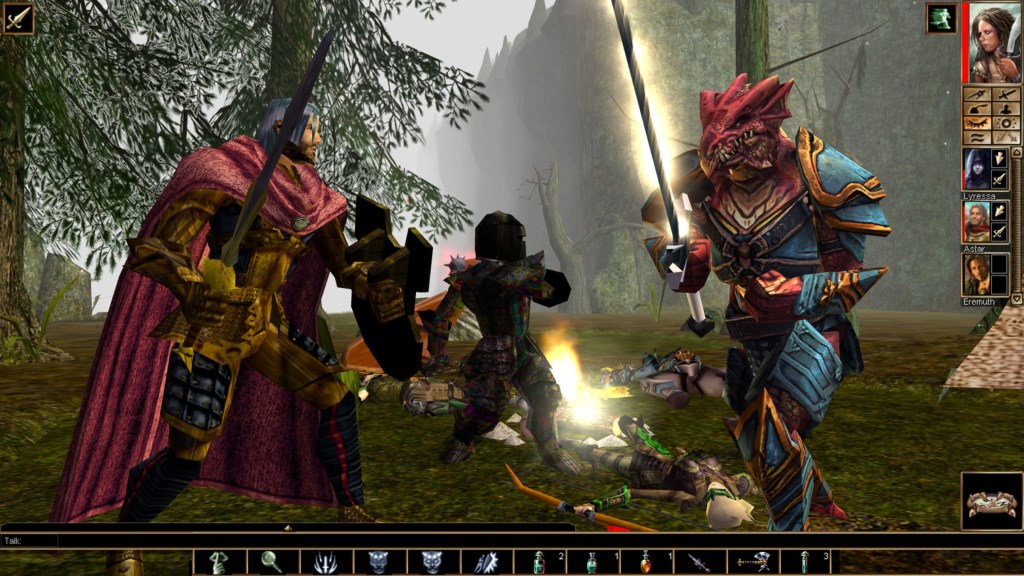
There’s no denying that Baldur’s Gate is an incredible RPG, but Neverwinter Nights approached Dungeons & Dragons differently. Rather than focusing exclusively on a carefully constructed single-player adventure, BioWare built a game around the freedom of tabletop roleplaying. Its third-person perspective brought players closer to their characters, while its implementation of the Dungeons & Dragons Third Edition ruleset made character creation and progression familiar to tabletop players.
The Aurora Toolset was arguably its greatest achievement. Players could construct environments, design quests, create characters, and build entirely new adventures using the game’s development tools. BioWare also included a Dungeon Master client, allowing someone to oversee multiplayer sessions, control encounters, and respond to players in real time. This brought the improvisational nature of tabletop gaming into a digital environment. While other RPGs offered branching dialogue and consequential decisions, Neverwinter Nights allowed communities to develop adventures that went far beyond the original campaign.
I remember participating in an online community that my parents ran, experiencing adventures alongside other players rather than simply completing predetermined quests. Role-playing created a genuine sense of discovery and gave me something to do other than simply kill monsters and collect loot. Another server that I loved simulated the gameplay of a MOBA, and to this day I still laugh at my stupid Dwarven Defender who would shout “No Fear” before running into battle. Memories like these are why Neverwinter Nights is so special to me.
Neverwinter Nights 2 Proved the Series Had More Potential

While Neverwinter Nights 2 never quite lived up to the original, it did show how the series could evolve without abandoning its identity. It utilized Dungeons & Dragons 3.5 Edition and introduced a more elaborate companion system, expanded character customization, and a substantial story-driven campaign. It offered greater party interactions and a more traditional CRPG story while still offering the ability to create custom adventures. Although Obsidian developed the sequel rather than BioWare, it continued the foundation established by the original and showed how much potential remained in the franchise.
The expansions strengthened it even more. Mask of the Betrayer delivered a darker, more ambitious narrative centered on a mysterious curse and the player’s struggle against a consuming hunger. Storm of Zehir, meanwhile, emphasized exploration, party creation, and a more open-ended approach to adventuring. Together, these expansions demonstrated how flexible the Neverwinter Nights formula could be. The franchise could support intimate, character-driven stories and sprawling adventures without sacrificing its underlying identity.
But Neverwinter Nights 2 never quite had the online community the first game did. Its toolset was more complicated, making the entry point a little more challenging. It also didn’t perform quite as well, which likely is the reason we never saw Neverwinter Nights 3. Modern RPGs have become increasingly sophisticated, but relatively few combine extensive character customization, multiplayer roleplaying, Dungeon Master functionality, and accessible campaign creation in one package. A third entry could easily see that magic recreated once again.
Neverwinter Nights 3 Is Probably Never Happening

Unfortunately, the chances of actually seeing Neverwinter Nights 3 are next to nothing. BioWare’s shutdown means the original developer will never create it, and Obsidian Entertainment has its own issues under Microsoft. Meanwhile, the Baldur’s Gate franchise has experienced an extraordinary revival under Larian Studios, and Baldur’s Gate 3’s success shows how much Dungeons & Dragons’ most iconic series has evolved. But that success doesn’t mean another Forgotten Realms adventure will perform as well.
Wizards of the Coast controls the Dungeons & Dragons intellectual property, meaning any new Neverwinter Nights project would require its involvement. Despite the franchise’s history, there has been no official announcement of a third installment. Without a committed developer or publicly confirmed plans, expecting a revival feels increasingly unrealistic. Creating a title that lives up to the expectations of fans would require a massive undertaking and the right studio. With how different gaming is, it is hard to imagine Wizards of the Coast investing in that.
Regardless, it is impossible to forget Neverwinter Nights. It represented an RPG design that trusted players to become storytellers themselves. Its greatest adventures weren’t necessarily those BioWare or Obsidian created, but the ones built by its community. I would love nothing more than to see Neverwinter Nights 3 embrace that with modern technology, but it feels like there is no hope. Until then, the original games and their communities remain reminders of what made this overlooked Dungeons & Dragons franchise extraordinary.