40 Hours In, I've Barely Scratched Fire Emblem's Newest Game
Fire Emblem: Fortune's Weave is enormous and captivating
Fire Emblem: Fortune’s Weave Preview - The Friendliest FE To Date

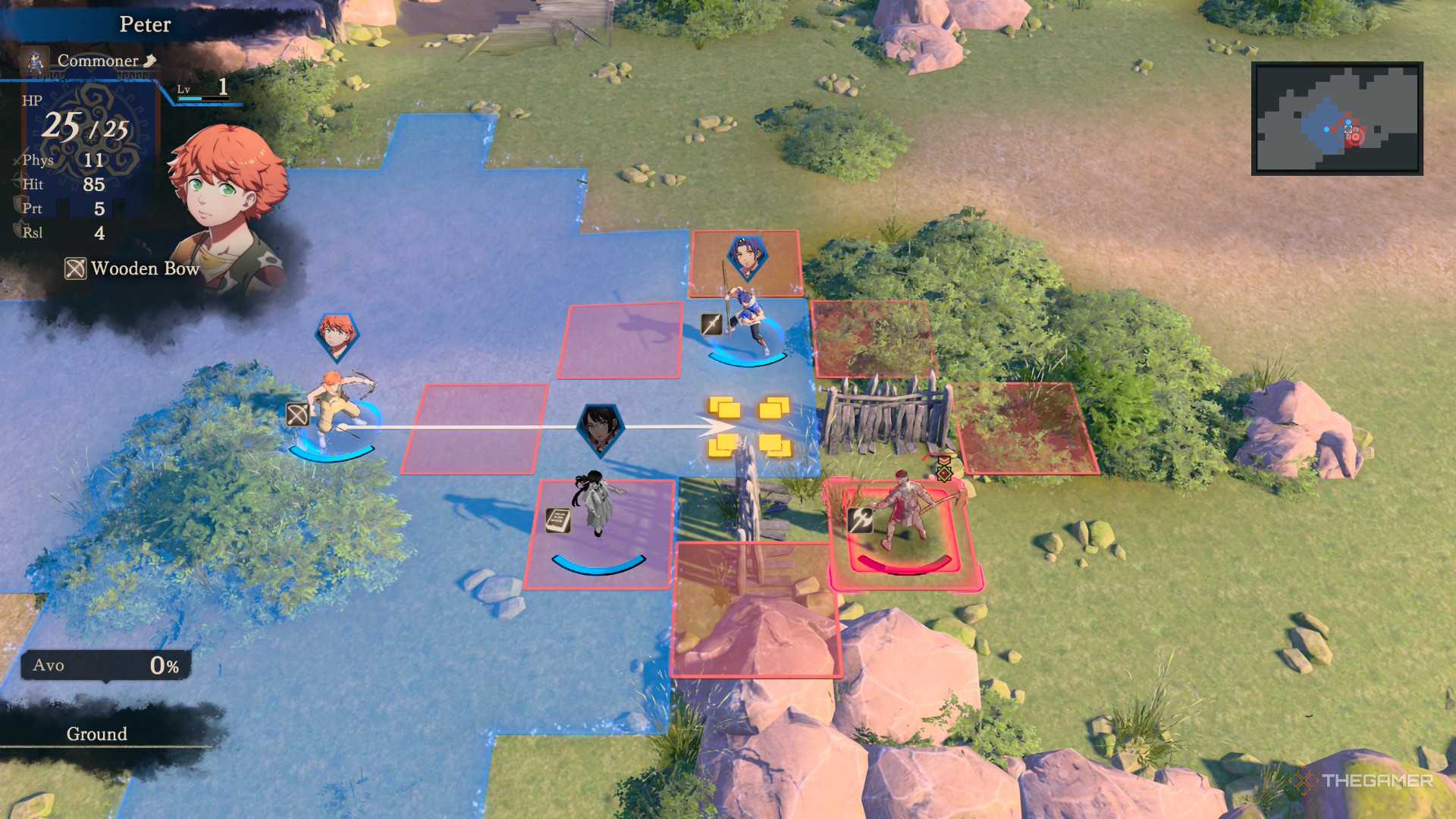
The first time I turned back time during a battle in Fire Emblem: Fortune's Weave, I did what any veteran does: I felt slightly ashamed. Peter had wandered into a swordsman’s reach that I hadn't spotted, and Fortuna's Blessing let me pull the whole turn back and try again. Standard stuff by now. Mila's Turnwheel became Divine Pulse became the Time Crystal, each with a limited number of uses. Then I noticed that the currency that gets spent when you use a god’s blessing wasn’t actually spent this time.
On Normal difficulty, Fortuna's Blessing appears to be unlimited. There is no charge meter, no per-chapter allowance, no anxious glance at a number in the corner before you commit to a risky flank. You can rewind to any earlier point in an encounter, as many times as you like, and the only cost is time. For a series that built its identity on the permanence of bad decisions, that feels pretty substantial. Some people will hate it, but I’ll bet a lot more will love it.

Rewind is probably the biggest example of the game being an incredibly accessible Fire Emblem, and there’s plenty more to talk about. I have been playing these games since emulating the ones that never reached PAL regions, which is to say I have a great deal of affection for them, so take this as it's meant: the map design, gameplay loop, and general structure here is among the best in the series.
How Smooth It Feels
Dagsion, the hub city, is quite large. Hold the dash button, though, and you cross it at a clip that makes Garreg Mach feel like wading through treacle, which matters enormously when the calendar wants you doing several errands between battles. The dungeons outside the city track where you've already walked and show it to you, so the low-grade tedium of retracing corridors to check for a missed chest simply doesn't happen. Quests hold your hand to a degree that would have irritated me in a different game, and I found I didn't mind, because what they're holding your hand through is admin rather than tactics.
None of this affects the battle maps, and that is exactly why I’m excited. The friction has been stripped out of the parts of Fire Emblem that were never interesting, but has satisfyingly been left in the part that was. I’m not exactly near the end of the game yet, so I can’t speak for the full experience, but on the early evidence, this is the most player-friendly (note: not easy, just friendly) entry the series has produced.
How Much Has Changed
There is no weapon triangle, which isn’t a total departure for the series, especially with this being what appears to be a sequel to Three Houses. Weapon types now carry their own identity rather than sitting in a rock-paper-scissors relationship, so choosing a sword over an axe is a question about how a unit fights and which growths they’re most attuned to rather than what colour arrow appears next to the enemy. Blaze Arts are the one addition that changes how I think mid-battle. They cost HP rather than weapon durability, which means that a very powerful option is also a self-inflicted wound and a demand on your healers a turn or two later. Working out which of your units can afford to hurt themselves, and when, is the most enjoyable new problem the game has given me.

Class progression will feel immediately familiar to anyone who put time into Three Houses. Units spend limited items on certification exams to unlock new classes, ranks are gated behind progression rather than pure grinding, and reclassing has no limits. It works just as well as it did back in Fodlan. The difficulty on Normal, however, sits low, which is more a warning than a complaint: between the generous class system, the unlimited rewind and the early chapters' gentle curve, veterans will want to start higher.
How The Characters Hit
Supports are the biggest surprise I found during my time. Support conversations are less frequent, with many characters only getting a few available to them, while the support system itself feels less central than it has for a decade, closer in weight to the GBA and GameCube games than to the relationship-simulation apparatus of recent entries. In another game, that might feel like a cut. Here, it feels deliberate, with supports being more conducive to character building than smooshing dolls together and making them kiss. The characters work better as a result.

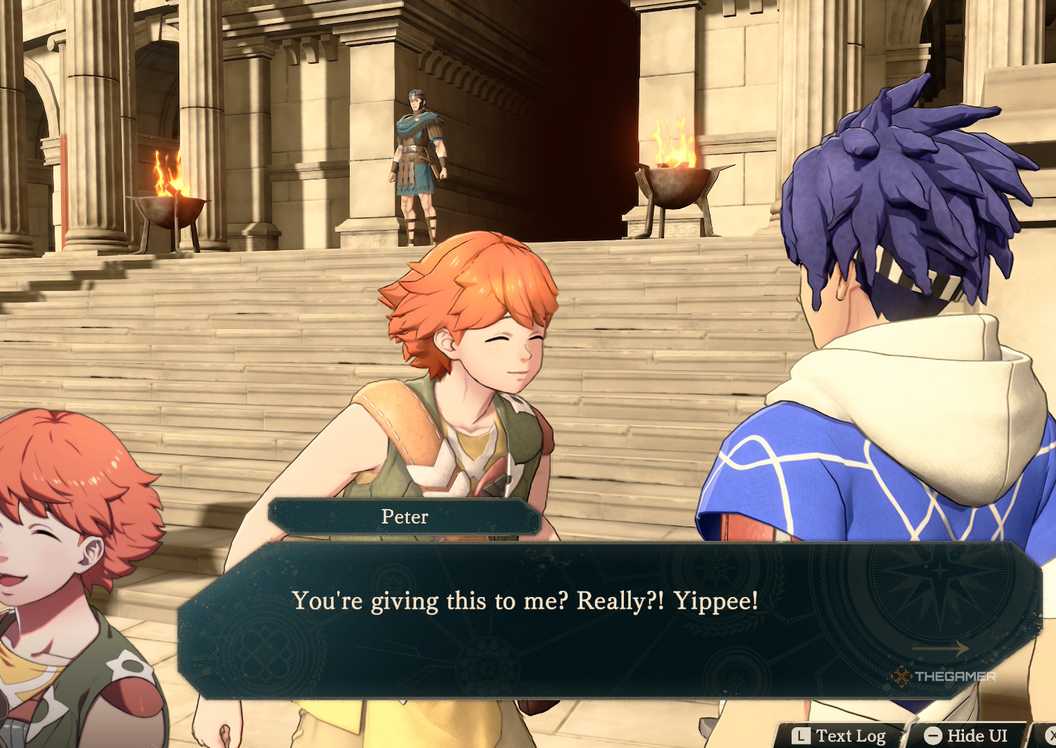
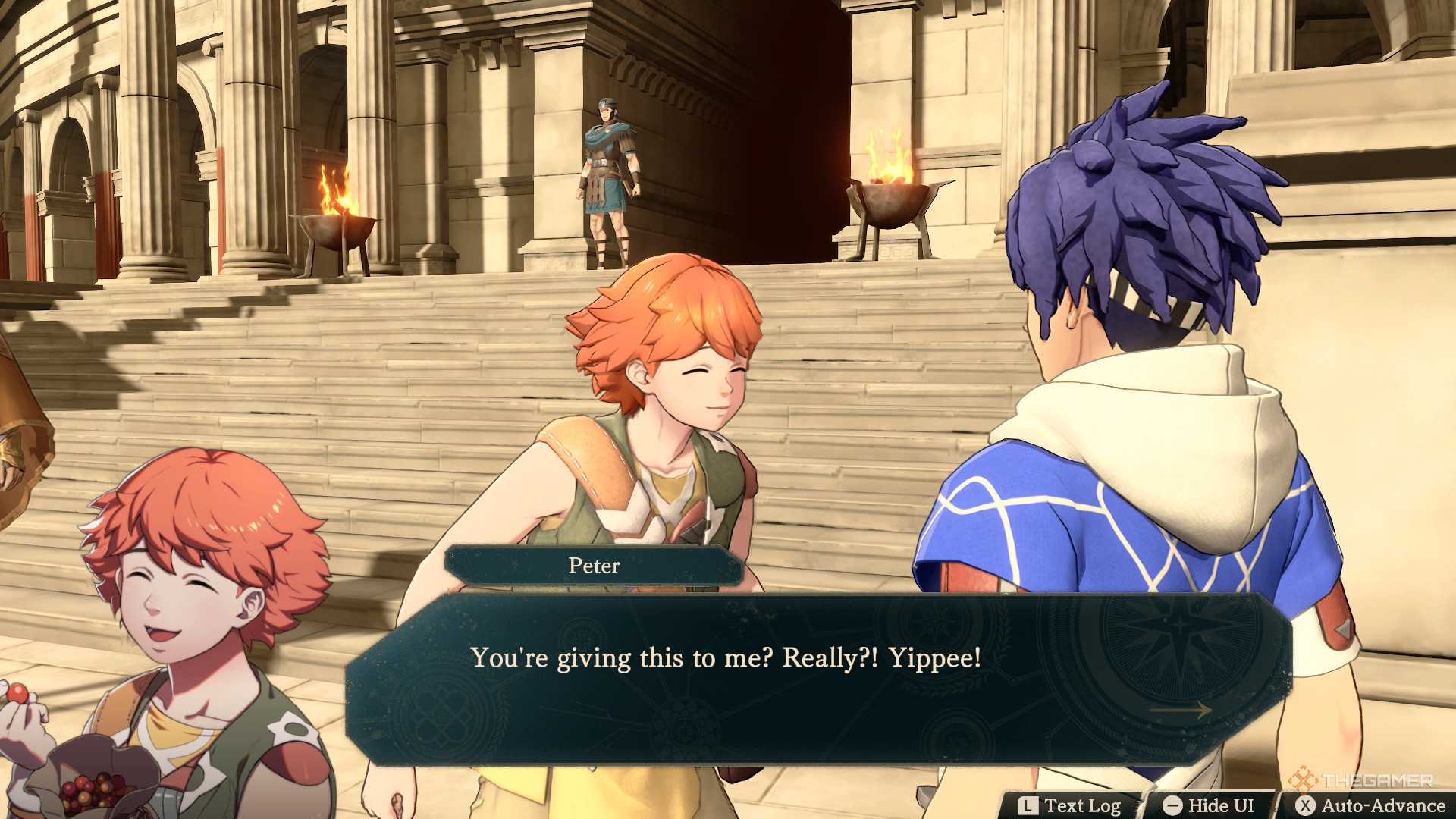
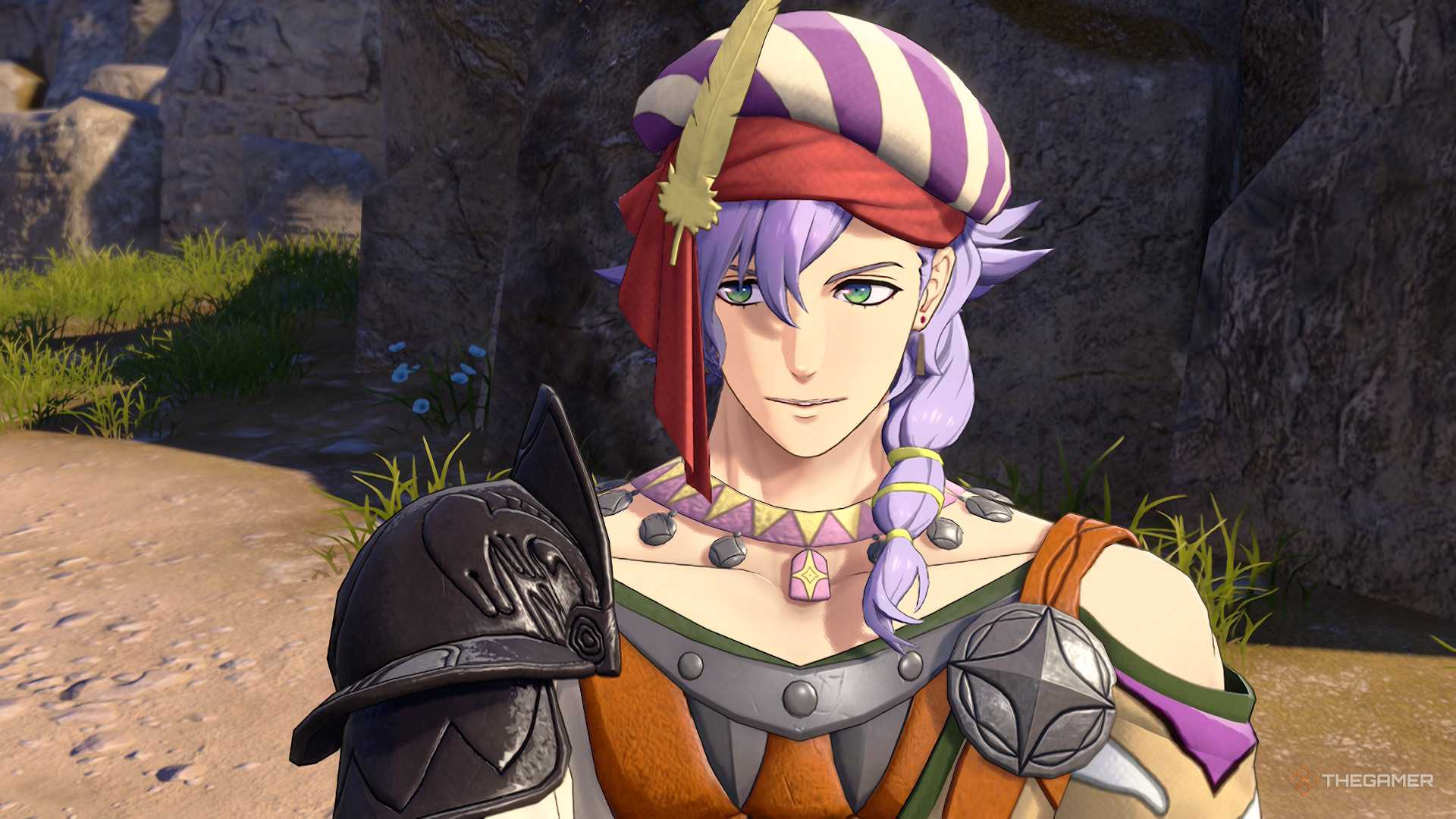
Cai is a delight, and the fact that I ended up more attached to Peter and Tialla is a compliment to how much room they get in his story. They occupy the Dedue slot, the companions bound so tightly to a lead that you can't imagine the route without them, and Fortune's Weave gives them real development rather than a personal skill and a support chain. Dietrich opens as an edgelord. Give him a few chapters before you cast him off.
The character art may be the strongest the series has produced, but I’m not a huge fan of one aspect. Plenty of the designs land immediately. Look closer, though, and their silhouettes and colour palettes often map neatly onto Three Houses characters with different haircuts. That is understandable: the games share a world and Chinatsu Kurahana served as character designer on both. But it is a house style that has become self-referential, and the effect is that individually excellent designs feel slightly less excellent when you’re so familiar with their inspirations.

Fortune's Weave is enormous. Forty hours in, with two of the four leads' opening stretches behind me and a third underway, I feel like I'm still in the foothills. The calendar is generous with time, the world map keeps offering optional work, and the structure invites you to run parallel stories from the Obelisk Chamber rather than picking a lane and calling it quits.
I cannot decide whether that is thrilling or exhausting, and I don't think five chapters entitle me to decide. Fates made scale feel like abundance because its routes really were separate. Three Houses made it feel arduous, and I say that as someone who finished three of its four routes and cannot now remember which one I abandoned, because the moment-to-moment experience of them blurred into one long term at school. Fortune's Weave has four leads and a system that actively encourages you to weave between them. Whether that produces a Fates or a Three Houses is the single most important question about it, and the one I am least prepared to answer. Ask me again in September.