Foundation Meets Blade Runner In Apple TV's 10-Part Sci-Fi Show
Hard sci-fi TV is finally experiencing the prestige-era renaissance fans have craved for years, and no streamer is leading that charge quite like Apple TV+. From For All Mankind to Severance to Silo, Apple has built an impressive lineup of made-for-streaming sci-fi shows that trusts audiences to engage with challenging concepts rather than simplifying them to appeal to as wide a viewership as possible.
Apple has not only delivered successful original sci-fi shows that refuse to water down their ideas for wider audiences, but it is also responsible for successfully adapting a book series many believed could never make it to the screen intact. Debuting in 2021, Foundation proved that Apple TV could make the once-thought-impossible possible, transforming Isaac Asimov's famously complex novels into an ambitious television epic that not only works, but is incredibly good. What’s more, Foundation’s success bodes incredibly well for another upcoming Apple TV+ show also based on an “unadaptable” text.
That show is Neuromancer, which is adapting William Gibson's 1984 novel of the same name. The story follows hacker Henry Case (Callum Turner), who becomes involved in a dangerous heist involving AI, corporate power, and plenty of exploration of cyberspace. With its neon-soaked dystopia and foundational cyberpunk ideas, Gibson’s Neuromancer is one of the most important sci-fi novels of its era. Decades later, Apple's unique creative approach to adapting Foundation is coming to one of the most influential cyberpunk stories since Blade Runner arrived in theaters in 1982.
Apple Is Creating The Most Important Live-Action Cyberpunk Story Since Blade Runner
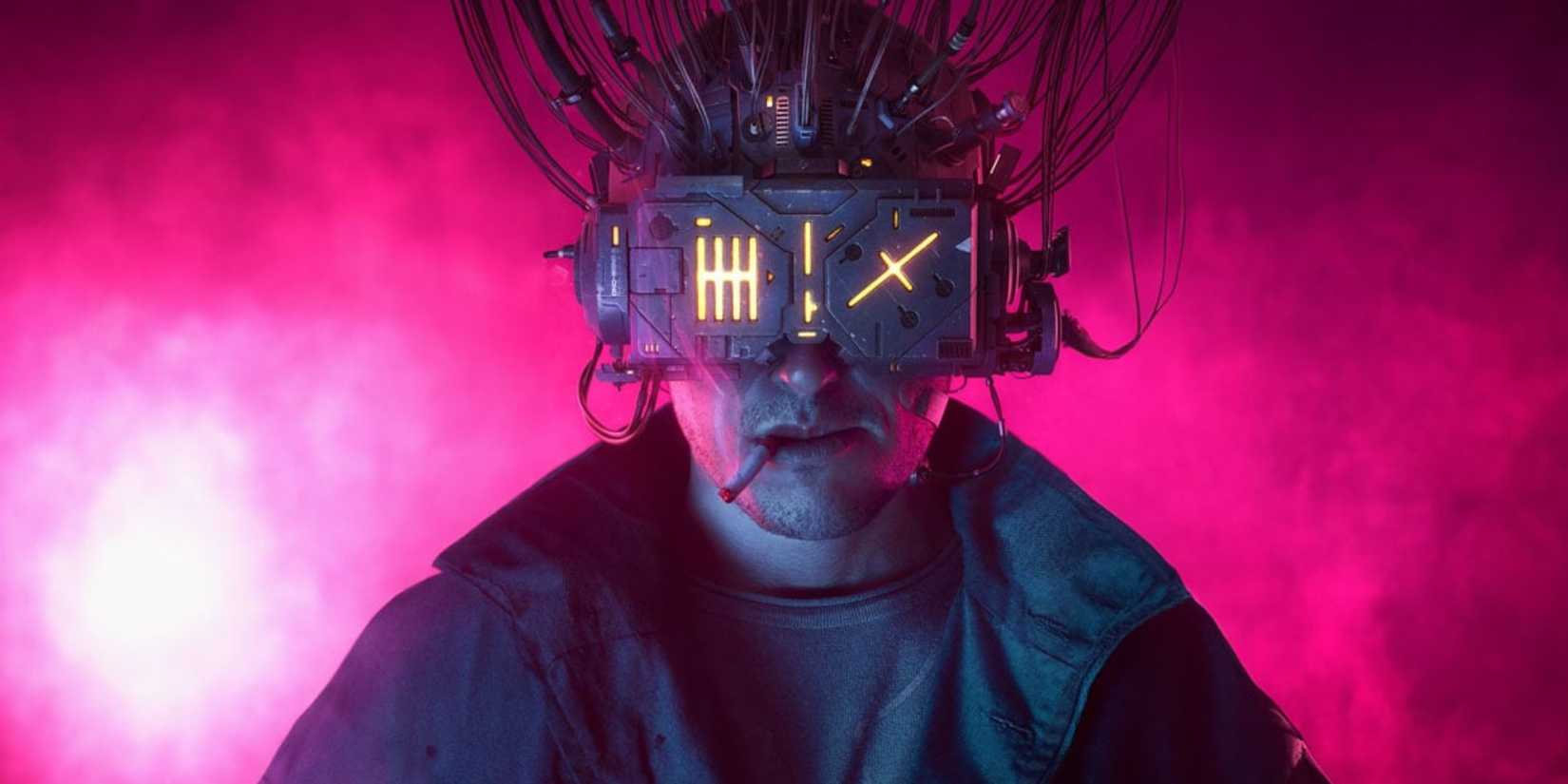
For the cyberpunk genre, Blade Runner is inarguably a foundational property. Ridley Scott's 1982 movie established a visual language and thematic framework that countless films and TV shows have drawn from ever since. Its rain-soaked streets, neon-lit future, corporate dominance, and questions about AI and what it means to be human became defining elements of cyberpunk on screen, giving the genre a cinematic identity that remains hugely influential.
However, cyberpunk's foundations are not limited to cinema. William Gibson's Neuromancer, published just two years after Blade Runner hit theaters, was equally transformative, helping establish many of the ideas and terminology that define the genre. Its vision of cyberspace, hackers, and technologically altered humanity also became hugely influential, especially in later iconic cyberpunk properties like The Matrix and Ghost in the Shell. It may not be as widely known a name in pop culture, but Gibson's novel is every bit as important to cyberpunk's development as Scott's movie.
This is why Apple's upcoming Neuromancer TV show has much greater significance than simply being another prestige sci-fi project for the small screen. The 10-episode series is bringing one of cyberpunk's most important texts to live-action television at a time when the genre is enjoying renewed interest. There still hasn’t really been a solid live-action cyberpunk TV show (that’s avoided early cancellation at least), but Apple’s Neuromancer series looks poised to elevate the genre on the small screen in the same way Blade Runner did in theaters over 40 years ago.
If Foundation Is Anything To Go By, Apple’s Neuromancer Show Will Be Amazing

For many years, Neuromancer has been considered unadaptable. Gibson's novel is dense, experimental, and built around concepts that are difficult to communicate visually without losing the complexity that made the book so influential. The story's cyberspace sequences and psychological fracturing of identity from the influence of cybernetic enhancements present obvious challenges for any filmmaker or television creator attempting to translate the material.
However, adapting supposedly-unadaptable sci-fi has never been a problem for Apple TV+, and Foundation proves it. Also firmly placed in the “unadaptable” category for years, Isaac Asimov's Foundation novels span enormous periods of time and focus heavily on complex ideas, like psychohistory, which is a branch of mathematical science that can accurately predict the rise and fall of civilizations. However, rather than attempting a page-for-scene adaptation that would have struggled to be watchable, Apple's series expanded and reimagined Asimov’s ideas into a coherent TV narrative.
The result is that Foundation instantly became one of Apple TV+’s best sci-fi shows, and one that demonstrates the streamer can be trusted to adapt complicated source material without a risk of abandoning its core identity. That track record makes Neuromancer particularly exciting, since if any studio can bring Gibson’s unadaptable novel to screens, it’s Apple.