29 Years Later, This Bruce Willis Classic Still Has One Of The Best Sci-Fi Movie Futures
Sci-fi movies are uniquely positioned to portray the future, and it's something that has remained synonymous with the genre for decades. Many great sci-fi films take place on alien planets, but others focus on Earth, whether it's in the present day or hundreds of years from now. These movies, like The Fifth Element, offer a sneak peek at what the future could look like. It's interesting, then, that many of the most beloved titles depict futures we wouldn't want to live in.
Robocop, for example, depicts the streets of Detroit as somewhere so perilous that even a bulletproof police officer isn't safe. Movies like Equilibrium or Divergent describe regimes so totalitarian that free will is punishable by death. The classic Blade Runner is remarkable because it was made in 1982 but set in the distant future of 2019. Even that title offers an eerily bleak depiction of Los Angeles as grimy, heavily polluted, and dangerous.
90s sci-fi, in particular, was full of similarly grim futures, though there were exceptions. One of those was Luc Besson's The Fifth Element, which was released in 1997. The movie boasts an incredible cast, including Bruce Willis as Korben Dallas and Milla Jovovich as Lee Loo. Gary Oldman also features as the wonderfully evil Zorg.
While The Fifth Element doesn't portray the future as some sort of utopia, it's far brighter and less oppressive than many other movies in the genre. The Fifth Element also boasts impressive sci-fi worldbuilding, considering the movie's primary focus is its action-adventure story with the fate of the world at stake
The Fifth Element's Optimistic Future Is A Breath Of Fresh Air

The 1990s were phenomenal for the sci-fi genre in a way few other decades have been. Many of them also have something in common in that the future is exceptionally bleak. Audiences worldwide adore 1999's The Matrix for its stylish action scenes and bullet time, but even that movie portrays our world as a simulation we're plugged into. Terminator 2 shows another terrifying potential future, and Independence Day depicts an alien invasion that brings the human race to its knees.
The Fifth Element is set in the year 2263, and while the city is certainly rough around the edges, it's a breath of fresh air compared to other futurescapes. Technological advances have brought flying cars to the city, but most importantly, audiences can see regular people having fun. Holidays still exist, with the Fhloston Paradise cruise ship a key part of the story. Audiences still go to the opera, and there appear to be incredible advancements in the medical field. Even the radio is still live, with Chris Tucker's Ruby Rhod a flamboyant, over-the-top host.
Viewers do see glimpses of organized crime, but it doesn't appear to be the norm. The armed takeover of Fhloston Paradise clearly doesn't happen every day, and even the President (Tom Lister Jr) talks like a normal person, and seems to have his citizens' best interests in mind.
Hints To Future Technology In The Fifth Element Make The World Feel Alive
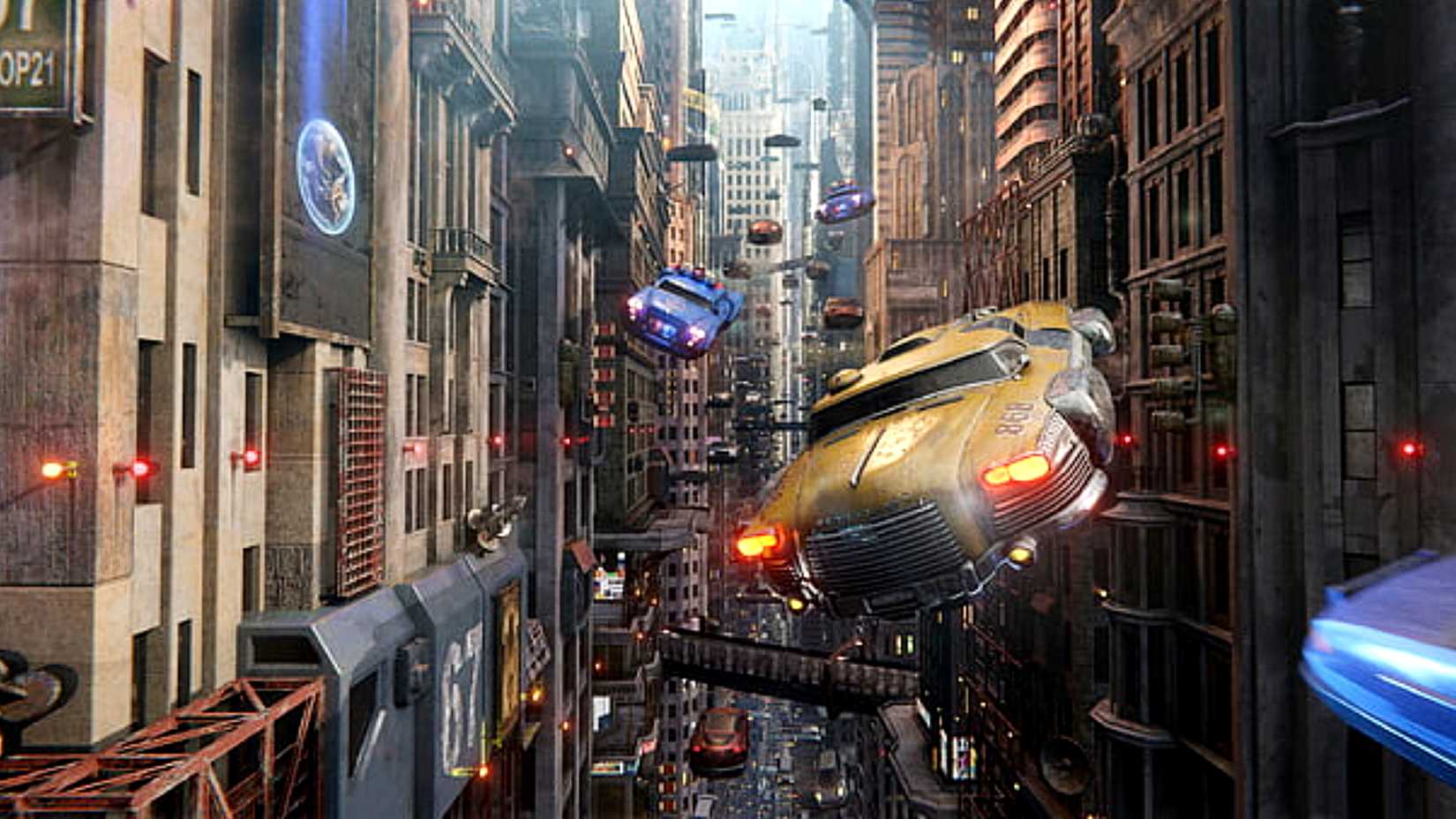
Future technology is handled quite organically in The Fifth Element as so much of it is subtly hinted at or skimmed over. We see that space travel is commonplace and that authorities can revive someone from just a few living cells. Flying cars are a great solution to overcrowding, and may be a necessity owing to the rising smog or 'fog' at ground level. Firearms have also advanced dramatically, with Zorg's ZF-1 demonstration an unforgettable highlight.
The Fifth Element also makes plenty of subtle hints that flesh out the world. We know Korben is trying to quit smoking, for example. A machine allots him a set amount of cigarettes for the day, and keen-eyed viewers will notice most of the stick is filter. Cornelius (Ian Holm) has a machine that presumably creates perfectly cooked food in an instant, and even driving licenses seem to work differently.
Korben's tiny apartment is also uniquely impressive. We see appliances like the freezer and shower rise from the floor to save space. His bed also seems to make itself, as we see Cornelius caught in its plastic wrapping at one point.
Another aspect of The Fifth Element that can't be ignored is the fashion. Many people appear to wear bright colors as part of their general attire. Korben Dallas wears his now-iconic orange sleeveless top, and even Lee Loo has bright orange straps over her white T-shirt. Those color choices even extend to McDonald's workers and the Fhloston Paradise crew. The movie doesn't explain how everything works, but it doesn't need to, and the small details make The Fifth Element stand out so much in an already brilliant decade for the genre.