1 Star Trek Novel Detail Completely Erases The Original Series
The Star Trek novels are a great way to dig even deeper into the beloved sci-fi franchise, but one small detail in an early Trek book completely erases The Original Series. Pretty much as soon as the show hit the airwaves back in the 1960s, there have been books set in the Star Trek universe. All these years later, new books arrive every few months.
The earliest Star Trek books attempted to fill the gaps between TOS and the movies, and flesh out the lore that was merely hinted at in the show. These novels played fast and loose with the canon, often throwing out wild details that would eventually be abandoned. However, some book details did stick, such as the adoption of Nyota as Lt. Uhura's official first name.
Despite creating the franchise, Gene Roddenberry only penned one Star Trek novel. The Great Bird of the Galaxy was tapped to write the novelization of Star Trek: The Motion Picture, and he didn't phone it in. Though he largely kept to the film's script, he fleshed out the story with tons of ideas that weren't presented onscreen. While some of the ideas were novel, many were downright strange.
The novelization of Star Trek: The Motion Picture is somewhat infamous in sci-fi book circles, and there's no denying that it is an odd footnote in the history of the franchise. Roddenberry not only gives more context to the characters and the V'Ger mission, but offers interesting tidbits that have huge franchise implications. One such tidbit transforms The Original Series, and practically wipes it from the canon.
The Novelization Of Star Trek: The Motion Picture Erases The Original Series
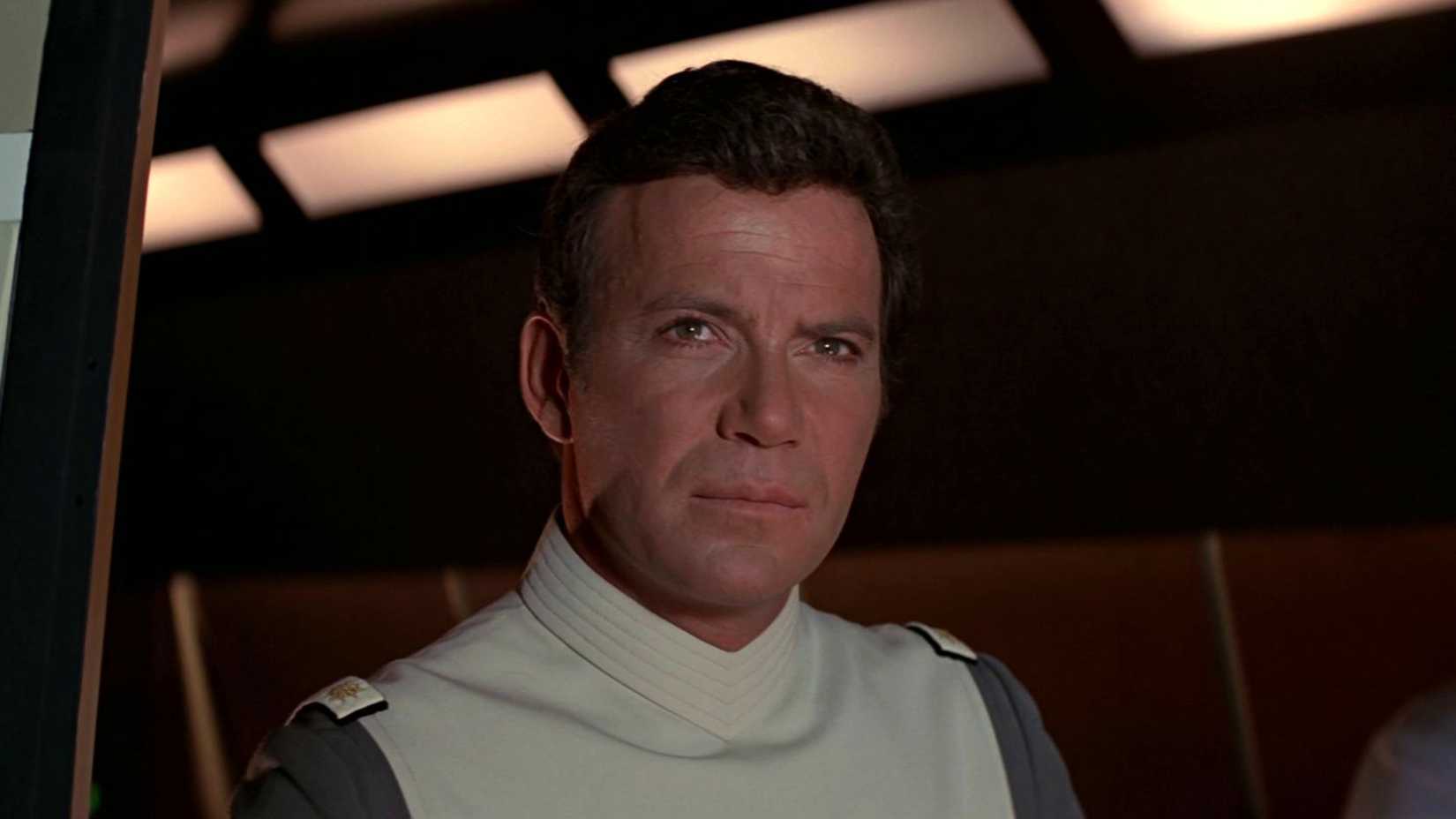
Getting the book off to a strange start, Roddenberry opens the novelization of Star Trek: The Motion Picture with a preface written by Admiral James T. Kirk himself. In his brief intro, Kirk gives some strangely intimate details about the origin of his name, before going on to lament his exaggerated legacy. Kirk explains that the Enterprise's five-year mission was blown way out of proportion.
Kirk writes "Unfortunately, Starfleet enthusiasm affected even those who chronicled our adventures, and we were all painted somewhat larger than life, especially myself." The intro never explains how these chronicles were presented to the public, but they could have appeared in the form of holonovels or even an in-universe TV show. While it seems like an unimportant detail on the surface, it has sweeping implications.
Roddenberry, through Kirk, seems to suggest that The Original Series never really happened. Or more specifically, that the series that the audience knows and loves is actually a butchered version of the real events. Kirk explains that the reality of his mission was much grimmer than it was shown in the record. It's a rather insulting way to distance the burgeoning new era of the franchise from the kitschy fun of the classic series.
Furthermore, it gives the audience no recognizable characters to latch onto. The Kirk of the Star Trek: The Motion Picture novel isn't the Kirk from The Original Series, so presumably none of the other Enterprise crew members are the same as their TOS counterparts. Instead of continuing the series into a brave new era, Roddenberry tries to hit the reset button.
The Star Trek: TMP Novelization Isn't Canon
As with almost every other book in the massive Star Trek library, the novelization of Star Trek: The Motion Picture is not canon. None of Roddenberry's odd details have been incorporated into the broader universe, and even its namesake has largely been ignored. Ideas like New Humans and Starfleet's brain implants didn't make the cut, and for good reason.
Roddenberry's only Star Trek novel is a fascinating glimpse into the mind of the franchise's creator, but that doesn't mean it's very good. His frequent references to sex and sexuality are woefully out of place, and they do little but fulfill the fantasies of the man holding the pen. Furthermore, Roddenberry's seeming disdain for The Original Series makes the book feel vindictive in its retconning.
Instead of giving fans a fresh and interesting continuation of the universe they love so much, he intentionally tears down what has already been established in order to build it to his strange specifications. Like the movie itself, the novelization of Star Trek: The Motion Picture suffers from an identity crisis, something subsequent Star Trek films would rectify.