Benedict Cumberbatch Meets Robert Downey Jr. In Prime Video's 8-Part Sherlock Series
No literary character has been adapted for movies and TV shows as often as Sherlock Holmes, who holds the world record for most on-screen portrayals (via Guinness World Records). Of the modern takes on Arthur Conan Doyle’s detective, few stand out more than Cumberbatch’s BBC performance in Sherlock and Robert Downey Jr.’s portrayal in Guy Ritchie’s 2009 and 2011 movies.
While Cumberbatch’s and Downey Jr.’s takes on literature’s most famous detective are both iconic, they are also incredibly different, as are the TV show and movies surrounding them. Sherlock transformed Holmes into a 21st-century consulting detective working with London's Metropolitan Police, while Ritchie’s films turned him into an action hero without losing his deductive brilliance. That contrast makes 2026’s Young Sherlock essential viewing for any fans of the 19th-century sleuth, because it combines the best of both approaches into something truly unique.
Developed by Guy Ritchie, Young Sherlock follows 19-year-old Sherlock Holmes (Hero Fiennes Tiffin) at Oxford, where a murder puts his freedom at risk and sends the amateur investigator into his first case, one that grows into a conspiracy. The eight-episode series premiered on Prime Video in March, and is already renewed for a second season. For fans who have waited for the next worthy chapter in Holmes’ extensive on-screen legacy, Young Sherlock is definitely it.
Young Sherlock Blends Two Of The Best Sherlock Holmes Adaptations Of All Time
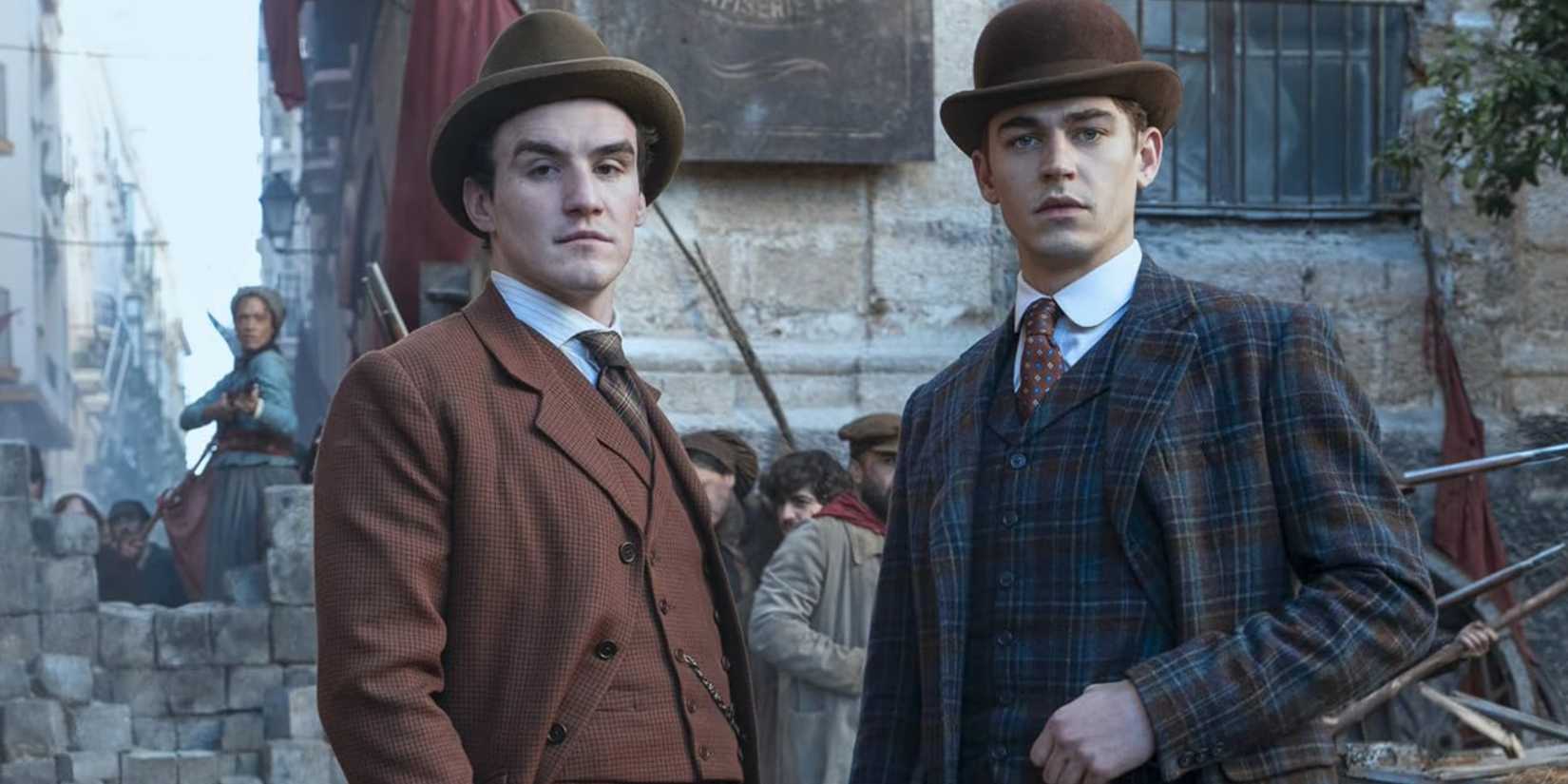
There is a reason Guy Ritchie’s Sherlock Holmes movies and the BBC’s Sherlock remain so beloved. Ritchie brought a fierce, kinetic energy to Arthur Conan Doyle’s 19th-century stories in 2009’s Sherlock Holmes and the 2011 sequel A Game of Shadows, turning Holmes into a physically capable action hero while still emphasizing the detective’s eccentricity. Meanwhile, Sherlock completely relocated the characters to the modern day, using contemporary technology and serialized storytelling to reinvent the mythology without abandoning what makes the novels so iconic.
The genius of Young Sherlock is that it combines those approaches. The series has the high-octane action, rapid editing and heightened visual style associated with Ritchie’s movies, but combines it with the serialized long-form storytelling of the BBC’s Sherlock. The result is a sleek and distinctly modern viewing experience that also allows Holmes’ relationships, family history and increasingly dangerous investigation to develop over multiple chapters.
That approach also gives Young Sherlock room to radically rework familiar characters. James Moriarty (Dónal Finn), in particular, is transformed from Holmes’ traditional arch-enemy into his friend and companion, creating a relationship that gives the series much of its emotional momentum and ensures that, when they do eventually turn against one another, it’s going to be impactful. Young Sherlock may be telling an entirely original story, but it retains enough of Doyle’s spirit to feel recognizably like Holmes.
Despite being set in the 19th century, Young Sherlock therefore feels surprisingly modern. Its action, pacing, and serialized mystery could sit comfortably alongside contemporary prestige crime and detective shows, while its period setting preserves the atmosphere associated with Arthur Conan Doyle’s stories. For viewers who enjoy both Ritchie’s cinematic Holmes and Benedict Cumberbatch’s 21st-century reinvention, Young Sherlock is the perfect successor.
Young Sherlock’s Holmes Is One Of The Freshest Takes On The Character Yet
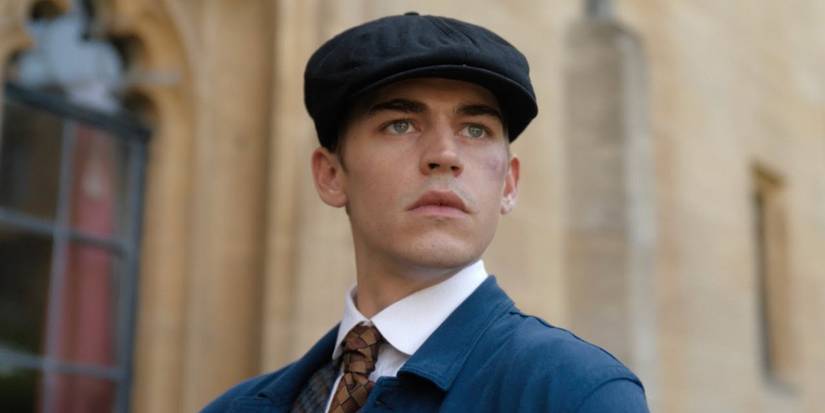
Any Sherlock Holmes adaptation is ultimately only as strong as its interpretation of the detective, and Young Sherlock takes a significant risk by starting before Holmes has become the legendary sleuth audiences know. Hero Fiennes Tiffin’s version is only 19, and he is considerably less controlled than the legal mastermind he’ll eventually become. He’s impulsive, arrogant and frequently reckless, with his extraordinary intelligence still lacking the discipline that defines the adult Holmes.
That makes Hero Fiennes Tiffin’s performance in Young Sherlock fundamentally different from Benedict Cumberbatch’s or Robert Downey Jr.’s. Cumberbatch played Holmes as an already formidable intellect whose mind was constantly racing ahead of everyone around him, while Downey Jr. emphasized Holmes’ physicality, eccentricity, and instinctive brilliance. Fiennes Tiffin instead captures a much younger man who possesses the raw ingredients of genius but has not yet learned how to use them consistently.
This difference works incredibly well in Young Sherlock, as the show depicts Holmes’ intelligence emerging as experience whittles away his immaturity. He can make startling deductions and identify connections nobody else sees, but he also makes mistakes, especially when his emotions interfere with his judgment. These weaknesses are the true genius of how Young Sherlock handles the titular detective, as he feels like a genuine work in progress rather than a fully formed Holmes simply placed in a younger body.
Playing a younger Holmes was always going to be challenging because audiences already know exactly who he becomes. Hero Fiennes Tiffin nevertheless gives Young Sherlock a distinct version of the detective, one whose arrogance and impulsiveness gradually give way to greater discipline. By establishing that foundation, Young Sherlock makes it easy to believe this reckless Oxford student could eventually become the calculating and shrewd sleuth of Doyle’s novels.