Marvel’s Wolverine Reflects One Of The Biggest Dangers In AAA Gaming

The upcoming release of Marvel’s Wolverine has seen the latest Insomniac-led superhero game get reviewed ahead of that launch, but not to positive results most players were hoping for. Instead, first impressions of the action-adventure game have been lackluster, with many citing the game’s features as being far too linear and generic to stand out. One of the most common criticisms of the superhero title has been the implementation of a homogenized, “AAA-like” formula that has impacted a variety of other games from big studios.
Currently, there is a lot of back-and-forth regarding systems being “hand-holding” in Marvel’s Wolverine, from unnecessary mission trackers to character dialogue pointing players to actions the game wants them to take. However, these features are more commonly related to accessibility, and can be turned off in your UI/UX by going into in-game settings. Smaller complaints like “too many cutscenes” and “movie-like AAA slop” have also been thrown around, but even if there is validity to each statement, the concerns around gameplay are far more valid in my opinion.
Marvel’s Wolverine Has Been Drawing Multiple Criticisms For Its Repetitive & Uninspired Systems
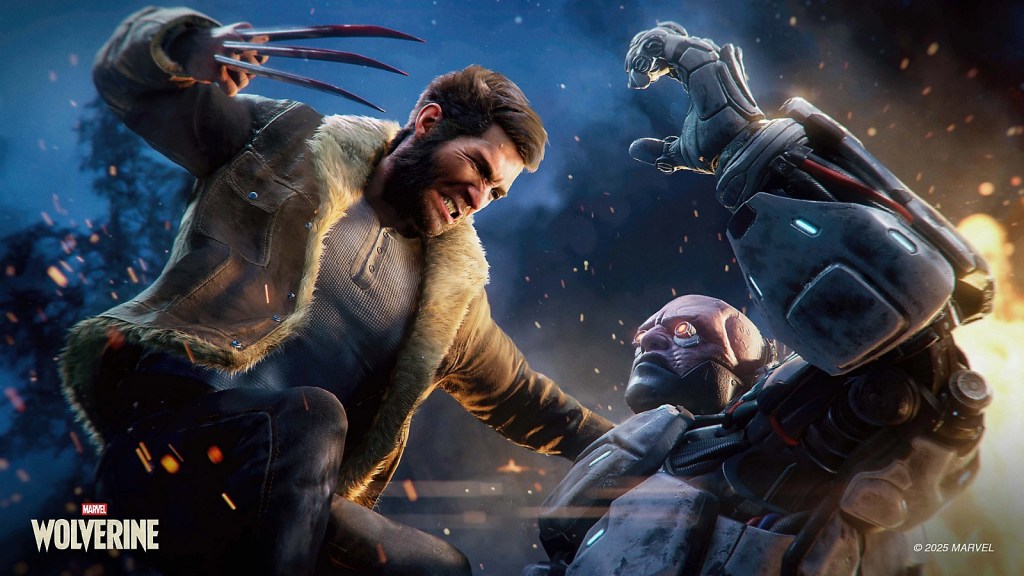
The biggest concern players have with Marvel’s Wolverine is that the game’s combat, while inventive compared to Insomniac’s Marvel’s Spider-Man titles, grows stale after a while. According to reviewers, Wolverine does have bloody, brutal fights that feel exciting at first, but quickly stop feeling that way long before you reach the end credits. Apparently, abilities don’t really add much variety, with action set pieces usually boiling down to the same repetitive situations. Solutions to fights never change, despite small stealth segments here and there that break up the pattern in small amounts.
Even the most challenging combat scenarios aren’t too different from the easier ones, with boss battles being a notable part of this problem. Bosses are unique, but the method in which you battle them hardly varies from fights against dozens of small-scale enemies. The hack-and-slash battles are only one example of repetitive gameplay structure in Marvel’s Wolverine, as the game lacks much else to diversify what players experience. For example, there are no side quests or larger areas to explore like there are in Marvel’s Spider-Man, giving players little to do outside of battle.
The linear action and shallow world of the game is a disappointment compared to what was promised in the months leading up to Marvel’s Wolverine‘s release. Players expected to explore multiple regions Wolverine visits, but in practice, they are very limited. While no one was expecting a large open world like in prior Insomniac superhero outings, there is something to be said of the restrictions placed on player curiosity. Logan’s Rage and Healing Factor mechanics aren’t anything new either, further marking a combat system that gets plain boring after you experience it over and over.
Accessibility Features Aren’t As Big Of A Problem As Stale Gameplay Seen In Every AAA Title
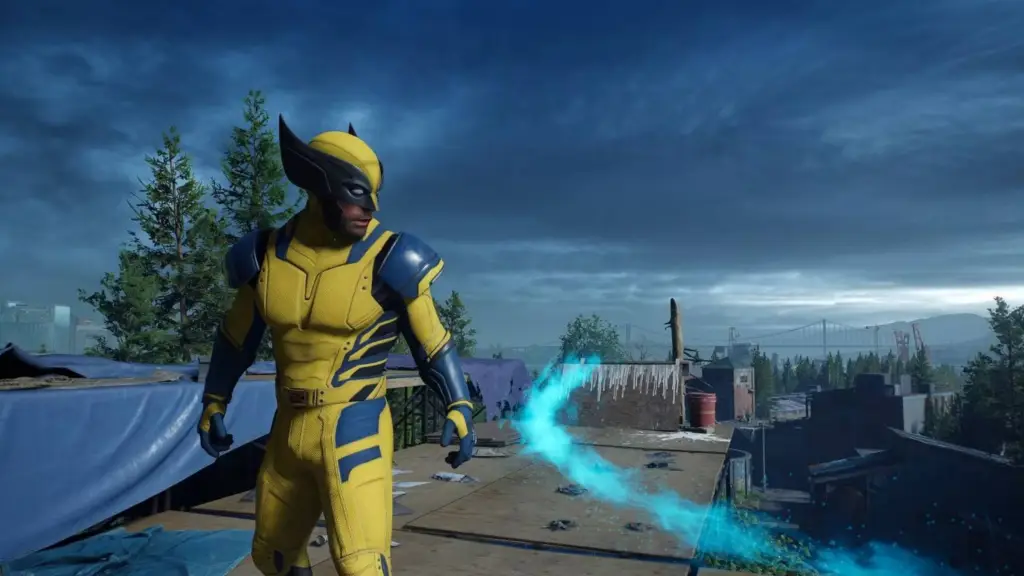
One of the bigger misconceptions surrounding Marvel’s Wolverine‘s criticisms involves many players accusing the game of using too many systems to make things “easy.” The biggest example of this is players calling the blue mist for mission tracking in the game “fart gas,” insulting a mechanic mostly meant for visually impaired players or those who have trouble tracking the visual clutter on a digital screen for whatever reason. It’s easy to forget that accessibility features are often not needed by the largest population of players, but they are integral to the experiences of others who require them.
The real issue with AAA gaming features in Marvel’s Wolverine comes from the dumbing down of places where there is actual player engagement, such as the aforementioned combat. The combat in Marvel’s Wolverine, or the tracking systems everyone is complaining bout, are not new or fresh in any regard. When compared to games like those in the Batman: Arkham series, Marvel’s Wolverine feels like a sanded down comparison, with far less in it compared to something like Arkham Knight that came out years ago.
Other games like The Witcher 3, Middle Earth: Shadow of Mordor, or even the latest God of War series also tend to use the same by-the-book action system, albeit with their own twists. Melee attacks, dodges, and parries all form a safe foundation that isn’t really innovative on its own anymore, requiring something like The Witcher 3‘s build and magic system or God of War‘s unique weapons to be interesting. Marvel’s Wolverine simply doesn’t add anything extra to this AAA approach to stand out from anything that’s already been tried.
Finely Tuned & Satisfying Gameplay Loop Evolutions Turn Average Big-Budget Games Into Unforgettable Experiences

What might be the most unfortunate part of Marvel’s Wolverine is how its AAA formula has been expanded upon in great ways from other games. Oftentimes, an “average” game with familiar systems can become extremely good when they add small pieces on top of what players are already familiar with. As an example, take a game like Marvel’s Spider-Man, which has the combat Marvel’s Wolverine is likely built off of. In that game, you could immediately web swing or leap to areas in battle with incredibly displays of acrobatics.
By comparison, Wolverine’s combat is far more grounded and violent, but that alone isn’t a way players can evolve or personalize the standard gameplay. Take another game like Devil May Cry 5, which also has third-person combat. The appeal of that game is that enemies can be juggled almost endlessly for extremely satisfying combos, to the point where maintaining combos gets you a Style rank as you play. If Marvel’s Wolverine had something close to that system, it could have communicated Wolverine’s berserker combat style even more, by giving players more to do with the character.
Overall, the latest superhero title from Insomniac Games isn’t bad, per say, it just doesn’t live up to everyone’s expectations when it comes to its core gameplay. The game has all the symptoms of the worst AAA games, which fear to take risks in order to appeal to the broadest and most casual audience of players possible. For that reason, Marvel’s Wolverine doesn’t stand out and doesn’t have a distinct identity from anything you haven’t already seen.