Metroid Ravenous’ Main Mechanic Might Be One Shared With Castlevania: Belmont’s Curse

Both Metroid Ravenous and Castlevania: Belmont’s Curse are two games from established franchises coming out within months of each other, each representing the evolution of the Metroidvania genre in different ways. For most players, Metroid‘s emphasis on exploration and Castlevania‘s more traditional RPG mechanics are where the series split, but that line has been blurring for years. With so many Metroidvania games striking a balance between the two concepts, it seems like the newest titles from either series are also taking inspiration from one another.
Castlevania: Belmont’s Curse is set to release in October 2026, with the recently revealed Metroid Ravenous coming out three months later in January 2027. Although the newest Metroid wasn’t announced until much later, both of these games represent a “return to form” for either series according to fans. After the success of Metroid Dread, Ravenous continues the Metroid 2D games emulating classic titles from the franchise, while Belmont’s Curse is being made by the creators behind Dead Cells for a nostalgically gothic side scrolling experience.
Metroid Ravenous Creates A Central Mechanic Around Samus “Eating” Or “Consuming” Enemies
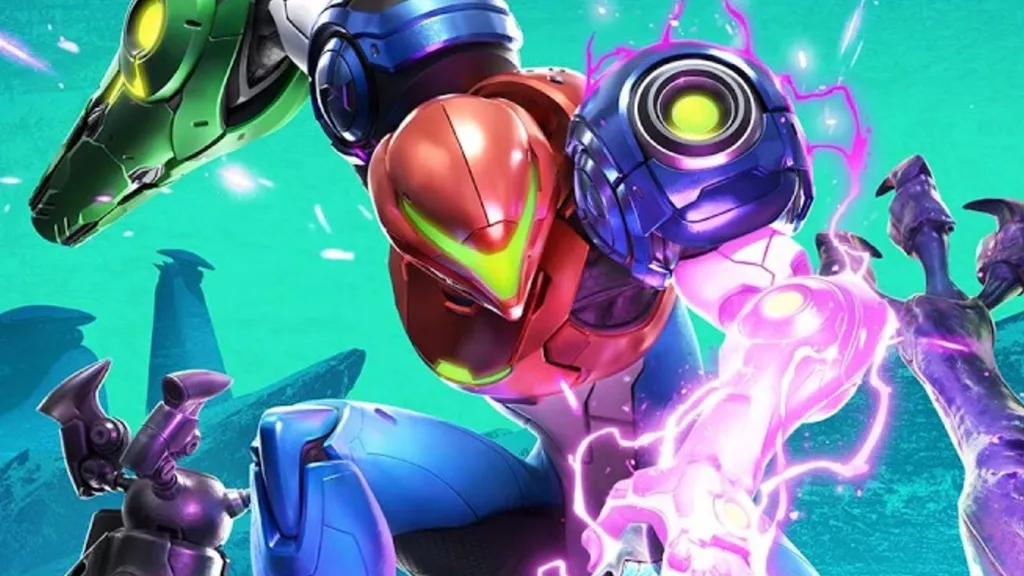
While Castlevania: Belmont’s Curse is innovating on past 2D side scrolling titles from its series, Metroid Ravenous seems to be doing the same thing, in a bigger way than Metroid Dread. Players have noted that in Ravenous, the central theme of Samus Aran’s struggle this time is a mentality of “eat or be eaten” when she is stranded on a strange moon after suffering grave injuries to a group of unknown assailants. In-game, this seems to be tied to a strange new power of Samus’, where her suit’s arm glows purple to absorb enemies.
The purple energy coming from the arm is something that was in Metroid Dread somewhat, likely a result of Samus’ strange DNA from Metroid‘s history. However, its focus in Ravenous is being displayed through Samus “eating” targets she uses it on, either in cutscenes or after a parry in normal exploration. As Samus consumes an enemy with her purple arm, they disappear entirely, as the ravenous hunger from the intergalactic bounty hunter takes hold. Obviously, this mechanic is likely central to the game, both in what players control and experience through the story itself.
New Abilities May Be Unlocked By Eating Opponents Or Bosses Throughout Your Journey
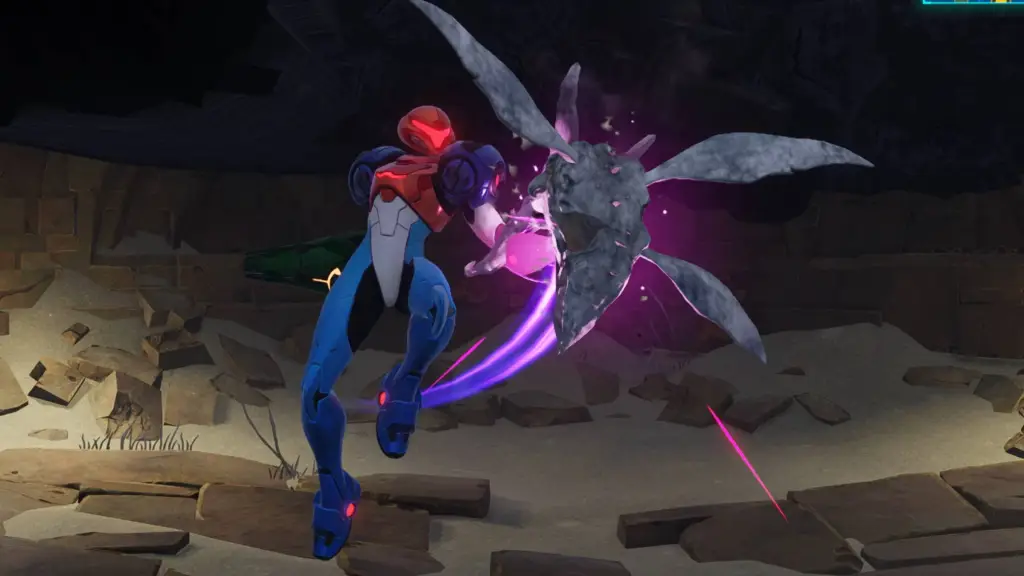
Currently, players have no idea what benefits Samus might get by “eating” enemies with this strange new power granted to her in Metroid Ravenous. Unlike some games, Metroid traditionally hides abilities, upgrades, and other points of progression behind exploration, a structure that is foundational to Metroidvanias as a whole. For example, players can fully explore a map in Metroid, but they need to be a specific boss to unlock a new ability, which then helps them reach a location they couldn’t access before. For the first time, Metroid Ravenous might break this formula, albeit to a small degree.
Part of Metroid Ravenous‘ UI shows a wheel at the top left of a player’s screen, with a massive pink “E” in the same color as Samus’ arm. “Eating” enemies seems to build a meter here, gathering a resource that could be finite. Players may be able to use this Energy in some way, unleashing new techniques for boss fights or exploration. A good example of this could be a strange fly creature Samus absorbs in Metroid Ravenous‘ trailer. Consuming this enemy could give Samus a bigger jump, at the cost of pink Energy players may want to use sparingly.
Different enemies might grant different abilities, or simply more of the pink Energy. Alternatively, Samus may only be able to spend the Energy on specific actions, rather than ones attached to enemies. Defeating bosses and consuming them might raise your maximum Energy, or unlock permanent upgrades, granting this mechanic many unique possibilities. The multiple nodes at the center of the Energy UI grows throughout the trailer, indicating that players can build one, two, three, and even four bars of it at a time, but it’s impossible to tell what its exact purpose is just yet.
Other Metroidvania Games Are Adopting Ability Steal Mechanics Alongside Metroid Ravenous
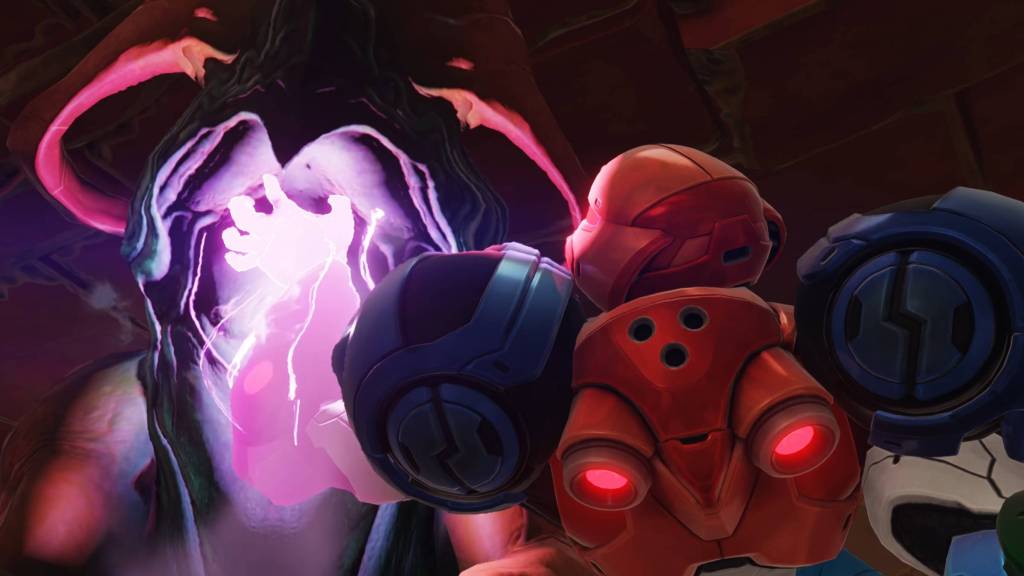
Regardless of how Metroid Ravenous‘ “steal” or “eating” ability works, it reflects a new trend in Metroidvanias, and specifically with Castlevania: Belmont’s Curse. Although two series that are often imagined apart, Belmont’s Curse is also using a “steal” mechanic with its bosses players encounter. Early previews of the game have shown that Belmont’s Curse‘s protagonist can wield magic through special Arcana cards, which they gain when defeating a boss. Much like Metroid, defeating bosses grant the player new abilities, usually based on the boss whose challenge they overcame.
In Belmont’s Curse, players can upgrade the abilities they unlock by completing various tasks, then equip different modifiers to change it based on their play style. This parallel in mechanics between Belmont’s Curse and Metroid Ravenous also extends to other games in the genre, which have been shifting to letting players take on the abilities of bosses. A good example of this is the action RPG Black Myth: Wukong, where players could even embody bosses they’ve beaten as summons in battle.
This shared system can be an exciting one, giving players more agency in the foes they face, with Metroid actually coming closer to the Kirby Nintendo series through this feature. By bringing a bigger attention to your enemies through what you can gain from them, it makes a Metroidvania’s world feel more engaging to explore and fight through. Hopefully, Metroid Ravenous polishes this trend as Castlevania: Belmont’s Curse appears to be doing, creating another instance of the genre’s foundational series creating new innovations.