I Was At The Opening Of The Lucas Museum — And It's Bigger Than Star Wars
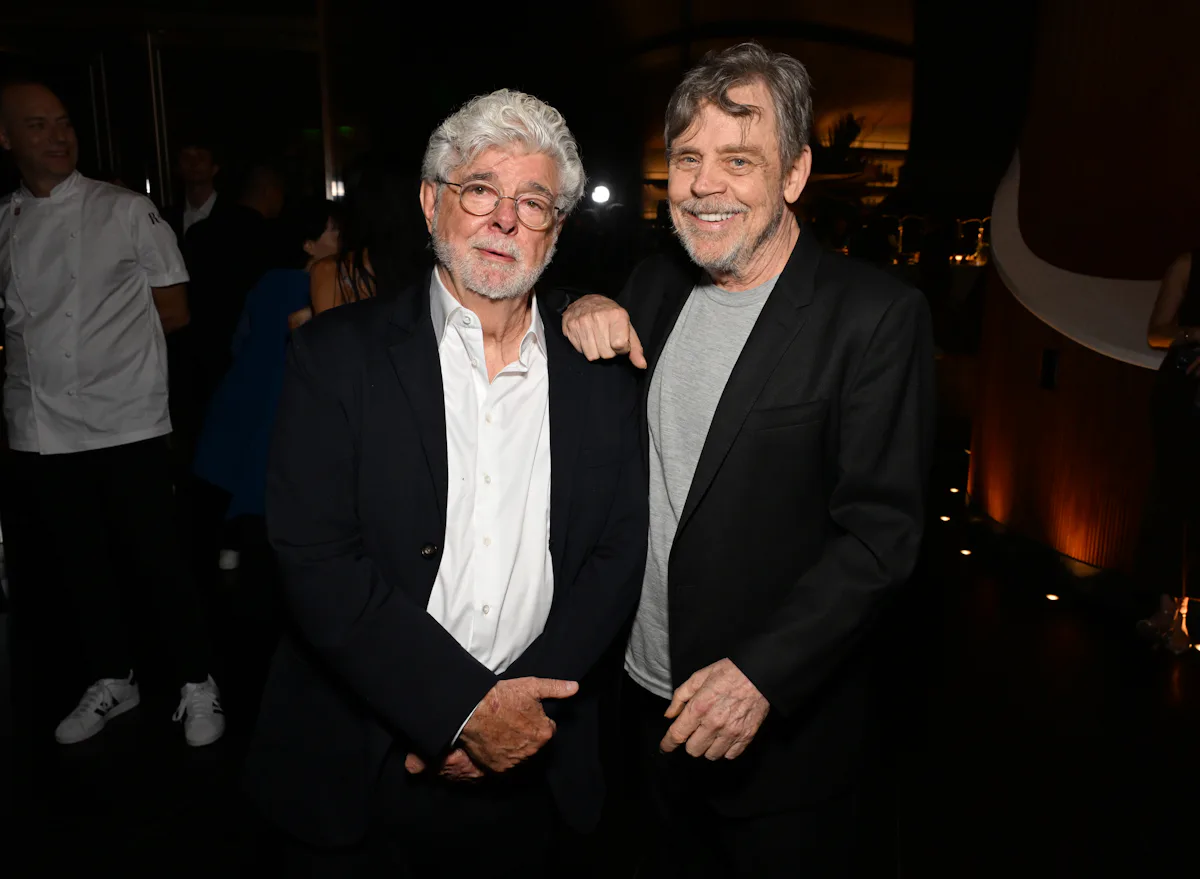
I’m flying through the Lucas Museum’s ground-level exhibit — “Heroes, Myths, The Sacred” — when I hear the statement that stops me dead in my tracks. “This just doesn’t feel like Lucas,” a disgruntled patron mutters to his party as they drift through the exhibit, eyeing classic paintings and ancient sculptures with a not-unhealthy level of boredom. The group drifts toward the exit before I can eavesdrop further, but I can deduce their next thoughts easily enough: “Where’s all the Star Wars stuff?”
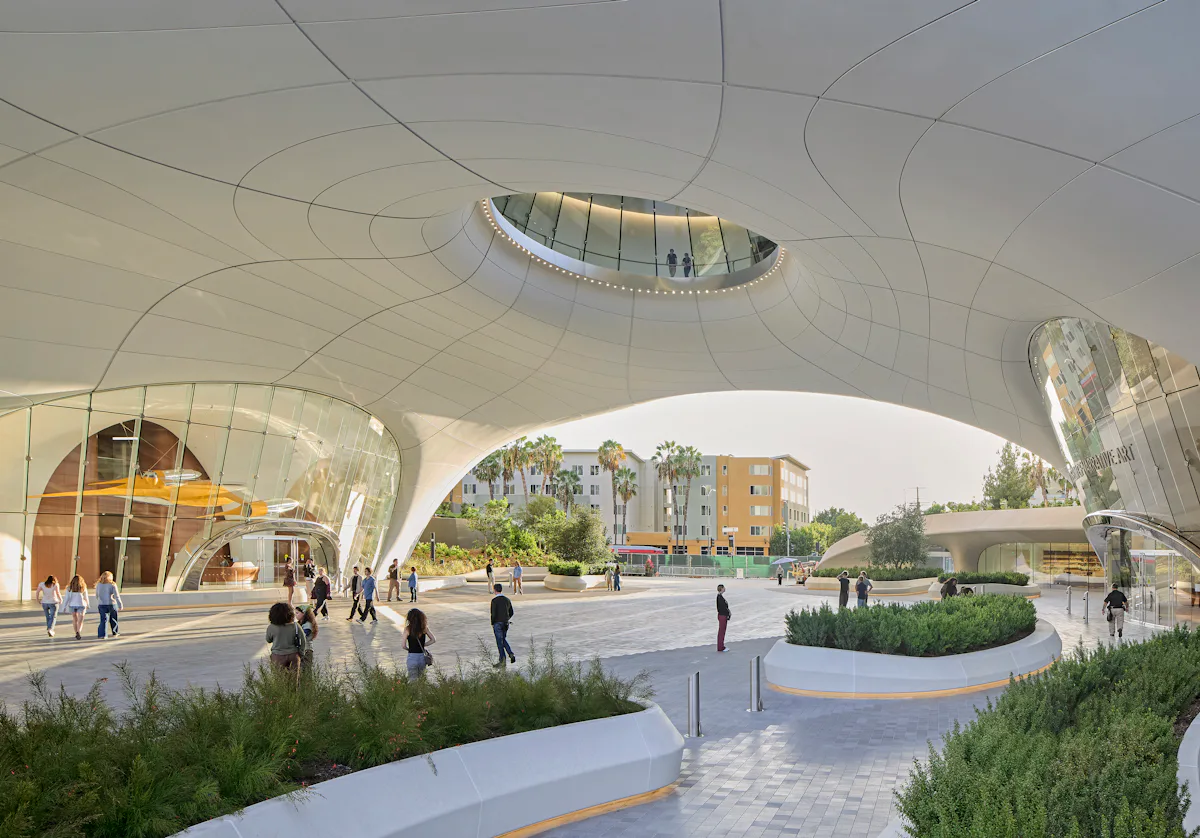
If they continued into the upper levels of the Lucas Museum, their curiosity would have eventually (and generously) been rewarded. The Lucas Museum is home to Norman Rockwells and Frida Kahlos, but also to the Lucas Archives, a breathtaking collection of props, costumes, vehicles, and miniatures from George Lucas’ first six Star Wars films. In the gardens that snake behind and around this sprawling, spaceship-shaped building, statues of Princess Leia and Padmé Amidala watch over the premises. It’s exactly the kind of thing that the delegation of diehard fans will be expecting from the museum — but it’s not the only thing this museum has to offer. In fact, the Lucas Museum is so much bigger than the franchise that put the director on the map.
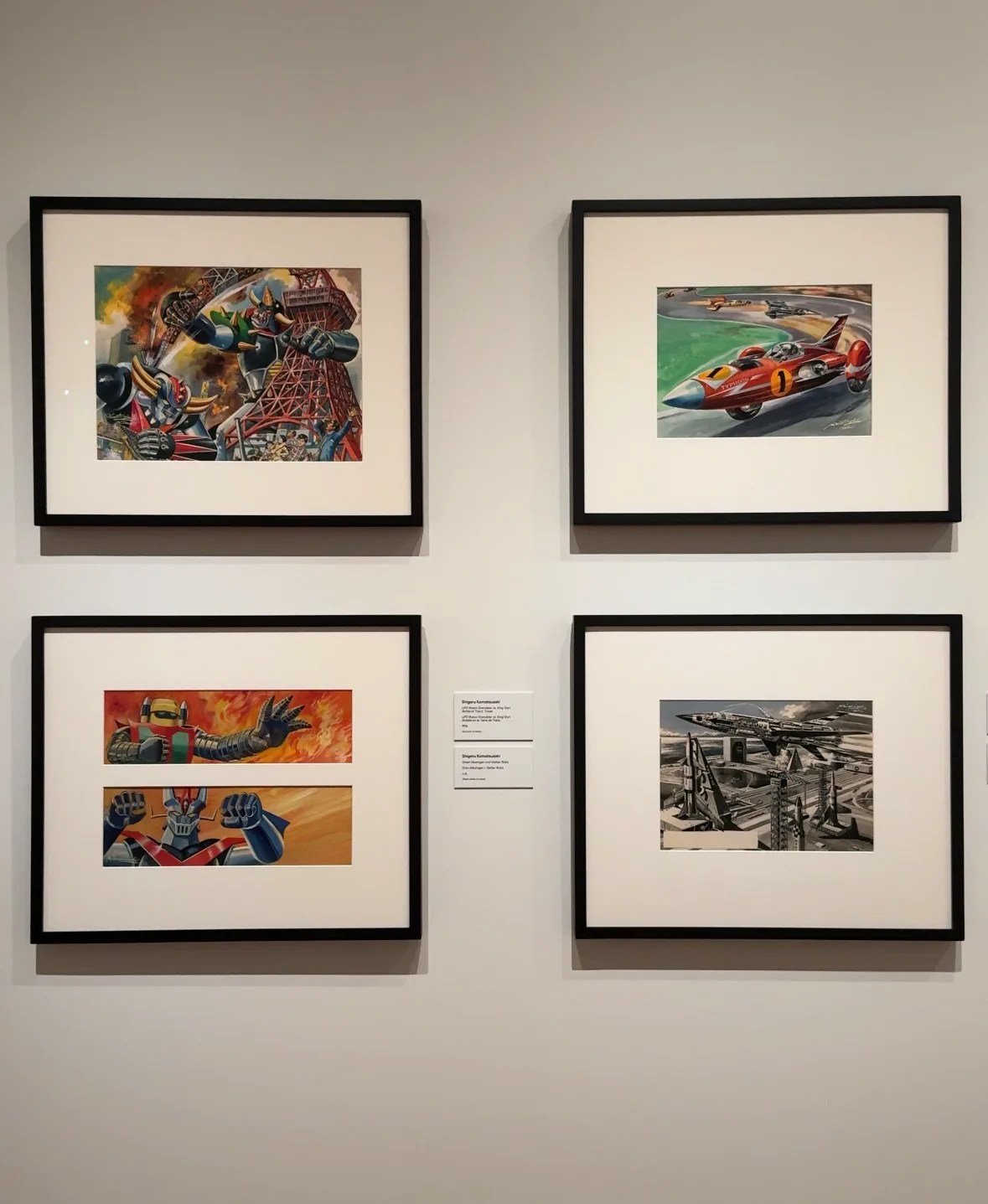
According to Mellody Hobson — Lucas’ wife, with whom he’s spent the past 15 years on this passion project — the Lucas Museum’s Star Wars memorabilia makes up roughly seven percent of its collection. The other 90-ish percent is artwork that spans the breadth of the human experience: galleries dedicated to everything from love stories and pulp adventures to comic book covers, famous photographs, and politically charged murals.
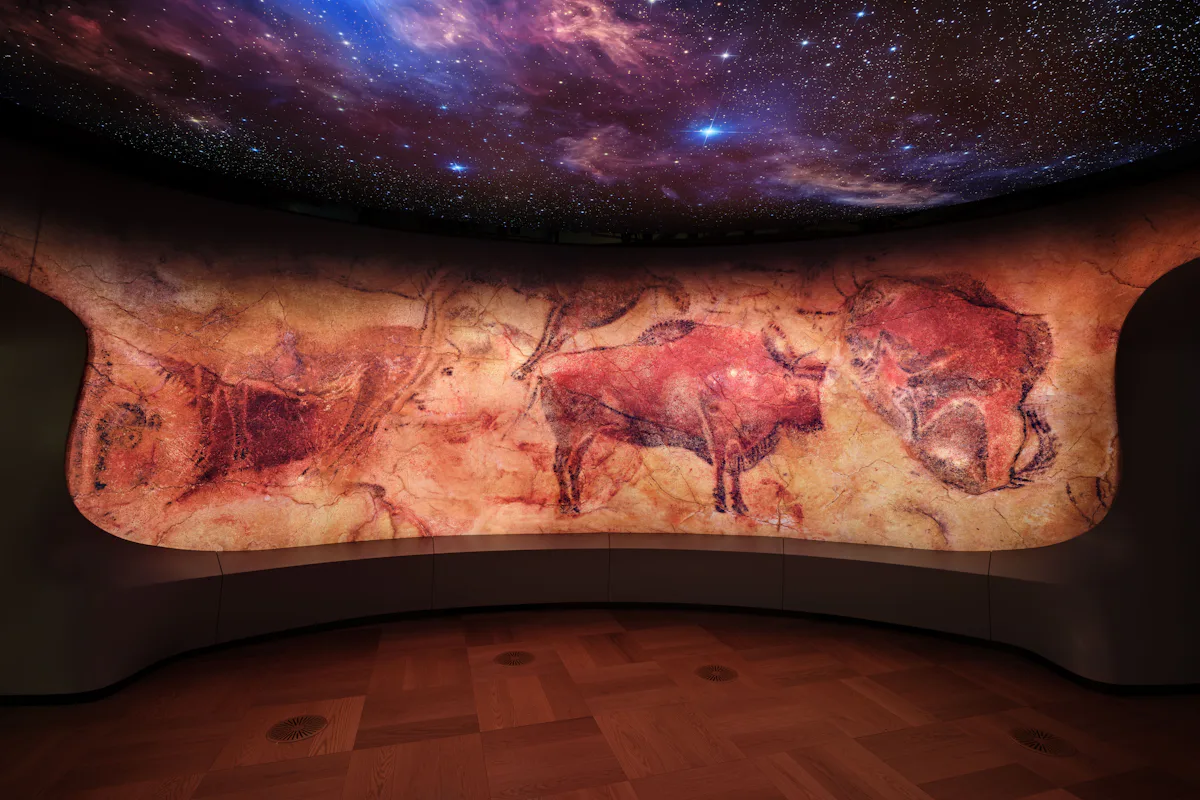
Lucas and Hobson call it “the people’s art” — art without conventions or pretense, but also art that shapes the way we think. It’s why, in the museum’s first-floor gallery, dedicated to ancient heroes and myths, there are just as many recreations of classic art pieces as there are of original paintings and sculptures. Photographs of prehistoric cave paintings, or the ceilings of the Sistine Chapel, feel like a kind of Big Bang. They precede statues of pharaohs and portraits of kings, but together, they chart the history of modern mythmaking.
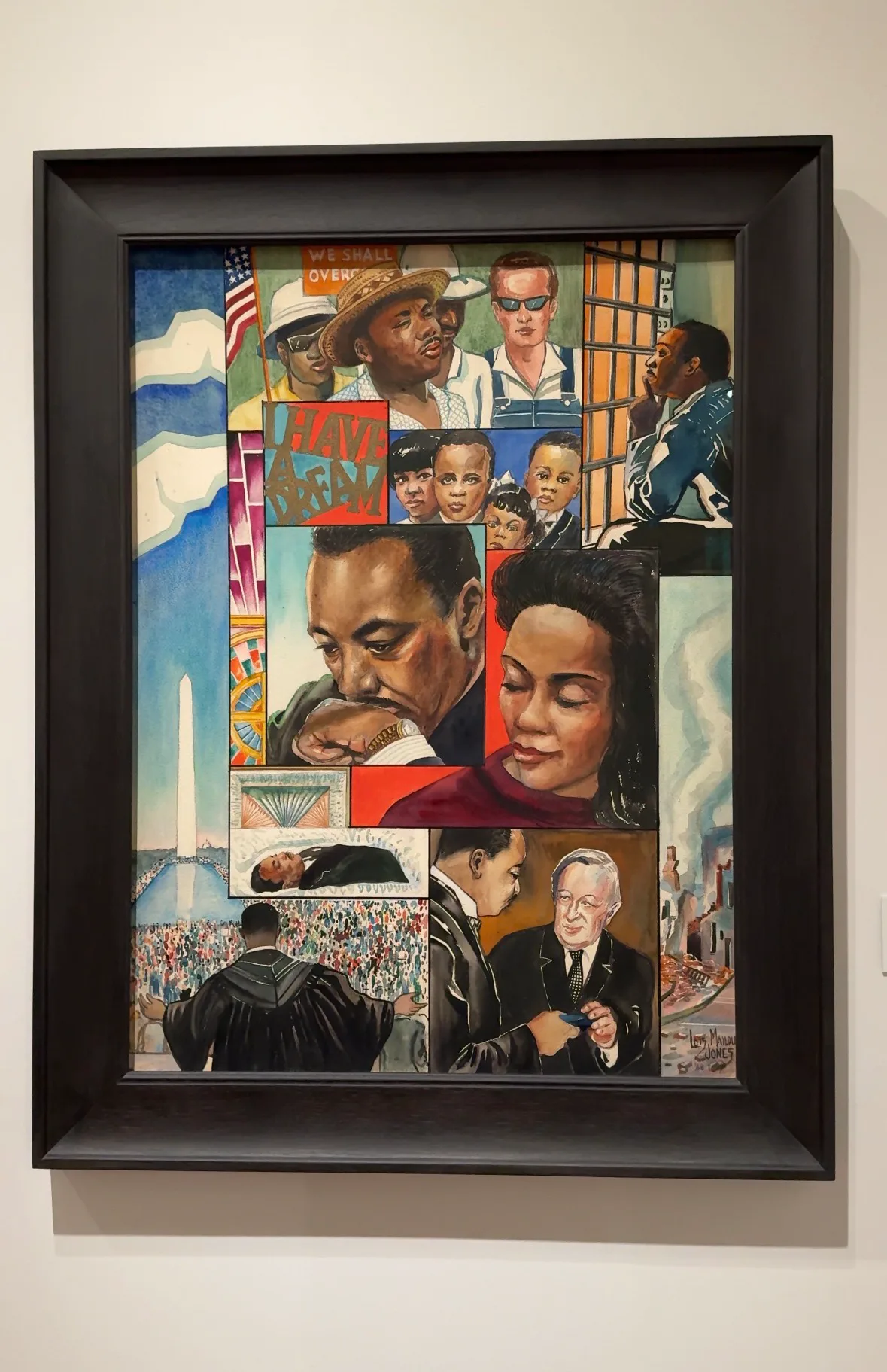
Lucas wants to define what it really looks like when art shapes the collective consciousness. The “narrative art” that fills his museum can be anything from the carving of an ancient fertility goddess to the armor of a Templar knight, to the study of a famous work like Las Meninas. But it can also look like Rockwell’s famous Triple Self-Portrait — or any of the myriad tributes to that work hanging in the museum. It can look like political cartoons, which hang in the same gallery as covers from classic Superman comics and panels from the graphic memoir Persepolis.
The museum is further divided into themes and experiences that unite us: motherhood, civic life, adventure, sports, and dozens more. The fourth floor goes on for what feels like miles, unspooling myths in as many visual forms as humanly possible. Love stories play out in classic paintings; pulpy fantasy adventures are just as robustly represented.
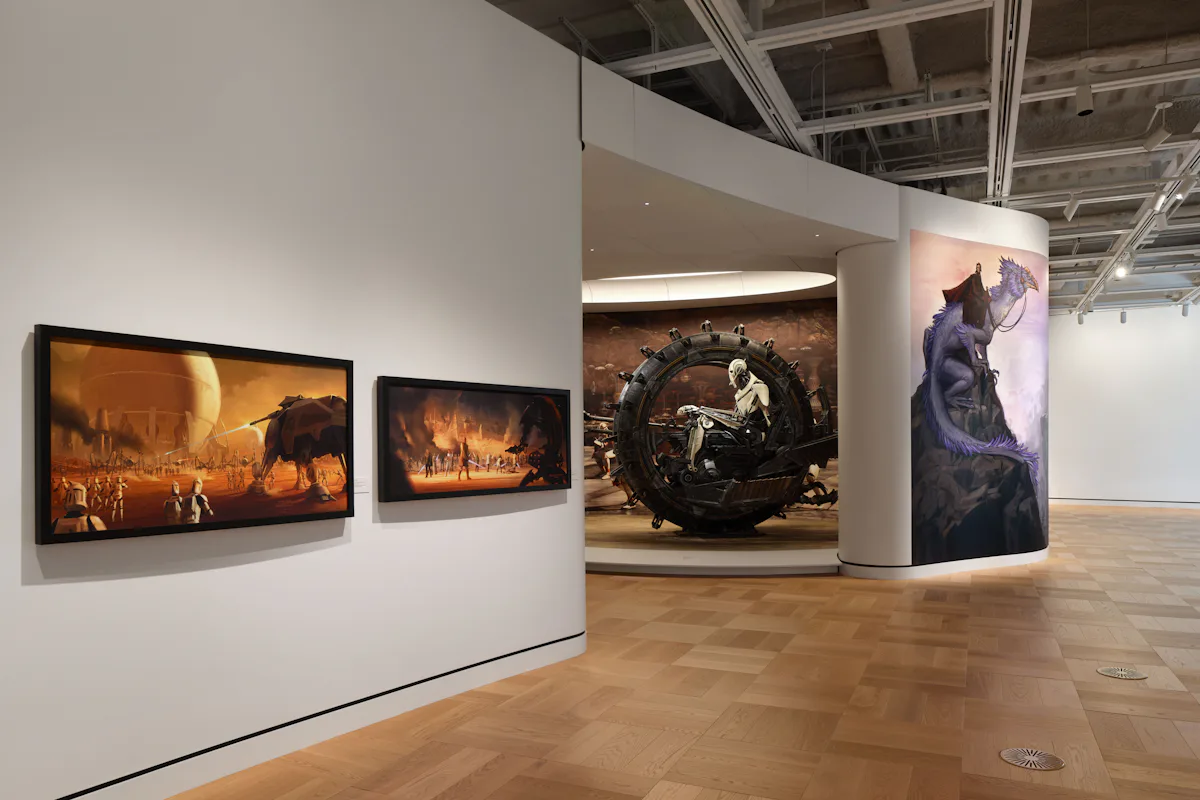
One could spend hours touring the galleries without ever stumbling into the Cinema wing, which currently houses the Lucas Archives in an exhibit called “Star Wars in Motion.” Of course, the crowd swarming the original Darth Vader costume — or the model of the nefarious General Grievous, or the podracer piloted by Anakin Skywalker in The Phantom Menace — might give up the game. It’s by far the museum’s biggest draw, the attraction that most patrons will be flocking to the museum to see.
Crucially, though, it’s not a matter of ignoring the “traditional” art in favor of Lucas’ Star Wars collection. The Lucas Museum is bigger than Star Wars, but it also makes Star Wars so much bigger than the swords-and-spirits saga that fans have come to know, love, and obsess over.
If nothing else, the Lucas Museum is the culmination of the legends Lucas has spent decades chasing. It’s the reason that a quote from Joseph Campbell, the mythologist who coined The Hero’s Journey, greets patrons when they step into its first gallery. Campbell’s work was an instrumental influence on Lucas, and not only where the creation of Star Wars is concerned. The Hero’s Journey connects everyone from Flash Gordon to Luke Skywalker and Indiana Jones, even Batman and One Piece’s Monkey D. Luffy.
The Lucas Museum is probably the one place you can find Christian Bale’s bat-suit and a portrait of the Straw Hat crew under the same roof, just down the hall from portraits of American presidents and civil rights leaders. Each of these figures is capable of shaping how we see the world; ditto for the art made in their image. That brief can only enrich the way we look at the Star Wars saga. Sure, Lucas has always described the films and shows as stories designed for children — but within the walls of his museum, that’s not something to dismiss as frivolous. All stories are elevated into myth in Lucas’ eyes, and all myth has the power to unite us, inspire us. Pop art gets its due in a major way in the Lucas Museum, while Lucas himself crystallizes his legacy — and his shrewd eye as a storyteller — for all to see and enjoy.