33 Years After Cheers, Sitcoms Are Still Learning The Wrong Lesson From Sam & Diane
Cheers established multiple sitcom benchmarks that television has spent decades trying to recreate: the perfect place to hang out, an ensemble that feels like family, and perhaps most influentially, the will-they, won't-they romance. Cheers famously struggled in the ratings during its first season and finished near the bottom, but NBC renewed it due to critical acclaim.
The show subsequently became one of the defining American sitcoms. Sam and Diane’s will-they, won’t-they relationship became the blueprint sitcom romances have followed ever since. Sam’s laid-back charm and Diane’s intellectual intensity are the perfect example of opposites-attract chemistry. Every interaction was an argument, and every argument was a flirtation.
Sam and Diane became shorthand for the will-they, won’t-they sitcom romance, even as the ending of their relationship faded from the cultural memory. Their relationship ended halfway through Cheers’ 11-season run when Diane left Boston to pick up her writing career, promising Sam she would return but never coming back after the season 5 finale.
No sitcom has turned the bittersweet combination of physical attraction and romantic incompatibility into comedy quite like Cheers. The audience desperately wanted Sam and Diane to be together because of Ted Danson and Shelley Long’s incredible chemistry, but at every point the writing demonstrated they would not make a healthy long-term couple.
Cheers did something surprisingly rare: it distinguished what the audience wanted emotionally from what made sense for the characters. For more than 30 years since Cheers’ finale, sitcoms have taken the wrong lessons from Sam and Diane’s relationship.
Unlike Cheers, Modern Sitcoms Force A Happy Ending

The lesson modern sitcoms took from Cheers was to keep two characters apart for as long as possible. The Office stretched Jim and Pam's mutual attraction across three seasons, while New Girl spent nearly two seasons building toward Nick and Jess's coupling, but Cheers didn’t make audiences wait that long.
Sam and Diane kissed in the season 1 finale and were fully in a relationship by the beginning of season 2. Getting together wasn't the culmination of their story; it allowed Cheers to ask whether incredible chemistry was enough to make a relationship work. “Will they, won’t they” is a storytelling device, but “Should they?” is a character question.
Sam and Diane’s relationship repeatedly brought out the worst in both of them. Diane made Sam feel intellectually inadequate, while Sam made Diane feel pretentious and irritating. After their first breakup, Sam, a recovering alcoholic, relapsed and started drinking again, while Diane checked herself into a psychiatric hospital, bringing Frasier Crane to Cheers in the most problematic way.
Cheers could exaggerate the fallout for comedy, but the point was remarkably consistent: as irresistible as Sam and Diane were together, the relationship wasn't particularly good for either of them. Their attraction kept pulling them back toward each other, while their fundamental incompatibility kept demonstrating why they shouldn't stay there.
Admittedly, Diane's original departure wasn't entirely a creative choice. Shelley Long decided to leave Cheers after her five-year contract ended, cutting the Sam and Diane story short. Yet six years later, Cheers had the perfect opportunity to give its defining couple the conventional happy ending.
Diane returned in the Cheers finale, and she and Sam immediately rekindled their romance after some posturing hijinks. They nearly flew away together to start over in Los Angeles before realizing that loving each other didn't mean they should build a life together.
|
How Sitcom Will They, Won’t They Couples Ended |
||||
|---|---|---|---|---|
|
Sitcom |
Couple |
Romance Begins |
Break Up? |
Endgame? |
|
Cheers |
Sam & Diane |
Season 2 |
Yes |
No |
|
Friends |
Ross & Rachel |
Season 2 |
Yes |
Yes |
|
The Office |
Jim & Pam |
Season 3 |
No |
Yes |
|
New Girl |
Nick & Jess |
Season 2 |
Yes |
Yes |
|
Brooklyn Nine-Nine |
Jake & Amy |
Season 3 |
No |
Yes |
Friends famously made the opposite choice. Rachel literally got off the plane, abandoning a new life in Paris to reunite with Ross. Chemistry became compatibility simply because audiences had spent a decade invested in their romance. Cheers understood the difference.
Audiences desperately wanted Sam and Diane together, but the series never confused that desire with evidence that they belonged together. Modern sitcoms learned how powerful it is to make viewers wait for a couple to get together, but too often forgot that getting together doesn't have to answer whether they should stay that way.
Cheers Got Even Bigger After Diane Left Halfway Through
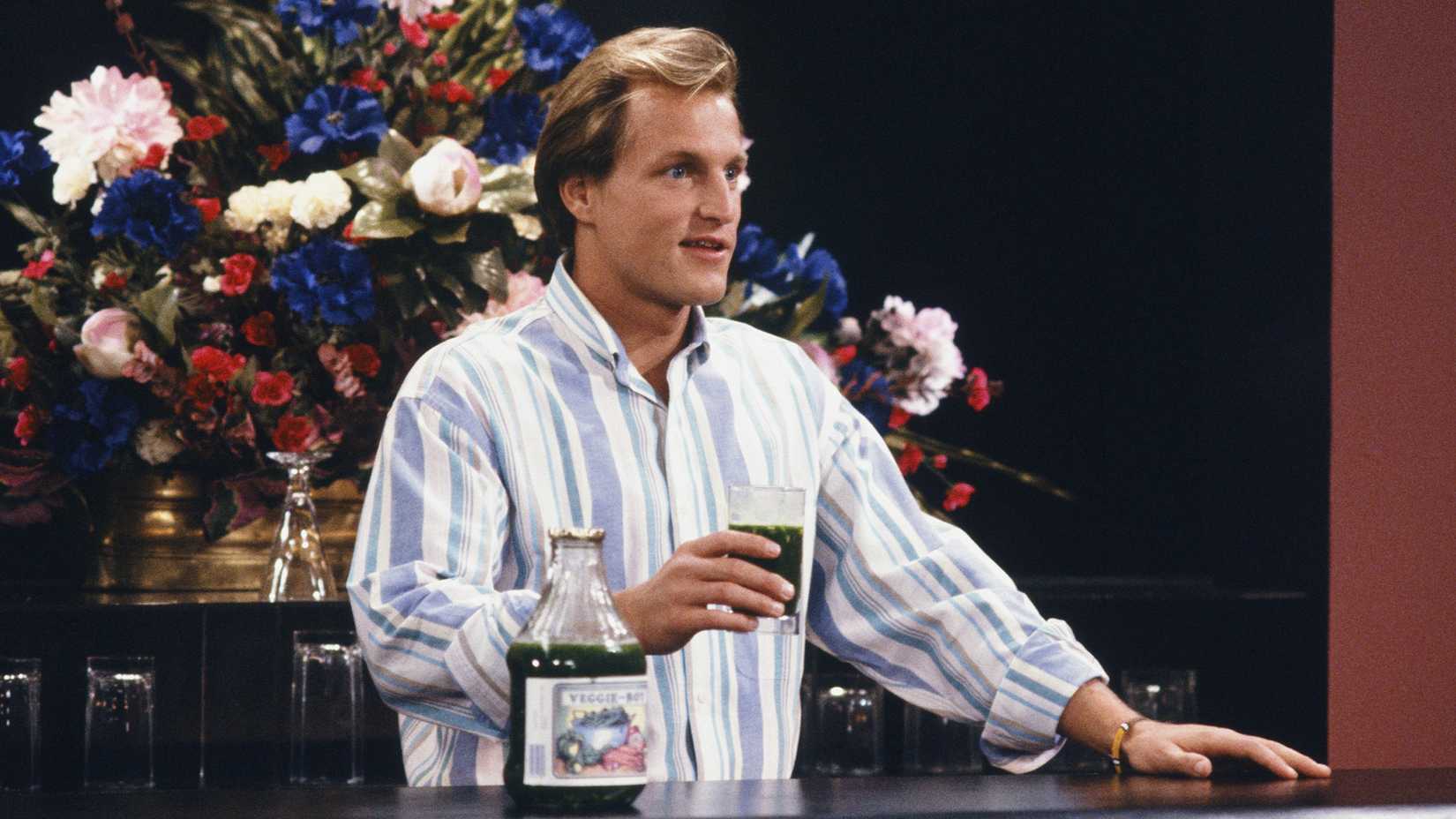
Diane left Cheers after season 5, which turned out to be less than halfway through the sitcom’s remarkable 11-season run. Losing Shelley Long could have been disastrous. Sam and Diane’s relationship had been the show’s biggest ongoing storyline since the pilot, and suddenly Cheers had to continue without one half of the pairing that helped make it a phenomenon.
However, Cheers had already proven it could successfully refresh its cast. After Nicholas Colasanto died during season 3, Woody Harrelson joined Cheers in season 4 as Woody Boyd, effectively filling the role in the ensemble left by Coach while creating a completely distinct character.
Following Long’s departure, Kirstie Alley joined as Rebecca Howe in season 6. Crucially, Cheers didn’t simply make Rebecca the new Diane. Although there was some romantic tension between Rebecca and Sam, their dynamic was fundamentally different, and Rebecca developed into a major character in her own right.
Without Sam and Diane’s will they, won't they relationship driving the story, Cheers increasingly leaned into the strength of its ensemble. The series ultimately ran for another six seasons after Diane left, proving that the relationship that helped make Cheers famous wasn’t necessary for the show to remain great.
Like The Office decades later, Cheers survived losing a central cast member by allowing the ensemble and its dynamics to evolve rather than trying to perfectly recreate what had been lost. Diane eventually returned for the Cheers series finale, giving Sam and Diane one final chapter. Fittingly, the episode became one of the most-watched television broadcasts in American history.