Why Does 'Godzilla Minus One' Have That Name? The Title Meaning, Explained
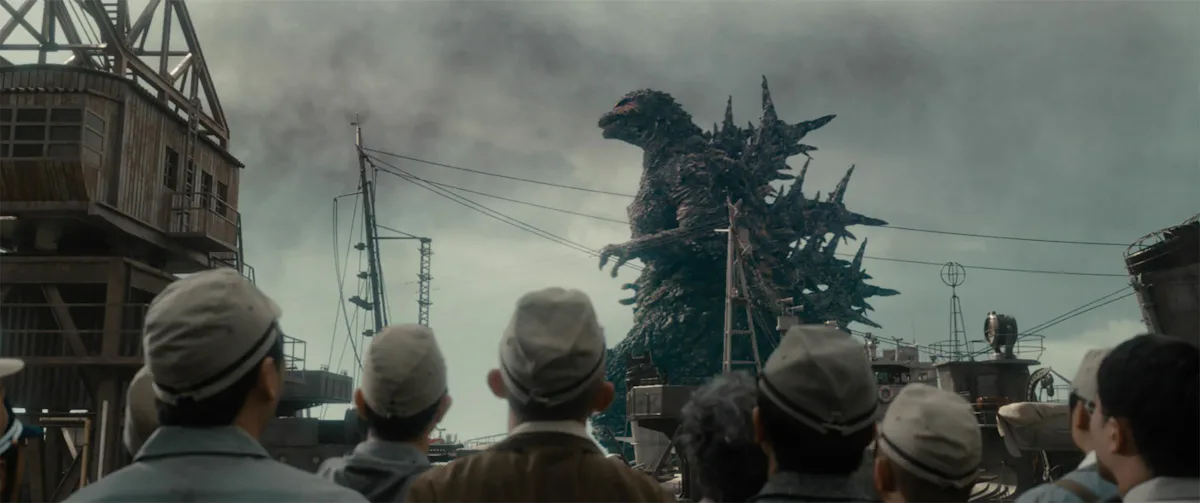
While there’s no real shortage of kaiju media at the moment, everyone’s been waiting for the follow-up to Takashi Yamazaki’s 2023 hit, Godzilla Minus One, with bated breath. The film tells the best Godzilla story we’ve had in years, turning the clock back to before even Ishirō Honda’s first film. Going back to basics also simplified the titular monster in refreshing ways: thanks to other, more recent films, Godzilla is better known as a reluctant protector, but Honda first used him to personify the anxieties and fears of a post-war Japan.
Minus One reclaimed the feeling of abject terror that Godzilla originally embodied — and it did so with a shockingly small budget. With between $10 and $15 million, Yamazaki delivered stunning, tactile visuals and a story that provided the “human element” missing in other contemporary monster films. His sequel, Godzilla Minus Zero, looks poised to do the same — but what’s the deal with these titles? As with so much of Yamazaki’s creative intent, the truth behind “Minus One” and “Minus Zero” will invariably tug on some heartstrings.
Godzilla Minus One’s title, explained
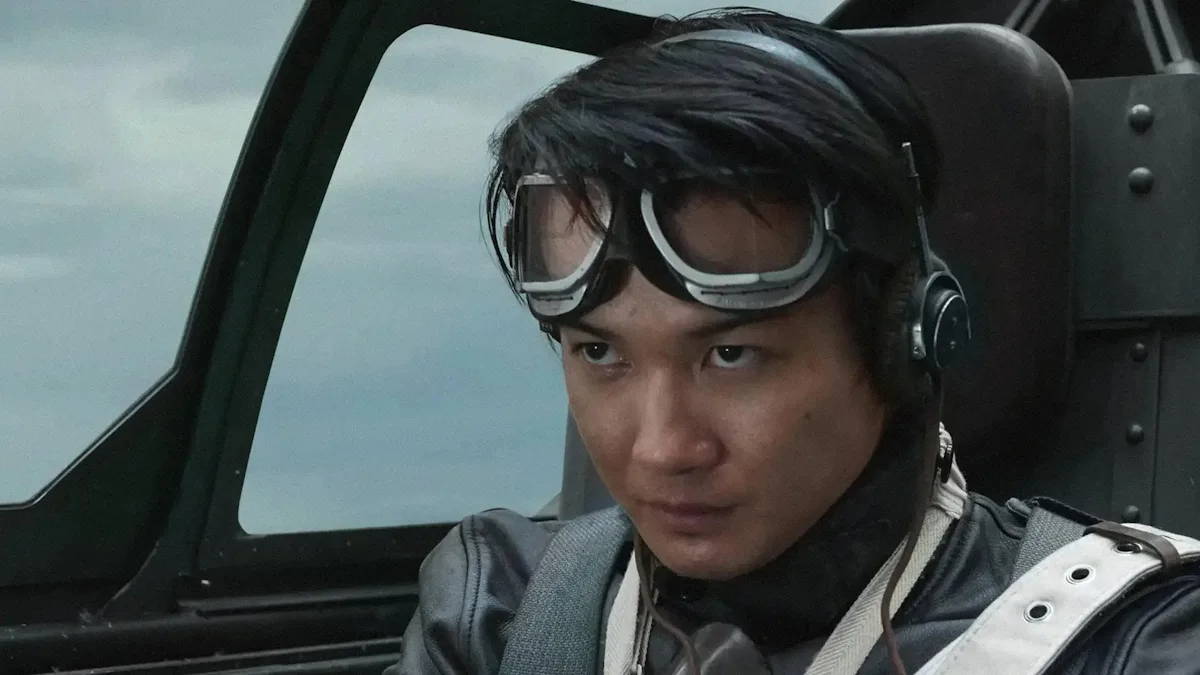
When Yamazaki was tapped to direct a new Godzilla movie for Toho, the long-standing stewards of the kaiju universe, he was keen to reestablish the tone of Honda’s original Godzilla story. “The point of international Godzilla is that he’s a really powerful monster,” the filmmaker told Letterboxd in 2023. “But a Japanese Godzilla is halfway a godlike creature in many ways. Not necessarily a religious god, but more like a Japanese god, a malevolent and destructive one. He’s a metaphor for nuclear weapons, war — you could view [him as] COVID in this film.”
By that logic, Yamazaki wanted to set his film in “an era where things weren’t okay” and introduce Godzilla as an additional inconvenience. “I felt like it would be an interesting movie if I created something where further issues arise in an already difficult existence, and forces ingenuity,” he explained.
The first Godzilla film is set in 1954, but Minus One is set in 1947 in the wake of World War II. After the bombings at Hiroshima and Nagasaki, Japan has lost absolutely everything. “Japan... is at zero, and then Godzilla arrives, making the situation even worse and more tragic,” Yamazaki said at a 2023 press conference. The “minus one” in the film’s title is meant to depict “how people rise up” and “get back on [their] feet in the face of difficult times.”
There’s more than one meaning for “minus one”
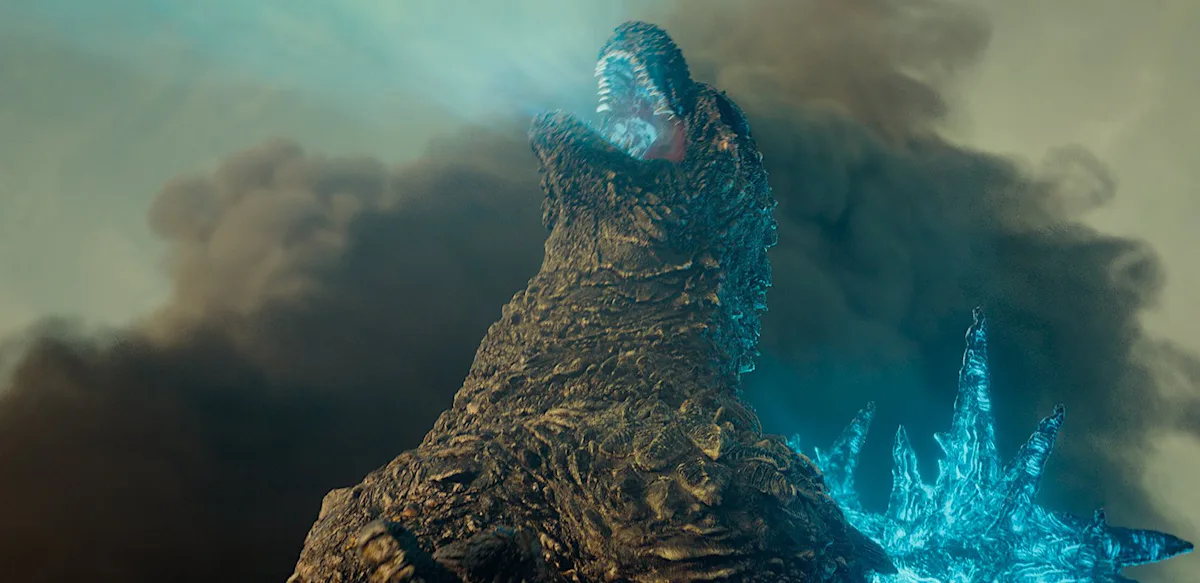
Yamazaki also admitted that Minus One could apply to multiple scenarios. As his film is actually “set even before the time of the original Godzilla... in that sense it is also a ‘minus one.’”
“It can also be a ‘minus one’ of losing something,” the director said. The threat of loss hangs like a shadow over Minus One’s main hero, Kōichi Shikishima (Ryunosuke Kamiki), a kamikaze pilot who deserted his post during WWII and has been struggling to find the will to live when we first meet him in the film. When Godzilla first appears, he eventually chooses to fight and defend the new family he’s built in the wake of so much devastation. “I hope that people will feel the various meanings in this film as they watch it,” Yamazaki added.
What about Godzilla Minus Zero?
Yamazaki’s next film, meanwhile, is starting from a place of exasperation. “What I hope that Zero would invoke is this idea of people trying to regain at least some sense of normalcy,” the director told Fandango. “They’re trying to get back to where it was... [but] we’re still in the ‘minus’ energy.”
Godzilla’s return threatens to push Japan even further into the negative — but as the film’s first trailer states, going back is not an option. We’ll see how things progress when it hits theaters this November, and whether it sets up a trilogy in reverse.