Fire Emblem: Fortune’s Weave Is Fantastic, but It Is Missing Something One Indie Game Nailed
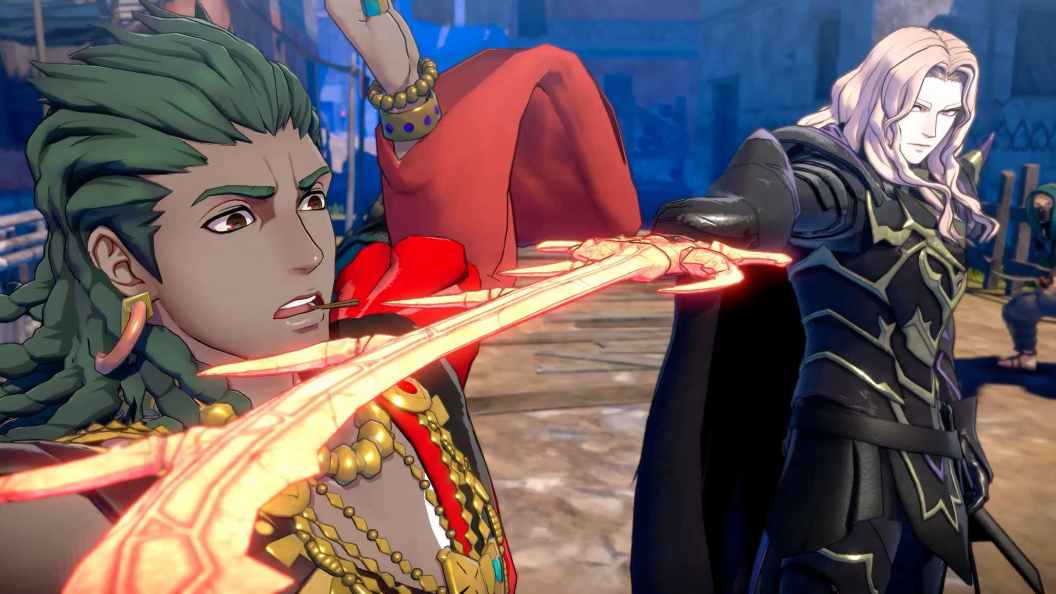
Fire Emblem: Fortune’s Weave looks like my dream game from the series, which is saying a lot because of how much I loved Fire Emblem: Three Houses. Its sprawling story follows four heroes whose paths can be explored independently, while players can freely switch between their campaigns. Add a huge roster, deep tactical combat, exploration, recruitment, character development, and an enormous amount of content, and it is easy to understand why the latest Fire Emblem is receiving so much praise.
Yet there is one feature I keep wishing Intelligent Systems had added: multiplayer. Not because Fire Emblem: Fortune’s Weave needs multiplayer to succeed, but because its party-building systems seem perfectly suited to letting two players construct their own teams and battle each other. While slightly different, Chucklefish’s Wargroove proved how much fun small strategic battles can be against another player. Its multiplayer became one of my favorite parts of the game, proving that turn-based tactics can work exceptionally well when another person is sitting across from you. Fortune’s Weave could have offered something similar as an optional side mode.
Fire Emblem: Fortune’s Weave Already Has the Right Ingredients
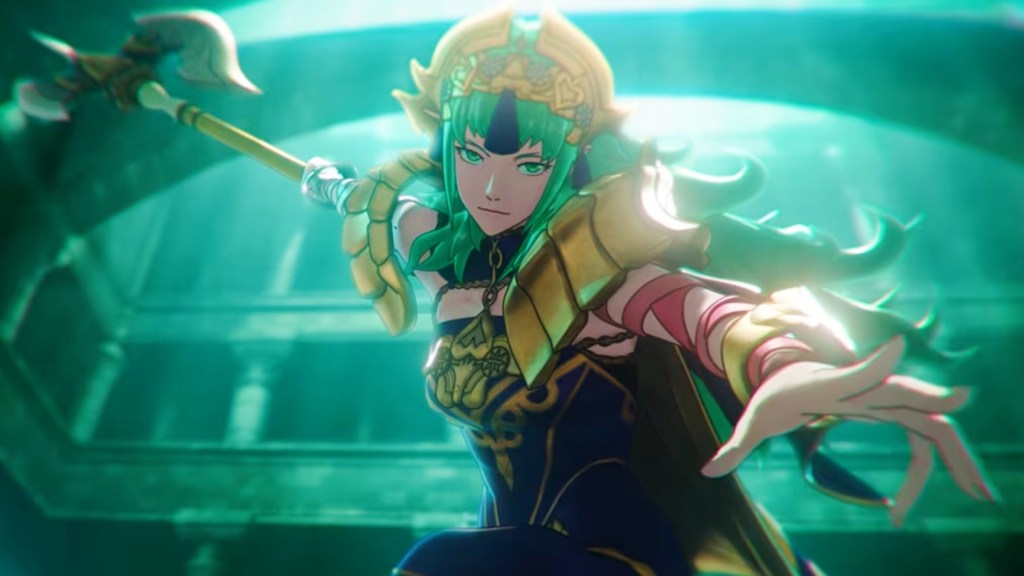
The biggest reason I want multiplayer in Fire Emblem: Fortune’s Weave is that the series already emphasizes building a party. Players are constantly encouraged throughout the campaign to refine their party, which sometimes requires switching out a character or two. Every battle features a different challenge, and with the many different types of units, weapons, and terrain in the game, players should constantly be ready to adapt their strategy.
The game’s structure makes that party-building even more interesting. Fortune’s Weave gives players four central character routes and allows them to move between those stories instead of forcing them to finish one before experiencing another, unlike Three Houses. The campaign also contains a wide collection of recruitable characters, meaning players can develop different approaches to the tactical battles. One thing that always gave me trouble was determining which characters to use.
A multiplayer mode could take all this and turn it into a benefit. While you may not be able to use every character you want in the narrative, this does not have to be true for multiplayer. Fortune’s Weave could have a revolving meta of characters that simply may not have worked elsewhere. That does not mean Nintendo would need to turn Fire Emblem into a competitive game. The campaign could remain completely untouched for players who only want the traditional single-player experience. A dedicated multiplayer menu could simply allow two people to select from unlocked characters, establish their teams, choose a map, and fight.
Wargroove Shows Why Multiplayer Could Work
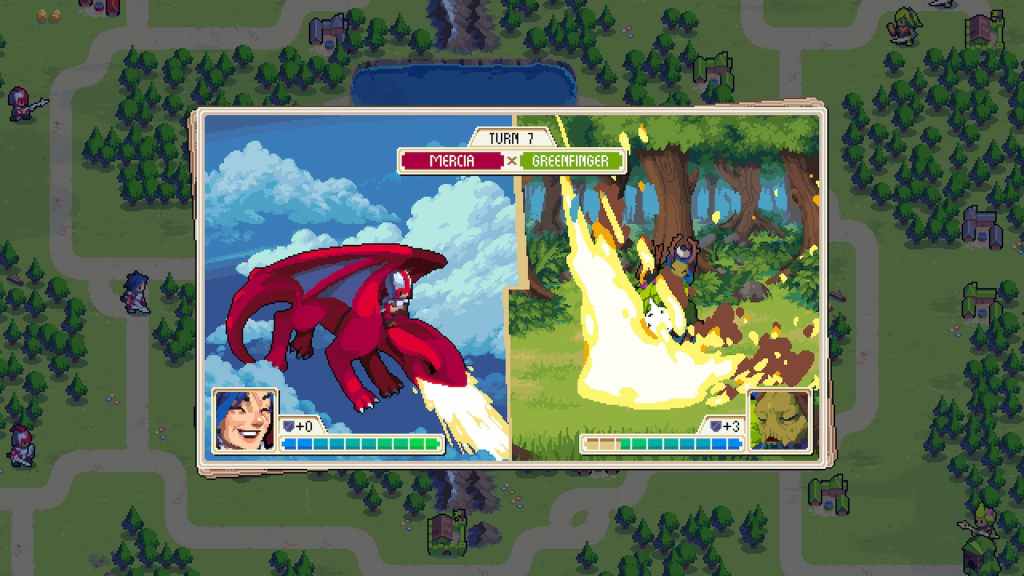
Wargroove is an obvious comparison even if its tactical battles are much closer to Advance Wars than Fire Emblem. The core premise remains the same: players move units across grid-based maps in an attempt to defeat opposing forces. Its multiplayer feature convinced me that it could also work in Fire Emblem without having to abandon its single-player identity. Wargroove launched with both local and online multiplayer, and its sequel expanded that foundation with cooperative and competitive multiplayer for up to four players.
My favorite part of Wargroove was being able to construct an army and then see how another player responded to it. Sometimes they did what I expected, and I could clean sweep to a victory, while other times their response took me completely by surprise. I also enjoyed seeing strategies I never even considered. Every game felt like a constantly evolving puzzle compared to battles against AI, where it was much more predictable.
Wargroove also demonstrates that multiplayer does not have to overwhelm the rest of a strategy game’s content. The multiplayer options were a major addition, but it still offered a substantial and engaging campaign for players who didn’t want to interact with multiplayer. That is the model I would want for Fortune’s Weave: an optional mode that exists for players who want it, while the main campaign remains entirely focused on its sprawling narrative.
Multiplayer Could Become a Fantastic Side Feature
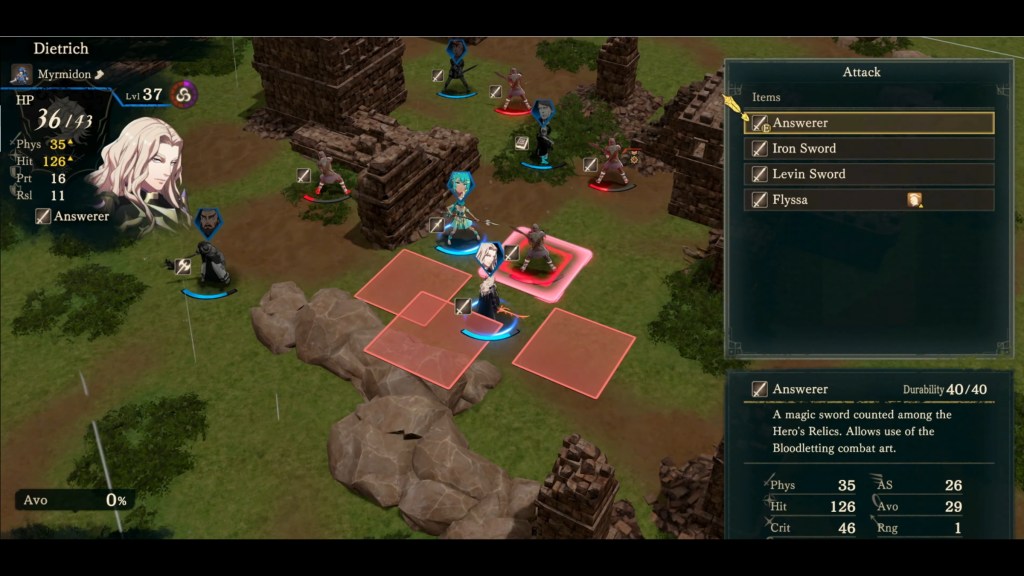
The easiest implementation would be a straightforward two-player battle mode. Each player could select a limited number of characters from the campaign, configure their classes and equipment, and enter a dedicated tactical map. Restrictions could prevent overpowered combinations, while optional rules could let players experiment with unusual teams. It would essentially turn Fortune’s Weave‘s extensive character-building systems into a competitive playground.
There would also be plenty of room for Nintendo and Intelligent Systems to expand the idea over time. Additional maps, special rules, and downloadable content could give dedicated players new ways to experiment without affecting the main story. The best possible thing would be a map or campaign creation tool, allowing fans to create their own scenarios and challenge other players as well. Not only this, but players could take what they learned from the multiplayer and try it out in replays of the main campaign.
None of this changes how impressive Fortune’s Weave already is. Its interconnected narrative is one of its strongest elements, while its tactical gameplay continually encourages players to reconsider how they build and prepare their teams. The enormous amount of content available across Dagsion, Dagda, side quests, battles, and exploration shows why multiplayer would fit in so naturally. A two-player battle mode could have given its tactical systems another life long after the campaign was finished. Wargroove showed me how much fun that kind of mode can be, and Fortune’s Weave has everything needed to make the idea work.