30 Years Later, Power Rangers Still Can't Escape Mighty Morphin
There may have been dozens of iterations of Power Rangers across its 30-plus-year run, but Mighty Morphin Power Rangers remains inarguably the franchise’s most iconic. Its Rangers, Zords, villains, and theme song became instantly recognizable, turning what could have been a flash-in-the-pan Saturday-morning kids show into a pop-culture phenomenon. Every generation that followed put its own spin on the formula, but the 1993 debut still occupies a disproportionate amount of the franchise’s output. Three decades of reinvention have done little to dislodge the OG Rangers from the pop-culture zeitgeist.
There have been 23 distinct iterations of the Rangers across Power Rangers’ 30 seasons. However, despite the huge variety, MMPR still dominates modern merchandise and tie-ins, including comic books, toys, and video games. There may be almost two dozen different Ranger teams, but the Mighty Morphin squad remains the safest commercial route. Still, while Tommy, Jason, Kimberly, Zack, Trini, and Billy, may remain the face of Power Rangers in pop culture, they don’t represent the franchise at its peak.
Later seasons were arguably better than MMPR in multiple ways, so much so that the fact that Power Rangers continues to be fascinated with the Mighty Morphin’ era has become borderline frustrating. With the story of the upcoming Power Rangers Disney+ reboot remaining a mystery beyond that it will reset the lore, many are holding out hope that it won’t simply be another Mighty Morphin reinvention like the 2017 movie, and the rest of the franchise makes it easy to see why returning to its roots in the literal sense may not be the best move.
Power Rangers Needs To Move On From Mighty Morphin

There have been decades of Power Rangers series since Mighty Morphin Power Rangers, yet the franchise’s merchandise, comics, and video games remain disproportionately fixated on the 1990s. For examle, BOOM! Studios’ Mighty Morphin Power Rangers became the foundation of an enormous comic-book line, with multiple ongoing series and spinoffs built around the original era. A select few other teams have received dedicated graphic novels, such as Power Rangers: The Psycho Path, which continued the stories of Power Rangers In Space characters, but Mighty Morphin has overwhelmingly dominated the ongoing comics landscape.
The Mighty Morphin team are the only Power Rangers iteration to receive their own dedicated ongoing comic book series, which they’ve had several times, including a 2026 reboot series. Video games have followed a similar pattern. For example, 2024’s Mighty Morphin Power Rangers: Rita’s Rewind was a celebration of the MMPR era, as was 2017’s Mighty Morphin Power Rangers: Mega Battle. There have been ensemble games such as Power Rangers: Battle for the Grid, but the original Rangers remain the route taken when the focus is on single-player or cooperative gaming.
Even the Power Rangers toy lines have been predominantly focused on MMPR. Outside of some deluxe made-for-display ranges like Hasbro’s Lightning Collection and tie-ins to then-currently-airing versions, decades of Power Rangers toys have revisited Mighty Morphin over and over. This bias has been so acute that the announcement from Playmates that their Power Rangers Unlimited Collection of action figures would kick off with Zeo became a newsworthy topic of discussion.
The franchise’s obsession with Mighty Morphin is perplexing, since reinvention is arguably Power Rangers’ greatest strength. The franchise has explored time travel, space exploration, dystopian futures, magic, ancient civilizations, police forces, and more. The 2017 Power Rangers movie, meanwhile, failed to launch its planned movie franchise, showing that Mighty Morphin nostalgia alone is not an automatic commercial guarantee. As far as the franchise’s future goes, the smartest move is to create a genuinely new team while letting merchandise celebrate the entire franchise rather than endlessly returning to MMPR.
Mighty Morphin Isn’t Even The Best Power Rangers Season
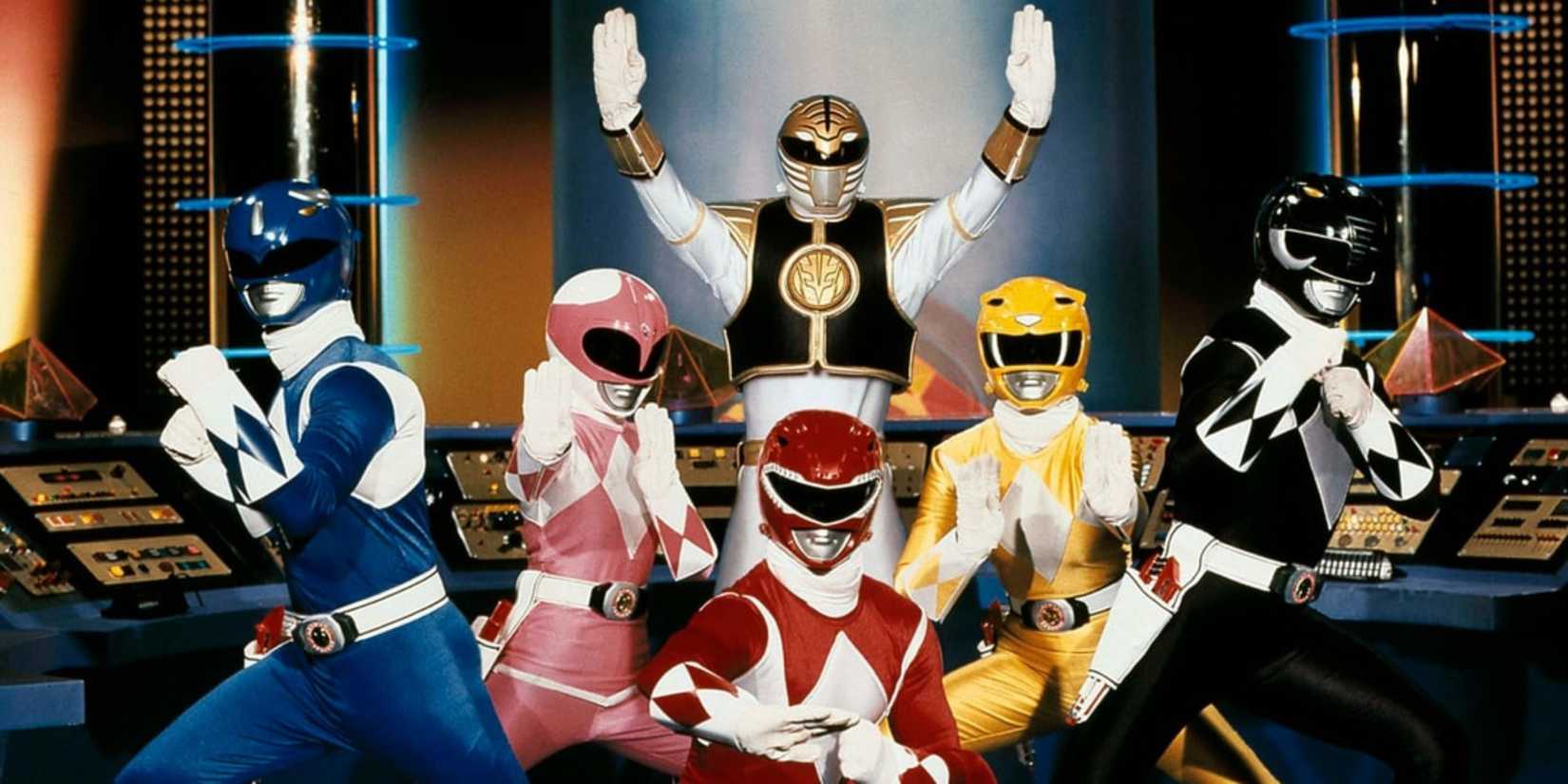
It is easy to understand why Mighty Morphin Power Rangers has dominated the franchise for so long. It is almost certainly the most widely recognized version of the show, with its characters, costumes, Zords, villains, and visual identity firmly embedded in pop culture. More importantly, it established the blueprint for practically everything that followed. Without Mighty Morphin, there would be no Power Rangers franchise as audiences know it.
However, being the most famous season of Power Rangers is not the same as being the best. Dedicated fans have spent decades pointing to later seasons that improved on the original formula in almost every meaningful way. Power Rangers Time Force, In Space, and RPM, for example, offered considerably richer serialized narratives and more cohesive worlds than Mighty Morphin. It’s these iterations, not MMPR, which transformed what had previously been a relatively loose children’s adventure into a much more focused long-form story.
Even the Rangers themselves were repeatedly improved upon. Power Rangers Wild Force dramatically expanded the number of Zords, while the White Dino Ranger from Dino Thunder, Shadow Ranger from S.P.D., and Titanium Ranger from Lightspeed Rescue were each better variations on the Special Ranger concept than MMPR’s use of the idea. Tommy Oliver’s transformation from villainous Green Ranger to heroic White Ranger remains iconic, but later seasons often gave their additional Rangers more defined identities and narrative purposes.
That is why Mighty Morphin Power Rangers should be viewed as the blueprint rather than the finished product. Mighty Morphin established the franchise, but In Space, Time Force, S.P.D., Dino Thunder, RPM, and several other seasons were simply better. The continued obsession with MMPR is understandable, especially when its characters remain instantly recognizable, but Power Rangers has spent decades proving that its greatest stories were yet to come. The franchise should finally start treating that variety as its greatest asset rather than ignoring it.