4 Classic Gaming Franchises That Should Be Rebooted in a New Genre Like StarCraft
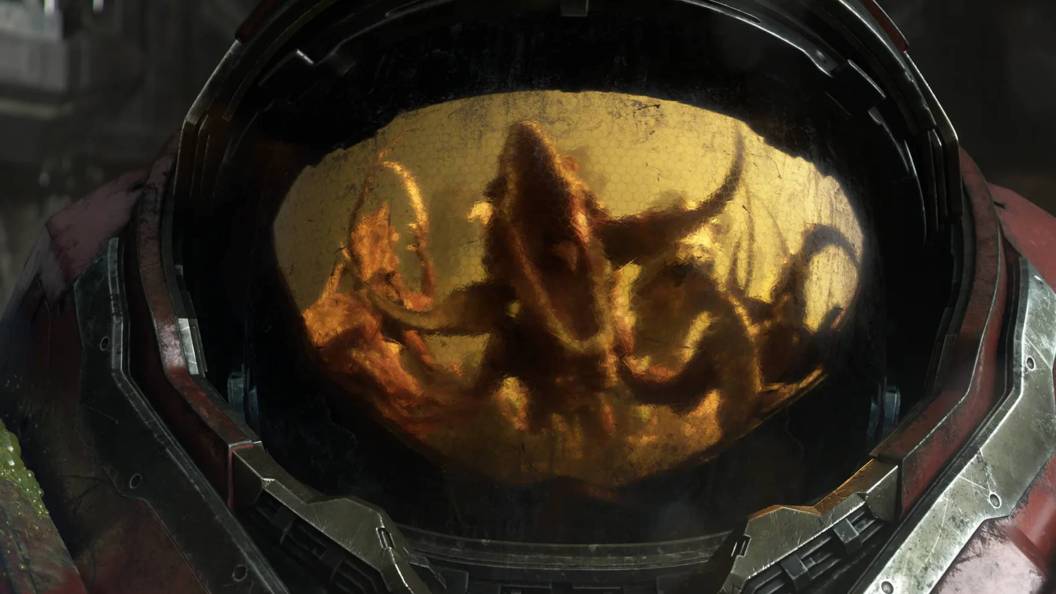
The StarCraft games have always been real-time strategy titles, but BlizzCon 2026 revealed that the upcoming 2030 reboot of StarCraft is set to be something different. Instead of a classic RTS with rival armies, players will embody an individual role within an open world, third-person shooter, driven by a narrative closer to modern titles. This represents an interesting re-invention of the StarCraft series in some ways, reflecting how franchises can offer alternate angles at their settings beyond what players are used to.
This strategy doesn’t have to be exclusive to Blizzard’s RTS juggernaut, though, as other series have also seen success branching off into other genres. Whether it’s a spin-off game or a brand-new direction, some titles have captured new and old audiences alike by taking paths that feel refreshing. For example, Final Fantasy 7 Remake‘s shift into real-time action, Halo‘s change into an RTS for Halo Wars, or Fallout 3 becoming an open world RPG instead of a top-down CRPG have helped make those series more appealing through their evolution or variety.
4. Halo – RPG

The Halo series is experimenting with reboots right now, with Halo: Campaign Evolved being a modern remake of the franchise’s blockbuster beginnings, but to mixed results. While Halo Infinite and Campaign Evolved have pushed the boundaries on player expectations, the series used to be more willing to spin off from its mainline games. If the studios behind Halo want to keep jumping into the past, perhaps a game where players have more immersion in the world would be best, similar to StarCraft (2030).
An RPG similar to Fallout: New Vegas set in the world of Halo could be a fascinating departure for the series, where players get to customize their own Spartan or other human solider. Alternatively, players might be able to create their own Sangheili, or Elite, during the era where they are fighting humans or allied with them after the events of Halo 3. This type of game could be set at any point of the Halo time line, with an original story that gives players far greater creative control over the events that take place.
Instead of a linear FPS campaign, the story of a Halo RPG could be a solider having to recruit a party of allies, perhaps from both sides of the series’ Covenant vs Humans conflict, to stop a greater threat. The parasitic Flood has always been an enemy that could unite various sides, but perhaps the RPG elements would only manifest in an individual character players control. Elements from Cyberpunk 2077, Star Wars: Knights of the Old Republic, or the Deus Ex games may lend some inspiration here, taking Halo in a fresh and interesting direction.
3. Splinter Cell – First-Person Shooter (FPS)
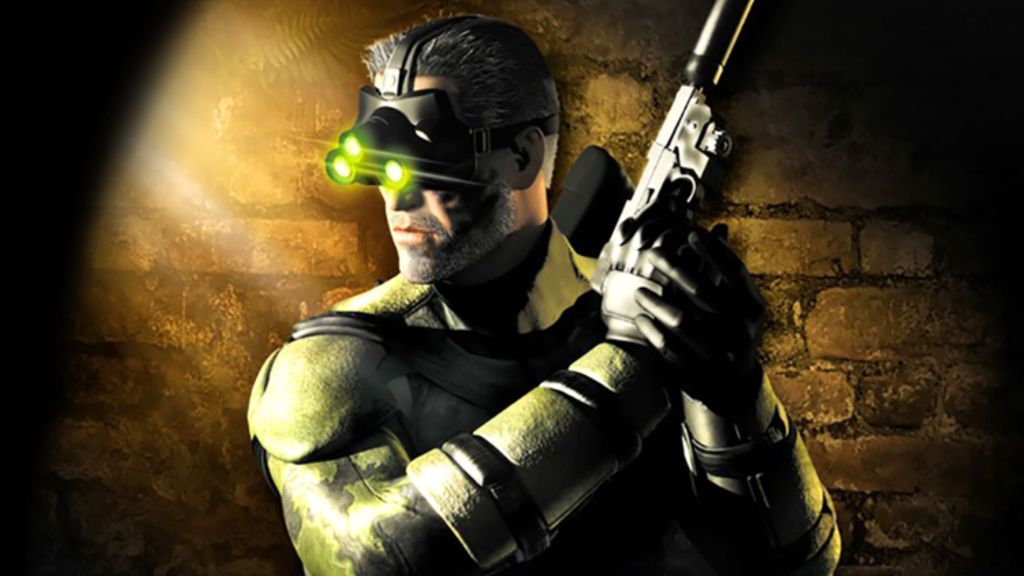
The third-person stealth action of the Splinter Cell games are beloved by many, with the series being at the top of most peoples’ lists when it comes to “franchises that need to come back.” However, with the popularity of the latest Hitman games and the success of 007 First Light, which adopt Splinter Cell‘s formula well, it may be better for the original series to branch off into a different idea. One way Splinter Cell could return is not as a game competing with Metal Gear Solid, but rather as a first-person shooter (FPS) with its emphasis on stealth intact.
Almost like the Outlast horror games, players might find more immersion in the night vision of Splinter Cell through a first-person perspective. Games like the iconic Thief put players in first-person to make them think about their environments more, a message that would translate perfectly into the tactical missions of Splinter Cell too. Although some players might argue that Rainbow Six Siege and its related games are enough for Tom Clancy FPS titles, having Splinter Cell go down a different route would help it stand out.
To make this kind of game work, enemy AI would have to be improved, with more tactical mechanics being implemented to help players too. However, this might make Splinter Cell more authentic to its premise than it’s ever been before, with limitations to third-person action making the series more “action” than “stealth” oriented at times. Slower movement and smaller environments would also help a Splinter Cell FPS thrive, especially if open-ended level design carries over from the series’ roots.
2. BioShock – Metroidvania
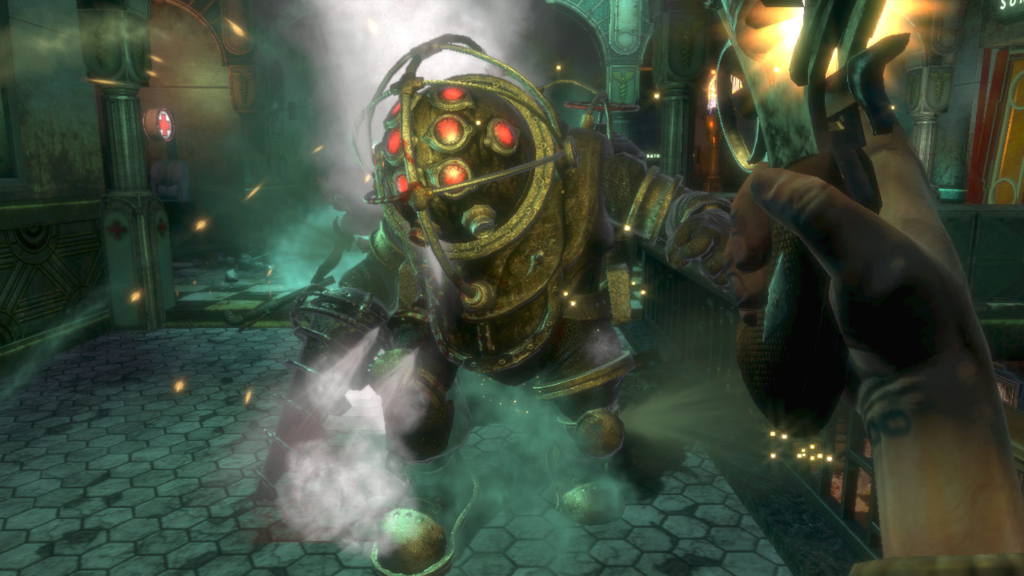
The BioShock games will likely get reboots in the next few years, but the first-person action-adventure series could also receive a spin-off during that wait. Although many would argue for another FPS with RPG elements, the world building of BioShock could work well with genres that promote exploration, such as a Metroidvania. Imagining the underwater world of Rapture, or even BioShock Infinite‘s high flying metropolis, in a vast and layered side scrolling game may be an enticing way to bring the series forward.
A Metroidvania BioShock game could introduce a brand-new world to players as well, allowing them to explore a location completely devoid of reference for a fresh experience. Some of the series’ main features, such as DNA-altering powers, would be easy to bring back as part of the game’s exploration to unlock new progression paths. At the same time, the game could do what other Metroidvanias, like Castlevania: Belmont’s Curse are doing right now, by allowing players to create “loadouts” with various abilities.
This would align the BioShock Metroidvania with the FPS games somewhat, making the game feel different, yet still a BioShock entry. The popularity of games like Hollow Knight: Silksong or upcoming titles like Metroid Ravenous shows how big Metroidvanias are right now, especially if their settings captivate players. BioShock has one of the most interesting gaming locations of all time, so traveling to different Metroidvania “rooms” or biomes in its settings wouldn’t be boring by any stretch. With other series jumping into Metroidvanias with some success, such as The Prince of Persia, BioShock may work well outside its FPS approach.
1. Dino Crisis – Over-the-Shoulder Third-Person Shooter
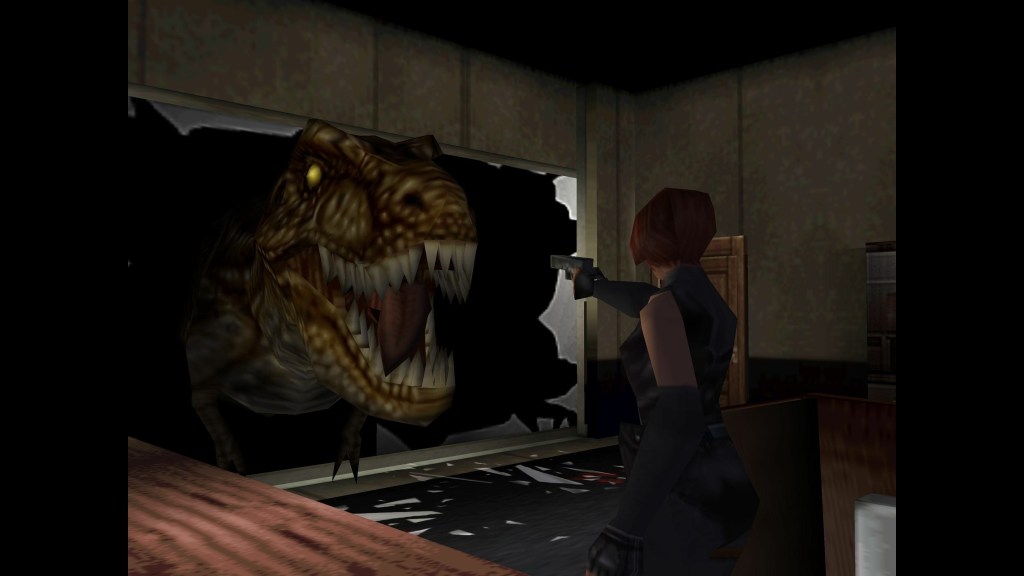
One of the most underrated survival horror series out there is Dino Crisis, a Capcom game where players have to fight against dinosaurs while scrounging for resources. This game is long overdue for a reboot, but its fixed camera angles are a stamp for that era of survival horror, building off the same philosophies established by the Resident Evil series. Much like that Capcom franchise evolved, so too can Dino Crisis become stronger by doing the same thing Resident Evil 4 did.
That game changed fixed cameras to an over-the-shoulder style of third-person action, putting players up close and personal with the dangers they were facing. This direction would work extra well for Dino Crisis, as the sheer size and scale of the dinosaurs in that game would be easier to capture through that intimacy. Already, games like Tomb Raider: Legacy of Atlantis (another reboot) are showing players how terrifying it can be to face down prehistoric threats, even when well armed. An elevation of Dino Crisis‘ unique brand of horror is more than enough reason to change its genre this way.
The relationship with Resident Evil expands when you think of all that series’ remakes bringing in a new audience. Ever since Resident Evil 2 Remake, the change to an over-the-shoulder camera similar to RE4 has helped the series thrive, even more than the successful FPS approach in some titles. Should Dino Crisis ever return, it needs to adopt the same plan as Resident Evil, not only to improve its survival horror, but also to streamline mechanics through an inventive genre change.