Amazon's New Stephen King Thriller Is A Pitch-Perfect Adaptation — With One Big Flaw
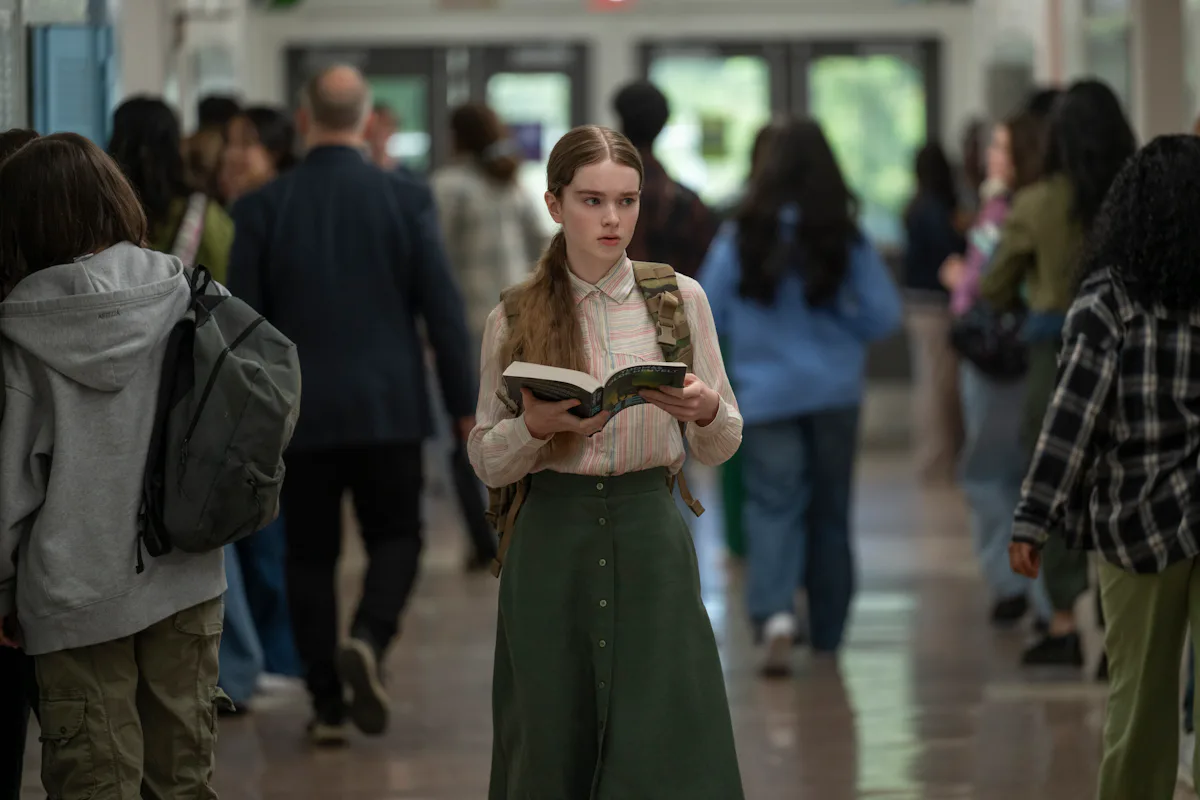
In the video introduction for the Fantastic Fest screening of Carrie, series creator Mike Flanagan said that he’s been asked many times: “Why Carrie now?” And the miniseries makes that case many times over, incorporating everything from school shootings to an assistant manager with a nose ring into Flanagan’s latest adaptation of his favorite author’s work. These blend with the basic premise of the story more seamlessly than you might think.
But there’s another question that needs to be answered: Why Carrie on TV? Although it’s based on a novel — and restores some details that were excised from previous movie versions of the story — the demands of stretching out Carrie over eight hours of television drive Flanagan’s biggest changes to the story.

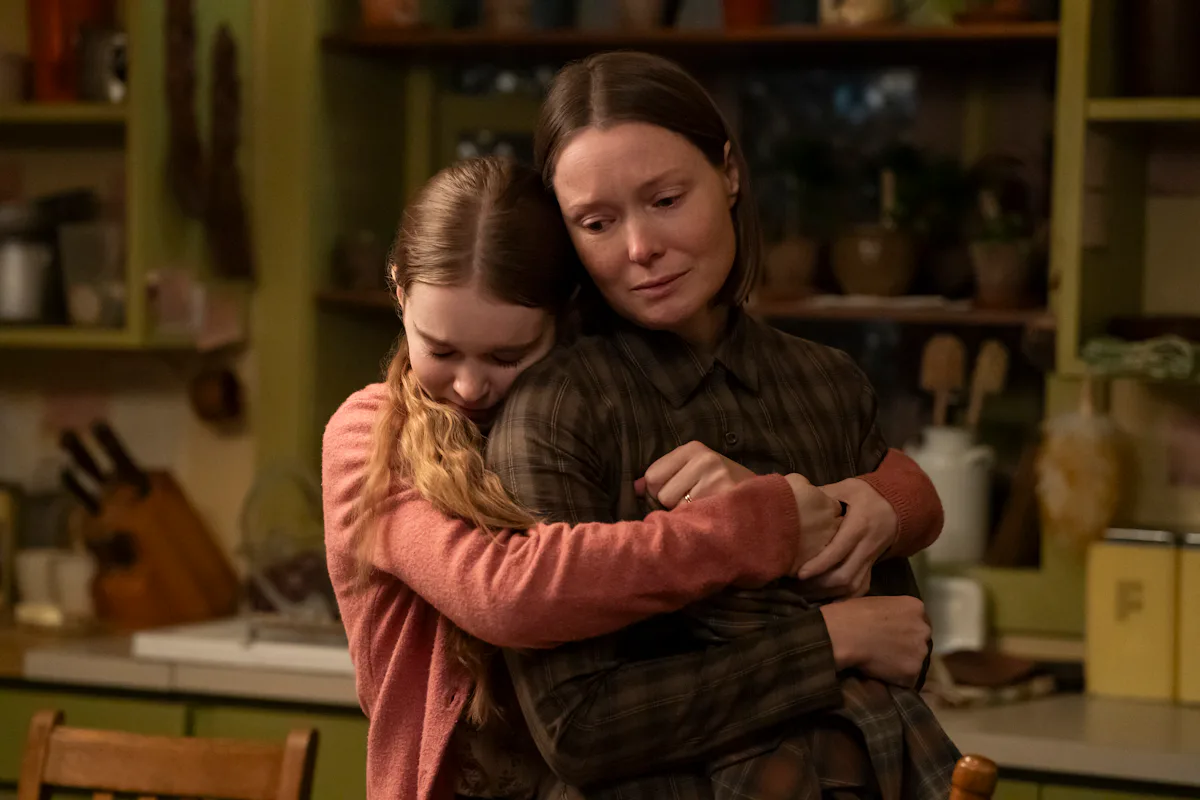
Before first-look screenings at TIFF and Fantastic Fest, news about the series concentrated on the fact that the version of Margaret White played by Samantha Sloyan would be “more sympathetic” than Piper Laurie’s fire-and-brimstone interpretation of the character. This is true, to an extent: Sloyan’s Margaret is self-righteous, judgmental, and extremely controlling, suffocating her daughter and regularly showing up at Ewen High School to annoy Principal Gayle (Matthew Lillard). But she’s not evil so much as fearful and deluded, the product of years of conditioning by far-right propaganda. Here, Flanagan pulls in elements of the MAHA movement — Margaret almost loses her job as a cashier at a big-box store for making snide comments on her customers’ food purchases — as well as the culture-war rhetoric of contemporary conservatism.
The show doesn’t take a stance beyond establishing that growing up in this environment is bad for Carrie (Summer H. Howell), leaving her unable to cope when she’s forcibly enrolled at Ewen High after her father's death. Carrie likes school, and is shocked when she realizes how much her mother has been keeping from her; the first two episodes screened at festivals set up this conflict, and based on the early stages of this storyline we can assume that Margaret’s abuse will continue to escalate along with her panic as the miniseries continues. This all works much better than expected, as the show only adds references to current issues only when they serve the characters. Carrie is terrified when a school-shooting drill occurs on her first day at Ewen, for example, and the contrast between her classmates’ blasé responses and her sheer panic underlines both Carrie’s naïveté and the indifference of the world towards the lives of young people.
Another major cultural shift the TV Carrie must reckon with is changing attitudes towards bullying. King grew up in the 1950s, and was writing in the 1970s and ‘80s, when vicious treatment of misfit kids was ignored, if not tacitly encouraged, by society at large. (A school guidance counselor played by Tim Bagley references this, saying that growing up as a “queer kid in the ‘70s” was sheer torment.) Since then, there’s been a push towards discouraging this kind of thing — but that doesn’t stop kids from couching their cruelty in school-mandated kindness. So while the infamous “plug it up” scene does occur in the miniseries, it’s pitched slightly lower here. The real bullying happens afterwards, as popular girl Chris Hargensen (Alison Thornton) makes a social-media account dedicated to posting humiliating videos of Carrie crying in the locker room as her classmates pelt her with tampons.
Here, we see the demands of TV and of updating the story come together, as Flanagan’s Carrie gives Chris a more extensive backstory that includes family problems that, again, don’t justify her meanness, but do help explain it. Sue Snell (Siena Agudong) also gets a sympathetic airing here, with more context on her life and her changing relationship with her BFF Chris. This serves two purposes: It brings Carrie into the anti-bullying age, and it makes it possible for viewers to spend eight hours with these characters. TV is a character-driven medium, one whose extended run time requires that figures that could be cartoonish sketches in a 90-minute movie need depth, or at least room to grow.
Flanagan’s approach is to make everyone a little more sympathetic here, similarly filling out the characters of gym teacher Rita Desjardin (Amber Midthunder) and her colleagues, including Flanagan regular Rahul Kohli as Carrie’s homeroom teacher. It’s also not a Mike Flanagan series without Kate Siegel, the back of whose head is briefly glimpsed at the end of Episode 1. She’s talking to Delainey Hayles from AMC’s Interview with the Vampire series, as another new character who is very Flanagan, very late-period King, and a poor fit with the rest of this relatively grounded miniseries — as grounded as a story about a teen with telekinetic powers can be, of course.