100-Episode 'Lost Meets Criminal Minds' Series Is The X-Files Sequel We Deserved
The X-Files changed TV forever, placing supernatural and horror elements within a police procedural context. Combined with the chemistry of Gillian Anderson and David Duchovny as the central characters, the show's simplicity was a major factor in its success. However, The X-Files had the potential to be more ambitious, with every mystery unveiling a new hidden side to the world, and lore that deepened as the series progressed. While the more complex spinoff movies were not as well-received as the original series, The X-Files already had a spiritual sequel, which aired just a few years after the show ended.
At first glance, Fringe resembles a copy of The X-Files, following a secret FBI division as the team examines dangerous paranormal phenomena. The "case of the week" format echoes that of both The X-Files and Criminal Minds, but although the series shares some themes with The X-Files, its overarching story and approach more closely resembles Lost for its extensive lore and character studies. Fringe's best episodes offer a deep dive into the characters and their relationships, while covering mind-bending mysteries that even Mulder and Scully might hesitate to touch, with parallel universes, time travel, and a looming interdimensional war.
Fringe Was The Natural Successor To The X-Files (Which Was The Natural Successor To The Twilight Zone)

The Twilight Zone was ahead of its time, with themes that remain relevant to a modern audience. With its short episodes that end in horrifying twists, The Twilight Zone is still terrifying today, and it did not need a sequel, but received a natural successor in the form of The X-Files, which at times felt like a more ambitious version of the 1959 series. In turn, Fringe feels like an evolution of The X-Files, first airing in 2008, just two months after the movie spinoff, I Want to Believe.
While The Twilight Zone had an anchor in the form of Rod Serling as host, The X-Files improved on this format by introducing Mulder and Scully as the show's anchors and main characters. In turn, Fringe then added the ambitious elements that The X-Files lacked. The X-Files might have featured alien abductions as a main plot point, but the main characters generally stayed on Earth, while Fringe took the main characters to alternate realities, far futures, and used time travel, drastically expanding the scope of a theme that began in the 1950s with The Twilight Zone.
The X-Files incorporated shadowy government figures and top-secret organizations, so it is not beyond possibility that one of these factions could have explored even greater existential mysteries than the ones entrusted to Mulder and Scully. The characters in Fringe would not have felt out of place in the earlier series, with Walter Bishop and Dana Scully likely to find common ground through their scientific work, and the groups could easily have been working just feet from each other. However, although Fringe is the perfect spiritual sequel to The X-Files, the next stage in Fringe's evolution has not arrived yet.
Fringe Hasn't Had A Worthy Successor Yet
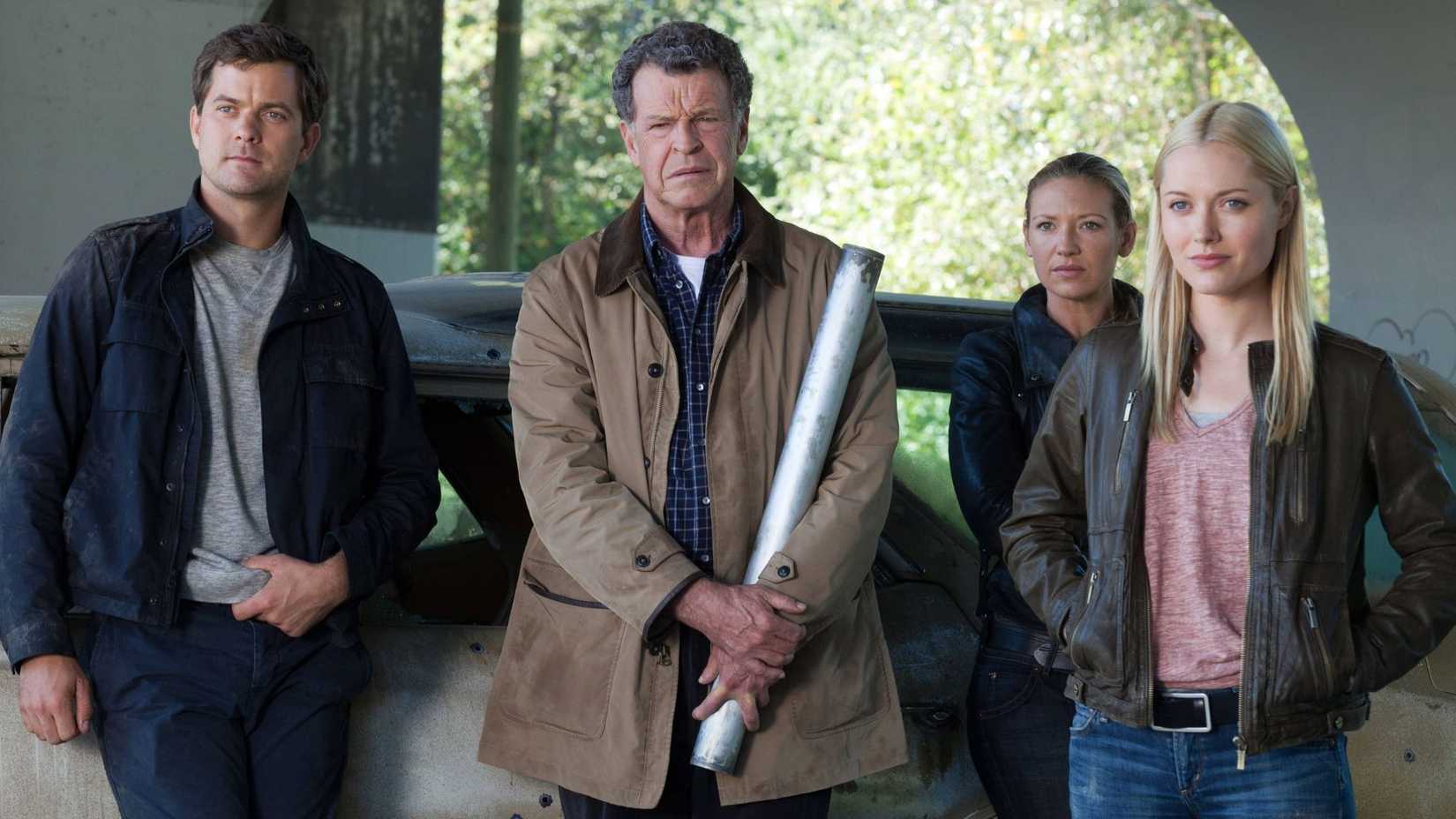
The X-Files has an impressive 86% positive audience rating on Rotten Tomatoes, but this would have been higher if not for the mediocre later seasons. On the other hand, Fringe does not have a bad episode, and has a 91% positive critics' rating on Rotten Tomatoes. Unlike many great sci-fi TV shows that have been canceled before their time, Fringe has a definitive and emotional finale, which puts it in the company of other great mystery box shows like Lost. That said, this may highlight the reason Fringe has not yet had a worthy successor.
Fringe has won 16 awards and been nominated for 56, including two Primetime Emmy Awards.
The logical successor to Fringe could have been Lost, with the series taking many of Fringe's themes and applying them to a new setting and blending the sci-fi elements with fantasy, but Lost came first. This leaves any show that has the potential to succeed Fringe with an immense challenge ahead. To be a worthy successor, a show must not only improve on the original, but elaborate on the lore, taking it in a different direction or using a more ambitious approach. With Fringe being one of the most ambitious sci-fi TV shows, this may not happen for some time.